How Does the Högkostnadsskydd Cost Ceiling Actually Work?
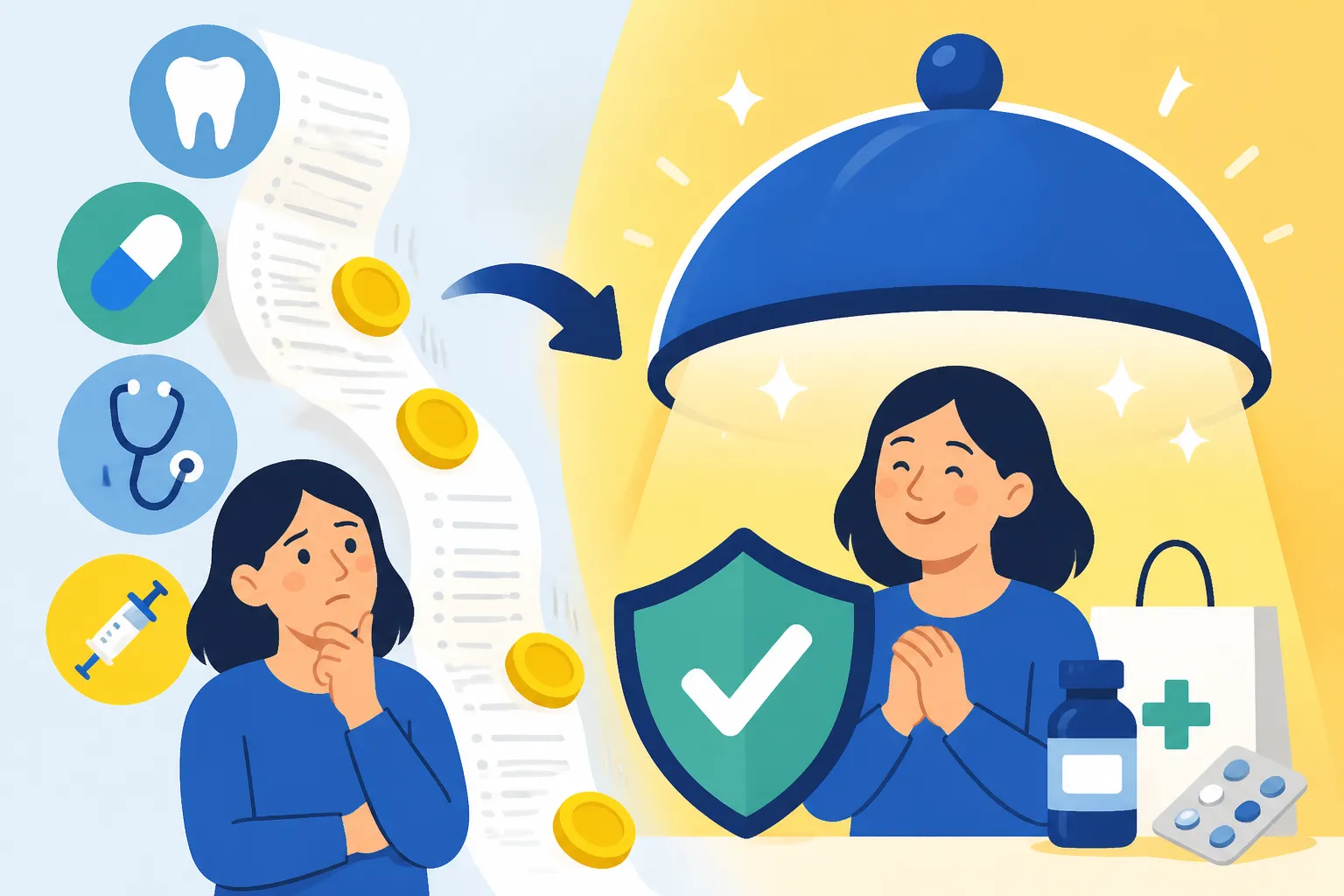
Moving to a new country involves a steep learning curve, but few things are as stressful as deciphering how much a doctor’s visit will actually cost you. When I first arrived, I was terrified that a recurring chronic issue would drain my savings, only to discover a system designed to protect my wallet. This guide explains exactly how Sweden’s high-cost protection, or Högkostnadsskydd, ensures your medical expenses never spiral out of control.
The Dual Nature of Sweden's Cost Protection System
One of the most common misconceptions I see among new arrivals is the belief that the high-cost ceiling is a single, all-encompassing bucket. In reality, the Swedish system splits your protection into two distinct categories: one for medical consultations and another for prescription medications. You cannot "mix and match" these expenses to reach a limit faster. If you spend 800 SEK on doctor visits and 800 SEK on asthma inhalers, you haven't hit a 1,600 SEK limit; instead, you are halfway through two separate "clocks."
The first pillar is the high-cost protection for outpatient care (högkostnadsskydd för öppen hälso- och sjukvård). This covers the fees you pay when you visit a doctor at your local clinic or a specialist at a hospital. The second pillar is the high-cost protection for pharmaceutical products (högkostnadsskydd för läkemedel). This specifically tracks the money you spend at the pharmacy on subsidized medications. Understanding that these two tracks run parallel is essential for budgeting your first year in the country.
While the public system is robust, the waiting times for specialists can be a shock to the system. Many expats I know choose to supplement the state coverage with providers like Cigna Global to gain faster access to private specialists who operate outside the standard regional queues. However, even if you have private insurance, understanding the public ceiling is vital because most prescriptions still flow through the national pharmacy system.
The Healthcare Ceiling: Maximum Payments for Medical Visits
The healthcare ceiling is a national regulation, though it is managed by the 21 different regions. As of 2024 and heading into 2026, the maximum amount any individual has to pay for outpatient care within a 12-month period is 1,400 SEK. This includes visits to your GP, specialists, and even some types of physical therapy, provided the provider is part of the public health agreement.
This 12-month period is not a calendar year. It starts the very first day you pay for a medical service. For example, if your first doctor’s visit is on October 15th, your personal "protection year" runs until October 14th of the following year. Once you have paid a total of 1,400 SEK in patient fees during that window, you are entitled to free care for the remainder of that period. This is often referred to as getting your "Frikort" or free card.
It is worth noting that for those still waiting on their residency paperwork, the situation is different. If you haven't yet received your personal identity number, you might find yourself in a grey area regarding costs. Newcomers often consider SafetyWing as a temporary solution during those first few months to cover unexpected emergencies while they are still Getting Your Personnummer: The Gateway to Swedish Healthcare. Once your number is in the system, the Högkostnadsskydd tracking becomes much more automated.
What Counts Toward the Healthcare Limit?
Not every Swedish krona you spend at a hospital counts toward your 1,400 SEK limit. It is important to distinguish between "outpatient care" and other costs.
- Doctor Consultations: Whether it's a digital visit via an app or an in-person meeting at your clinic, these fees contribute to the ceiling.
- Specialist Referrals: If your GP sends you to a cardiologist or dermatologist, those higher specialist fees are tracked.
- X-rays and Lab Tests: Generally, if these are part of your diagnostic process in outpatient care, they are included.
- Physical Therapy: Many regions include visits to physiotherapists, provided they are publicly contracted.
What is notably excluded? Missing an appointment (the "no-show" fee) does not count toward the limit, and you will be charged even if you have already reached your free-care status. Also, the daily fee for being hospitalized as an inpatient (spending the night in a ward) is a separate charge and does not contribute to the outpatient ceiling. To learn more about these specific charges, you should check out Understanding Patient Fees (Patientavgift) Across Sweden's 21 Regions.
The Digital Frikort and Automatic Tracking
In the "old days," we had to carry a little yellow paper card and get a physical stamp every time we paid a fee. Thankfully, most regions have moved to a digital system. When you visit a clinic, the payment is logged against your Personnummer in a national database. Once the system detects you've hit 1,400 SEK, it automatically flags you as having reached the limit.
However, the system isn't always perfect if you cross regional borders. If you live in Stockholm but see a doctor while on holiday in Gothenburg, the systems might not talk to each other instantly. In these cases, always keep your receipts. You can manually show them at your Registering with a Vårdcentral: Your Guide to Primary Care in Sweden to ensure your digital record is updated. You can also log into 1177 Vårdguiden: Navigating Sweden's National Health Advice Line and Portal to see your current balance and check how close you are to the limit.
The Pharmaceutical Staircase: How Medication Costs Drop
The high-cost protection for prescriptions works on a "staircase" or "step" model (trappstegsmodell). Unlike the healthcare ceiling, where you pay full price until you hit the cap, the pharmacy system gives you progressively larger discounts as your spending increases over a 12-month period. The maximum you will pay for subsidized medications in a 12-month window is 2,850 SEK.
This system is incredibly beneficial for those managing chronic conditions. For example, if you are Managing a Chronic Condition in Sweden: Diabetes, Asthma, and More, you will likely find that after your first few months of prescriptions, the cost of your medicine drops significantly. It’s a relief I felt personally when my recurring prescriptions suddenly became "free" in the eighth month of my residency.
| Total Cost of Medicine | What You Pay | Discount Rate |
|---|---|---|
| 0 – 1,400 SEK | 100% of the cost | 0% |
| 1,401 – 2,713 SEK | 50% of the cost | 50% |
| 2,714 – 4,737 SEK | 25% of the cost | 75% |
| 4,738 – 6,766 SEK | 10% of the cost | 90% |
| Over 6,766 SEK | 0 SEK | 100% (Free) |
The math can be a bit confusing, but the pharmacy’s computer system handles it all. Every time you buy a "recept" (prescription), the pharmacist sees exactly where you are on the staircase. It is important to remember that this only applies to medicines that are "subsidized" (within the förmån system). Most life-saving and chronic medications are included, but lifestyle drugs or some newer brand-name medications might be excluded. For a deeper look at this, read Prescription Medicines in Sweden: Recept, Refills, and the Cost Cap.
Strategies for Managing Your Costs
For many expats, the high-cost ceiling is a safety net, but it doesn't solve the issue of wait times. This is where a private policy from Cigna Global can be a strategic asset. By using private insurance, you can often bypass the primary care gatekeeper for certain issues, getting you to a specialist weeks or months faster than the public system might allow.
However, even with private insurance, it is advisable to stay registered within the public system. You should ensure you are Registering with a Vårdcentral: Your Guide to Primary Care in Sweden as soon as you get your Personnummer. This ensures that all your diagnostic data and prescription history are logged in the national system, which is crucial for the Högkostnadsskydd to function.
If you are a student or a digital nomad and haven't yet secured a long-term permit, you might be worried about these thresholds. In those cases, having a plan like SafetyWing provides the necessary medical coverage for accidents and acute illnesses, which is a requirement for many residency applications anyway. You can read more about this in Health Insurance Requirements for Non-EU Residence Permit Holders in Sweden.
What About Dental Care?
If there is one thing that catches expats off guard more than the dark winters, it’s the dental system. The Högkostnadsskydd mentioned above does not cover dental work for adults. Dental care has its own entirely separate high-cost protection system, which is significantly more expensive.
While basic healthcare is capped at 1,400 SEK, the dental ceiling doesn't even begin to offer significant discounts until you have spent several thousand kronor. This is why many Swedes and expats alike are surprised by the bills for a simple filling or a crown. For a full breakdown of why this is the case and how to use your annual dental subsidy, see Dental Care in Sweden: Folktandvården, Costs, and the Tandvardsbidrag.
Special Rules for Children and Young Adults
One of the most beautiful aspects of the Swedish system is the protection offered to families. For children and young adults (usually up to age 20, though it varies slightly by region), most healthcare is completely free. This includes doctor visits, specialist consultations, and even dental care.
When it comes to medications, most prescriptions for children under the age of 18 are also completely free of charge, provided they are within the subsidy scheme. This is a massive weight off the shoulders of parents. If you're moving with a family, I highly recommend reading Family and Children's Healthcare in Sweden: BVC, Mödravård, and Beyond to understand how these protections apply to your little ones.
The system also offers a "family link" for the high-cost protection for medicines. If you have several children under 18, their prescription costs are pooled together. This means if you have three children, you don't have to reach the 2,850 SEK limit three times; once the combined cost of all their medications hits the ceiling, they all receive free prescriptions for the rest of the 12-month period.
Navigating the System as a Newcomer
When you first arrive, the terminology can be overwhelming. You’ll hear people talking about The Högkostnadsskydd Explained: Sweden's Healthcare Cost Ceiling and Frikort and wonder if you need to apply for it. The good news is that you don't. It is an inherent right for everyone who is covered by the Swedish social insurance system.
If you are an EU citizen, you have immediate access to these ceilings using your EHIC card while you wait for your local registration to process. You can find more details on this in Can EU Citizens Use Swedish Healthcare with an EHIC Card?. For non-EU citizens, the protection usually begins once you have been granted a residence permit for one year or more and have completed your Folkbokföring.
Conclusion: The Peace of Mind of a Capped System
Living in Sweden involves many frustrations—from the bureaucratic "waiting game" of Migrationsverket to the complexities of the housing queue—but the Högkostnadsskydd is one of the system's genuine triumphs. It ensures that no matter how sick you get, your medical bills will never lead to financial ruin.
While you might still choose to use Cigna Global for speed or SafetyWing for your initial transition period, the public safety net remains the backbone of your life here. Knowing that your doctor’s visits are capped at 1,400 SEK and your meds at 2,850 SEK allows you to focus on what really matters: getting healthy and enjoying your new life in the Nordics. For more information on navigating the specific digital tools for this, don't miss our guide on How Do I Log Into 1177.se with BankID?.
Disclaimer
This article provides a general overview of the Swedish healthcare system's cost protection mechanisms based on information available as of 2024-2026. Healthcare regulations, fees, and thresholds are determined by the Swedish government and regional authorities and are subject to change. Always consult the official 1177.se website or your local Vårdcentral for the most current and personalized medical and financial advice.