What Happens If a Debt Goes to Kronofogden in Sweden?
Finding a letter in your mailbox with the blue logo of Kronofogden—The Swedish Enforcement Authority—is enough to make any expat’s heart skip a beat. Whether it was a forgotten gym membership or a misdirected parking ticket, the Swedish system moves with a relentless, automated efficiency that can feel incredibly punishing. This guide breaks down exactly what happens when a debt reaches the enforcement stage, the long-term consequences for your life in Sweden, and the specific steps you can take to protect your future.
Understanding Kronofogden: The State as an Enforcer
In many countries, debt collection is a messy, private affair involving aggressive phone calls from third-party agencies. In Sweden, the process is centralized and managed by a government body known as Kronofogden. Their role is twofold: they help creditors get their money back, but they also provide support for people who are so deeply in debt they can no longer see a way out. However, for most of us, the first interaction with them is purely administrative and incredibly high-stakes.
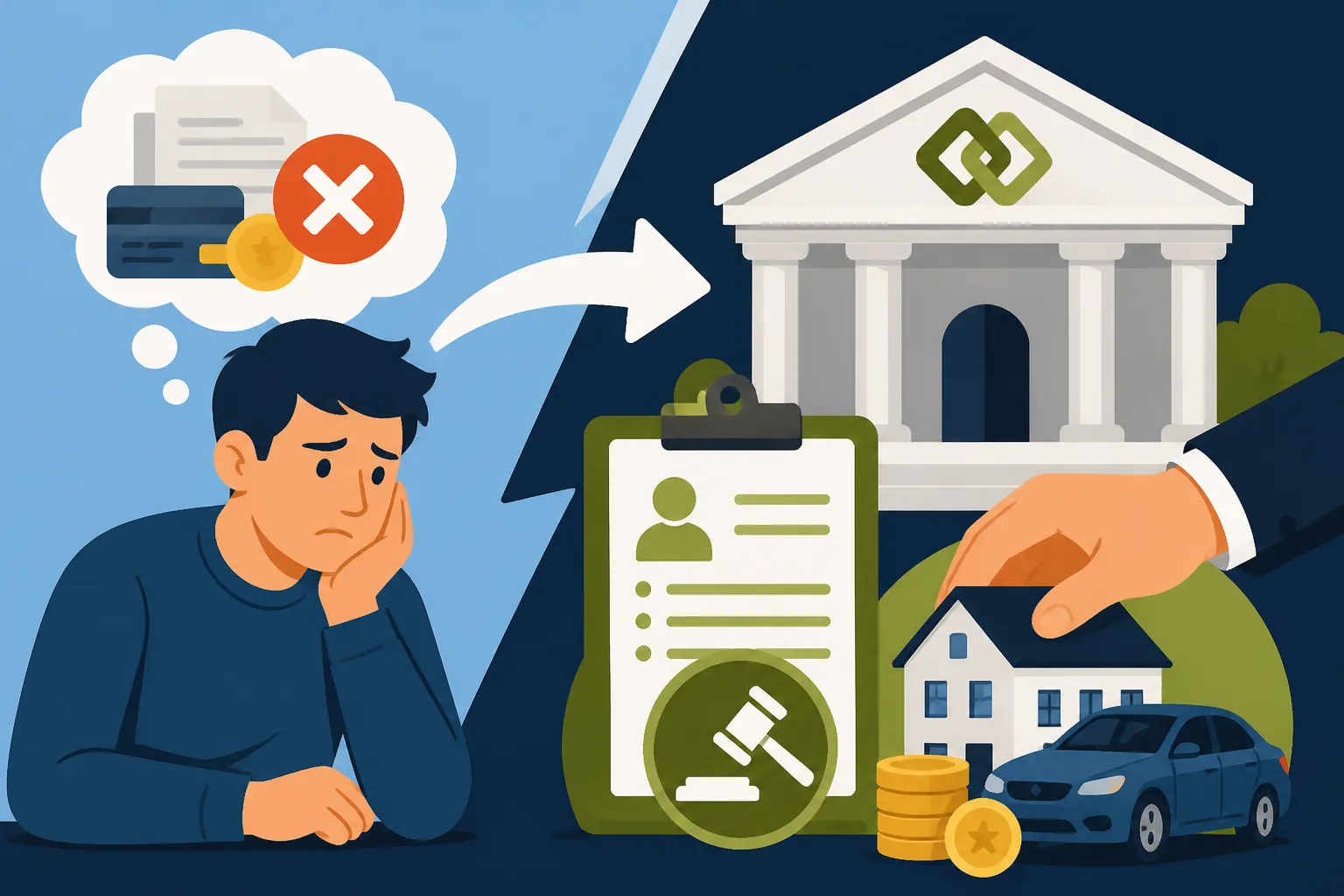
You must understand that Kronofogden is not just another company; they are an extension of the state. They have the legal authority to enter your home, seize your property, and garnish your wages without needing to take you to a traditional court for every single transaction. This efficiency is why Money and Finance in Sweden: A Complete Guide for Foreigners (2027) emphasizes the importance of keeping your address updated with the population register. If a letter is sent to your old address and you don't respond, the system assumes you have been notified, and the clock keeps ticking.
Many foreigners find the lack of "human touch" in this process frustrating. You might feel like a criminal over a 50 SEK invoice that went missing in the mail. It is important to validate that frustration; the Swedish system is designed for a population that has lived with these rules for generations, and it doesn't always account for the logistical chaos of moving between countries. However, being an expat does not grant you a "get out of jail free" card with the Enforcement Authority.
The Timeline of a Debt: From Reminder to Enforcement
A debt does not simply "land" at Kronofogden overnight. There is a very specific sequence of events that usually takes several months to unfold. Understanding where you are in this timeline is the only way to effectively stop the process before it causes permanent damage to your credit score.
The Initial Invoice and Reminders
Everything starts with the original creditor. If you miss a payment, they will typically send at least one reminder (påminnelse). In Sweden, companies are legally allowed to add a statutory late fee (usually around 60 SEK) to this reminder. If you still don't pay, the debt is often handed over to a private collection agency known as an Inkassoföretag. This is still a private matter at this stage, but the fees will jump significantly—usually adding another 180 SEK plus interest.
The Order to Pay (Betalningsföreläggande)
If the inkasso agency cannot get you to pay, they will apply for a "Betalningsföreläggande" from Kronofogden. This is the moment things become official. You will receive a letter containing a "receipt of service" (delgivningskvitto) which you are legally required to sign and return. Signing this does not mean you agree with the debt; it simply confirms you have received the notice. If you don't return it, Kronofogden may eventually send a "server" (delgivningsman) to your home or workplace to hand it to you in person.
The Ten-Day Window
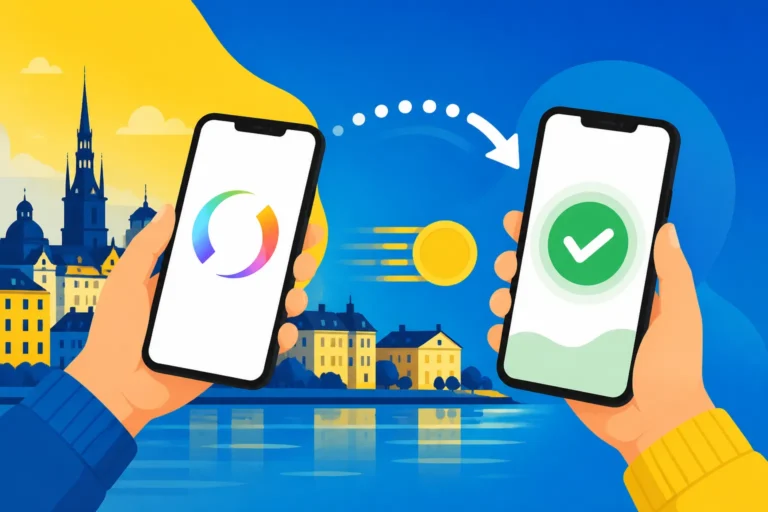
Once you have been served, you generally have ten days to react. You have three choices: pay the full amount (including the now-substantial fees), dispute the debt if you believe it is incorrect, or do nothing. If you choose to pay, you must ensure the money reaches the creditor or Kronofogden immediately. If you are transferring funds from a foreign account to settle a debt quickly, using a service like Wise can be helpful to ensure the exact amount arrives without being eaten by exchange rate fluctuations or hidden bank fees.
The Dreaded Betalningsanmärkning: A Long-Term Scar
The most significant consequence of a debt going to Kronofogden isn't actually the money you owe—it’s the "Betalningsanmärkning" (payment default record). In common expat parlance, this is often called a "prik" or a "mark." This record is not held by Kronofogden itself, but by private credit reporting agencies (like UC) who scrape data from Kronofogden’s public records.
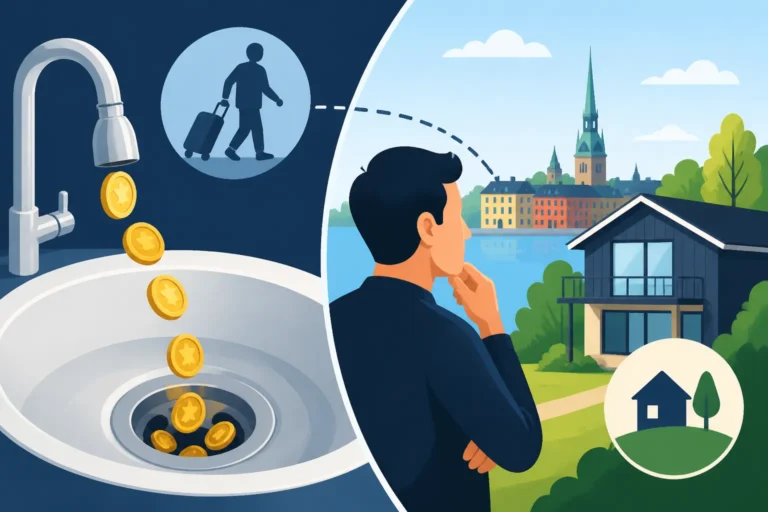
This mark stays on your record for three full years for individuals. During this time, your Swedish financial life will be effectively frozen. You will find it nearly impossible to get a new apartment, as most landlords will see the mark and immediately reject your application. This is a common pain point discussed in Can a Bad UC Score Stop Me Renting an Apartment in Sweden?, where even a single small debt can lead to a flat rejection.
Beyond housing, the record affects your ability to sign a mobile phone contract, take out a loan, or even get a credit card. If you are a new arrival, you might already be struggling with Can I Get a Credit Card in Sweden as a Newcomer?, and a payment default will make that goal unattainable. Even if you pay the debt off the day after the mark is registered, the "scar" remains for the full three years. This is why it is so critical to settle disputes during the Inkasso stage.
| Stage of Debt | Entity Involved | Additional Fees (Approx) | Impact on Credit Score |
|---|---|---|---|
| Initial Invoice | Original Creditor | 0 SEK | None |
| Reminder | Original Creditor | 60 SEK | None |
| Inkasso | Private Agency | 180 SEK + Interest | Minimal (Internal to agency) |
| Order to Pay | Kronofogden | 300 – 680 SEK | Very High (Permanent record) |
| Enforcement | Kronofogden | Variable (Costs of seizure) | Critical (3-year record) |
How Kronofogden Recovers Money: Utmätning Explained
If a debt remains unpaid after the "Order to Pay" has been finalized, Kronofogden will begin the process of utmätning (enforcement/attachment). This is the active recovery of the debt through your assets or income. For an expat, this can be particularly jarring as it feels like an extreme invasion of privacy.
Wage Garnishment (Löneutmätning)
The most common form of enforcement is wage garnishment. Kronofogden will contact your employer and legally mandate that a portion of your salary be sent directly to them before it ever hits your bank account. However, they cannot take everything. They must leave you with a "förbehållsbelopp" (reserved amount), which is calculated based on your rent and a standard "normal amount" for food, clothing, and small expenses. While this ensures you don't starve, it is a very frugal existence that leaves no room for travel or savings.
Seizure of Personal Property
Kronofogden also has the right to seize physical assets. This usually starts with your bank accounts, but it can extend to your car or expensive electronics. If you own your home, they can even force a sale of the property to cover the debt, though this is usually a last resort. For many expats, the threat to their residency status is a major concern. While a debt to Kronofogden isn't a direct ground for deportation, it can complicate the "maintenance requirement" if you are applying for certain permit extensions or permanent residency.
The Role of International Assets
A common question among the expat community is whether Kronofogden can see or touch money in your home country. While they primarily focus on Swedish assets, Sweden has bilateral agreements with many countries for the recovery of debts. Furthermore, if you are moving money between countries to hide it, you could face legal trouble. If you are genuinely struggling to pay a Swedish debt using foreign income, professional services like Taxes for Expats can help you understand how your global financial footprint is viewed by Swedish authorities during these audits.
Contesting a Debt and Protecting Your Rights
You are not powerless in this system. If you receive an Order to Pay for a debt you don't owe—perhaps a scam, a billing error, or a service you never received—you must contest it (bestrida) in writing immediately. Once you contest a debt, Kronofogden cannot issue a payment default record. Instead, the creditor must decide whether to take the case to a district court (Tingsrätten).
When contesting, be specific. Don't just say "I don't want to pay." Say "I contest this debt because the service was never delivered," and provide evidence. If the creditor takes you to court and you lose, you will eventually have to pay, but at least you have prevented an automatic "prik" from being registered during the dispute. This legal nuance is one of the most important things to learn when navigating The Swedish Tax System Explained: Rates, Returns, and Filing and other administrative hurdles.
If you realize you have made a mistake and a mark has been registered incorrectly, you can look into How Do I Remove a Payment Default (Betalningsanmärkning) in Sweden?. It is a difficult process that usually requires the creditor to admit they made a mistake in reporting the debt to Kronofogden, but it is not impossible.
Practical Strategies to Avoid the System Entirely
The best way to deal with Kronofogden is to ensure they never hear your name. This requires a proactive approach to Swedish "post culture." Swedes are obsessed with their mail, and for good reason. As an expat, you should immediately set up digital solutions to ensure you never miss an invoice.
- Kivra: This is a digital mailbox linked to your BankID. Most government agencies and many companies will send your mail here instead of to your physical box. It is the single best tool for avoiding missed payments.
- Autogiro and E-faktura: Never rely on paper bills. Set up How Do I Set Up Autogiro for My Bills in Sweden? for every recurring expense, from your rent to your internet.
- Address Forwarding: If you move, use Adressändring to forward your mail. Do not assume companies will find you.
If you are currently struggling with multiple debts, you may need more than just a payment plan. Sweden offers a process called Skuldsanering (debt restructuring) for people who are "permanently insolvent." This is a five-year "rehab" for your finances where you live on a strict budget, and at the end, your remaining debts are forgiven. If your financial troubles are linked to deeper issues, you might also look into How Do I Access Addiction or Substance-Use Support in Sweden? for holistic help.
Managing cross-border finances can be tricky. If you have international tax obligations that are putting a strain on your Swedish bank account, consulting with Taxes for Expats can ensure you aren't overpaying in one jurisdiction while falling behind in another. Additionally, keeping a buffer in a multi-currency account like Wise can help you settle an unexpected Swedish bill instantly, even if your main salary hasn't arrived yet.
Disclaimer
This guide is intended for informational purposes only and does not constitute legal or financial advice. Debt collection laws and the practices of the Swedish Enforcement Authority (Kronofogden) can change. For specific advice regarding your personal financial situation or a legal dispute, you should consult with a qualified legal professional or a financial advisor specializing in Swedish law. Information regarding third-party services like Wise or Taxes for Expats is provided for context and does not imply a guarantee of service.