Are Mental Health Medications Covered by the Cost Ceiling in Sweden?
Moving to Sweden is an administrative marathon that can leave even the most resilient person feeling frayed. I remember sitting in my empty apartment in Malmö, staring at a half-empty box of antidepressants I had brought from home and panicking about what would happen when they ran out. This guide breaks down exactly how the Swedish high-cost ceiling covers mental health medications and what you will actually pay at the pharmacy counter.
Understanding the Swedish High-Cost Ceiling for Medications
When you first arrive in Sweden, the terminology can be overwhelming. The "Högkostnadsskydd" is the term you will hear most often; it is the national high-cost protection scheme designed to ensure that no one is priced out of essential healthcare. Unlike some countries where mental health is treated as a "specialist" add-on with separate pricing, the Swedish system integrates psychiatric care into the general medical framework. This means that medications for depression, anxiety, ADHD, and other conditions are treated with the same subsidy rules as blood pressure medication or antibiotics.
How the Pharmaceutical Subsidy Works
The pharmaceutical subsidy, known as Läkemedelsförmånen, is a tiered discount system. It is not an "all or nothing" deal. Instead, the more you spend on subsidized medications within a 12-month period, the less you pay out of pocket for each subsequent purchase. This period starts the moment you make your first purchase of a subsidized drug.
For many expats, the initial shock comes at the first pharmacy visit. If you haven't reached any thresholds yet, you pay the full price. However, once your total spend hits a certain level, the discounts kick in automatically. The system is digitally tracked through your Personnummer, so you don’t need to keep a folder of paper receipts. The pharmacy’s computer system knows exactly where you are in your 12-month cycle. To understand the broader context of this system, you might want to read The Högkostnadsskydd Explained: Sweden's Healthcare Cost Ceiling and Frikort.
The Twelve Month Cycle and the Frikort
The "Frikort" or "free card" is the ultimate goal for those with chronic conditions. Once your out-of-pocket spending on subsidized medications reaches 2,850 SEK (the threshold for 2026), you pay zero for the remainder of that 12-month period. This is a massive relief for those managing long-term mental health conditions. I remember the relief I felt when my pharmacist told me my total was "noll kronor." It felt like the system finally had my back.
If you are still in the process of Getting Your Personnummer: The Gateway to Swedish Healthcare, you may find yourself paying full price for a short window. In these instances, having a temporary solution like SafetyWing can provide a safety net for other medical costs while you wait for your Swedish social security number to be activated.
Mental Health Medications and Coverage Eligibility
Not every single pill sold in a pharmacy is covered by the cost ceiling. For a medication to be subsidized, it must be included in the national pharmaceutical benefits scheme. Most standard psychiatric medications—such as SSRIs (like Sertraline or Fluoxetine), SNRIs, mood stabilizers, and antipsychotics—are covered. However, there are nuances that can catch you off guard if you aren't prepared.
Standard Psychiatric Medications and Generic Substitution
Sweden is a huge proponent of generic substitution. When you go to the Apotek with a prescription for a brand-name antidepressant, the pharmacist is legally obligated to offer you the "periodens vara" (the product of the month), which is the cheapest generic equivalent available. If you insist on the brand name, you often have to pay the price difference yourself, and that extra cost does not count toward your high-cost ceiling.
This can be frustrating if you feel that a specific brand works better for you. I’ve had many conversations with doctors trying to explain that a specific generic filler doesn’t sit right with me. If there is a genuine medical reason you cannot use the generic, your doctor must indicate this on the "recept" (prescription) for the subsidy to cover the brand-name version. You can find more detail on this in the guide on Prescription Medicines in Sweden: Recept, Refills, and the Cost Cap.
ADHD Medications and Specialized Prescriptions
ADHD medications, such as Methylphenidate or Lisdexamfetamine, are generally covered by the high-cost ceiling, but the process of getting the prescription is much stricter than for standard antidepressants. These are controlled substances in Sweden. Usually, you need a diagnosis from a Swedish specialist to get these on the subsidized system.
If you are moving from abroad with an existing diagnosis, be prepared for a waiting period. Swedish doctors often want to do their own assessment before taking over the prescription. This is a common pain point for expats. During this transition, some people rely on premium international plans like Cigna Global to cover private specialist visits, which can significantly speed up the initial consultation process compared to the public queue.
| Spending Threshold (SEK) | Discount Applied | What You Pay |
|---|---|---|
| 0 – 1,400 | 0% | Full Price |
| 1,401 – 2,583 | 50% | 50% of the cost |
| 2,584 – 4,142 | 75% | 25% of the cost |
| 4,143 – 6,311 | 90% | 10% of the cost |
| Over 2,850 (Out of pocket) | 100% | 0 SEK (Frikort reached) |
Navigating the System as an Expat
Getting your medication covered isn't just about the money; it’s about the hurdles of the Swedish medical bureaucracy. You cannot simply walk into a pharmacy with a foreign prescription and expect the subsidy to apply—or in many cases, even get the medicine dispensed at all.
From Vårdcentral to Pharmacy
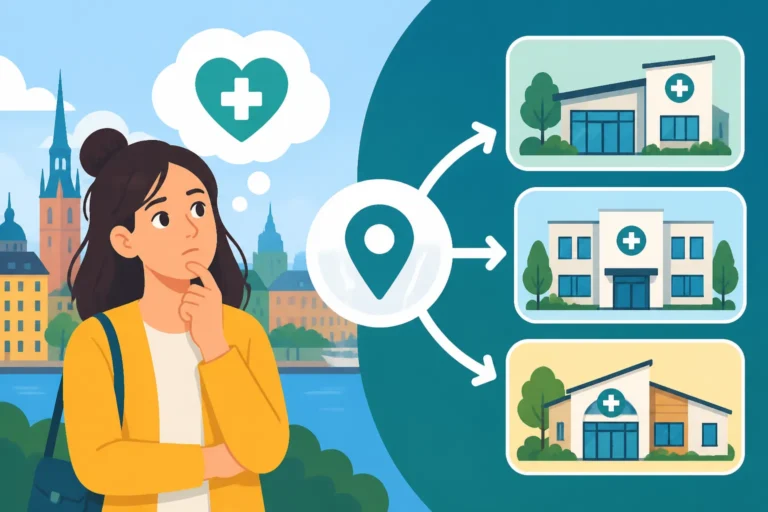
Your journey starts at the Vårdcentral (local health center). You need to register there as soon as possible. Even if you have a life-long history of a mental health condition, the Swedish system requires a local "entry" into your records. When you meet your GP, bring your medical records from your home country, translated if possible.
The doctor will then issue an electronic prescription linked to your Personnummer. Once it's in the system, you can go to any pharmacy in the country—from the huge Apoteket chains to the smaller ones like Apotek Hjärtat—and just show your ID. The subsidy is applied at the point of sale. For a step-by-step on finding your local clinic, check out Mental Health Support in Sweden: Psychologists, Therapy, and Referrals.
Challenges for Newcomers Without a Personnummer
If you are a non-EU citizen waiting for your residency permit or Personnummer, you are in a difficult spot. You are generally expected to have private insurance to cover your costs during this period. Without a Personnummer, you won't be entered into the national high-cost database. You will likely pay the "customer price" (full market rate) for medications.
In this scenario, you should keep every single receipt. Once you are registered in the population register (Folkbokföring), you can sometimes apply for a retroactive reimbursement, but it is a complex process. Many expats find that using a plan from SafetyWing during this "limbo" phase helps manage the risk of high medical bills. For more on the specifics of therapy costs while you wait, see Is Therapy Covered by Swedish Public Healthcare?.
Managing Costs and Expectations
While the high-cost ceiling is generous, there are some costs it simply won't touch. Understanding these gaps is key to budgeting for your life in Sweden.
Non-Subsidized Mental Health Aids
The high-cost ceiling applies to medications, but it often does not apply to "over-the-counter" supplements that a doctor might suggest, or to certain newer, "off-label" treatments. For example, if your doctor suggests specific high-dose Vitamin D or melatonin (which was only recently made more accessible in Sweden), the subsidy might not apply depending on the specific brand or dosage.
Furthermore, if you prefer to see a private psychiatrist to avoid long wait times, the cost of the consultation won't count toward your medication ceiling (though the consultation has its own separate high-cost ceiling for "vård"). If the private doctor is not "ansluten" (connected) to the regional healthcare system, the prescriptions they write might not be subsidized at all. This is a crucial distinction. Always ask your private doctor if their prescriptions are "inom förmånen" (within the subsidy). This is one reason why Private Health Insurance in Sweden: When Sjukvårdsförsäkring Is Worth It is a topic many expats research deeply.
Long-Term Financial Planning for Health
If you are managing a chronic condition, the 2,850 SEK annual cap is very manageable, but you should budget for it as a "front-loaded" expense. Because the 12-month period starts with your first purchase, you might find yourself paying 1,400 SEK in your very first month and then nothing for the rest of the year.
It is also worth noting that the Pharmacies and Prescriptions in Sweden: The Apotek System for Newcomers are excellent at helping you track your spend. You can log into any pharmacy website with your BankID to see exactly how many kronor you have left until your next discount tier. This transparency is one of the better parts of the Swedish system, allowing you to plan your finances without surprises.
Practical Tips for Your First Pharmacy Visit
When you finally head to the Apotek to pick up your first Swedish prescription, keep these tips in mind to ensure the process goes smoothly and you get your subsidies:
- Bring your ID: Your Swedish ID card or a valid passport (if your Personnummer is already linked) is mandatory. The pharmacist cannot access your electronic prescriptions without it.
- Ask about the subsidy: If the price seems unusually high, ask "Ingår det här i högkostnadsskyddet?" (Is this included in the high-cost protection?).
- Check the quantity: In Sweden, doctors often prescribe a 90-day supply. You can only pick up one "uttag" (withdrawal) at a time to have the subsidy apply. If you try to buy a year's supply at once for a trip abroad, you will likely have to pay full price for the portions exceeding the 90-day limit.
- Use 1177.se: This portal is your best friend. You can see your prescriptions, see how much you have paid toward your ceiling, and even message your doctor to request refills.
The Swedish system is built on the idea of "solidarity"—everyone pays a little so that those who need a lot of care aren't ruined by the cost. Once you are inside the system, it provides a level of security that is rare in the world. While the initial paperwork is a headache, knowing that your mental health medications will never cost you more than a few thousand kronor a year provides a peace of mind that is worth the effort of registration.
Disclaimer
The information provided in this article is for general informational purposes only and does not constitute medical or legal advice. Healthcare regulations and subsidy thresholds in Sweden are subject to change. Always consult with a qualified medical professional in Sweden or contact the Swedish Dental and Pharmaceutical Benefits Agency (TLV) for the most current information regarding medication coverage and the high-cost ceiling.