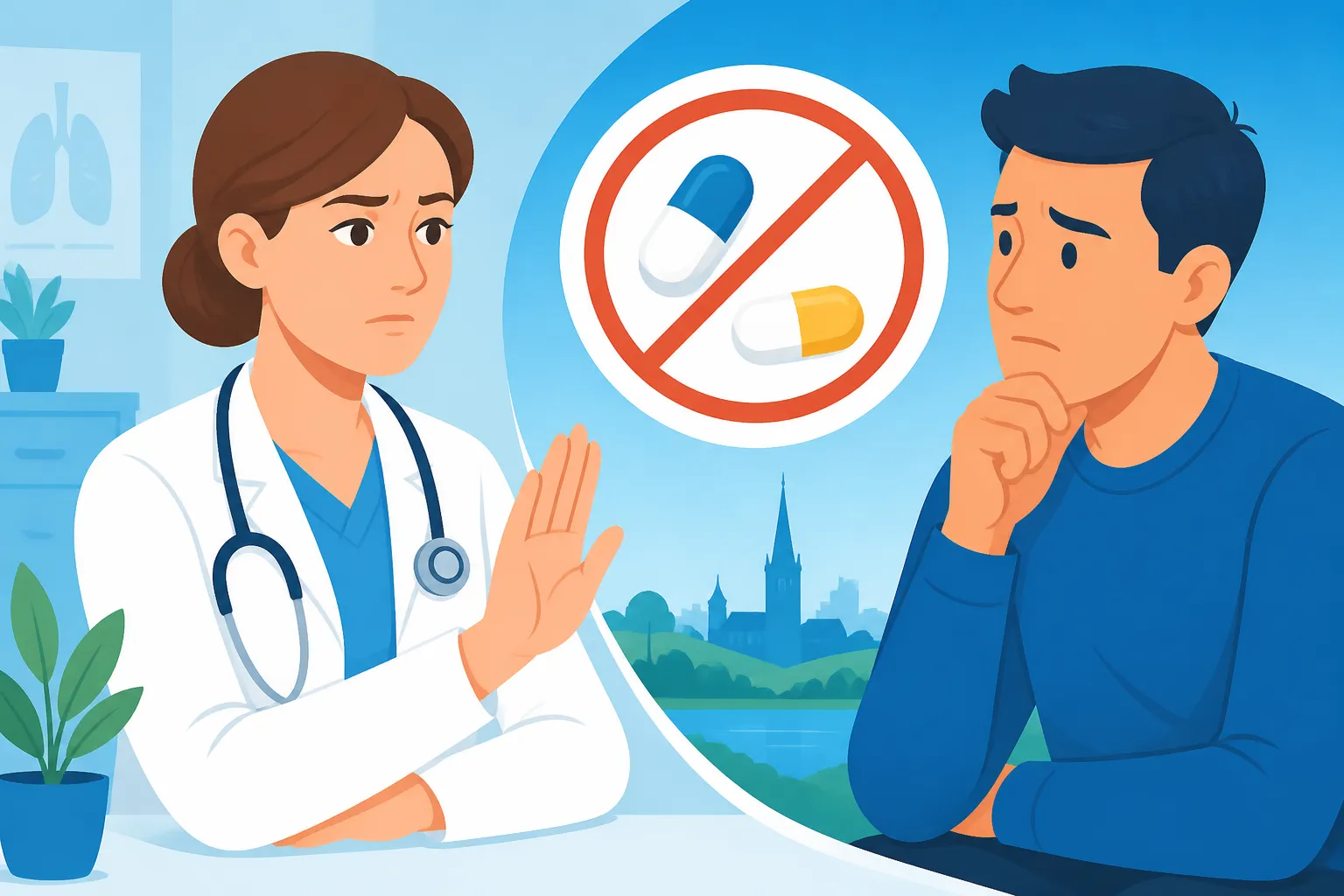
Why Do Doctors in Sweden Seem Reluctant to Prescribe Antibiotics?
You are sitting in a sterile waiting room, shivering with a fever while your throat feels like it is being scraped by sandpaper, only to have a doctor tell you to "go home and drink some tea." I remember my first flu season in Stockholm; I was convinced I needed penicillin, but I left the clinic with nothing but a suggestion for paracetamol. This guide explains why Swedish doctors are so restrictive with antibiotics and how you can navigate the system to get the care you actually need.
The Swedish Philosophy on Antibiotic Stewardship
If you come from a country where antibiotics are handed out like candy for a common cold, your first encounter with a Swedish doctor can feel dismissive, or even negligent. However, it is important to understand that Sweden has one of the world's most proactive and successful programs for "Antibiotic Stewardship." This isn't about saving money; it is a deeply ingrained medical philosophy focused on public health and the long-term efficacy of medicine.
Swedish medical professionals operate under the guidance of Strama (The Swedish Strategic Programme against Antibiotic Resistance). This organization was founded in the mid-1990s when Sweden realized that the rise of "superbugs" or multi-drug-resistant bacteria was a legitimate threat to modern medicine. The Swedish approach is based on the hard scientific fact that antibiotics do absolutely nothing for viral infections. Since the majority of respiratory infections, sore throats, and coughs are viral, a Swedish doctor will almost always default to a "wait and see" approach.
For many expats, this feels like a cultural wall. If you are used to private healthcare systems where the patient is a "customer" who can demand a specific treatment, the public-focused logic of the Swedish system can be jarring. If you have international coverage through a provider like Cigna Global, you might find that private clinics are slightly more attentive to your concerns, but even in the private sector, Swedish medical guidelines regarding resistance are strictly followed. Doctors here take pride in the fact that Sweden has some of the lowest rates of antibiotic resistance in the world, which means that when a Swede actually has a life-threatening infection, the drugs still work.
Understanding the Viral vs. Bacterial Divide at the Vårdcentral
When you finally manage to get an appointment, the process of Registering with a Vårdcentral: Your Guide to Primary Care in Sweden is just the beginning. The doctor's primary goal during your visit is to determine if your infection is bacterial or viral. Unlike some other countries where a doctor might prescribe a "broad-spectrum" antibiotic "just in case," a Swedish doctor will rarely do so without diagnostic proof.
The most common tool they use is the CRP test, often referred to in Sweden as a "snabbsänka." This is a quick finger-prick blood test that measures C-reactive protein levels in your blood. If your CRP is low, it indicates a viral infection, and the doctor will legally and ethically be bound to refuse antibiotics. They will instead point you toward 1177 Vårdguiden: Navigating Sweden's National Health Advice Line and Portal for tips on home care. It can be incredibly frustrating to pay your Patientavgift only to be told to buy over-the-counter medication.
Here is a breakdown of how Swedish doctors typically categorize common ailments and their standard responses:
| Condition | Common Swedish Medical Response | Diagnostic Tool Used |
|---|---|---|
| Common Cold / Flu | Rest, fluids, and Alvedon (paracetamol). | Physical exam / CRP test. |
| Acute Bronchitis | "Wait and see" for 2–3 weeks. | Lung auscultation. |
| Sore Throat | Often viral; antibiotics only for confirmed Strep A. | Throat swab (Streptest). |
| Ear Infection (Adults) | Pain relief; antibiotics only if it persists or worsens. | Otoscopy. |
| Sinusitis | Nasal steroids or saline rinses for the first 10 days. | Physical exam. |
| Urinary Tract Infection | Antibiotics prescribed if symptoms are severe or persistent. | Urine analysis. |
If you are a digital nomad or a frequent traveler using a plan like SafetyWing, you might be tempted to seek a second opinion via a digital health app. While apps like Kry or Doktor.se are convenient, they are also bound by these same national Strama guidelines. They cannot and will not prescribe antibiotics for a cough just because you have a busy week at work.
When Antibiotics Are Actually Prescribed
It is not that Swedish doctors never use antibiotics; they just save them for when they are truly necessary. If your CRP test comes back high, or if a throat swab confirms a streptococcal infection, the doctor will issue an electronic prescription. You won't get a paper slip; instead, your prescription is tied to your identity. This is why Getting Your Personnummer: The Gateway to Swedish Healthcare is so critical; it links your medical records and prescriptions across the entire country.
Once the prescription is in the system, you can visit any pharmacy. Understanding Pharmacies and Prescriptions in Sweden: The Apotek System for Newcomers is helpful here. You simply show your ID (or your residence permit card if you lack a Personnummer), and they will dispense the medication. Most antibiotics in Sweden are "narrow-spectrum," meaning they target the specific bacteria causing your illness rather than killing all the bacteria in your body. This is a deliberate choice to protect your gut microbiome and prevent resistance.
The cost of these medications is also regulated. You should read about The Högkostnadsskydd Explained: Sweden's Healthcare Cost Ceiling and Frikort to understand how the system prevents you from spending too much on medicine in a single year. Even if the doctor is reluctant to prescribe, once they do, the system is designed to make the medication affordable. If you are still in the process of Health Insurance Requirements for Non-EU Residence Permit Holders in Sweden, ensure your policy covers these outpatient costs, as the "safety net" only fully kicks in once you are in the population register.
How to Advocate for Yourself in the Swedish System
If you feel that your condition is being overlooked, there is a way to advocate for yourself without coming across as "drug-seeking." In Swedish culture, being calm and factual is far more effective than being loud or demanding. Instead of saying "I need antibiotics," try describing the duration and severity of your symptoms in a way that triggers their clinical "red flags."
For example, mention if you have had a high fever for more than four days, if you have difficulty swallowing saliva, or if your symptoms improved and then suddenly got much worse (which could indicate a secondary bacterial infection). If you are worried about the wait times, you should familiarize yourself with The Vårdgaranti: Your Right to Timely Care in Sweden. This guarantee states that you should not have to wait more than three days for a primary care assessment.
If you have a complex medical history or a chronic condition that makes you more vulnerable to infections, it is vital to communicate this clearly. Newcomers often struggle with the language barrier, but you can usually Book a Doctor's Appointment in English in Sweden or request an interpreter. Using an international insurance provider like Cigna Global can sometimes allow you to access Private Clinics in Sweden: Faster Specialist Access Outside the Public System, where the doctors might have more time to sit and explain the "why" behind their treatment decisions, even if they still ultimately decide against antibiotics.
For those who are just arriving and perhaps don't have a Personnummer yet, you might wonder Can I See a Doctor in Sweden Before I Get My Personnummer?. The answer is yes, but the process for getting prescriptions is slightly more manual, and you will likely pay a higher fee upfront. Even in these cases, the medical culture remains the same: the doctor will prioritize your long-term health over a quick chemical fix.
The Psychological Impact of the "Wait and See" Approach
The reluctance to prescribe can feel like a lack of empathy. In many cultures, a prescription is a physical manifestation of a doctor's care. Without it, you might feel like your pain isn't being validated. It is helpful to shift your perspective: in Sweden, the doctor's "care" is their expert assessment that your body is strong enough to fight the infection on its own.
They aren't telling you that you aren't sick; they are telling you that antibiotics won't make you get better any faster and might actually cause side effects like nausea or allergic reactions. If you are a parent, this is even more pronounced. Child Health in Sweden: How Barnavårdscentralen (BVC) Supports Families focuses heavily on building natural immunity. It is very common for children to be sent home from the doctor with instructions for nothing more than saltwater nose drops.
If you find the public system too slow or its philosophy too rigid, some expats choose to maintain a policy with Cigna Global or use SafetyWing during their first few months to ensure they have the option to visit private providers who might offer a more "international" style of service. However, keep in mind that the medical board in Sweden is very strict; no doctor wants to be the one flagged for over-prescribing.
Managing Your Health While You Wait
While the doctor is waiting for your "viral cycle" to end, you are still left feeling miserable. The Swedish solution is a combination of high-dose paracetamol (Alvedon) and ibuprofen (Ipren), which are often taken together to manage high fevers. You can buy these at any grocery store or Apotek.
If your condition persists beyond the timeframe the doctor gave you—usually 7 to 10 days for most respiratory issues—do not hesitate to call back. The Swedish system relies on "re-evaluation." If you aren't getting better, the "viral" diagnosis might be wrong, and they will then proceed to more invasive testing. Understanding How the Referral (Remiss) System Works for Seeing a Specialist in Sweden is also useful if your "simple" infection seems to be turning into something more chronic, like recurring sinusitis or tonsillitis.
Ultimately, the "reluctance" of Swedish doctors is a sign of a high-functioning, science-led healthcare system. It takes some time to get used to, but once you understand the logic, you can navigate the Vårdcentral with realistic expectations and a better understanding of how to get the help you need.
Disclaimer regarding medical advice
The information provided in this article is for informational and educational purposes only and does not constitute professional medical advice, diagnosis, or treatment. Always seek the advice of your physician or another qualified healthcare provider in Sweden with any questions you may have regarding a medical condition. Never disregard professional medical advice or delay in seeking it because of something you have read in this guide. Swedish medical practices and regulations, such as the Strama guidelines, are subject to change and may be applied differently based on individual clinical assessments by licensed practitioners.