Can I See a Private Doctor in Sweden to Skip the Waiting List?
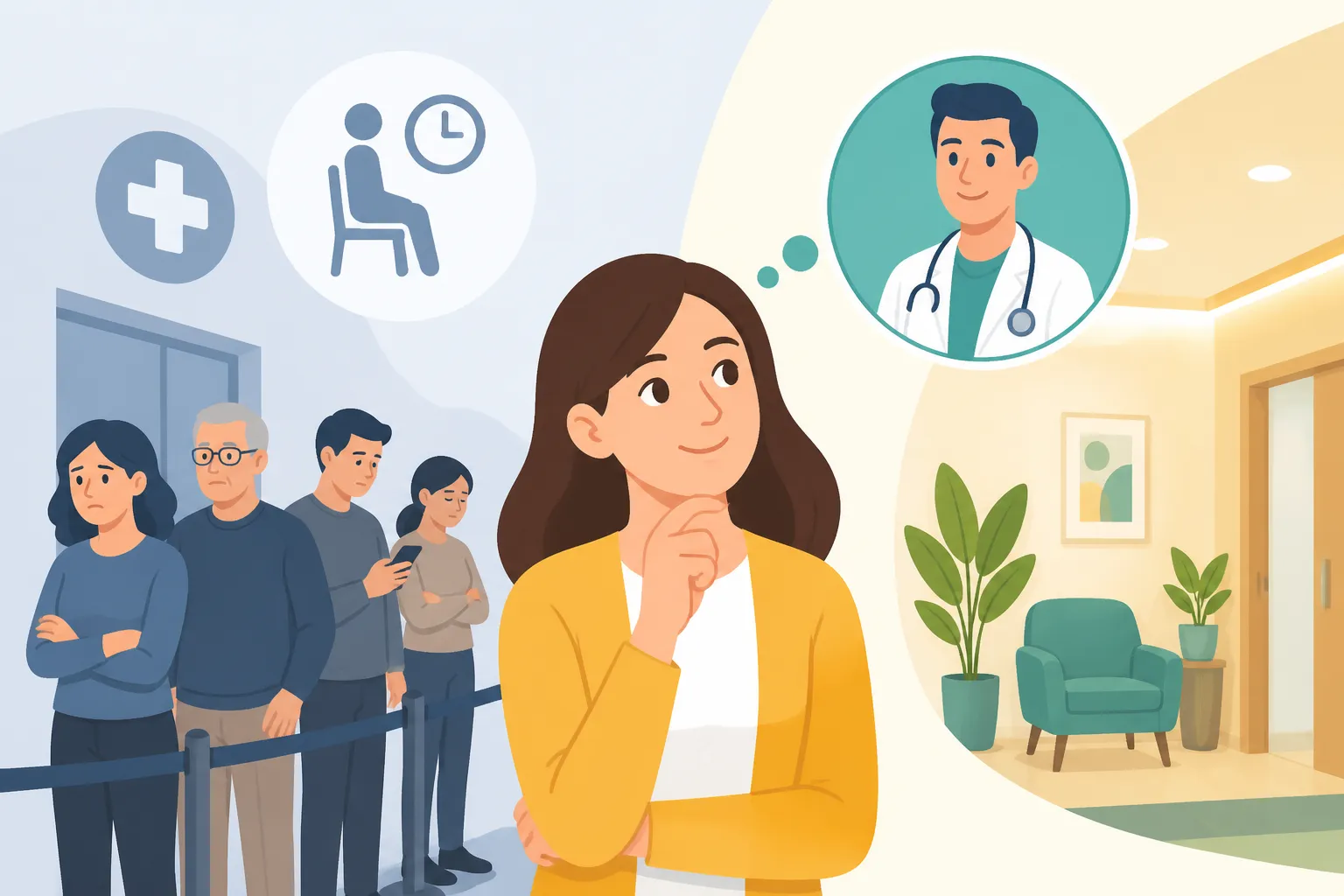
Staring at a calendar for a specialist appointment that is three months away while you are in physical or mental distress is a uniquely isolating experience for any expat in Sweden. I remember sitting in my apartment in Stockholm, clutching a referral that felt like a useless piece of paper because the wait time for a simple diagnostic scan was ninety days. This guide breaks down exactly how to bypass the public queue using private options and whether the out-of-pocket cost is truly worth the speed.
The Reality of the Swedish Healthcare Bottleneck
To understand why you might want to skip the line, you first have to understand how the line is formed. The Swedish healthcare system is world-class once you are actually inside the hospital doors, but the "gatekeeper" model can be incredibly frustrating for those used to more direct access. In the public system, almost every journey begins at your local primary care clinic. You can find more details on this in my guide on Registering with a Vårdcentral: Your Guide to Primary Care in Sweden.
The primary issue many of us face is the "Alvedon culture." It is a common joke among expats that no matter what your symptom is, the first piece of advice from a public doctor is to take paracetamol (Alvedon) and wait two weeks. While this prevents the system from being overwhelmed by minor issues, it can feel dismissive when you know something is wrong. If the doctor eventually agrees you need a specialist, you are entered into the regional queue.
Sweden has something called the "Vårdgaranti" (Care Guarantee), which theoretically mandates that you should not wait more than 90 days to see a specialist or receive treatment. However, as many of us have learned the hard way, 90 days is a long time when you are worried about your health. You can read more about your legal rights under The Vårdgaranti: Your Right to Timely Care in Sweden to see what the state technically owes you.
Going Private: The Two Paths to Faster Care
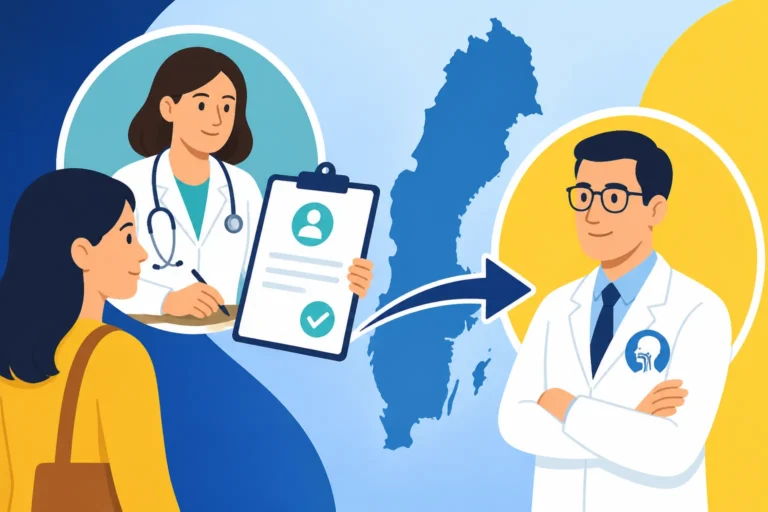
If you decide that you cannot wait for the public system, you have two primary routes to see a private doctor. It is important to distinguish between "private providers" who work within the regional system and "fully private" clinics that operate entirely on fees or insurance.
Paying Out-of-Pocket for Immediate Access
The fastest way to see a doctor is to book an appointment with a fully private clinic and pay the "unsubsidized" fee. In cities like Stockholm, Gothenburg, and Malmö, clinics like Sophiahemmet or various specialist centers offer appointments often within 48 to 72 hours. Unlike the public system, where a visit might cost you 200–300 SEK, a fully private specialist visit can range from 1,500 to 3,500 SEK.
The major advantage here is that you usually do not need a "remiss" (referral) from a GP. You can simply call the clinic, describe your symptoms, and book a slot. For many expats who are still in the process of Getting Your Personnummer: The Gateway to Swedish Healthcare, this is often the only way to get non-emergency care quickly. If you are in this "limbo" period, having a plan from a provider like SafetyWing can be a lifesaver, as they are designed to cover travelers and nomads who might not yet be fully integrated into a national system.
Using Private Health Insurance (Sjukvårdsförsäkring)
A growing number of Swedes and expats use private health insurance to bypass public queues. Often, this is provided as a job benefit, but you can also purchase it individually. These policies ensure that you are seen by a specialist within a few days, often at a private wing of a hospital or a dedicated private clinic.
When I first moved here, I didn't realize that even with private insurance, the quality of medical care is generally the same as the public system—the difference is purely administrative speed and comfort. For those who want the highest level of coverage that works both in Sweden and globally, a policy from Cigna Global is a common choice for high-net-worth expats. They offer the kind of comprehensive care that allows you to choose your doctor and avoid the primary care gatekeeper entirely. If you are considering this, take a look at Private Health Insurance in Sweden: When Sjukvårdsförsäkring Is Worth It for a deeper dive into the costs.
What Do Private Clinics Offer That the Public System Doesn't?
It isn't just about the wait times. There are several qualitative differences when you step into the private sector in Sweden. While public clinics are functional and clean, they can often feel like a high-volume processing center.
Private clinics generally offer:
- Longer Consultation Times: In a public Vårdcentral, you might get 15 to 20 minutes with a GP. Private consultations often last 30 to 60 minutes, allowing for a more thorough history.
- Choice of Doctor: In the public system, you are often assigned whoever is available. Privately, you can research and choose a specific specialist who speaks your language fluently or has a specific sub-specialty.
- Better Digital Integration: While the 1177 Vårdguiden: Navigating Sweden's National Health Advice Line and Portal is excellent, private clinics often have even more streamlined apps for messaging your doctor directly.
- Faster Diagnostics: If you need an MRI, blood tests, or an ultrasound, private clinics often have these facilities on-site or have partnerships that allow for "next-day" testing.
For a more detailed comparison of these services, you might find my article on What Do Private Clinics Offer That Public Healthcare Doesn't in Sweden quite useful. It highlights the specific amenities and service levels you can expect when you decide to pay the premium.
Cost and Access Comparison Table
| Feature | Public Healthcare (Region-funded) | Private Healthcare (Unsubsidized) |
|---|---|---|
| Cost per GP visit | 200 – 300 SEK | 1,200 – 2,500 SEK |
| Wait time (Specialist) | 14 to 90+ days | 1 to 5 days |
| Referral (Remiss) | Usually required | Usually not required |
| Doctor Choice | Limited / Assigned | High / You choose |
| High-Cost Protection | The Högkostnadsskydd Explained: Sweden's Healthcare Cost Ceiling and Frikort applies | Does not apply |
| Accessibility | Available to everyone with a Personnummer | Available to anyone who can pay |
The "Middle Way" Through Digital Providers
In recent years, Sweden has seen a massive rise in digital healthcare providers like Kry or Min Doktor. These platforms occupy a unique middle ground. You can often get a video appointment within an hour. If they are partnered with your region, the cost is the same as a public visit.
However, there is a catch. These digital doctors are great for prescriptions, sick notes, or basic advice, but they cannot perform physical exams. If they determine you need to be seen in person, they will often refer you back to your local Vårdcentral, putting you right back in the queue you were trying to avoid. For newcomers, understanding Finding a Doctor in Sweden: GPs, Specialists, and the Referral System is vital so you don't waste time and money on digital appointments that can't solve your specific problem.
If you are a digital nomad or someone moving frequently, SafetyWing can often coordinate with these types of digital services to ensure you are covered for the "in-person" follow-up, which is a major relief when you are navigating a new city.
Navigating Specialists Without a Personnummer
One of the biggest hurdles for new arrivals is trying to access care before the tax agency (Skatteverket) processes your ID number. Without it, you are effectively "invisible" to the public digital systems. You cannot log in to 1177, and you cannot easily book appointments at a standard Vårdcentral.
In this scenario, private clinics are not just a luxury; they are often a necessity. Fully private clinics will accept you as a patient based on your passport. You will have to pay the full "non-resident" price, but if you have international insurance like Cigna Global, you can usually claim these costs back. This is Can I See a Doctor in Sweden Before I Get My Personnummer? is the most important question to answer before you even pack your bags, as the wait for an ID number can now stretch into several months.
When Is it "Worth It" to Go Private?
Deciding whether to skip the list is a personal choice based on your budget and your health. In my experience, there are three specific scenarios where going private is almost always the better choice:
- Mental Health Support: The public wait for a psychologist or psychiatrist in Sweden can be heartbreakingly long—sometimes six months to a year for non-emergency cases. If you are struggling, paying for a private therapist is an investment in your survival.
- Chronic Pain Management: If you have a back injury or joint pain that is preventing you from working, the 90-day public wait is financially devastating. A private orthopedic specialist can often get you into physical therapy or imaging within the week.
- Second Opinions: If you feel the public GP is stuck in the "Alvedon loop" and isn't taking your concerns seriously, a single private consultation can provide the diagnostic clarity you need to then re-enter the public system with evidence.
For those looking for specific specialists, check out Private Clinics in Sweden: Faster Specialist Access Outside the Public System for a list of reputable centers that cater to the international community.
Practical Steps to Booking a Private Appointment
If you’ve decided to go private, follow these steps to ensure a smooth experience:
- Search for "Privatläkare" + your city: Use terms like "privat specialist" or "utan remiss" (without referral).
- Check for English-speaking staff: Most private clinics in Sweden have extremely high English proficiency, but it’s always worth asking if they have a doctor who is a native speaker if that makes you more comfortable.
- Confirm the price upfront: Ask specifically if the price includes diagnostic tests (blood work, X-rays). Sometimes the consultation is 1,500 SEK, but a simple blood panel adds another 1,000 SEK.
- Ask for a copy of your records: Since private and public systems don't always "talk" to each other perfectly, ensure you get a digital or paper copy of your results to show your public Vårdcentral later if needed.
Living in Sweden is a dream in many ways, but the healthcare wait times are a legitimate culture shock. Whether you rely on the state or choose to supplement with a policy from Cigna Global or SafetyWing, the key is to be proactive. Don't just sit in the queue if your health is deteriorating—there are ways around the system if you know where to look.
Disclaimer
This article provides general information for educational purposes and reflects the personal experiences of expats living in Sweden. It does not constitute professional medical or legal advice. Healthcare regulations and costs in Sweden are subject to regional variations and frequent updates. Always consult with a qualified medical professional or contact 1177 Vårdguiden for specific health concerns and official guidance.