How Do I Find a Paediatrician for My Baby in Sweden?
Navigating the Swedish healthcare system with a newborn can feel like trying to solve a puzzle where all the pieces are labeled in a language you haven't mastered yet. I remember the panic of my first winter in Gothenburg, clutching my coughing infant and wondering why I couldn't just "book an appointment" with a private specialist. This guide will walk you through exactly how child healthcare works here so you can find the right care without the stress.
The Swedish Pediatric Model: It Starts with the BVC
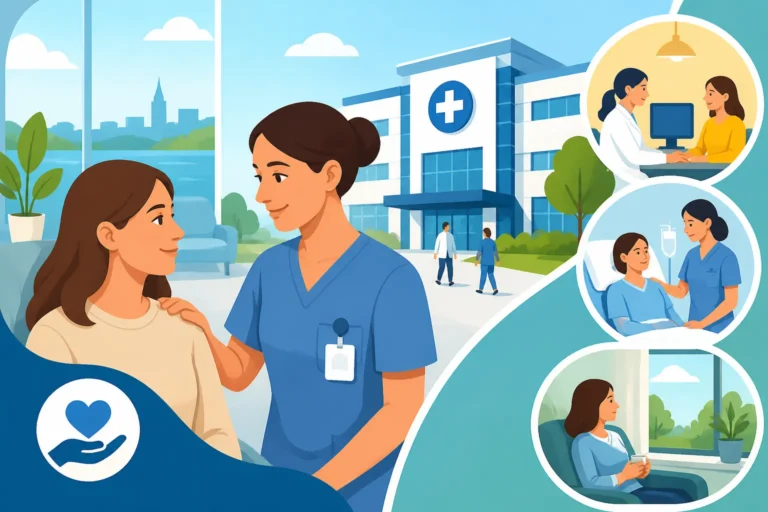
If you are coming from a country where you have a specific "family pediatrician" that you call for every sneeze and check-up, Sweden will be a major cultural shift. In the Swedish system, routine care for children from birth until they start school is handled by the Barnavårdscentralen, commonly known as the BVC. This is a dedicated branch of the healthcare system specifically for child development and wellness.
When you first arrive, your point of contact is not a doctor, but a specialized pediatric nurse. These nurses are the backbone of Child Health in Sweden: How Barnavårdscentralen (BVC) Supports Families. They handle everything from growth measurements and vaccinations to parental support and nutrition advice. I remember being skeptical at first—I wanted a "doctor"—but I quickly realized these nurses have seen thousands of babies and are often more knowledgeable about day-to-day infant health than a general practitioner.
You do not "find" a pediatrician in the yellow pages. Instead, you register at a BVC, which is often attached to a local Registering with a Vårdcentral: Your Guide to Primary Care in Sweden. The BVC nurse acts as the gatekeeper. If your baby has a developmental issue or a medical concern that falls outside the scope of routine wellness, the nurse will then coordinate a visit with a doctor associated with the clinic or provide a referral to a specialist.
Navigating the System Without a Personnummer
One of the most significant administrative hurdles for new arrivals is the wait for the 12-digit personal identity number. I spent months in a "legal limbo" where I lived in Sweden but didn't exist in the digital systems. If you find yourself in this position with a baby, do not panic. Your child is still entitled to healthcare, but the process is manual and requires more patience.
While waiting for Getting Your Personnummer: The Gateway to Swedish Healthcare, you can still contact a local BVC. They will often issue a "reserve number" (reservnummer) for your child so they can track vaccinations and growth. However, because you aren't fully in the system, you may be asked to pay upfront or provide proof of insurance. This is where having a robust international plan is a lifesaver.
Many expats use Cigna Global to bridge this gap, as it provides the comprehensive coverage required to ensure you aren't paying thousands of kronor out of pocket for unexpected specialist visits. For those on shorter assignments or digital nomad visas, SafetyWing is a popular choice for its flexibility and ease of use when dealing with bureaucratic delays. Having these backups means you can focus on your baby's health rather than the mounting paperwork at the reception desk.
Registering Your Baby and Choosing a Clinic
Once you have your paperwork in order, or even while you are waiting, you need to actively choose where your child will be seen. Sweden operates under a policy called Vårdval, which means you have the right to choose your healthcare provider. You are not strictly limited to the clinic closest to your apartment, though most people choose the local option for convenience.
The process of How Do I Register a Newborn for Healthcare in Sweden? is usually initiated automatically if the child is born in a Swedish hospital. The hospital notifies the tax agency (Skatteverket), and a BVC nurse from your local area will typically call you within a few days of coming home to schedule a "home visit." If you moved to Sweden with an infant, you will need to call the BVC yourself to request a "listning" (registration).
I highly recommend visiting a few clinics if you live in a major city like Stockholm or Malmö. Some BVCs are located within large, modern buildings, while others are smaller and more "homey." Since you will be visiting this place dozens of times over the next six years for vaccinations and check-ups, it is worth finding a nurse you feel comfortable speaking English with. Most medical professionals in Sweden speak excellent English, but the rapport you have with your BVC nurse is vital for your peace of mind.
When and Where to Seek Specialist Pediatric Care
There are times when the BVC nurse isn't enough. If your baby is acutely ill—high fever, persistent vomiting, or breathing difficulties—the BVC is not the place to go. The BVC is for wellness; the Vårdcentral or the emergency room is for illness.
If the issue is chronic but not an emergency, you will need to understand How the Referral (Remiss) System Works for Seeing a Specialist in Sweden. You cannot simply call a pediatric cardiologist or an allergist and book an appointment. You must first see a GP (General Practitioner) at your Vårdcentral. They will evaluate your child and, if necessary, write a "remiss." This referral is then sent to a pediatric specialist (Barnläkarmottagning).
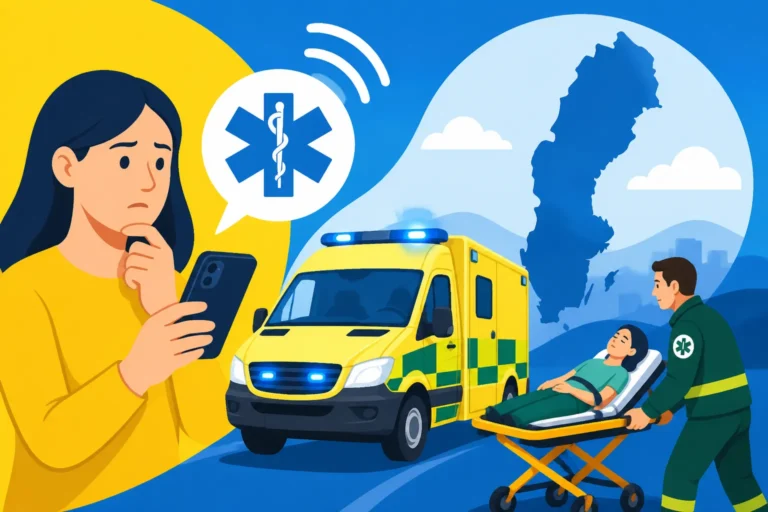
For after-hours concerns that aren't life-threatening, your first call should always be to 1177 Vårdguiden: Navigating Sweden's National Health Advice Line and Portal. This is a 24/7 service staffed by registered nurses who can tell you if you need to go to the hospital or if you can wait until the morning. They are incredibly calm and can often talk you through how to manage a fever at home. If they believe your child needs urgent help, they will direct you to the nearest Emergency Medical Care in Sweden: 112, Akutmottagning, and Urgent Help.
| Care Level | Facility Name | Best For | Access Method |
|---|---|---|---|
| Routine | Barnavårdscentralen (BVC) | Growth checks, vaccines, development | Automatic or self-registration |
| Acute/Minor | Vårdcentral | Ear infections, rashes, mild fevers | Same-day booking (call at 8 AM) |
| Specialist | Barnläkarmottagning | Asthma, allergies, chronic conditions | Requires a "Remiss" (Referral) |
| Urgent | Närakut | Stitches, minor fractures, high fevers | Walk-in or 1177 advice |
| Emergency | Barnakuten | Difficulty breathing, major trauma | Call 112 or go directly |
Managing Expectations: The Swedish "Wait and See"
One of the hardest things for me to adjust to as an expat was the Swedish medical philosophy of "is-i-magen" (having ice in your stomach). Swedish doctors are notoriously conservative with antibiotics and interventions. If your baby has a viral fever, they will almost certainly tell you to give them Alvedon (paracetamol) and wait three days before calling back.
This can feel dismissive when you are a worried parent in a new country. However, this approach is rooted in preventing antibiotic resistance and avoiding unnecessary medical trauma for children. If you feel your concerns are being overlooked, it is helpful to know What Number Do I Call for Non-Emergency Medical Advice in Sweden? to get a second opinion from the 1177 nurses.
If you prefer a more proactive approach or want faster access to specialists without the referral wait, this is where Private Health Insurance in Sweden: When Sjukvårdsförsäkring Is Worth It becomes relevant. While the public system is excellent for emergencies, private insurance can sometimes bypass the "wait and see" periods for non-urgent specialist consultations. Brands like Cigna Global are frequently used by expats who want that extra layer of choice and speed that the public system sometimes lacks.
Practical Tips for Your First BVC Visit
When you finally get that first appointment at the BVC, there are a few practicalities that will make your life easier. First, Swedish clinics are "shoe-free" zones. You will be expected to take your shoes off at the door or put on blue plastic covers. This keeps the floors clean for the babies crawling around.
Second, bring your baby's "Hälsobok" (health book) if you were given one, or ask for one if you weren't. This little book will become the record of every gram your baby gains and every centimeter they grow. It is also where the nurse will record vaccinations. In a digital world, this physical book is still a strangely cherished part of the Swedish parenting experience.
Finally, don't be afraid to ask for an interpreter if you are struggling with the medical terminology. Even if your daily Swedish is okay, discussing your child's health is high-stakes. The BVC is legally obligated to provide an interpreter for free if you need one, though you usually need to request this a few days in advance.
Understanding the Role of the Pediatric Nurse vs. the Doctor
In many countries, a nurse is seen as an assistant to the doctor. In Sweden, the BVC nurse is a highly qualified specialist in their own right. They have undergone years of additional training specifically in child health and psychology. They aren't just checking weight; they are checking social milestones, motor skills, and parental well-being.
During a routine BVC visit, the nurse will:
- Perform a physical examination of the baby.
- Discuss sleeping and eating patterns.
- Administer vaccinations according to the Swedish national schedule.
- Screen parents for postnatal depression (usually around the 6-8 week mark).
A doctor will typically only see your baby at specific milestones—usually at 4 weeks, 6 months, and 12 months—for a more formal check of the heart, hips, and reflexes. Outside of these windows, the nurse is your primary advocate. If you feel something is wrong, convince the nurse first; they are the ones who will make the referral happen.
If you are coming from a system where you see a doctor every month, this can feel like "healthcare lite." But remember, the Swedish system is designed to keep healthy babies out of hospitals so that the specialists are available for the children who truly need them. If you have international coverage through SafetyWing or Cigna Global, you always have the option to seek out a private clinic for a "peace of mind" check-up, though even most private clinics in Sweden still follow the BVC model for routine care.
Important Disclaimer
This guide provides an overview of child healthcare in Sweden based on personal experience and current administrative practices. However, healthcare regulations and regional policies (such as those in Stockholm vs. Skåne) can change. Always consult with a medical professional or the official 1177.se website for clinical advice. The information regarding insurance providers like Cigna Global and SafetyWing is for informational purposes and does not constitute financial advice. For any life-threatening emergency, always dial 112 immediately.