How Do I Find an English-Speaking Therapist in Sweden?
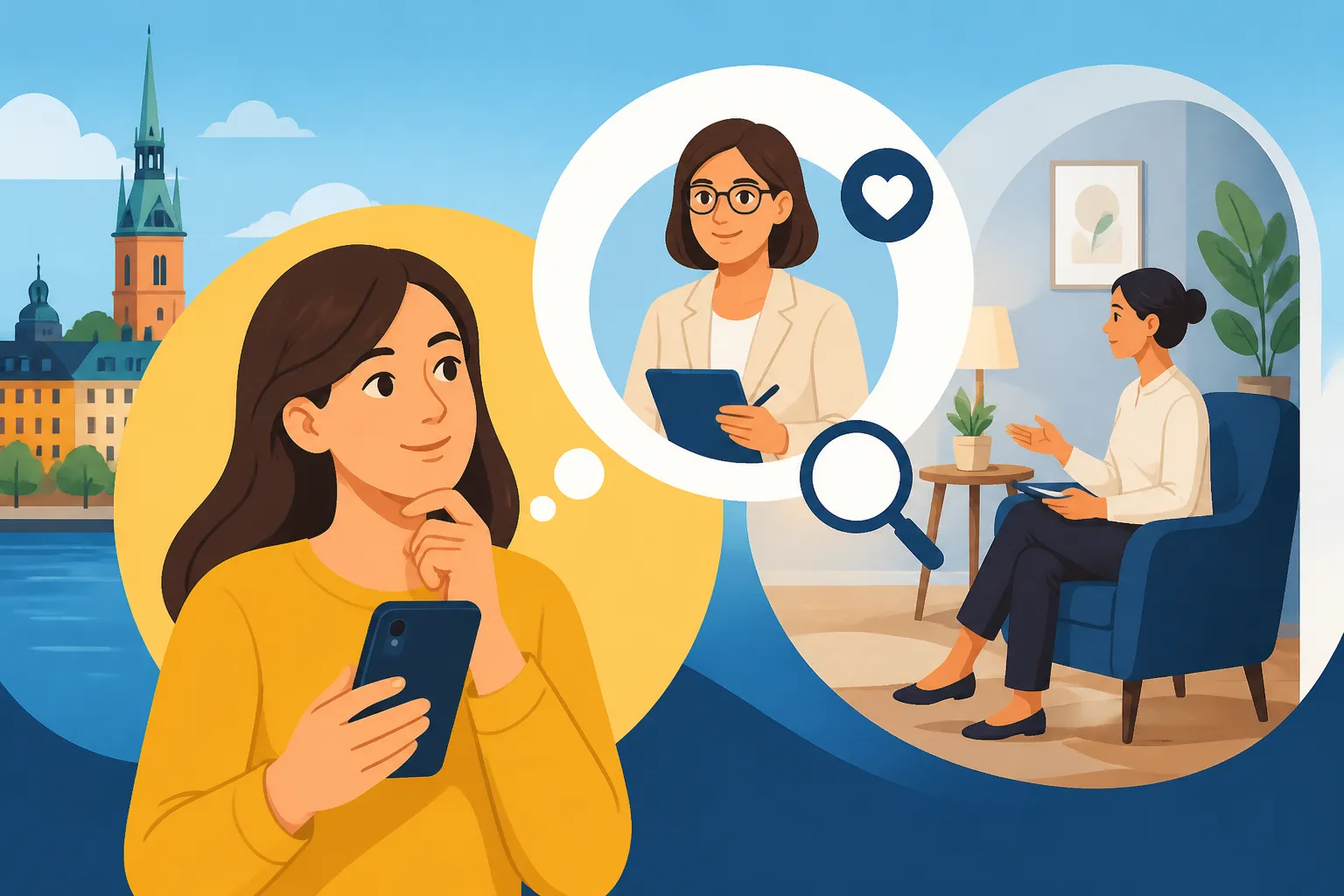
Finding your words in a new country is hard enough when you are ordering coffee, but when you are trying to describe the heavy fog of depression or the sharp edges of anxiety, doing it in a second language can feel nearly impossible. I remember sitting in a sterile waiting room in Gothenburg, rehearsing the Swedish words for "burnout" only to realize that I couldn't truly express my soul without using my native English. This guide is designed to help you navigate the Swedish healthcare maze to find an English-speaking therapist who actually hears you.
Understanding the Public Route through the Vårdcentral
The first thing you need to know is that the public healthcare system in Sweden is designed to be your primary safety net, but it requires a very specific set of keys to unlock. The gateway to mental health support is almost always your local primary care clinic, known as a Vårdcentral. If you are struggling, your first step is to book an appointment with a General Practitioner (GP).
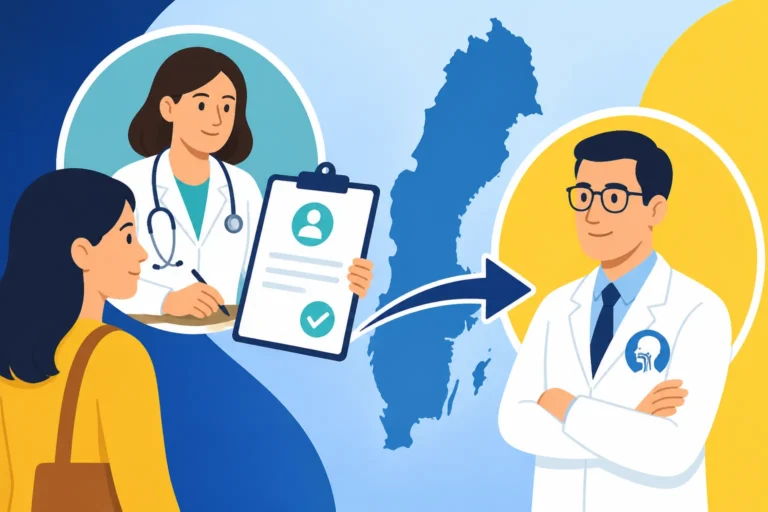
When you sit down with the doctor, you must be incredibly clear about your need for English-speaking care. In my experience, doctors are often quick to suggest Swedish-speaking counselors because the waiting lists are shorter. You have to be your own advocate here. Tell them plainly that for therapy to be effective, you need to communicate in English. The doctor will then issue a "remiss" (referral). This referral is sent to either an in-house counselor at the Vårdcentral or a specialized psychiatric clinic.
One hurdle many newcomers face is the administrative delay. If you are still waiting for your personal identity number, you might feel stuck. However, Can I See a Doctor in Sweden Before I Get My Personnummer? is a common question, and the answer is yes, though it involves more paperwork and potentially different fee structures. Once you have your number, the process becomes smoother as you can begin Registering with a Vårdcentral: Your Guide to Primary Care in Sweden to establish a "home" for your medical records.
The Reality of Waiting Times and the Vårdgaranti
Sweden has a "Care Guarantee" known as Vårdgaranti, which theoretically ensures you see a specialist within 90 days. However, Is the Care Guarantee (Vårdgaranti) Actually Enforced in Sweden? is a topic of much debate among expats. For mental health, "90 days" can feel like an eternity when you are in a crisis.
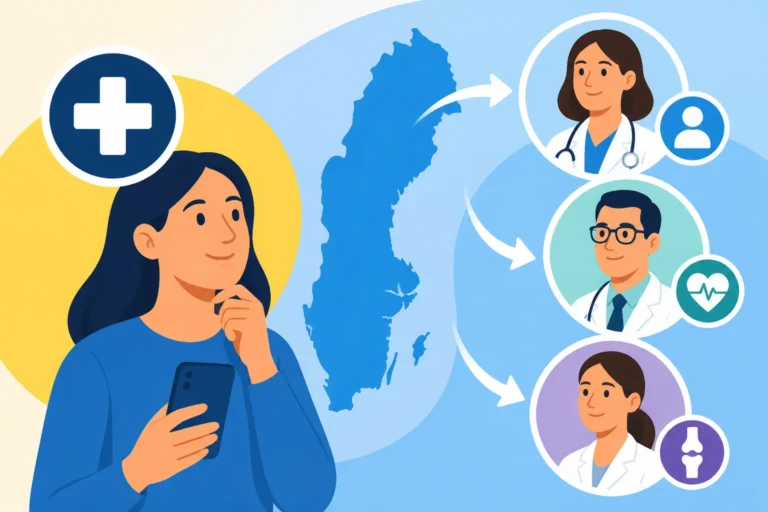
If the public system is moving too slowly, you can use the 1177 portal to check other clinics in your region. Because of "Vårdval" (the right to choose your care provider), you aren't always strictly tied to the clinic closest to your house. If a clinic three towns over has an English-speaking psychologist with a shorter wait, you can often request to be seen there.
Managing Costs with the High-Cost Ceiling
The silver lining of the public system is the cost. Most therapy sessions at a public clinic will cost you a standard patient fee, usually between 100 and 300 SEK. Once you have spent a certain amount in a twelve-month period, you hit the "Högkostnadsskydd." How Does the Högkostnadsskydd Cost Ceiling Actually Work? is essential knowledge for anyone managing a long-term condition, as it essentially makes all further appointments free for the remainder of that year. This makes the public route the most sustainable for those on a tight budget, even if it requires more patience upfront.
Private Therapy and the Digital Alternative
If the public waiting lists are too long, or if you simply want more control over who you talk to, the private sector is a robust alternative. Private therapy in Sweden is high-quality, but it comes at a premium, with sessions often costing between 1,200 and 2,000 SEK. For many expats, this is where international health insurance becomes a lifesaver. Providers like Cigna Global often cover private mental health consultations, allowing you to bypass the public system entirely. Cigna Global is particularly popular among corporate expats who want the flexibility to choose a therapist with a specific cultural background.
Another option for those who are transient or working remotely is SafetyWing. While SafetyWing is often viewed as travel insurance, their "Remote Health" packages are specifically designed for people living abroad who need access to private outpatient care, including mental health support. Having a policy from SafetyWing can mean the difference between waiting six months for a public appointment or seeing a private English-speaking therapist within 48 hours.
Digital Health Apps: Kry, Mindler, and Doktor.se
Sweden is a global leader in digital health. Apps like Mindler are specifically designed for mental health and allow you to browse through profiles of hundreds of psychologists. You can see their specialties, their languages, and their availability.
- Mindler: You can filter specifically for English speakers. The sessions are conducted via video call. If you have a Swedish Personnummer and BankID, these sessions are often subsidized by the state, meaning you only pay the standard 100-250 SEK patient fee.
- Kry: While Kry handles general health, they have a large mental health wing. It is an excellent starting point if you need to talk to someone quickly to get a referral or a prescription.
- Psykologiguiden: This is a database run by the Swedish Psychological Association. It is not an app, but a website where you can search for private practitioners. You can use the "Språk" (Language) filter to select English.
Comparing Your Therapy Options in Sweden
| Feature | Public Vårdcentral | Digital Apps (e.g., Mindler) | Private Private Clinics |
|---|---|---|---|
| Cost | Low (Subsidized) | Low (if you have BankID) | High (1,200+ SEK) |
| Wait Time | Long (Weeks to Months) | Short (Days) | Very Short (Days) |
| Language Choice | Limited | Good | Excellent |
| Referral Needed | Yes (usually) | No | No |
| Insurance | Public (Universal) | Public/Private | Private (e.g., Cigna Global) |
Specialized Services and Support for Specific Groups
Sometimes, the standard GP-to-Psychologist route isn't the best fit. Depending on your age or situation, there might be faster, more specialized ways to get help in English.
Support for Students and Young Adults
If you are a student at a Swedish university, you have access to the "Studenthälsan" (Student Health Service). They are very accustomed to dealing with international students and almost always offer services in English. They deal with everything from exam stress to more serious transitions and "culture shock" issues.
For those under 25, the Ungdomsmottagning is an incredible resource. What Is an Ungdomsmottagning and Who Can Use It? explains that these clinics are free and specifically for young people. They offer counseling, sexual health services, and general support. They are safe spaces where you can almost always find someone willing to speak English, and the barrier to entry is much lower than at a standard hospital.
Mental Health for Newcomers Without Full Documentation
If you are in the "in-between" stage—perhaps you have moved here but are still waiting for the tax agency to process your move—you might only have a Samordningsnummer (coordination number). This can make Mental Health Support in Sweden: Psychologists, Therapy, and Referrals feel out of reach, but you still have rights to care that "cannot be deferred."
If you find yourself in this situation, look for non-profit organizations like "Röda Korset" (The Red Cross) or local church-based organizations. Many of these groups offer "conversational support" (samtalsstöd) in English for free or for a very low donation. While they may not all be licensed psychologists, they provide a vital human connection while you navigate the bureaucracy.
Practical Steps to Find Your Match
Finding a therapist is a bit like dating; the first person you meet might not be the right fit. When you are looking for an English-speaking therapist, I recommend the following step-by-step approach:
- Check your Insurance: If you have Cigna Global or a similar private plan, call them first. They often have a list of pre-approved English-speaking providers in major cities like Stockholm, Gothenburg, and Malmö.
- Use the 1177 Portal: If you have BankID, How Do I Log Into 1177.se with BankID? is the first skill you should master. You can search for clinics, send messages to your doctor, and even book some appointments directly.
- Prepare your "Elevator Pitch": When you finally get that first appointment, don't minimize your feelings. Swedes can be quite stoic, and sometimes you need to be very firm about the impact your mental health is having on your daily life to ensure the referral is prioritized.
- Ask for an Interpreter: If you end up in the public system and the only available specialist has "okay" English but you're worried about nuances, you have a legal right to an interpreter in Swedish healthcare. This is free of charge. However, in therapy, having a third person in the room can be awkward, which is why finding a direct English-speaker is always the preferred route.
If you are ever in a situation where you feel you cannot keep yourself safe, please do not wait for a referral. How Do I Access Mental Health Crisis Support in Sweden? involves going directly to the "Psykiatrisk Akutmottagning" (Psychiatric Emergency Room). They are open 24/7, and you do not need an appointment or a Personnummer to get help in an emergency. You can also call What Number Do I Call for Non-Emergency Medical Advice in Sweden? (1177) and press "2" for the mental health line to speak with a nurse who can guide you to the nearest open facility.
The Importance of Cultural Competency
One thing I've learned after years in Sweden is that "English-speaking" doesn't always mean "culturally equivalent." A Swedish therapist might have a different approach to work-life balance or family dynamics than what you're used to in the US, UK, or India. This is another reason why private platforms and international insurance like Cigna Global can be useful—they often allow you to find therapists who are also expats or who have lived extensively abroad. They understand the specific weight of "Living in Limbo" that comes with immigration.
Private Clinics in Sweden: Faster Specialist Access Outside the Public System are often more attuned to the needs of the international community. They know that we aren't just dealing with general anxiety; we are dealing with the loss of our support networks, the frustration of the Migrationsverket, and the crushing darkness of the Swedish winter.
A Final Word of Encouragement
Seeking help is a sign of strength, especially when you’re doing it in a country that isn't yours. The Swedish system is robust and fair, but it is also bureaucratic and slow. Do not let one "no" or one long waiting list stop you. Whether you go through your local Vårdcentral, use a digital app like Mindler, or utilize a private policy from SafetyWing to see someone this week, the help is there. You just have to keep knocking until the door opens.
Disclaimer
This guide provides general information about navigating the Swedish healthcare system and should not be taken as professional medical or legal advice. Healthcare regulations and costs in Sweden can change frequently. Always consult with a licensed medical professional or contact 1177 Vårdguiden for the most up-to-date information regarding your specific health needs.