The Bostadsrättsförening (BRF) and Your Monthly Avgift Explained
Navigating the Swedish housing market as an expat can feel like a labyrinth, especially when you encounter terms like bostadsrätt and avgift. It's not quite like buying a freehold apartment back home, nor is it simply a rental. The sheer weight of new concepts and the implications for your finances and daily life can be overwhelming. This guide is here to untangle the complexities of the Bostadsrättsförening (BRF) and that seemingly innocuous "monthly fee," the avgift, so you can make informed decisions and understand what you're truly signing up for when you choose to buy in Sweden.
Understanding the Bostadsrätt: More Than Just an Apartment
When you hear "buying an apartment" in Sweden, nine times out of ten, people are talking about a bostadsrätt. But hold on, don't imagine you're simply purchasing bricks and mortar in the way you might in other countries. The concept is uniquely Swedish, and understanding this fundamental difference is crucial.
The Concept of a Bostadsrätt Explained
At its core, a bostadsrätt grants you a long-term right to occupy a specific apartment within a building that is owned by an economic association – the Bostadsrättsförening, or BRF. You’re not buying the physical walls, floor, and ceiling of your unit outright. Instead, you're buying a share, or a membership, in the BRF. This membership comes with the exclusive right to use and live in a particular apartment, along with access to common areas like laundry rooms, bike storage, or perhaps a courtyard. Think of it less as owning a physical asset and more as owning a perpetual lease or a valuable share in a co-operative that, in turn, owns the entire property.
This distinction might sound like semantics, but it has profound implications for your rights and responsibilities. It means that the collective health and decisions of the BRF directly impact your individual investment and living situation. While it provides a sense of security and a stake in the property that a rental doesn't, it also ties you into a community with shared financial and administrative duties.
Why it's Not a Traditional Apartment Purchase
In many parts of the world, when you buy a condominium or an apartment, you own the unit itself, often referred to as freehold ownership. The common areas might be managed by a body corporate or homeowners' association, but the ownership of your dwelling is typically independent. In Sweden, with a bostadsrätt, the BRF owns the entire building and the land it sits on. Your purchase is essentially a right of tenure, a membership share in this association.
This model is a stark contrast to a traditional freehold purchase. It means that while you have significant freedom to decorate and make minor alterations within your apartment, major structural changes, alterations to plumbing, or anything that affects the building's exterior or common systems will require explicit permission from the BRF board. This communal ownership structure aims to ensure the long-term maintenance and value of the entire property for all members. Understanding this is key to successfully navigating the Swedish housing market and appreciating why researching the BRF is as important as falling in love with the apartment itself. To truly understand your options, it's also worth researching the alternative: Renting a Home in Sweden: How the First- and Second-Hand System Works.
The Bostadsrättsförening (BRF): Your New Community and Its Power
When you buy a bostadsrätt, you're not just buying an apartment; you're becoming a member of the Bostadsrättsförening (BRF). This association is the heart of your new home, responsible for everything from financial stability to the mundane details of daily living. For foreigners, this structure can be quite different from what they’re used to, often leading to a sense of being part of a larger, sometimes opaque, entity.
What is a BRF and Its Role?
A BRF is an economic association (ekonomisk förening) whose primary purpose is to provide housing for its members. Essentially, it’s a non-profit entity owned and run by the residents themselves. Its role is multifaceted: it owns and manages the entire property – the buildings, the land, and all common facilities. This includes everything from the roof over your head to the pipes in the walls, the common laundry room, and the green spaces outside. The BRF is also responsible for the association's finances, ensuring there’s enough money for ongoing maintenance, future renovations, and paying off any loans tied to the property.
Crucially, the BRF operates democratically. Every member has a say, typically through voting at the annual general meeting (årsstämma), where important decisions are made and a board is elected. This means you’re not just a resident; you’re an active stakeholder in the community, with both rights and responsibilities that contribute to the collective well-being and value of the property. Ignoring the BRF is like ignoring your landlord, but in this case, you are a part of the landlord.
The BRF Board and Its Responsibilities
The daily operations and strategic direction of the BRF are handled by its board (styrelse). This board is typically composed of fellow residents who volunteer their time, although sometimes external professionals are brought in for specific expertise. Their responsibilities are extensive, covering everything from financial management – setting budgets, managing loans, deciding on the avgift – to overseeing property maintenance, planning major renovations, and enforcing the association's bylaws (stadgar). They are also the first point of contact for member issues, questions, and approvals for apartment alterations.
Being on the board is a significant commitment, and their competence directly affects the BRF's stability and your property's value. It’s why participating in annual meetings and understanding who is on the board and what their vision is can be so important. You have the right to contribute, and your involvement can shape the future of your living environment. Many expats find joining the board a steep learning curve due to the language and legal specifics, but it's a powerful way to integrate and understand your new home.
The BRF's Financial Health: A Critical Factor
Before you even think about buying a bostadsrätt, you absolutely must dive deep into the BRF’s financial health. This isn't just a suggestion; it's a golden rule in the Swedish housing market. Why? Because you are buying into an association, its debt is effectively your debt, and its financial stability directly impacts your monthly avgift and the long-term value of your investment. A BRF with high debt, poorly managed finances, or significant upcoming renovation costs can quickly turn your dream apartment into a financial nightmare.
Key indicators to scrutinize include the BRF’s total debt per square meter, the interest rates on its loans (especially if many are about to mature and need renegotiating in a high-interest environment), the status of its renovation fund, and its overall income and expenditure. You should also check the årsredovisning (annual report) for any planned major renovations, as these often lead to avgift increases or new loans for the association. Don't be shy about asking the real estate agent for the latest annual report, and if your Swedish isn't up to par, find a trusted friend or professional to help you understand it. It can feel like wading through treacle, but it is genuinely worth the effort.
Here’s a table of key financial metrics to look for when evaluating a BRF:
| Metric (Swedish Term) | What it Means | Why it Matters |
|---|---|---|
| Debt per sqm (Skuld per kvm) | The BRF's total debt divided by the total area of its apartments. | A lower figure is generally better. High debt means higher interest costs, which are covered by your avgift. Compare with similar BRFs in the area. |
| Interest Rate on Loans (Ränta på lån) | The average interest rate the BRF pays on its loans. | If many loans have fixed rates about to expire in a rising interest rate environment, expect the avgift to increase. |
| Renovation Plan (Underhållsplan) | A long-term plan (typically 10-50 years) for major maintenance and renovations. | Shows proactive planning. Check if it's funded; unfunded plans mean future loans or avgift increases. |
| Cash Flow (Kassaflöde) | The movement of money in and out of the BRF. | Positive cash flow indicates healthy operations and the ability to cover expenses. |
| Yield from Commercial Premises (Intäkter från lokaler) | Income generated from renting out shops or offices within the building. | Diversifies income, can help keep avgift lower. |
| Energy Performance Certificate (Energideklaration) | Assesses the building's energy consumption. | A good energy rating means lower heating costs for the BRF, which impacts your avgift. |
Understanding these figures is essential for anyone looking into Buying Property in Sweden as a Foreigner: A Complete Guide. Don’t just rely on the mäklare’s (estate agent’s) summary; dig into the raw numbers.
The Monthly Avgift: What You Pay and Why
The avgift is arguably the most misunderstood aspect of bostadsrätt ownership for newcomers. It’s often mistakenly called "rent," but it's far more complex and critically important to your long-term financial planning. This isn't just money disappearing; it's the lifeblood of your entire housing association.
Deconstructing the Avgift: What's Included?
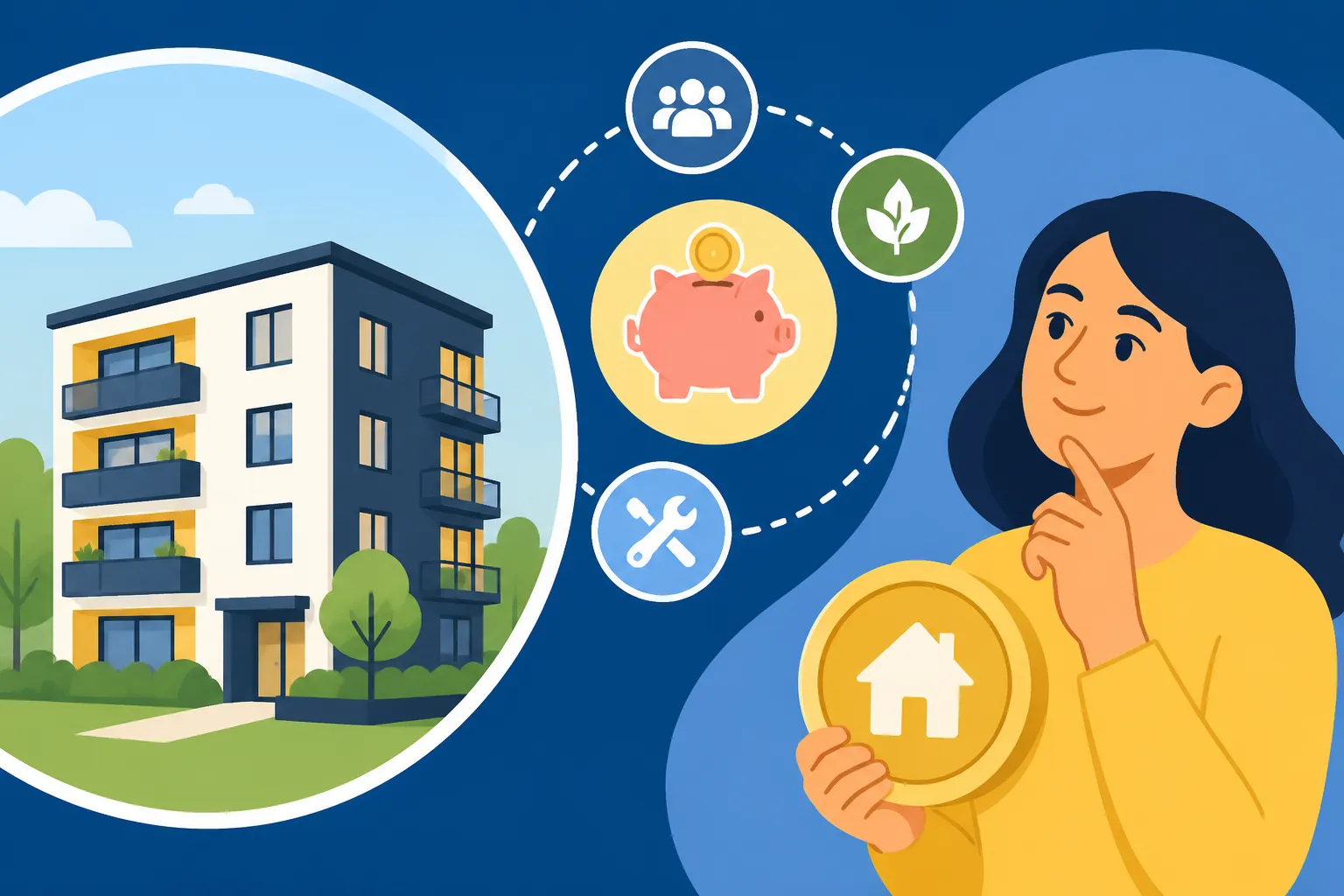
Your monthly avgift is the fee you pay to the BRF to cover its operating costs and shared expenses. It’s not a profit-making venture for the association; rather, it’s a collective contribution to maintain the property you are all invested in. Typically, the avgift includes a significant portion dedicated to servicing the BRF's loans – the money borrowed to purchase the property or undertake major renovations. It also covers ongoing maintenance and repairs for the common areas, the building's exterior, and shared systems like the roof, facade, and common laundry facilities.
Beyond debt and maintenance, the avgift often covers heating, water consumption (though sometimes water is measured individually and billed separately), garbage collection, building insurance, and administrative costs. Crucially, your personal electricity consumption and internet service are almost always billed separately directly to you, the resident. So, while the avgift takes care of a lot, remember you'll still have those individual utility bills on top. Make sure to factor this into your monthly budget, alongside potential mortgage repayments if you've taken out a How Mortgages (Bolån) and the Amortisation Requirement Work in Sweden.
Factors Influencing the Avgift's Size
The size of your avgift isn't arbitrary; it's a careful calculation based on several dynamic factors. The most significant factor is the BRF's overall debt level. A highly indebted association will naturally have higher interest payments, leading to a larger avgift for its members. The age and condition of the building also play a crucial role; older buildings might require more frequent and costly maintenance or large-scale renovations (e.g., pipe replacements, roof repairs), which can drive up costs.
Furthermore, the extent of common facilities can influence the avgift. Does your BRF boast a guest apartment, a gym, a sauna, or a communal workshop? While these amenities are lovely, they come with maintenance and operating costs. The energy efficiency of the building directly impacts heating expenses, a major component of the avgift, especially during Sweden's long winters. Finally, broader economic conditions, particularly interest rates, have a direct and immediate impact. If the BRF's large loans are up for renegotiation when interest rates are high, an avgift increase is almost inevitable.
Avgift Increases and How to Prepare
No one likes to see their monthly costs go up, but avgift increases are a reality of bostadsrätt ownership in Sweden. They typically occur for a few key reasons: the BRF needs to finance a major renovation project, interest rates on the association's loans have increased, or general operating costs (like electricity for common areas, water, or insurance) have risen due to inflation. The BRF board is responsible for proposing and deciding on these increases, usually after careful financial planning and consideration of the association's long-term needs.
As a resident, you'll usually be informed in advance, often through the annual general meeting minutes or direct communication from the board. While you have a right to question and understand the reasons, as a member of the association, you are bound by its decisions. It's vital to factor in the possibility of avgift increases when you're budgeting, especially if the BRF's financial report indicates upcoming major projects or significant loans with variable interest rates. Being proactive and understanding the BRF's finances can help mitigate the shock and allow you to prepare your personal finances for any changes.
Rights and Responsibilities as a Bostadsrätt Owner
Owning a bostadsrätt is a unique blend of personal autonomy and collective responsibility. It grants you significant freedom over your immediate living space, but it also ties you into a democratic community with its own set of rules and obligations. Knowing where these boundaries lie is essential for a harmonious life in your new Swedish home.
Your Rights Within the BRF
As a member of the Bostadsrättsförening, you have distinct rights that ensure your voice is heard and your interests are represented. Foremost among these is your voting right at the annual general meeting (årsstämma). This is where major decisions about the BRF's finances, future plans, and board elections are made. Your vote matters, and attending these meetings is your direct way of influencing the association's direction. You also have the right to access comprehensive information about the BRF's financial health, maintenance plans, and operational decisions. The årsredovisning (annual report) is a key document for this, providing transparency on how the association is run.
Within your own apartment, you have the right to decorate, paint, and make minor alterations without needing board approval. You can change your kitchen cabinets, repaint walls, or upgrade your bathroom fixtures (as long as it doesn't involve moving pipes or major structural work). This autonomy over your interior space is one of the main appeals of a bostadsrätt over a rental, giving you a true sense of home ownership within your four walls.
Your Responsibilities and Obligations
With rights come responsibilities, and as a bostadsrätt owner, you have several key obligations to your BRF and your fellow residents. The most obvious is the timely payment of your monthly avgift. Failure to do so can lead to severe consequences, including ultimately losing your right of tenure. Beyond financial contributions, you are responsible for the interior maintenance of your apartment. This includes everything from fixing leaky taps and repairing damaged flooring to ensuring proper ventilation. The BRF maintains the exterior and common systems, but the inside is yours to care for.
Furthermore, you are expected to abide by the BRF's bylaws (stadgar) and house rules (ordningsregler). These rules cover everything from noise levels and waste sorting to the use of common areas like laundry rooms or courtyards. Major renovations within your apartment that involve structural changes, alterations to load-bearing walls, or modifications to plumbing or electrical systems require explicit approval from the BRF board. Neglecting to get approval can lead to costly corrective measures and disputes. Embracing these responsibilities is part of being a good neighbor and maintaining the value of the collective property.
Subletting Your Bostadsrätt: The Rules
Life as an expat often involves travel or temporary moves, making the option to sublet your bostadsrätt an attractive prospect. However, this is one area where the BRF’s authority is particularly strong. You absolutely cannot sublet your apartment without the express permission of your BRF board. This is a fundamental rule, and violating it can lead to severe penalties, including the forced termination of your bostadsrätt (i.e., you lose your apartment).
To get approval, you typically need to present a valid reason for subletting, such as working or studying in another city or abroad, living with a partner, or a trial period before moving in permanently. The board will also consider the duration of the sublease, usually granting approval for a maximum of one year at a time, with potential for extension if the reason remains valid. They want to ensure the building remains a community of owners, not just a collection of short-term rentals. If you are considering this, refer to specific guidance on Is It Legal to Sublet an Apartment in Sweden?. When seeking tenants for an approved sublet, platforms like Spotahome can connect you with reliable renters, often fellow expats or students, ensuring a smoother process. Remember, even when subletting, you remain fully responsible to the BRF for the avgift and for ensuring your tenant adheres to the house rules.
Practical Advice for Foreigners Navigating the BRF System
For foreigners, the process of buying a bostadsrätt and understanding the BRF can feel like a gauntlet. The language barrier, the unfamiliar legal structures, and the sheer volume of documentation can be daunting. But with the right approach and a bit of perseverance, it's entirely manageable.
Essential Documents to Scrutinise Before Buying
Before you commit to purchasing a bostadsrätt, there are several key documents you must examine with a fine-tooth comb. These aren't optional extras; they are the bedrock of your understanding of the BRF and your future home.
- Årsredovisning (Annual Report): This is the holy grail of BRF information. It details the association's financial status for the past year, including income, expenses, debt levels, renovation funds, and future plans. Look for trends over several years – is the avgift steadily increasing? Are they taking on significant new loans? What are the key figures in the table above telling you? This document will reveal if the BRF is financially robust or treading water.
- Stadgar (Bylaws): These are the constitution of the BRF. They outline the rules governing membership, the board's responsibilities, voting procedures, and, crucially, what you can and cannot do with your apartment (e.g., rules around subletting, major renovations).
- Energideklaration (Energy Performance Certificate): This document provides information on the building's energy consumption. A good rating can indicate lower heating costs, which translates to a more stable avgift and a more environmentally friendly home.
- Mäklarens Beskrivning (Broker's Description): While useful for apartment specifics, remember this is a marketing document. Always verify information against the official BRF documents.
Reading through these can feel like a chore, especially if your Swedish is still developing, but they are indispensable. Don’t hesitate to ask your mäklare (real estate agent) for assistance in understanding them, or even better, enlist a Swedish-speaking friend or a legal professional.
Getting Help and Understanding the Lingo
One of the biggest frustrations for expats settling in Sweden is the language barrier, especially when dealing with official documents and administrative processes. The BRF system is no exception. Swedish is the official language for all BRF communications, meeting minutes, and legal documents. It’s absolutely okay to feel overwhelmed by the technical jargon – andelstal, pantsättning, besiktning, stämma, stadgar – these are not everyday words even for many Swedes!
Don't suffer in silence. Leverage your network: ask Swedish colleagues, friends, or language exchange partners for help translating and explaining complex sections of the annual report or bylaws. Many real estate agents are used to working with international clients and can offer explanations in English, but always double-check important details. Consider hiring a property lawyer or a financial advisor with expertise in Swedish bostadsrätt law if you're making a significant investment and feel uncertain. Remember, the goal is to fully understand what you're buying into, not just to sign on the dotted line. This is also true when getting Your UC Credit Score: How It's Calculated and Why It Matters or understanding other financial services.
Building a Digital Life: Mobile and Internet for Your New Home
Moving into your bostadsrätt isn't just about the physical space; it's about establishing your entire life in Sweden, and that heavily relies on connectivity. Setting up your electricity contract, often separate from the avgift, is a key first step, but just as vital is getting your broadband and mobile service running smoothly. While the BRF avgift might cover basic cable TV in some cases, your personal internet connection is almost always your responsibility.
Sweden is a highly digital society, and reliable internet is a necessity for everything from banking with BankID to working remotely and staying connected with loved ones. Before you move in, check which internet providers service your building, as some BRFs have bulk agreements that can offer better rates. Setting up your internet usually involves choosing a provider and potentially scheduling an installation. For immediate connectivity upon arrival, especially if you're still waiting for your Personnummer or Swedish bank account, an eSIM from a provider like Airalo can be a lifesaver, giving you instant mobile data without needing a physical SIM card or a long-term contract. This way, you can research local services, navigate, and communicate while you sort out your permanent solutions. Make sure to consult guides like Getting Broadband and Mobile Service in Sweden and How Do I Set Up Electricity (El-avtal) in Your Swedish Home for detailed steps. Don't forget to also consider Home Insurance (Hemförsäkring): Why It's Essential in Sweden as your BRF's insurance covers the building, not your personal belongings or liability.
Disclaimer
The information provided in this guide is intended for general informational purposes only and does not constitute legal, financial, or real estate advice. While we strive to provide accurate and up-to-date information, the Swedish housing market, regulations, and financial conditions are subject to change. Always consult with qualified professionals, such as real estate agents, lawyers, or financial advisors, for advice tailored to your specific situation before making any property-related decisions in Sweden.