Can I Get a Credit Card in Sweden as a Newcomer?
Oh, the Swedish credit card saga! It's one of those uniquely frustrating experiences newcomers often face, feeling stuck in a financial chicken-and-egg situation. You need a credit card for convenience, for online purchases, or just to feel "normal," but Sweden's banking system seems to throw up every possible barrier. If you've just arrived and are wondering how on earth to get your hands on a piece of plastic that actually offers credit, you're not alone. This guide will walk you through the realistic hurdles and practical steps to navigate the world of Swedish credit cards as a fresh-faced expat.
The Unique Challenges of Securing a Credit Card in Sweden as a Newcomer
Let's be brutally honest: getting a traditional credit card in Sweden when you've just moved here can feel like trying to open a jar of surströmming with your bare hands – nearly impossible and quite smelly (figuratively, of course). The Swedish banking system operates on a very different premise than many other countries, placing a huge emphasis on established residency, a local credit history, and a stable, long-term connection to the country. This can be a real shock if you're coming from a place where credit cards are handed out like candy.
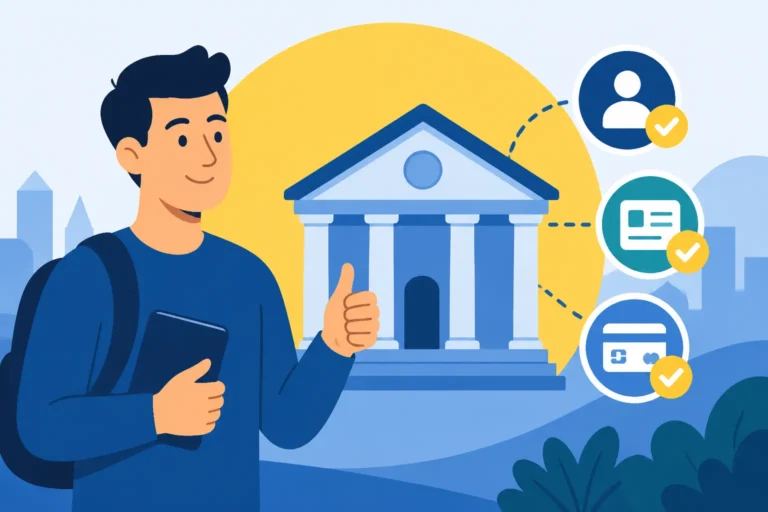
The primary gatekeeper to almost everything financial in Sweden is your personnummer. Without this ten-digit identification number, which essentially confirms your registration in the Swedish population register (folkbokföring), banks will often view you as a temporary visitor, even if you have a valid residence permit. They simply cannot properly identify you or check your financial standing in the way their systems are designed to operate. This means that even if you have a fantastic credit score in your home country, it often counts for absolutely nothing here. Sweden's credit assessment agencies, like UC (Upplysningscentralen), only track information on individuals and companies within Sweden, using your personnummer as the central identifier. Your global financial reputation means very little until you build one locally.
Beyond the personnummer, Swedish banks are incredibly risk-averse. They want to see a history of stable income from a Swedish employer, a consistent address, and a track record of paying bills on time within Sweden. This isn't just a preference; it's deeply embedded in their lending practices and regulatory framework. For many newcomers, especially those on temporary work or study permits, demonstrating this long-term stability and local financial history is a significant hurdle. It's not personal; it's just how the system is wired. So, before you even think about applying, understand that you're playing a long game.
The Unspoken Prerequisites: What Banks Really Look For
So, what exactly do Swedish banks scrutinize when you daringly approach them for a credit card? It boils down to a few key pillars of financial stability and integration that are often just assumed if you're a native Swede but require active effort for an expat.
The Power of the Personnummer and Folkbokföring
As mentioned, your personnummer is the absolute bedrock. Without it, you’ll struggle to even open a basic bank account, let alone apply for credit. This unique identifier links you to the tax agency (Skatteverket), social insurance agency (Försäkringskassan), and critically, the credit reporting agencies. If you haven't already, your first priority should be to secure your Getting Your Personnummer: The Gateway to Swedish Healthcare. It's a game-changer for practically all administrative and financial aspects of life in Sweden.
Once you have your personnummer, you need to be officially registered in the Swedish population register, known as folkbokföring. This means your address is formally recorded with Skatteverket. Being folkbokförd signals to banks that you are a genuine resident, not just a transient visitor. They can then access your basic details, including your declared income and any potential debts, through public records and credit checks. The deeper your integration into the Swedish system, the more the banks will trust you. Many newcomers make the mistake of thinking just having a permit is enough, but official registration is a separate, vital step. This also ties into how your income tax is managed – a topic that can feel daunting, but resources like The Swedish Tax System Explained: Rates, Returns, and Filing can help demystify it, further establishing your financial footprint.
Stable Income and Employment in Sweden
Swedish banks want to see a steady, documented income stream from a Swedish employer. Ideally, this means a permanent employment contract (tillsvidareanställning) or at least a long-term contract that demonstrates financial stability. They'll ask for proof of income, typically payslips (lönbesked) from the last few months. If you're self-employed, it becomes significantly harder, as demonstrating consistent income and stability can be more complex, requiring a longer track record of business success in Sweden.
The amount of income also plays a crucial role. While there's no official public minimum for a credit card, banks generally look for a comfortable income well above the basic cost of living. This shows them you have the capacity to repay any credit extended. They'll factor in your existing housing costs and other declared expenses, so having a realistic budget and understanding the Budgeting for the Real Cost of Living in Sweden can help you assess your own financial standing before applying.
Building a Local Credit History (UC Score)
This is often the biggest sticking point. Even with a personnummer and a good job, if you don't have a history of borrowing and repaying money in Sweden, your credit score (often referred to as your UC score, after the main credit reporting agency) will be low or non-existent. Swedish banks heavily rely on this score to assess risk. They want to see that you’ve managed loans, paid bills, or even handled smaller installment purchases responsibly over time.
There are no shortcuts here. Your excellent credit history from the US, UK, or anywhere else doesn't transfer. It’s a clean slate. You build this by:
- Consistently paying rent and utility bills on time (though these often aren't reported to UC in the same way as loan payments).
- Taking out small loans, like an installment plan for a new phone or a small consumer loan, and repaying them flawlessly.
- Having a salary deposited into a Swedish bank account regularly, demonstrating a consistent financial relationship with a local institution.
It's a process that takes time, usually at least 6-12 months, often longer, to build a perceptible credit history that banks will consider. Understanding Your UC Credit Score: How It's Calculated and Why It Matters is vital to grasp this aspect fully.
Practical Steps to Apply and Secure a Credit Card
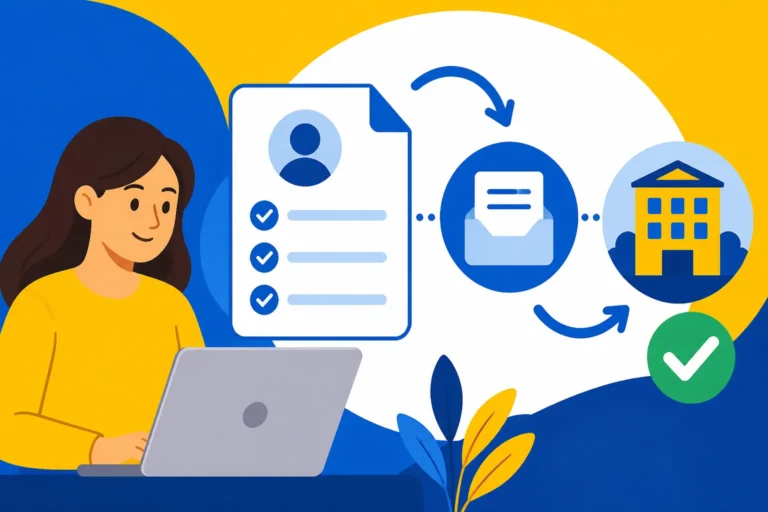
Assuming you've got your personnummer and are folkbokförd, and have started building some kind of financial stability in Sweden, it's time to approach the banks. Be prepared for a mixed bag of responses, but persistence and the right approach can sometimes pay off.
Starting with Your Current Bank Relationship
Your best bet is usually the bank where you already have your primary account, where your salary is paid, and where you've established some history. Major banks like Swedbank, SEB, Handelsbanken, and Nordea are generally the main players, and they often prefer to lend to their existing customers. If you’ve been diligently managing your finances with them for a year or more, paying bills via Autogiro or E-faktura, and keeping your account in good standing, you’re in a much better position.
Go in person if possible, especially if your Swedish isn't fluent yet. While many bank staff speak excellent English, a face-to-face meeting can sometimes help humanize your situation beyond what an online form can convey. Explain your situation: you have stable employment, you're looking to build your Swedish financial footprint, and you want a credit card. Don't be shy about asking if there are any options available for someone in your situation. Sometimes, they might offer a very low credit limit initially or suggest alternatives.
Exploring Specific Card Types and Alternatives
Traditional credit cards with revolving credit can be the hardest to get. However, there are a few other options to consider that might be more accessible:
- Debit Cards with Credit Features (Betalkort med Kreditutrymme): Some banks offer cards that primarily function as debit cards (drawing directly from your account) but have a small, pre-approved credit line that can be used if you overdraw. These are not true credit cards in the traditional sense, but they can offer a small buffer and might be easier to obtain. Ask your bank specifically about betalkort med kreditutrymme or kontokort med kredit.
- Secured Credit Cards (Säkerhetskort): While less common in Sweden than in, say, the US, some smaller banks or credit unions might offer a secured credit card. This is where you deposit collateral (e.g., SEK 10,000) into a blocked account, and you get a credit card with a limit equal to or slightly less than that deposit. It's a way for banks to reduce their risk, and it can be a good way to build a credit history if you can find one. Ask your bank if they have any such products or can recommend an institution that does. These are generally not advertised broadly.
- Company Credit Cards: If your employer provides a company credit card, this can be a huge relief, as it bypasses your personal credit history entirely. However, remember this is for company expenses, not personal use.
- Prepaid Cards: These aren't credit cards at all, but they function like a loaded debit card. You load money onto them, and you can only spend what you've put in. Companies like Wise offer multi-currency debit cards that are excellent for international transactions and general spending. While they don't help build credit, they're a fantastic practical solution for everyday spending and can be useful for managing funds when you're also dealing with international income or transfers. For managing your income or moving money internationally before you're fully set up, services like Wise can be invaluable.
- Store-Specific Credit Cards or Payment Plans: Sometimes, you might find it easier to get a store-specific credit account (e.g., for furniture or electronics) with a low limit. While these aren't general-purpose credit cards, successfully managing and repaying these can contribute positively to your UC score over time. Be careful not to take on too many, though.
Table: Comparison of Card Types for Newcomers in Sweden
| Card Type | How it Works | Ease of Access for Newcomers (with Personnummer) | Credit Building Potential | Benefits & Drawbacks |
|---|---|---|---|---|
| Debit Card | Funds deducted directly from your bank account. | High | None | Essential for daily life; widely accepted; no debt risk. |
| Debit Card with Credit | Primarily debit, but offers a small, pre-approved credit buffer if account is empty. | Medium to High | Minimal | Small safety net; easier to get than full credit card. Limited credit. |
| Traditional Credit Card | Bank extends a line of credit, repayable monthly. | Low to Medium (requires history) | High | Flexible spending, consumer protection, builds strong credit history. Hard to get initially. |
| Secured Credit Card | You provide collateral (e.g., deposit), bank issues card with that limit. | Low (rarely offered by major banks) | High | Builds credit safely; requires upfront deposit, tying up funds. |
| Prepaid Card | Load money onto the card, spend what you loaded. | Very High | None | No credit checks; useful for budgeting/travel; not a true credit solution. |
The Importance of Försäkringskassan Registration
While not directly related to credit cards, being registered with Försäkringskassan, the Swedish Social Insurance Agency, is another layer of integration that signals long-term intent and stability. This means you're part of the social welfare system, contributing to and eligible for benefits like sick pay (sjukpenning) or parental leave (föräldrapenning). This comprehensive integration helps create a picture of a settled, responsible resident. You can read more about it here: Registering with Försäkringskassan: When and Why You Need To. For those dealing with international tax complexities, especially in your first few years, understanding where your tax residency lies and how it impacts your income is crucial. Consulting specialists like Taxes for Expats could provide clarity on how your global earnings are viewed in Sweden, which implicitly helps your financial profile.
Building Your Financial Future and Improving Your Chances
Patience is truly a virtue when it comes to Swedish banking. While it might not happen overnight, you can actively work towards improving your financial standing and increasing your chances of getting a credit card down the line.
Cultivating a Strong Banking Relationship
Stick with one primary bank and channel all your Swedish finances through them. Your salary, bill payments, savings – let it all go through the same institution. Over time, this builds a clear picture of your financial habits and reliability. Banks value loyalty and a consistent track record. Make sure you regularly use BankID: Sweden's Essential Digital Identity for various online transactions, as this further strengthens your digital presence and relationship with your bank.
Consider asking your bank if they have any "starter" products or services that can help you build credit. Even if it's a small loan that you repay quickly and perfectly, it can make a difference. Many banks offer personal loans (privatlån) for various purposes, and while it might seem counterintuitive to take a loan just to get a credit card, responsibly managing such a loan can significantly boost your creditworthiness for future applications.
Consistent Employment and Income Growth
The longer you are employed in Sweden with a stable income, the better your chances become. Promotions, salary increases, and continuous employment contracts all contribute positively to how banks perceive your financial capacity. If you've been working for several years, always paying your taxes and bills on time, you're becoming an ideal candidate. Remember, your tax declarations are public information, so maintaining a clear and consistent financial record with Skatteverket is important.
If you are changing jobs, ensure there are no significant gaps in employment that could raise red flags. Continuous, stable employment is paramount. Even if you're working with a company that has international offices, establishing your local Swedish income and tax contributions is key. Companies like Taxes for Expats are helpful here to ensure all your earnings are correctly declared within the Swedish system, reinforcing your local financial stability.
The Power of the Long Game: Time and Tenacity
Ultimately, the most powerful tool you have is time. The longer you live in Sweden, the more you establish your residence, your employment, your income, and your bill-paying habits, the better your credit profile will become. It's frustrating to hear, especially when you need a credit card now, but it's the reality of the Swedish system. Don't let initial rejections deter you. Use them as motivation to solidify your financial foundations here.
Keep monitoring your credit score, if you can. While direct access isn't as prevalent as in some countries, understanding How Do I Improve My Credit Rating in Sweden? works can guide your actions. Make sure you're paying all bills, including your rent and utilities, on time, every time. Avoid any betalningsanmärkning (payment defaults) at all costs, as these can severely damage your ability to get any form of credit for years.
In the meantime, embrace the excellent Swedish debit card system, the prevalence of Swish for instant payments, and if you need international money solutions, leverage services like Wise for efficient transfers without hefty bank fees. These tools are often more than sufficient for daily life and can tide you over until you successfully secure your very own Swedish credit card.
Disclaimer
Please remember that I am an expat blogger, not a financial advisor or legal expert. The information provided in this guide is based on general experiences, public knowledge of the Swedish financial system, and current regulations. Banking policies, individual requirements, and economic conditions can change. Always consult directly with banks, financial institutions, or qualified advisors for personalized and up-to-date information regarding your specific situation.