How Long Can I Live Outside Sweden with Permanent Residence?
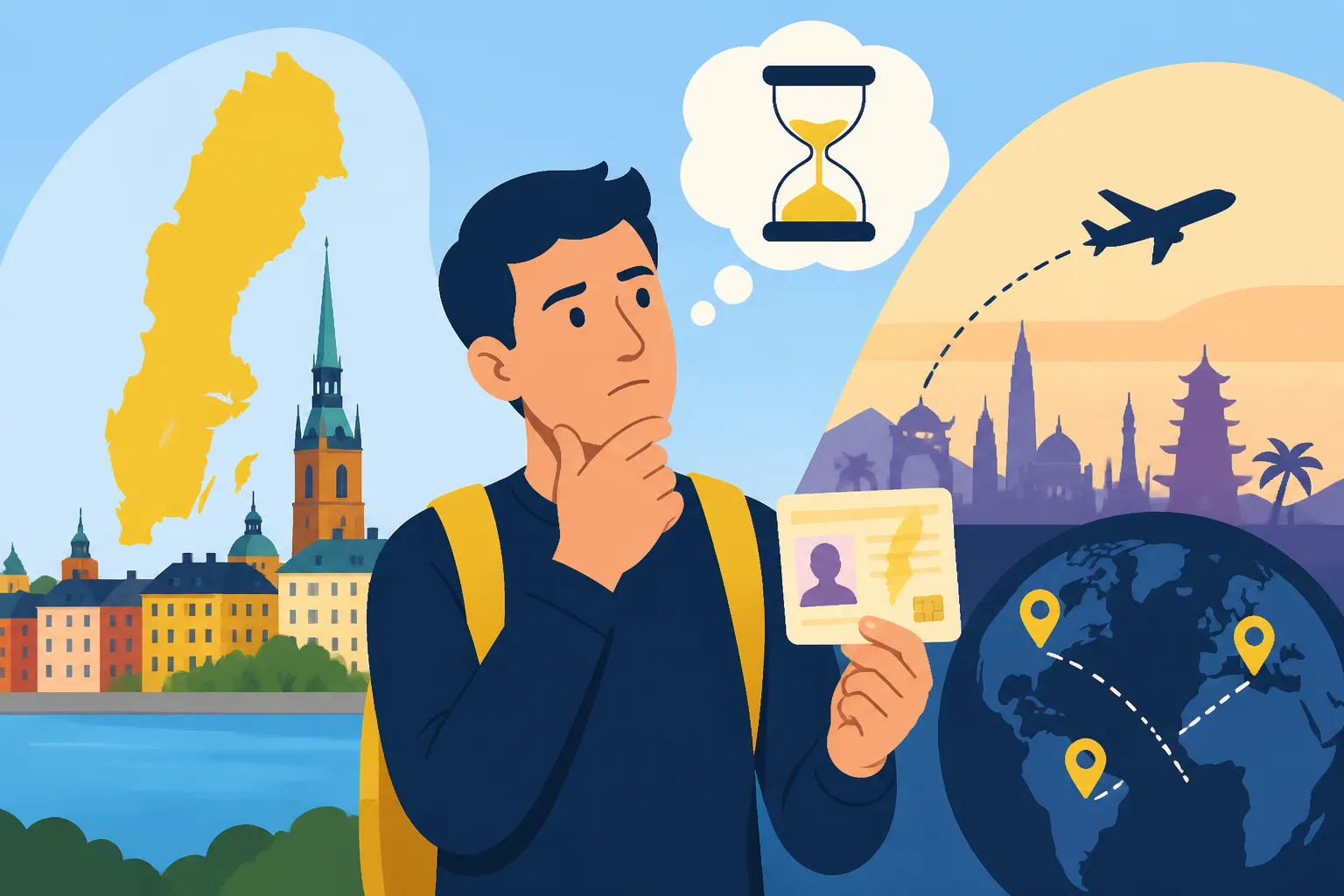
The question of how long you can truly live outside Sweden once you've secured that coveted permanent residence permit is one that keeps many expats up at night. It's not just about jetting off for a long holiday; it's often about family emergencies, unique work opportunities abroad, or even just needing a break from the endless winter. This guide will meticulously break down the rules set by Migrationsverket, what constitutes "living outside Sweden," and how you can proactively protect your precious PR status.
The Core Principle: Sweden's Two-Year Rule for Permanent Residence
Navigating the intricacies of Swedish immigration law can feel like trying to solve a Rubik's Cube blindfolded, and the rules around maintaining permanent residence (PU, permanent uppehållstillstånd) are no exception. At its heart, Sweden operates on a "two-year rule" when it comes to long absences for those with permanent residence. This isn't just a suggestion; it's a legal cornerstone.
Essentially, if you, as a permanent resident, leave Sweden and remain outside the country for a continuous period of two years, your permanent residence permit will generally cease to be valid. Migrationsverket, the Swedish Migration Agency, assumes that if you're gone for that long, your intention to reside permanently in Sweden has changed. This rule is designed to ensure that permanent residence is granted to individuals who genuinely intend to make Sweden their long-term home.
Now, let's unpack what "leaving Sweden" truly means in this context. It's not just about physically crossing the border. The crucial element here is your intention to reside. If you leave Sweden for a temporary assignment abroad, a long sabbatical, or even an extended family visit, but your intention remains firmly rooted in returning to Sweden and continuing your life here, that's a different scenario than if you pack up all your belongings and move indefinitely to another country. However, Migrationsverket doesn't read minds. They assess your intention based on your actions and, critically, your folkbokföring (population registration) status.
The two-year clock typically starts ticking from the day you leave Sweden. If you make short, sporadic visits back to Sweden during this period, it generally won't "reset" the clock, especially if those visits are not indicative of a genuine return to live here. For instance, flying back for a week over Christmas each year while living and working full-time elsewhere will not usually be seen as breaking the continuous two-year absence. The agency is looking for actual, genuine establishment of life back in Sweden.
The implications of your PR ceasing to be valid are significant. It means you would no longer have the automatic right to live and work in Sweden. Should you wish to return, you would likely need to apply for a new residence permit from scratch, based on the current rules and requirements applicable at that time. This could mean reapplying for a work permit, a family permit, or another type of permit, effectively erasing your years of progress towards establishing your life here. Understanding the fine print and being proactive is absolutely vital.
Beyond Two Years: Applying to Retain Your Permanent Residence
The good news, or perhaps the slightly less anxiety-inducing news, is that the two-year rule isn't an absolute guillotine. There's a mechanism in place to request an extension or, more accurately, to apply to retain your permanent residence even if you plan to be outside Sweden for longer than two years. This is done through a special application to Migrationsverket, known as an ansökan om bibehållande av uppehållstillstånd.
To get this approved, you need to demonstrate one of two things: either you have "particularly strong ties" to Sweden, or there are "special reasons" for you to be allowed to retain your permit. This isn't a rubber stamp; Migrationsverket will scrutinize your situation closely.
What constitutes "particularly strong ties" to Sweden?
This is where you need to build a compelling case. Migrationsverket looks at a holistic picture, but some key factors include:
- Family: Do you have immediate family (spouse, children, etc.) who remain folkbokförd and actively living in Sweden? Strong family ties are often a cornerstone of a successful application.
- Property Ownership: Do you own property (a house or a bostadsrätt) in Sweden that you intend to return to? This shows a tangible commitment.
- Continued Tax Payments/Economic Ties: Are you still paying taxes in Sweden, perhaps on rental income from property, or are you maintaining significant investments here?
- Employment: Do you have an employment contract with a Swedish employer that is simply paused or allows for remote work from abroad, with a clear intention to return to a physical presence in Sweden?
- Social & Cultural Integration: While harder to quantify, maintaining memberships in Swedish associations, holding a Swedish ID card, and actively using Swedish services (like healthcare during visits, even if you're not folkbokförd) can demonstrate ongoing ties.
What about "special reasons"?
This category is broader and more flexible, but also requires very strong justification. It could include situations like:
- Serious illness: You or a close family member requires long-term medical treatment abroad that is not available or suitable in Sweden.
- Unforeseen global events: A major geopolitical crisis or pandemic that prevents your timely return to Sweden.
- Specific academic pursuits: Undertaking a unique research project or educational program abroad that is directly beneficial to your professional life back in Sweden, with a clear endpoint.
When preparing your application, be prepared to submit extensive documentation. This includes proof of your ties (property deeds, marriage certificates, birth certificates, bank statements, tax documents, employment contracts), and any official documents supporting your special reasons (medical certificates, university acceptance letters). If you have documents in another language, remember they usually need to be officially translated into Swedish or English by a certified translator. Services like RushTranslate or Translayte can be invaluable for ensuring your documents meet the rigorous standards of Migrationsverket. Don't underestimate the importance of clear, accurate translations; a misunderstanding could easily lead to a rejection.
It's crucial to submit this application before you've been outside Sweden for two years. Waiting until the last minute, or even after the two-year period has elapsed, significantly weakens your case and makes approval highly unlikely. This process is about demonstrating proactive intent to maintain your connection to Sweden, even when physically absent.
| Criteria | Explanation & Examples |
|---|---|
| Family Ties | Spouse, children, or registered partner (sambo) who are still folkbokförd in Sweden. Proof includes marriage/birth certificates, shared addresses, school enrollment for children. |
| Property Ownership | Owning a house, apartment (bostadsrätt), or other significant real estate in Sweden. Submit property deeds or lagfart (title deed). |
| Economic Ties | Continuing to pay Swedish income tax (e.g., on rental income), maintaining active Swedish bank accounts, significant investments in Swedish companies, or a Swedish pension that you continue to contribute to. Provide tax returns, bank statements. |
| Employment/Education | A valid employment contract with a Swedish employer where you are temporarily assigned abroad, or a clear agreement for remote work with an intent to return. Enrollment in a Swedish educational institution that requires a temporary period abroad (e.g., exchange program). |
| Social/Cultural Ties | Active membership in Swedish associations, clubs, or organizations. Maintaining a Swedish driving license or national ID card. Regular, documented visits to Sweden that aren't just for tourism but maintain connections. |
| Special Circumstances | Documented severe illness requiring treatment abroad, unforeseen international crises preventing return, or other highly compelling, temporary situations beyond your control. Requires official documentation (e.g., medical certificates, government advisories). |
Remember, presenting a comprehensive picture of your strong ties is key. Migrationsverket evaluates each case individually, so the more evidence you can provide, the better.
The Undeniable Link: Permanent Residence, Folkbokföring, and Your Swedish Life
Here's where things get a bit more complex and, frankly, often more frustrating for us expats. While having a permanent residence permit gives you the right to live in Sweden, your folkbokföring (population registration) status with Skatteverket (the Swedish Tax Agency) is the practical key to almost everything else in Swedish society. The two are inextricably linked in the day-to-day reality of living here, even if legally distinct in their definitions.
When you're granted permanent residence, you're expected to be folkbokförd – that is, registered as living in Sweden. This registration is what gives you your personnummer (Swedish personal identity number) its full functionality and ties you into the entire social safety net. Your personnummer is the gateway to so much of Healthcare in Sweden for Foreign Residents: The Complete System Guide (2027), from registering with a vårdcentral to accessing dental care. It's also critical for paying The Swedish Tax System Explained: Rates, Returns, and Filing, opening a bank account, getting a mobile phone contract, and pretty much every administrative task you'll encounter. For a deeper dive into its importance, check out Personnummer, Folkbokföring, and Your Legal Status in Sweden.
If you leave Sweden for an extended period, especially if you move your "centre of vital interests" (where your daily life actually takes place) abroad, Skatteverket expects you to notify them that you are moving out of Sweden (flytta ut från Sverige). This means you will be de-registered from the Swedish population register. While this doesn't automatically revoke your permanent residence permit (that's Migrationsverket's domain, governed by the two-year rule discussed above), it has immediate and profound practical consequences:
- Healthcare: You will likely lose access to the Swedish public healthcare system, as eligibility is generally tied to being folkbokförd.
- Social Benefits: Entitlements to child allowance (barnbidrag), housing allowance (bostadsbidrag), and other social security benefits cease.
- Banking & Services: Many banks and service providers (like mobile phone companies) require you to be folkbokförd for full access to their services, especially for things like Getting BankID: Sweden's Essential Digital Identity.
- Voting Rights: You lose your right to vote in municipal and regional elections.
So, while you might technically retain your permanent residence permit for two years even if you've deregistered from Skatteverket, your practical ability to function within Sweden during that period will be severely curtailed. If you plan to be abroad for a long time but wish to return within the two-year window, you might consider if you can genuinely maintain your folkbokföring. Skatteverket's rules for remaining folkbokförd while abroad are strict: you must demonstrate an intention to return within one year and retain a significant connection to Sweden. They specifically look at whether you continue to have your "true home" and family in Sweden. If you're genuinely moving abroad for more than a year, it's usually expected that you de-register. You can find more details about this process in Getting Registered in the Population Register (Folkbokföring).
The takeaway? Even if Migrationsverket allows you to retain your permanent residence permit, your day-to-day life and access to public services upon return are heavily dependent on your folkbokföring status. These two administrative pillars – Migrationsverket for your right to reside, and Skatteverket for your practical integration into society – work hand-in-hand. Don't underestimate the impact of one on the other.
Practical Considerations and Proactive Steps Before a Long Absence
Planning for a long absence from Sweden when you hold permanent residence requires careful thought and proactive measures. It's not just about packing your bags; it's about safeguarding your future in Sweden. Here's a breakdown of practical steps and considerations:
1. Assess Your Intent and Duration:
Before anything else, be honest with yourself about your intentions. Is this a temporary move with a clear return date, or are you truly unsure if or when you'll come back?
- Less than 2 years: If you're confident you'll be back within two years and maintain strong ties, you might not need to apply for retention of your PR. However, you still need to manage your folkbokföring status with Skatteverket. If your absence is truly temporary (less than a year), you might even be able to remain folkbokförd if you maintain your "essential connection" (väsentlig anknytning) to Sweden, as discussed earlier. This is a high bar, though.
- More than 2 years / Uncertain duration: If your absence will likely exceed two years, or if you're uncertain about your return date, you absolutely must consider applying to Migrationsverket to retain your permanent residence. This is your safety net. Start this process well in advance of the two-year mark.
2. Notify the Authorities (and Your Bank!):
- Skatteverket (Swedish Tax Agency): If you plan to be away for more than a year, or if your "centre of vital interests" moves abroad, you are legally obligated to notify Skatteverket of your move (flyttanmälan utomlands). This will lead to your de-registration from the population register. While this impacts your immediate access to services, it's legally required and avoids potential issues down the line. If you are only moving for a temporary, shorter period (less than one year), you might be able to remain folkbokförd, but you should contact Skatteverket directly to discuss your specific situation.
- Migrationsverket (Swedish Migration Agency): If you intend to be away for more than two years, you need to submit the ansökan om bibehållande av uppehållstillstånd. Do this before your two years abroad are up.
- Your Bank: Inform your Swedish bank of your plans. If you deregister from Skatteverket, some banks may restrict services or even close accounts if you don't maintain a residential address in Sweden or can't verify your identity. If you need to send money abroad, check out options for Sending Money To and From Sweden Without Losing on Fees.
- Other Services: Cancel or put on hold subscriptions, utilities, and other services that require a Swedish address or personnummer.
3. Gather and Organize Documentation:
As mentioned, if you apply to retain your PR, the onus is on you to prove your ties. Start collecting evidence:
- Property deeds or rental contracts in Sweden.
- Tax declarations showing continued tax payments in Sweden.
- Bank statements demonstrating active Swedish accounts.
- Marriage certificates, birth certificates of family members remaining in Sweden.
- Letters from Swedish employers, schools, or associations.
- Any documentation for "special reasons" (medical certificates, employer letters for assignments abroad).
- Remember to have any non-Swedish documents professionally translated. Services like RushTranslate or Translayte specialize in certified translations that Migrationsverket will accept.
4. Consider Legal Advice:
For complex situations, especially if you have an unusual reason for absence or are unsure about your ties, consulting an immigration lawyer specializing in Swedish law can be invaluable. They can help you navigate the nuances and present the strongest possible case.
5. Keep Records of Your Absence and Stays:
Maintain a clear record of your travel dates, especially if you make short visits back to Sweden. While these might not reset the clock for the two-year rule, they can demonstrate a continued connection and intention to return.
Hypothetical Scenarios:
- The Sabbatical: You take a one-year sabbatical to travel the world. You keep your apartment in Sweden, your spouse and children remain folkbokförd here, and you have a clear return date to your Swedish job. In this case, you might be able to retain your folkbokföring (check with Skatteverket) and your PR would generally be safe.
- The Overseas Assignment: Your Swedish employer sends you to their London office for three years. Your family moves with you. You rent out your apartment in Sweden. Here, you would likely need to deregister from Skatteverket, and you would definitely need to apply to Migrationsverket to retain your permanent residence, citing your continued employment relationship with the Swedish company as a strong tie.
- The Family Emergency: You return to your home country for an indefinite period due to a parent's illness. You don't have a clear return date, and your apartment in Sweden is given up. In this sensitive situation, you would need to deregister and apply to Migrationsverket, presenting the medical situation as a "special reason" and any remaining ties (e.g., adult children in Sweden, investments) as supporting evidence. This is a more challenging scenario, requiring very strong documentation.
The key message here is proactive engagement. Don't wait until you're nearing the two-year limit or facing complications. Plan ahead, understand the rules, and communicate with the relevant authorities. Your permanent residence is a valuable status, and protecting it requires diligence. You can also explore options like The Path to Permanent Residence in Sweden: Rules and Timeline and eventually Becoming a Swedish Citizen: Requirements and the Application Process for long-term planning.
Disclaimer
The information provided in this guide is intended for general informational purposes only and does not constitute legal advice. While we strive to offer accurate and up-to-date content, immigration laws and regulations in Sweden are subject to change and can be complex. We strongly recommend consulting with Migrationsverket, Skatteverket, or a qualified immigration lawyer for advice tailored to your specific situation. Reliance on any information in this guide is solely at your own risk.