How Do I Find Out Someone’s Income in Sweden?
Moving to Sweden often feels like entering a parallel universe where the social rules you spent decades learning no longer apply. One of the most jarring realizations for many expats is that your salary—that deeply personal, highly guarded number—is effectively public property. This guide explains exactly how the "Principle of Public Access" works, how you can legally find out what anyone earns, and the cultural etiquette you must follow to avoid social suicide in your new home.
The Cultural Shock of Financial Transparency in Sweden
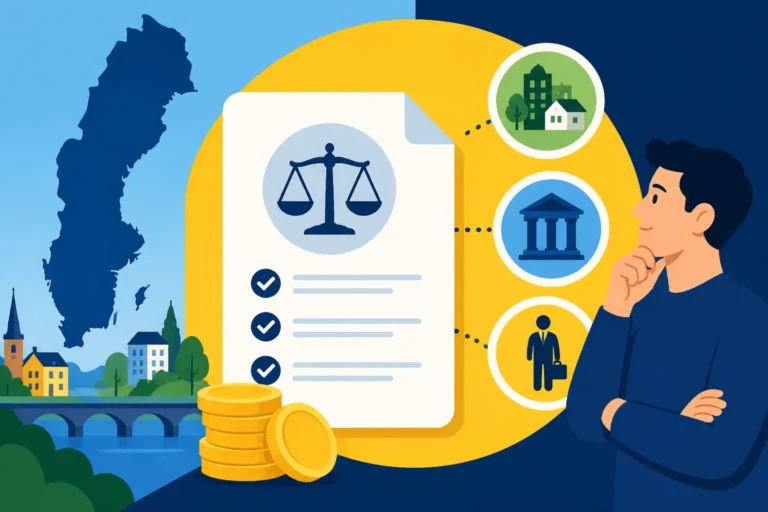
For most of us coming from the UK, the US, or elsewhere in Europe, discussing money is the final frontier of privacy. You might know your best friend's deepest secrets but have no clue what they earn. In Sweden, the philosophy is reversed. The concept of Offentlighetsprincipen, or the Principle of Public Access, is baked into the Swedish constitution. It’s the idea that the public should have the right to see how society is functioning, which includes seeing what people earn and what they pay in tax.
This transparency is intended to prevent corruption and ensure that employers are paying fair wages, but for a newcomer, it can feel like a massive invasion of privacy. You might be sitting at a fika and suddenly realize that your neighbor could, if they wanted to, find out exactly how much your last bonus was. It’s a level of exposure that requires a significant mental adjustment. The Swedish Tax System Explained: Rates, Returns, and Filing covers the broader tax landscape, but the public nature of your income is a specific subset of that system that catches people off guard.
When you first arrive, you might find yourself navigating complex international tax obligations. Services like Taxes for Expats can be incredibly helpful for Americans or other expats trying to reconcile their Swedish income—which is public record here—with the private reporting requirements of their home countries. Understanding that your income is visible to anyone with a phone or an internet connection is the first step toward integrated life in Sweden.
The Logic Behind the Openness
Swedes generally view this transparency as a tool for equality. If everyone knows what everyone else makes, it’s much harder for a company to pay a man more than a woman for the same role, or to underpay an immigrant compared to a local. It’s a collective safeguard. However, it’s also influenced by Jantelagen (The Law of Jante), a cultural quirk that suggests you shouldn't think you are better or more special than anyone else. While the law is unofficial, the transparency of income reinforces a society where extreme wealth is harder to hide and social tiers are theoretically more transparent.
How to Legally Access Someone's Income Information
If you need to find out someone's income—perhaps because you are preparing for a salary negotiation or verifying a potential landlord—there are three primary ways to do it. Each has its own level of "traceability," which is something you need to be very careful about.
1. Contacting Skatteverket Directly
The most official way to find out someone's taxable income is to contact Skatteverket (The Swedish Tax Agency). Because of the public access laws, they are required to provide this information. You can actually call them, provide a person’s name and their personnummer (personal identity number), and they will tell you the person’s declared "taxable earned income" (taxerad förvärvsinkomst) for the previous year.
It is important to understand that this is a manual process. You aren't seeing a live payroll; you are seeing the final figures from the last settled tax year. If you are curious about Why Swedish Income Is Public Record (and What That Means for You), this direct access is the purest form of that principle. It’s free, but it takes the effort of a phone call or a visit to a tax office.
2. Using Credit Check Websites (Ratsit, Merinfo, etc.)
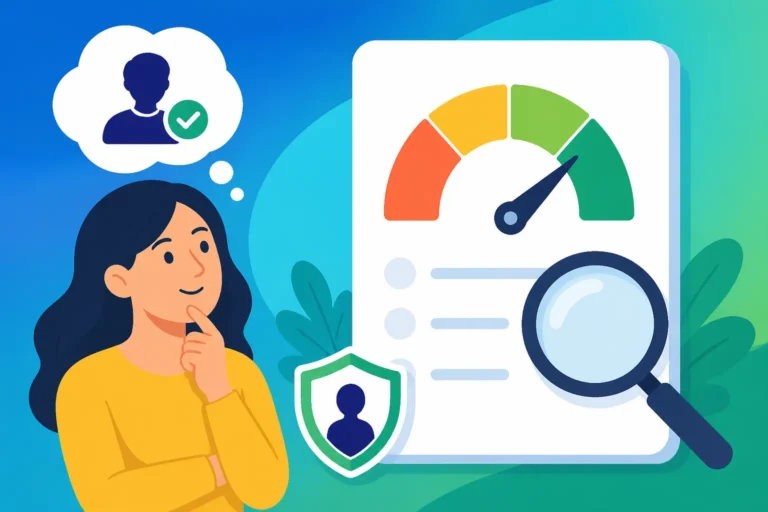
This is the method most people actually use, but it comes with a major "red flag" warning. Websites like Ratsit, Merinfo, and Upplysning.se aggregate public data into a searchable format. You can search for a neighbor, a boss, or a colleague.
However, Sweden has strict privacy laws (PILEX) that act as a counterweight to transparency. If you order a "full" credit report on an individual to see their exact income and debts, the service is legally required to send a letter—an omfrågekopia—to the person you searched for. This letter tells them exactly who looked them up. Imagine the awkwardness of walking into the office on Monday knowing your boss received a letter saying you were snooping on their finances over the weekend. For more on how these checks impact your own standing, see Your UC Credit Score: How It's Calculated and Why It Matters.
3. The Taxeringskalendern (The Tax Calendar)
Every year, a book called the Taxeringskalendern is published. It’s essentially a "who’s who" of earnings, broken down by municipality. It lists the top earners in each area and the taxable income of residents above a certain threshold. You can find these books in local libraries or buy them online.
The "beauty" of the book (or its digital version) is that searching through it does not trigger a notification to the person you are looking up. This is the preferred method for the "curious neighbor" because it offers a level of anonymity that digital credit checks do not. If you are trying to understand How Salaries Compare Across Swedish Cities, browsing these records can give you a very realistic (if slightly delayed) picture of the local economy.
Understanding the Difference Between Salary and Taxable Income
One mistake many expats make when looking up someone's income is confusing "taxable income" with "gross salary." When you see a number on a site like Ratsit or hear it from Skatteverket, you are seeing the taxerad förvärvsinkomst.
This number includes:
- Your base salary.
- Taxable benefits (like a company car or private health insurance).
- Taxable pension payouts.
- Income from abroad that has been declared in Sweden.
It does not necessarily reflect the person’s take-home pay, nor does it include capital gains (like profit from selling a house) unless you are looking at a specific "total income" report. If you've been Understanding Your Swedish Payslip and Preliminärskatt, you'll know that deductions and credits change the final number significantly. A person might earn 50,000 SEK a month, but if they had significant deductions or unpaid leave, the yearly figure in the public record might look lower than you expected.
| Method | Anonymity | Cost | Speed |
|---|---|---|---|
| Skatteverket Call | High (Internal logs only) | Free | Medium (Phone wait times) |
| Taxeringskalendern | Total | Paid (Book/Sub) | Fast (Once you have the book) |
| Ratsit/Merinfo (Basic) | Total | Free | Instant |
| Full Credit Report | NONE (Notification sent) | Paid | Instant |
Why and When Should You Look Someone Up?
While it feels "creepy" at first, there are legitimate, non-stalker reasons to use this data. In fact, using it can save you from financial disaster or help you earn what you’re worth.
Salary Negotiations
This is the most powerful use of the system. If you are offered a job at a tech firm in Stockholm, you can look up the salaries of people currently in that role at that specific company. This levels the playing field. Instead of guessing, you can see that the "Senior Developer" at Company X is earning 65,000 SEK. If they offer you 50,000 SEK, you have the data to push back. We discuss this further in Is It Normal to Negotiate Salary in Sweden.
When you've successfully negotiated that higher salary, managing your international transfers and currency conversions becomes the next priority. Using a service like Wise can help you keep more of that hard-earned money when moving it between your Swedish account and your home country, especially since they use the real mid-market exchange rate.
Vetting Landlords and Sublets
The Swedish rental market is notoriously difficult, and scams are common. If you are about to pay a 20,000 SEK deposit to someone for a second-hand rental, it’s common to check their financial standing. If they have dozens of "betalningsanmärkningar" (payment defaults) or their reported income is zero while they claim to own a luxury apartment, you might be walking into a scam. This is a practical application of Can a Bad UC Score Stop Me Renting an Apartment in Sweden from the perspective of a tenant protecting themselves.
Business Partnerships and Freelancing
If you are a freelancer taking on a new Swedish client, looking up the owner's financial history or the company’s filings (which are also public) is standard due diligence. It’s not seen as rude; it’s seen as being a "seriös" (serious) business person.
The Social Etiquette: The "Don't Ask, Do Look" Rule
Here is the most important part of the veteran expat's advice: Just because you can look it up doesn't mean you should talk about it.
There is a weird paradox in Swedish culture. While the data is public, talking about your salary at a dinner party is still considered incredibly tacky. It’s a "look but don't touch" situation. If you look up your colleague's salary and find out they earn 5,000 SEK more than you, you cannot go to them and say, "I saw on Ratsit that you make more than me." That is a social death sentence.
Instead, you use that information as "background radiation" for your own life. You use it to Budgeting for the Real Cost of Living in Sweden or to inform your own salary discussions with your boss—without ever mentioning where you got the numbers. You frame your request as being based on "market rates" rather than "what Anders in accounting makes."
Managing Your Own Public Data
Now that you know how to look people up, you must realize that people are looking you up, too. When you get your personnummer and register in the population register, you become a "public" person.
If you are concerned about your privacy, there are a few things you can do, though they are limited. You can contact search sites like Ratsit and ask them to "hide" your profile from their search results. They will often comply, but this doesn't mean your data is gone. It just means it's not "Googleable." Your information remains at Skatteverket, and anyone who calls them can still get it.
For those with complex financial lives—perhaps you have investments in multiple countries or work for a foreign employer—your public Swedish record might only show part of the story. Using Taxes for Expats can help you ensure that what you do report to Skatteverket is accurate and doesn't create unnecessary red flags that might make you look "poorer" or "richer" on paper than you actually are.
How to Handle the "Omfrågekopia" Notification
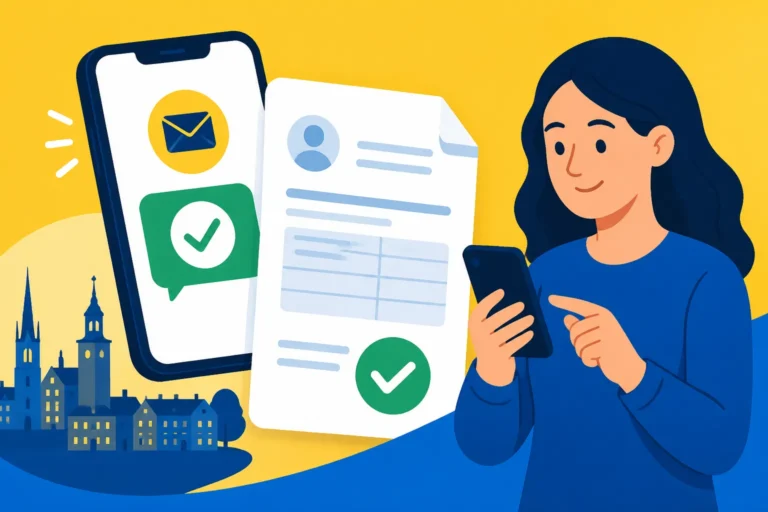
At some point, you will likely receive a letter in the mail (or in your digital mailbox like Kivra) saying "A credit check has been performed on you."
Don't panic. This happens whenever you apply for a phone contract, a credit card, or even sometimes when you sign a new gym membership. The letter will state the name of the company that requested the data. However, if the letter says a "Private Person" or a name you don't recognize looked you up, it means someone used a paid service to see your full financial details.
In Swedish culture, the "correct" response is usually to ignore it. If you suspect it was a curious neighbor, you don't confront them. You simply carry on with your life, perhaps feeling a little more "Swedish" now that you've been subjected to the national pastime of financial transparency.
Practical Steps for Newcomers
If you’ve just moved here and want to test the waters, start small.
- Go to a site like Merinfo.se and search for your own name. See what's already there (your address, your age, who you live with).
- If you have a BankID, you can log into Skatteverket and see your own "Inkomstuppgifter" to see exactly what numbers are being shared with the public.
- If you are moving money from abroad to set up your life, use Wise to ensure your initial capital is handled efficiently before it starts showing up in Swedish tax records.
Living in a glass house is uncomfortable at first, but once you realize everyone else is in one too, you stop worrying about the neighbors and start using the transparency to your advantage. Whether it's making sure you aren't being underpaid or ensuring your landlord is legitimate, the Swedish system of openness is a tool—you just have to learn how to use it without breaking the social glass.
Disclaimer
This guide is for informational purposes only and does not constitute legal or financial advice. Laws regarding public access and data privacy in Sweden can change, and you should always consult with a qualified professional or the relevant Swedish authorities (such as Skatteverket or Datainspektionen) for the most current information. Always use public data ethically and in accordance with Swedish law.