Can Anyone Really Look Up My Salary in Sweden?
One of the biggest culture shocks for new arrivals in Sweden is the realization that your personal financial privacy is handled very differently than in the US, UK, or much of Europe. This guide explains the mechanisms behind Sweden's radical transparency, how your salary data is accessed, and what this means for your daily life as an expat living here.
The Cultural Shock of Radical Transparency in Sweden
When you first move to Stockholm, Gothenburg, or any corner of this country, you quickly learn that the "personnummer" is the key to everything. But what many expats don't realize until their first few months is that this number also links to a system of radical transparency. In many cultures, asking a neighbor about their salary is the height of rudeness. In Sweden, you don't even have to ask; you can just look it up. This often leads to a feeling of "financial nakedness" that can be deeply unsettling for those used to strict data privacy.
The foundation of this system is the Offentlighetsprincipen, or the Principle of Public Access. This isn't a new digital-age fad; it is a constitutional right dating back to 1766. The idea is that the public should have the right to see how the state is run, which includes how much people are earning and, consequently, how much they are contributing to the welfare state through taxes. It is a tool designed to prevent corruption and ensure that everyone is paying their fair share into the system. For a veteran expat, you eventually stop seeing it as an invasion of privacy and start seeing it as the reason why the person driving the luxury car in your neighborhood is definitely paying for the local school.
However, validating the frustration of foreigners is important here. It feels invasive to know that your boss, your date, or your nosy neighbor can see exactly what your "taxable income" was last year. This transparency is a double-edged sword. While it promotes equality and trust in the government, it can also lead to awkward social comparisons. Understanding Why Swedish Income Is Public Record (and What That Means for You) is the first step in coming to terms with the fact that, in Sweden, your finances are not entirely your own business.
How People Actually Access Your Income Data
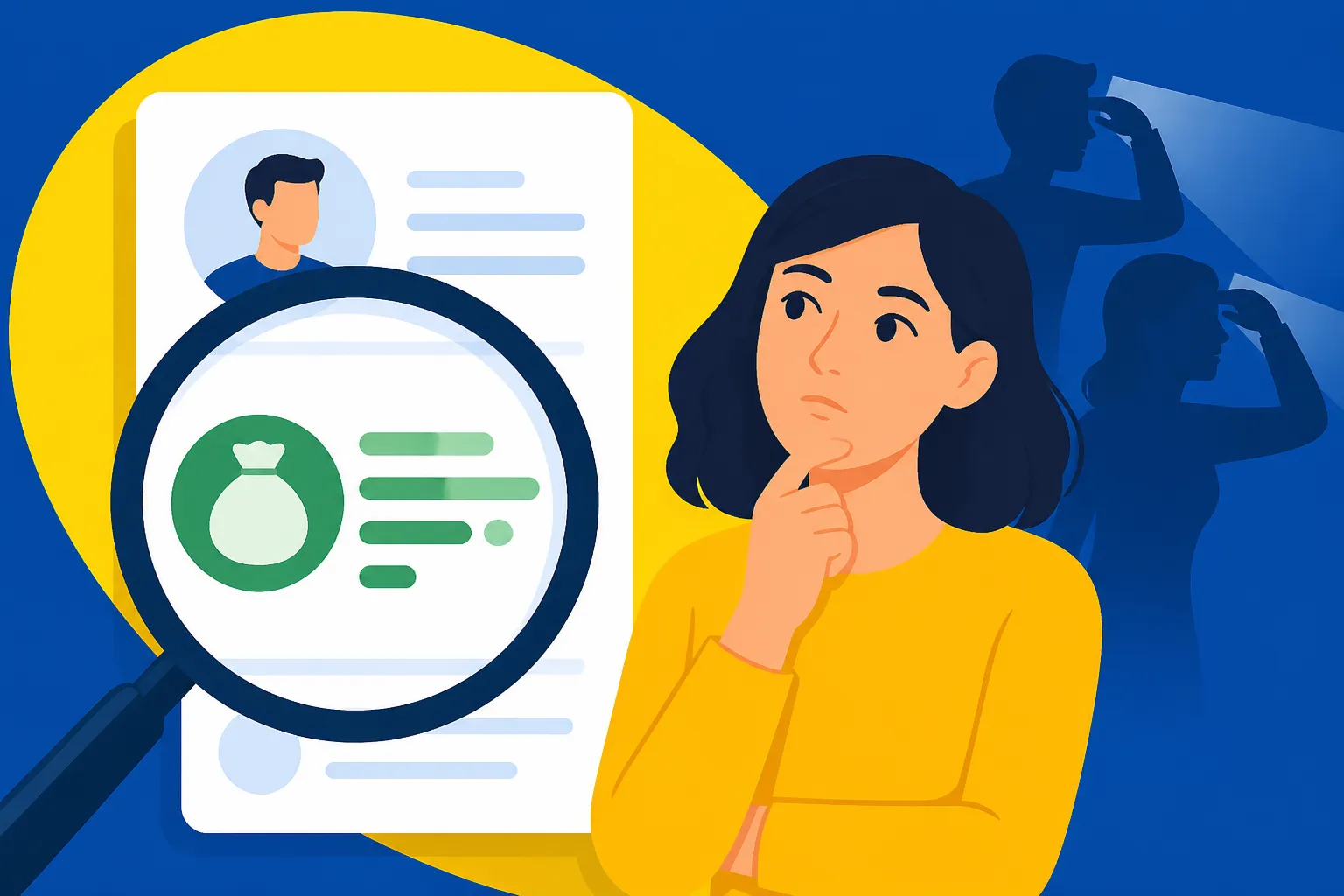
You might be wondering if there is a giant "Google for Salaries" where people just type in your name. The answer is effectively yes, though it is slightly more regulated. The most direct source of this information is Skatteverket, the Swedish Tax Agency. Since income tax returns are public documents, anyone can call Skatteverket or visit one of their offices—like the one on Magnus Ladulåsgatan in Stockholm—and request the declared income of any resident. They don't even need a "good reason" to ask; the law protects their right to know.
Then there is the infamous Taxeringskalendern, often referred to by expats as "the snitch book." This is a physical book, published annually and divided by region, that lists the incomes of everyone in that area above a certain threshold. You can find these books in local libraries or even buy them at newsstands. It’s a common sight to see people flipping through the pages to see where their colleagues or neighbors rank. When you are Filing Your Swedish Tax Return (Deklaration): What You Need to Know, you are essentially providing the data that will appear in next year’s edition of this book.
In the digital age, third-party websites like Ratsit, Birthday.se, and Eniro have made this even easier. These services aggregate public data. While they often require a small fee or a logged-in account to see the exact salary figures, the barrier to entry is incredibly low. If you are a high-earner or a specialist, you might find that your information is more frequently sought after. If you are managing complex international finances, using a service like Taxes for Expats can ensure that your filings are accurate so that the "public" version of your financial life doesn't contain errors that could lead to audits or social misunderstandings.
What Information is Public and What Stays Private
It is a common misconception that every single cent in your bank account is visible to the public. This is not true. The transparency applies specifically to "taxable income." This includes your salary from employment, income from a business, and capital gains (like the profit from selling shares or a house). When someone looks you up, they see your "fastställd förvärvsinkomst" (determined earned income) and "inkomst av kapital" (income from capital). They do not see your current bank balance, your private savings, or the specific details of your monthly spending.
There is also a distinction between public records and credit checks. If a landlord or a car dealership wants to see a more detailed report, they will perform a formal credit check through a company like UC. In this case, you will always receive a notification (an Omfrågandekopia) in the mail or via a digital mailbox like Kivra, telling you exactly who looked at your data and what they saw. This provides a layer of protection that the general salary lookup does not. Understanding Your UC Credit Score: How It's Calculated and Why It Matters is vital for anyone planning to rent an apartment or take out a loan.
| Data Type | Publicly Accessible? | Notification Sent to You? |
|---|---|---|
| Annual Taxable Salary | Yes (via Skatteverket/Ratsit) | No (usually) |
| Capital Gains Income | Yes | No |
| Home Address | Yes | No |
| Bank Account Balance | No | N/A |
| Specific Debts/Loans | No (except to credit agencies) | Yes (via Credit Check) |
| Religious Tax Status | Yes | No |
If you are worried about your salary being used against you in negotiations, remember that the transparency works both ways. You can look up the salaries of your peers or the person who held the job before you. This is a powerful tool when you are trying to figure out How Much Income Tax Will I Pay on a Swedish Salary and what a fair net take-home pay should be for your industry.
Navigating Financial Life Amidst Openness
Living in a transparent society requires a change in mindset. For expats, this often means being more diligent about how they report their global income. If you have rental income from your home country or dividends from a foreign brokerage account, these must be reported to Skatteverket if you meet the criteria for Tax Residency in Sweden: The 183-Day Rule and Essential Connection. Failing to report these accurately can lead to discrepancies in your public record that look suspicious to both the authorities and anyone else who might look you up.
For those moving large sums of money across borders—perhaps for a down payment on a house—the transparency of the system means the banks will be very curious about the source of the funds. Using a transparent and compliant service like Wise for these transfers is often better than traditional banks, as they provide clear documentation that satisfies Swedish anti-money laundering (AML) checks. When your financial life is an open book, having a clear "paper trail" for every major transaction is your best defense against administrative headaches.
Managing your lifestyle also becomes a factor. In Sweden, the concept of "Jantelagen" (the idea that you shouldn't think you are better than anyone else) often keeps people from flaunting wealth, even if everyone knows they are high earners. Since your neighbors can see if you've had a particularly good year, there is a cultural tendency toward modesty. If you are still in the process of Opening a Bank Account in Sweden: A Step-by-Step Guide, you will find that the bank's questions about your expected income are just the start of a long-term relationship with financial openness.
Even when using specialized help like Taxes for Expats for your US or UK filings, you must ensure that your Swedish "Lönespecifikation" matches what is being reported globally. Accuracy is key because once that data is published in the Taxeringskalendern, it is difficult to correct in the public eye. You should also be aware of How Do I Get a Tax Table (Skattetabell) from Skatteverket? to ensure your employer is withholding the correct amount, preventing a large "kvarskatt" (back tax) that would also be visible in your public records as a capital loss or debt if unpaid.
Practical Steps to Protect Your Information
While you cannot "opt-out" of the Swedish constitution, there are practical steps to minimize your digital footprint. You can contact sites like Ratsit or MrKoll and request that your profile be hidden from their internal search engines, though this doesn't remove the data from the official Skatteverket records. It just makes it one step harder for the casual "curiosity seeker" to find you. You should also ensure you have a digital mailbox like Kivra to get immediate notifications if a formal credit check is performed.
For those who are extremely concerned about safety—for example, if you have a stalker or a high-risk profession—it is possible to apply for "Skyddade personuppgifter" (protected personal data). This is a high bar to clear and requires a proven threat to your safety, but it is the only way to truly "disappear" from the public registries and the Budgeting for the Real Cost of Living in Sweden will be the least of your worries if you are in that situation. For most of us, however, the best approach is to embrace the transparency. It is a part of the Swedish social contract: you give up a bit of privacy in exchange for a society built on extreme levels of trust and a highly functional welfare state.
If you are still adjusting to the system, don't be afraid to use tools like Wise to keep your international transfers clean and documented. And if your tax situation is a mess of foreign properties and Swedish stocks, getting professional advice on How Is ISK Tax Calculated Each Year in Sweden can save you from an embarrassing public tax mistake. The transparency isn't going away, so your best bet is to ensure that when someone does look you up, they see a boring, accurate, and perfectly compliant financial record.
Disclaimer
The information provided in this guide is for informational purposes only and does not constitute legal or financial advice. Swedish tax laws and public record regulations can change, and you should always consult with a qualified tax professional or Skatteverket for advice specific to your personal situation. No expat blogger can replace the expertise of a certified accountant.