Can My Family Join Me on a Swedish Work Permit?
Moving to a new country for a career breakthrough is an incredible milestone, but the joy of a new job often fades quickly when you’re staring at a webcam, saying goodnight to your partner or children thousands of miles away. I’ve spent countless nights in a quiet apartment in Solna, wondering if the paperwork would ever end so my life could actually begin. This guide will walk you through the precise legal requirements, financial hurdles, and administrative steps to ensure your family can join you on your Swedish work permit journey without the usual heartbreak of unnecessary delays.
Understanding the Right to Family Reunification
In the eyes of Migrationsverket (the Swedish Migration Agency), a work permit isn't just about the individual; it’s a gateway for a household. If you have been granted a permit to work in Sweden, you generally have the right to bring your "immediate family" with you. However, "immediate" has a very specific legal definition in the Swedish context that might differ from your home country.
Your spouse, registered partner, or cohabiting partner (known locally as a sambo) is eligible to join you. One of the most progressive aspects of the Swedish system is the sambo relationship. If you aren't married but have lived together as a couple in a stable relationship elsewhere, Sweden recognizes this bond for immigration purposes. Additionally, unmarried children under the age of 21 are eligible. In some specific cases, children over 21 can be included if they are financially dependent on you, though the evidentiary bar for this is significantly higher and often requires proving a level of dependency that makes it impossible for them to live alone.
When you are looking at Work Permits in Sweden: Categories, Salary Rules, and How to Apply, it is vital to remember that your family's permits are directly tied to yours. If your permit is for two years, theirs will be for two years. If yours is tied to a specific employer during the first 24 months, their right to stay is tied to your continued employment. It creates a "cluster" of permits that all move together through the system. Families can get caught in a loop because they didn't realize that if the primary holder changes their status, the dependents must often update their documentation simultaneously to avoid falling into an "illegal stay" window.
The Maintenance Requirement and Financial Stability
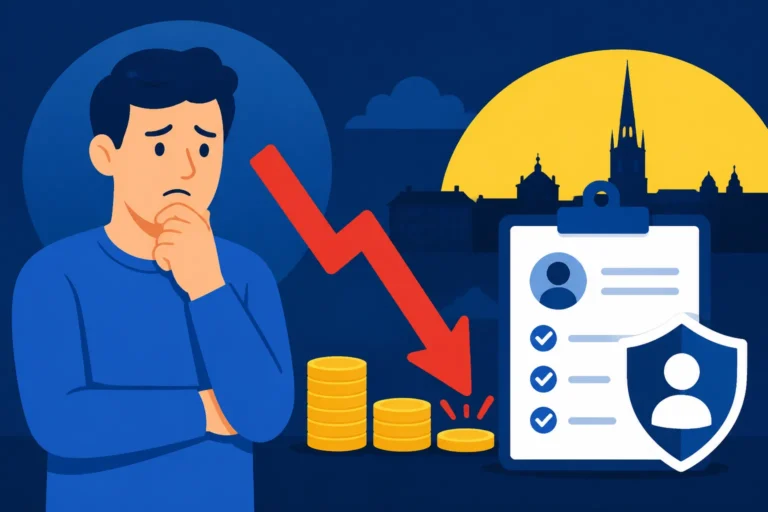
The biggest hurdle for most expats isn't the relationship proof; it's the försörjningskravet, or the maintenance requirement. Sweden wants to be absolutely certain that you can support your family without turning to the Swedish social welfare system. This requirement is divided into two main pillars: your income and your housing.
From an income perspective, you must prove that your salary, after taxes, covers your rent and a "standard amount" for your family’s living expenses. This standard amount is updated annually and covers things like food, clothing, hygiene, and phone bills. For a family of two adults and two small children, this adds up quickly. This is where services like Taxes for Expats can be incredibly helpful; understanding your take-home pay after the Swedish municipal and state taxes are deducted is crucial before you sign a contract. If your net income falls even a few hundred kronor short of the requirement, Migrationsverket is notorious for rejecting the dependent applications, even if your employer is paying you a "market-rate" salary.
Minimum Monthly Income Standards for 2026
The following table provides an estimate of the "reserved amount" you must have left over after paying for your housing (rent or mortgage interest/fees).
| Family Composition | Estimated Monthly Reserved Amount (SEK) |
|---|---|
| Single Adult | ~6,000 – 6,500 |
| Cohabiting Spouses/Partners (Total) | ~10,000 – 11,000 |
| Children (0-6 years old) | ~3,200 – 3,500 per child |
| Children (7 years or older) | ~3,800 – 4,200 per child |
Note: These figures are adjusted annually and should be verified against the latest Migrationsverket guidelines.
To meet these requirements, you cannot simply point to a large savings account. The agency wants to see a stable, recurring income from your Swedish employment. If you are struggling with the transition, many families find that having the partner start learning the language via iTalki before arrival can help them enter the job market faster once they land, eventually easing the financial pressure on the household.
Housing Standards for Dependents
You cannot simply bring a family of four into a one-bedroom studio. Sweden has strict "adequate housing" rules for family reunification. To be approved, your home must be of a "sufficient size and standard." For a couple without children, a home with a kitchen (or kitchenette) and at least one room is usually enough. If you have children, the requirement increases; children can share a bedroom, but there must be a separate living area.
Finding a home that meets these standards is one of the most stressful parts of moving. Most expats start by Renting a Home in Sweden: How the First- and Second-Hand System Works, often navigating the "second-hand" (subletting) market. Be very careful here: your rental contract must be for at least one year and must be approved by the building's board (bostadsrättsförening) or the landlord. Migrationsverket will ask for the signed contract as part of the family’s application. If the contract is "black market" (unregistered) or only for six months, your family’s visa will likely be denied. I spent weeks calling landlords just to find one who would provide the written consent form required by the migration authorities—it is a tedious but non-negotiable step.
The Application Process and Biometrics
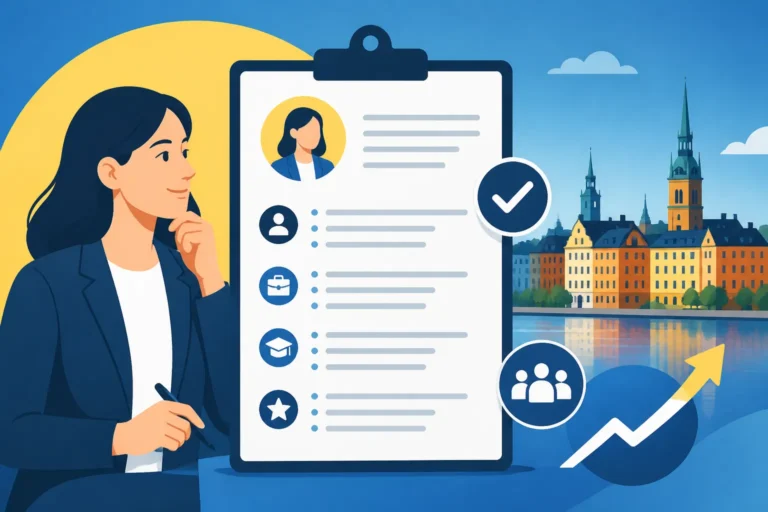
Ideally, you should apply for your family’s permits at the same time you apply for your own. This is the "simultaneous application" route, and it generally leads to a smoother experience because the case officer sees the whole family unit at once. You can find the details on this in our guide on Applying for a Swedish Work Permit: The Step-by-Step Process.
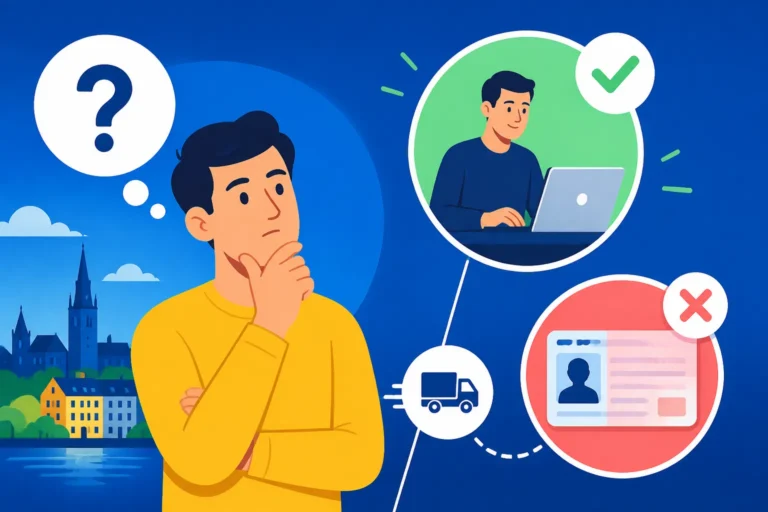
If you are already in Sweden and decided to bring your family later, the process is slightly different. They will apply from their home country (or wherever they have legal residency). They must remain outside of Sweden while the application is being processed. Some applicants try to wait out the decision in Sweden on a tourist visa, but this can lead to an immediate rejection as you generally cannot "switch" from a tourist status to a resident status from within the country.
Once the "decision in principle" is made, your family members will need to visit a Swedish embassy or consulate to provide biometrics—fingerprints and a photo. This is for the uppehållstillståndskort (residence permit card). Even for infants, a photo is required. This card is their golden ticket; it’s what they show at the border when flying into Arlanda or Landvetter. Without it, even if they have an approved permit in the system, airlines may refuse boarding.
Rights and Integration for Spouses and Partners
One of the best parts about the Swedish work permit system is that if your permit is for six months or longer, your spouse or partner is granted a residence permit that includes a full right to work. They do not need a separate work permit tied to a specific employer. They can be a freelancer, start a business, or work for any company in Sweden.
However, the "right to work" and "finding a job" are two very different things. The Swedish job market is heavily reliant on networking and, increasingly, some level of Swedish language proficiency. Encouraging your partner to use iTalki to practice conversational Swedish can be a game-changer for their mental health and career prospects. While you are busy at the office learning about The Swedish Workplace: Culture, Contracts, and Your Rights, your partner will be navigating the local community.
Upon arrival, the very first thing your family must do is visit Skatteverket (the Tax Agency) to get their Personnummer. This is the 12-digit number that unlocks everything. Without it, your spouse can't easily join a gym, get a phone contract, or even sign up for the state-funded Swedish for Immigrants (SFI) courses. The process of Getting Your Personnummer: The Gateway to Swedish Healthcare can take weeks, sometimes months, so do it on day one. During this waiting period, ensure you have private health insurance for them, as they may not be fully covered by the state system until that number is issued.
Healthcare and Education for Children
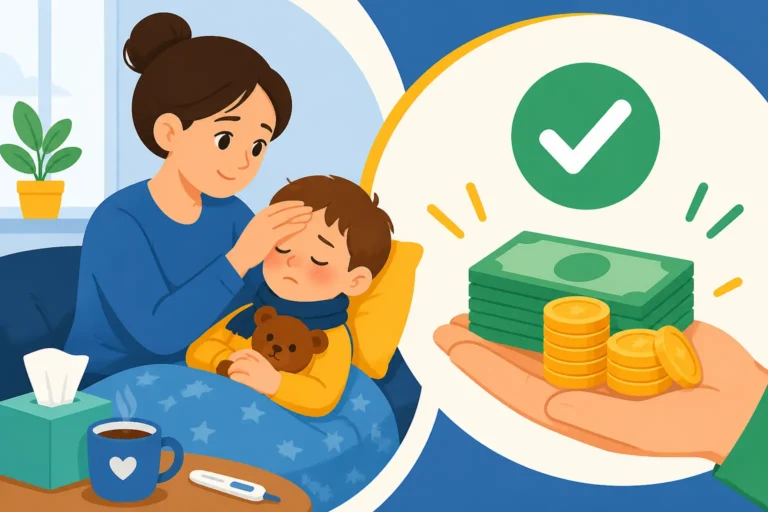
Sweden is arguably one of the best places in the world to raise a family, but the administrative "onboarding" for kids is intense. Once your children have their permits and have started the process with Skatteverket, you should immediately look into Registering with Försäkringskassan: When and Why You Need To. This ensures you are eligible for Barnbidrag (child allowance), which is a monthly payment from the state to help with the costs of raising a child.
For healthcare, your first point of contact will be the Vårdcentral (health center). You will need to handle Registering with a Vårdcentral: Your Guide to Primary Care in Sweden for the whole family. For younger children, you will also be introduced to the BVC (Barnavårdscentralen). This is a specialized clinic for children from birth until they start school. They handle vaccinations, growth checks, and offer parenting support. Understanding how Child Health in Sweden: How Barnavårdscentralen (BVC) Supports Families works was a huge relief for me; the midwives and nurses there are incredibly supportive of international parents who might feel lost in the system.
If your children are of school age, they have a right to education from the moment they arrive. You will need to contact your local municipality (kommun) to find a place in a preschool (förskola) or school. Be aware that in major cities like Stockholm or Gothenburg, there can be queues for the most popular schools. If you plan to stay long-term, you might also want to look into Parental Leave in Sweden: Föräldrapenning and the 480 Days, as you may be entitled to some of these days even if your child was born before you moved to Sweden, provided they are under a certain age when you register.
Practical Survival Tips for the Move
The logistics of moving a family are daunting. From a financial perspective, keep your receipts. If your employer is paying for the relocation, these may be taxable benefits, and consulting with Taxes for Expats can help you avoid a nasty surprise when the tax season rolls around.
Culturally, prepare for the "darkness." If you are moving from a sunny climate, the Swedish winter can be a shock to a family’s system. Make sure your spouse and children are involved in local expat groups or hobby clubs as soon as possible. Isolation is the number one reason family reunifications fail in Sweden. Using a platform like iTalki to find a language tutor who can also act as a cultural mentor can help your family understand the nuances of Swedish life, from the importance of fika to the "shoes-off" rule in homes.
Finally, stay on top of the expiration dates. Your family’s permits are dependent on yours. When it’s time to renew, you must prove once again that you meet the maintenance and housing requirements. Never let your permit lapse; the grace period is non-existent, and being asked to leave the country with a family in tow is a stress no one deserves.
Disclaimer
This guide is intended for informational purposes only and does not constitute legal or professional immigration advice. Immigration laws and Migrationsverket policies in Sweden change frequently. Always consult the official Migrationsverket website or a certified immigration lawyer for the most current requirements regarding your specific situation.