Can I Stay Home with a Sick Child and Still Get Paid in Sweden?
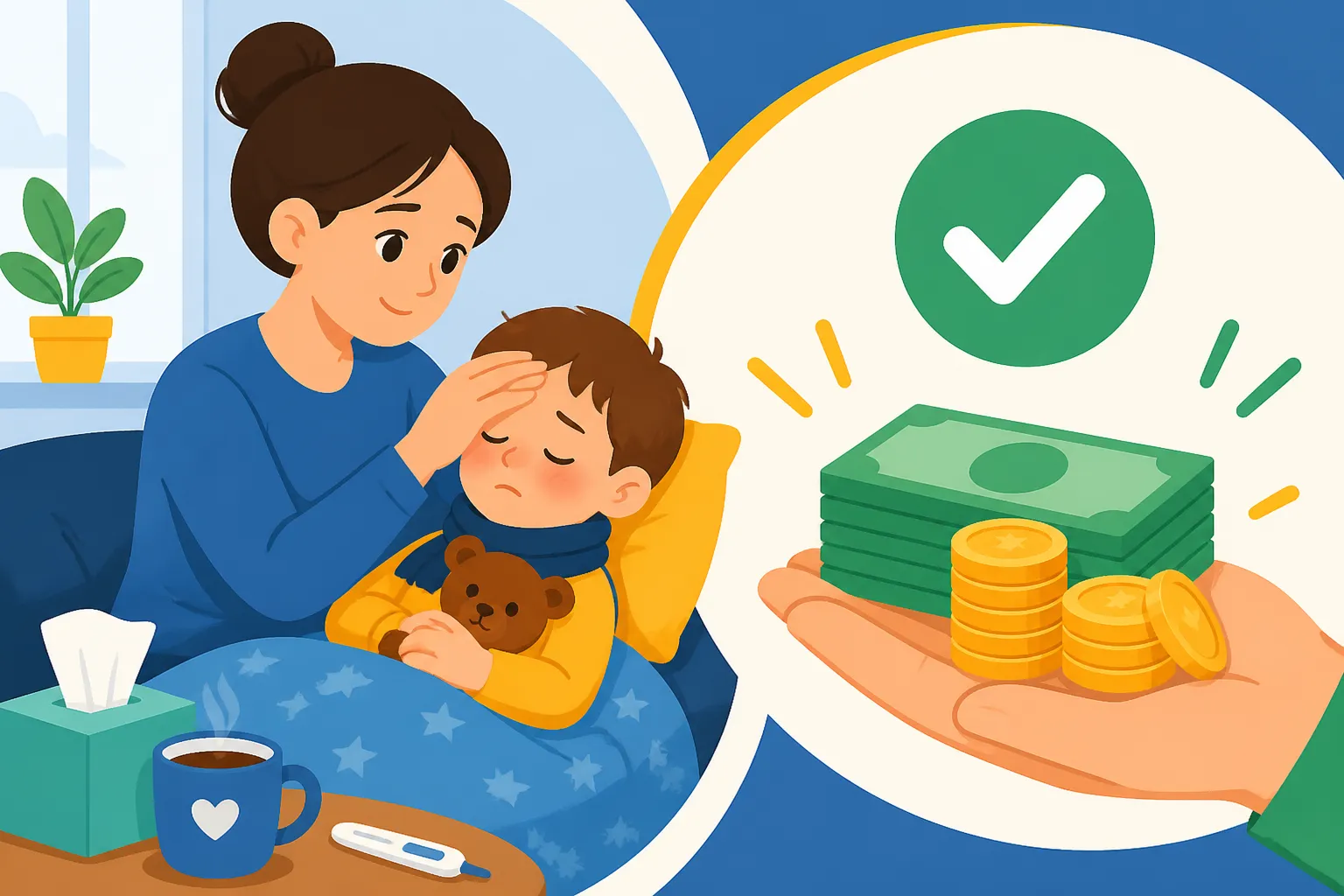
One of the biggest worries for expat parents in Sweden is undoubtedly what happens when your child gets sick. In your home country, you might have certain provisions, but here, the system can feel like a whole new ball game. You're trying to navigate a new culture, a new job, and then BAM – a fever hits, or a nasty cough takes hold, and suddenly you're wondering if staying home with your little one will cost you your job or your salary. It's a legitimate concern, and it's something every parent living abroad grapples with. This guide is here to shed light on how Sweden handles these situations, specifically focusing on the invaluable system of VAB, or Vård av sjukt barn, which allows you to stay home with a sick child and still receive compensation.
Understanding VAB (Vård av sjukt barn) in Sweden
Sweden has a robust social security system designed to support families, and one of its cornerstones is the ability for parents to take paid time off when their children are ill. This isn't just a kindness; it's a legal right. Knowing how to access and navigate this system is crucial for any expat parent.
What is VAB and Who is Eligible?
VAB, short for Vård av sjukt barn, translates literally to "care of a sick child." It's a temporary parental benefit paid by Försäkringskassan (the Swedish Social Insurance Agency) to parents or guardians who need to be home from work or refrain from seeking employment to care for a sick child. The beauty of VAB is that it acknowledges the fundamental need for a parent to be with their child when they're unwell, without suffering a complete loss of income.
To be eligible for VAB, generally, your child must be under 12 years old. However, there are exceptions for children aged 12 to 16 if a doctor's certificate confirms they need parental care, or for children over 16 with a serious illness or disability. You, as the caregiver, must be registered with Försäkringskassan, which typically requires you to have a Swedish Personal Identity Number (Personnummer) and be registered in the Swedish population register (folkbokförd). This makes getting your Personnummer a critical first step for accessing virtually all of Sweden's social benefits. If you're still in the process of Getting Your Personnummer: The Gateway to Swedish Healthcare, it's worth prioritizing to ensure you can claim VAB when needed.
It's not just biological parents who can claim VAB. It extends to adoptive parents, foster parents, or even a person living with the child who is or has been married to or has had a child with the child's parent, provided they are caring for the child. This flexibility ensures that the child receives care from a familiar and loving adult. You can claim VAB if you're employed, self-employed, or even if you're looking for work but have to miss an appointment because of a sick child.
When and How to Claim VAB
The process of claiming VAB involves a few key steps, and it’s vital to get them right to ensure your compensation. The first thing you need to do is notify your employer as soon as possible that you will be staying home to care for a sick child. While Sweden is generally very understanding, proper communication is always appreciated and often a requirement in your employment contract or collective agreement.
Next, and equally important, you must report your VAB to Försäkringskassan. You can do this easily online via their website, or sometimes through your employer's digital portal if they have one that integrates with Försäkringskassan. You need to report the days you are VABing, and in some cases, you might be asked to provide a doctor's certificate, especially if the illness is prolonged (typically after 7 days, but sometimes earlier if your employer requests it). Remember, you need to Registering with Försäkringskassan: When and Why You Need To as soon as you are eligible to be able to claim any benefits, including VAB. This online portal is usually where you handle most interactions with the agency, so familiarising yourself with it is a smart move.
The reporting typically needs to be done within 90 days of the first VAB day you are claiming. It’s usually best to do it shortly after the period you were VABing, or even monthly, to ensure you don’t forget. Försäkringskassan processes these claims and pays out the benefit directly to your bank account. It's important to understand the details, as delays in reporting can lead to delays in payment, which nobody wants when managing household finances.
The VAB Benefit Amount
So, how much money are we talking about? When you claim VAB, you generally receive around 80% of your regular salary. This compensation is calculated based on your Sickness Benefit Qualifying Income (SGI, Sjukpenninggrundande inkomst). There is, however, a ceiling for this amount, which means that if you earn above a certain income level, the percentage might effectively be lower than 80% on the portion of your income above that ceiling. As of recent years, this ceiling has been around 10 price base amounts (prisbasbelopp), which adjusts yearly.
This calculation is critical for understanding your take-home pay during a VAB period. While 80% is a substantial portion of your income, it's not 100%, so it's wise to factor this into your financial planning, especially if you anticipate frequent VAB days. If you're a newcomer, understanding the intricacies of the Swedish financial system, including how these benefits connect with your overall income and tax, is vital. For broader context on managing your finances here, you might find the guide on Money and Finance in Sweden: A Complete Guide for Foreigners (2027) quite helpful. For more specific tax questions related to your income and benefits, specialized services like Taxes for Expats can provide tailored advice, helping you navigate the sometimes complex interplay between social benefits and your annual tax return.
The payment is usually made monthly, retrospectively for the days you claimed VAB in the previous period. It’s designed to provide financial stability during times when you need to prioritize your child's health.
Practical Scenarios and Common Questions About VAB
The VAB system is fairly comprehensive, but like any system, it comes with its nuances and specific scenarios that often puzzle newcomers. Let's delve into some common questions and situations you might encounter as an expat parent in Sweden.
What if My Child is Over 12 or Seriously Ill?
The standard age limit for VAB is indeed under 12, but life, and illness, doesn't always adhere to simple rules. If your child is between 12 and 16 years old, you can still claim VAB, but it requires a doctor's certificate. This certificate needs to explicitly state that the child's illness necessitates parental care and cannot be left alone. This provision acknowledges that older children can still be very unwell and require comfort and supervision, even if they aren't toddlers.
For children older than 16, VAB can still be granted if they have a severe illness or a disability that requires continuous care from a parent. These cases are handled individually by Försäkringskassan and often require extensive medical documentation. It highlights the Swedish system's focus on ensuring that children, regardless of age, receive the care they need during vulnerable times.
VAB for Newcomers: Before Your Personnummer
This is a common pain point for many expats. You've just arrived, your child is sick, but you're still waiting for your Personnummer. Unfortunately, without a Personnummer and registration with Försäkringskassan, claiming VAB is incredibly difficult, if not impossible, as the system relies on these identifiers. This interim period can be incredibly stressful for new arrivals.
In such situations, you might need to rely on your employer's goodwill, if they offer any specific provisions for new employees awaiting their Personnummer, or take unpaid leave. Some employers might offer a few days of paid leave as a gesture of goodwill, but this is not guaranteed and falls outside the VAB system. It underscores the importance of expediting your administrative processes upon arrival in Sweden. While you can't claim VAB, understanding your rights at The Swedish Workplace: Culture, Contracts, and Your Rights might offer some peace of mind regarding general employment terms.
| Scenario | Eligibility for VAB | Documentation Needed | Compensation (Approx.) |
|---|---|---|---|
| Child under 12 | Yes, generally | Employer notification; Försäkringskassan report | 80% of SGI |
| Child 12-16 years old | Yes, with doctor's certificate | Employer notification; Försäkringskassan report; Doctor's certificate | 80% of SGI |
| Child >16 with severe illness | Yes, on individual assessment | Employer notification; Försäkringskassan report; Extensive medical documentation | 80% of SGI |
| No Personnummer/Not registered | No, generally | N/A (unpaid leave or employer goodwill) | 0% (or as per employer) |
| Multiple caregivers for child | Yes, can split days or hours | Each caregiver reports their VAB to Försäkringskassan | 80% of SGI each |
Dealing with Employers and Försäkringskassan
Communication is your best friend when navigating VAB. Always inform your employer as soon as possible about your child's illness and your need to take VAB. This allows them to plan for your absence and shows professionalism. Most Swedish workplaces are highly understanding of VAB, as it's an ingrained part of the culture. However, consistent and clear communication helps maintain a good relationship.
When interacting with Försäkringskassan, be prepared to provide accurate dates and times. Their online portal is generally user-friendly, but if you have any doubts, don't hesitate to contact their customer service. They often have English-speaking staff available. It's a good idea to keep records of your VAB days, including dates and times you reported to both your employer and Försäkringskassan.
Sometimes Försäkringskassan might ask for additional information or clarification. Respond promptly and clearly to avoid delays in your payments. They are there to administer benefits, so providing them with the necessary details ensures a smooth process. It's part of the broader system of social support, which also includes benefits like Parental Leave in Sweden: Föräldrapenning and the 480 Days, so understanding how these agencies work is key for family life here.
Beyond VAB: Other Considerations for Parents in Sweden
While VAB covers the immediate need of a sick child, it's part of a larger tapestry of support for parents in Sweden. Understanding these other aspects can help you plan better and feel more secure in your new home.
Parental Leave vs. VAB
It's crucial not to confuse VAB with general parental leave, known as föräldrapenning. Parental leave is for when you are home with a healthy child, typically a baby or young child, to care for them or establish a bond. It's a much longer-term benefit, with parents in Sweden receiving a total of 480 days of paid leave per child, which can be shared between parents. This is a benefit distinct from VAB, which is specifically for short-term care when a child is ill. You can learn more about this through articles like How Parental Leave and Healthcare Connect During Pregnancy in Sweden.
Think of it this way: VAB is for emergencies, unexpected sick days. Parental leave is for planned, sustained caregiving during a child's early years. Both are vital, but they serve different purposes and have different rules and durations. Understanding this distinction helps you allocate your available days appropriately and plan your family life effectively.
Planning for the Unexpected
Even with VAB, life with children can be unpredictable, and illnesses often strike at the worst possible times. It’s always a good idea to have a small financial buffer or emergency fund to cover the 20% gap in your salary during VAB periods, especially if your child is prone to getting sick or if you have multiple children. While Sweden offers excellent social security, a little personal planning goes a long way.
Furthermore, discuss your company's specific policies regarding VAB with your employer or HR department. While the core VAB rules are set by law, some workplaces might have supplementary benefits or slightly different internal reporting procedures. Being proactive in understanding your rights and your employer's expectations will save you stress down the line.
Language Barriers and Support
Navigating government websites and communicating with Försäkringskassan can be challenging if Swedish isn't your first language. While many agencies offer information and services in English, some of the more detailed or nuanced aspects might still be primarily in Swedish. Don't let this deter you.
Many expat forums and groups offer advice and support based on shared experiences. If you're looking to improve your Swedish to better handle these situations, platforms like iTalki can connect you with native Swedish tutors for online lessons. This can be incredibly beneficial not just for VAB, but for integrating into Swedish society and managing all your administrative needs. Taking a course like Learning Swedish: SFI, Courses, and Language Paths for Newcomers can also provide invaluable skills for navigating official communications and everyday life in Sweden. Knowing the language empowers you to take full control of your family's needs and benefits.
Disclaimer
Please note that while this guide aims to provide comprehensive and up-to-date information, rules and regulations regarding social benefits in Sweden, including VAB, can change. It is always recommended to consult the official website of Försäkringskassan or seek advice from a qualified expert for the most current and personalized information. This content is for informational purposes only and does not constitute legal or financial advice.