How to Open Your First Swedish Bank Account Without a Personnummer
Moving to Sweden is an exciting adventure, but let's be real, the administrative hurdles can feel like navigating a labyrinth blindfolded. One of the first, and often most frustrating, challenges newcomers face is trying to open a bank account without that elusive Personnummer. It feels like a classic Swedish Catch-22: you need a bank account to get paid and live, but you need a Personnummer for the bank account. This guide is here to untangle that knot, offering practical advice and realistic expectations for setting up your essential finances.
The Catch-22 of Swedish Banking for Newcomers
Ah, the Swedish Personnummer. If you've just arrived, you've probably already heard whispers of its mythical power, or more likely, felt its absence like a phantom limb. It’s not just a number; it’s the key to pretty much everything official and convenient in Sweden, from healthcare to getting paid, and yes, banking. Trying to navigate Swedish bureaucracy without it can feel like playing a game where you don't know the rules and the goalposts keep moving. It's perfectly normal to feel utterly bewildered and frustrated by the system, as many expats before you have.
Why the Personnummer is King
In Sweden, your Personnummer (personal identity number) is far more than a simple identification code; it's intricately woven into the very fabric of society. This ten-digit number, assigned by Skatteverket (the Swedish Tax Agency) when you are registered in the population register, serves as your unique identifier across almost all public and private services. It links you to the tax system, healthcare, social benefits, and yes, your financial life. Without it, you are, in many bureaucratic senses, largely invisible.
For banks, the Personnummer is crucial for complying with strict Know Your Customer (KYC) and Anti-Money Laundering (AML) regulations. It allows them to verify your identity definitively, check your credit history (if applicable), and ensure you're a legitimate resident. This robust system helps maintain the integrity of the Swedish financial sector, but it undeniably creates a significant barrier for those who are brand new to the country and still waiting for their number. For many, the process of Getting Your Personnummer: The Gateway to Swedish Healthcare can feel like an eternity, especially when you need a bank account now.
The Initial Roadblocks Without One
The reality is stark: many traditional Swedish banks will outright refuse to open an account for you if you don't have a Personnummer. You might walk into a branch, present all your other valid documents, and still be met with a polite but firm "no." This isn't personal; it's often a policy driven by the aforementioned regulatory requirements and the perceived administrative burden of managing accounts for individuals without a Personnummer. The frustration of being told to simply "come back when you have your Personnummer" when you have bills to pay and a salary to receive is a common experience among new arrivals.
This roadblock impacts not just receiving your salary but also paying rent, setting up utilities, or even basic online shopping, which often requires a local payment method or BankID. Without a Swedish bank account, you might find yourself relying on expensive international transfers, carrying more cash than comfortable, or simply being unable to engage with Sweden's largely cashless society. This initial period can be incredibly stressful, and it's essential to prepare for these challenges rather than being caught off guard. Understanding Why You Need a Personnummer for Almost Every Financial Service in Sweden quickly becomes paramount for any newcomer.
Navigating the Banks: Who Might Help (and Who Won't)
Approaching Swedish banks without a Personnummer requires a strategic mindset. Not all banks are created equal in their willingness to accommodate newcomers, and even within the same bank, policies can vary between branches. It's a bit like a treasure hunt, where the treasure is simply a basic bank account.
Traditional Swedish Banks and Their Stance
The big four – Swedbank, SEB, Handelsbanken, and Nordea – dominate the Swedish banking landscape. While they all offer comprehensive services once you're fully integrated, their initial stance on opening accounts for individuals without a Personnummer can be quite stringent. Historically, Swedbank and SEB have sometimes been cited as slightly more accommodating, but this is far from guaranteed and can change rapidly. Most often, these banks will require a Personnummer or, at the very least, an employment contract valid for over a year and a strong case for your long-term residency.
Their cautious approach stems from the high regulatory demands placed upon them. They need to be absolutely sure of your identity and purpose for banking to avoid financial crime. This often translates into a preference for individuals who are already established residents, hence the Personnummer requirement. You might find that even if a bank can open an account for you without a Personnummer, a specific branch or customer service representative might not be familiar with the exact procedure or simply adhere strictly to the easiest, most common process, which involves having the number. It's not uncommon for expats to report being turned away by one branch only to succeed at another branch of the same bank, highlighting the inconsistencies you might encounter.
Exceptions and Alternatives to Consider
While the major banks can be tough nuts to crack, there are sometimes exceptions or alternative strategies that can work. Some smaller, regional banks, or even specific branches in areas with higher expat populations, might be more understanding or have slightly more flexible interpretations of the rules. It's always worth researching local banks in your specific city, as their policies can sometimes differ.
Beyond traditional banks, the rise of fintech solutions and international service providers has opened up new avenues. Companies like Wise (formerly TransferWise) offer multi-currency accounts that include local bank details in SEK (Swedish Krona), even if you don't have a Personnummer yet. This means you can receive your salary into a Wise account using a Swedish account number and sort code, which is a massive relief for many. These digital solutions often have lighter initial identification requirements, focusing on a valid passport and proof of address. While they might not provide a traditional BankID immediately, they can bridge the gap significantly, allowing you to get paid and make transfers until you're fully integrated into the Swedish system. When considering international transfers or managing finances across borders, services like Wise or even platforms recommended by "Taxes for Expats" can be invaluable for ensuring compliance and efficiency.
Essential Documents You Can Provide
Even without a Personnummer, you're not entirely without options. Banks are still obligated to provide basic banking services to legal residents, and that means proving your identity and right to reside in Sweden through other means. The key is to be meticulously prepared with every possible document you can lay your hands on. Think of it as building an unassailable case for your banking needs.
Beyond the Personnummer: Your Identification Toolkit
Your primary form of identification will be your passport. This is universally accepted and the gold standard for proving your identity and nationality. Ensure it's valid, unexpired, and in good condition. If you are an EU/EEA citizen, a national ID card that is explicitly recognized as a valid travel document within the Schengen area will also generally be accepted. It's crucial to understand that a national driving license, even from an EU country, might not be sufficient on its own, as it's typically not considered a primary form of identity for international purposes by banks.
Beyond your primary ID, it's wise to bring any other official identification you have, such as your residence permit card (if you're a non-EU/EEA citizen), or a letter from Migrationsverket confirming your permit. While these won't replace a passport, they strengthen your case by proving your legal status and intention to reside in Sweden long-term. Remember, the goal is to give the bank as much verifiable information about you as possible, making it easier for them to assess your legitimacy.
Proving Your Presence and Purpose
Banks won't just want to know who you are; they'll also want to know why you need an account and that you are genuinely living in Sweden. This is where proof of address becomes critical. A rental contract for your Swedish accommodation, signed by both you and the landlord, is an excellent document to provide. Make sure it clearly states your name and the Swedish address. If you're subletting, try to get a formal subletting agreement, ideally with the primary landlord's consent noted. Utility bills (electricity, internet) in your name, once you've managed to set them up, can also serve as proof of address, though these are often difficult to obtain without a bank account themselves, creating another layer of the Catch-22.
Next, you'll need to prove your financial standing and the purpose of the account. Your employment contract from a Swedish employer is paramount here. It demonstrates that you have a legitimate income source and a clear need for a local bank account to receive your salary. The longer the contract's duration, the stronger your case. Bring recent payslips if you have any, even if they're from a foreign bank account, to show your income flow. If you're a student, your acceptance letter from a Swedish university and proof of funds can serve a similar purpose. For those who need to manage their finances across borders, platforms like "Taxes for Expats" often highlight the importance of having clear documentation for income, regardless of where it originates. Be prepared to explain your situation clearly and confidently.
Here’s a quick overview of essential documents:
| Document Category | Specific Documents | Importance |
|---|---|---|
| Identity Proof | Valid Passport | Crucial for all applicants. |
| Valid EU/EEA National ID Card | Alternative to passport for EU/EEA citizens. | |
| Swedish Residence Permit Card (UT-kort) | Supports identity, proves legal residency. | |
| Address Proof | Rental Contract (Hyreskontrakt) | Highly Recommended, must show Swedish address. |
| Utility Bill (Elräkning, Interneträkning) | If in your name, proves active residency. | |
| Letter from Employer/University | Sometimes accepted to confirm address/purpose. | |
| Purpose/Income Proof | Swedish Employment Contract | Essential for showing income source and need. |
| Recent Payslips (even foreign ones) | Demonstrates regular income. | |
| University Acceptance Letter + Proof of Funds | For students, shows financial stability. | |
| Other | Migrationsverket Decision Letter | Confirms permit status and intent to reside. |
| Foreign Bank Statements | Shows financial history, if relevant. |
The Step-by-Step Approach to Opening an Account
So you've gathered your arsenal of documents and mentally prepared for the administrative battle. Now, let's talk strategy. Opening a bank account without a Personnummer in Sweden isn't just about showing up; it's about being prepared, persistent, and articulate.
Before You Walk Through the Door
The first golden rule is research and call ahead. Don't just show up to any bank or branch. Call the customer service lines of the major banks (Swedbank, SEB, Handelsbanken, Nordea) and explicitly ask about their policy for opening accounts for new residents without a Personnummer. Be very clear about your situation. Policies can change, and what was true last year might not be true today. Note down the names of anyone you speak to and the information they provide. This preparation can save you wasted trips and frustration.
Secondly, prepare your documents meticulously. Have originals and photocopies of everything. Arrange them neatly and be ready to present them confidently. This includes your passport, residence permit, employment contract (emphasizing your Swedish salary and the length of your contract), and your rental agreement. Anything that proves you are a legitimate, long-term resident with a clear need for a bank account strengthens your case. Remember, the bank is looking for reasons to say yes, but they need to feel confident about your identity and purpose. Consider writing a short, polite letter in Swedish (or English, if your Swedish isn't strong yet) explaining your situation and why you need an account. Sometimes, demonstrating initiative and a clear understanding of your needs can make a difference.
The Application Process: What to Expect
When you do visit a branch, try to go during off-peak hours when staff might have more time to dedicate to your case. Dress professionally, be polite, and maintain a calm, persistent demeanor. You are likely to have a short interview where you'll be asked about your purpose for opening the account, your source of income, and your future plans in Sweden. This is your opportunity to clearly articulate why you need the account – for your salary, to pay bills for your apartment, etc. Emphasize your long-term plans in Sweden.
The bank will likely scrutinize your documents carefully. They might make copies and often need to escalate your case to a supervisor or a specialized department, especially if you lack a Personnummer. This means the process might not be instantaneous. You might be asked to return for a follow-up appointment, or they might tell you they will contact you within a certain timeframe. Be prepared for delays. If they do agree, they will likely offer a basic current account, which typically allows you to receive money and make basic payments. Don't expect immediate access to more advanced services like BankID or Swish, which almost always require a Personnummer or a Swedish ID card. Getting these key digital tools often happens later, after you've completed your Registering Your Move (Flyttanmälan) with Skatteverket and received your Personnummer.
What If You Get Rejected?
It’s disheartening to be rejected, but it’s not the end of the world. First, ask why your application was rejected. Understanding the specific reason can help you adjust your strategy for the next attempt. Was it insufficient documentation? A policy against non-Personnummer holders? Did they doubt your long-term intent? Don't be afraid to ask for clarity.
If one branch or bank says no, try another. Policies can vary. Sometimes, revisiting a branch you were rejected from after you've acquired more "proof" (e.g., more payslips, a longer-term rental contract) can lead to a different outcome. If you have a solid long-term residence permit (e.g., a two-year work permit or a permit for family reunification under Comprehensive Sickness Insurance and the Maintenance Requirement in Sweden), emphasize this. Remember that Swedish law dictates that banks should open basic accounts for legal residents, but they also have the right to refuse if they can't adequately verify your identity or assess risk. If you feel you've been unfairly denied, you can seek advice from Konsumenternas Bank- och finansbyrå (the Swedish Consumers' Banking and Finance Bureau), though this is often a last resort. In the meantime, exploring digital alternatives like Wise can provide a much-needed stopgap.
Early Financial Management Without a Full Swedish Account
Facing the reality of a cashless society without a local bank account can feel daunting. But fear not, there are interim solutions that can help you manage your finances until you successfully open that elusive Swedish bank account and get your Personnummer.
International Money Transfer Services and Digital Wallets
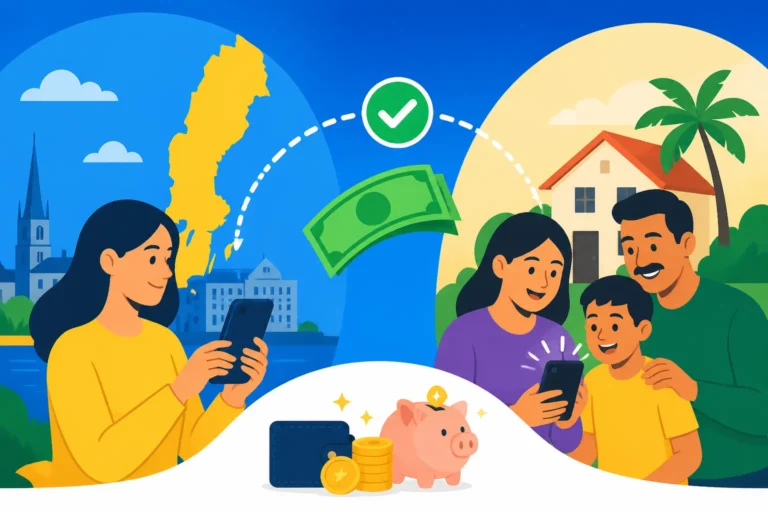
One of the most effective immediate solutions for new arrivals is to leverage international money transfer services and digital wallets. Services like Wise stand out here. With Wise, you can open a multi-currency account that gives you local bank details for various countries, including Sweden. This means your Swedish employer can pay your salary directly into your Wise account using a Swedish account number and sort code, just as if it were a local Swedish bank account. You can then use the Wise debit card for purchases in Sweden or transfer money to other accounts. This significantly reduces the reliance on foreign bank accounts and expensive international wire transfers. Sending Money To and From Sweden Without Losing on Fees becomes much more manageable.
These services also allow you to hold SEK, exchange currencies at competitive rates, and make international payments. While you won't get a Swedish BankID or Swish initially, a Wise account provides critical functionality for daily financial needs. It's a lifesaver for those first few months. Many expats also use services like "Taxes for Expats" to ensure that even their initial income and financial movements are correctly managed, particularly when dealing with income from abroad or the complexities of dual residency before fully integrating into The Swedish Tax System Explained: Rates, Returns, and Filing.
Temporary Payment Solutions
While you work on getting a full Swedish bank account, you'll need practical ways to handle daily expenses. Your existing foreign debit or credit cards will be your primary tools. Most shops in Sweden accept major international cards like Visa and Mastercard. However, be aware of potential foreign transaction fees from your home bank and less favorable exchange rates. Always check with your bank about these charges.
Carrying a small amount of cash can be useful for very rare exceptions, but Sweden is highly cashless, and many places, especially smaller businesses or cafes, might not accept cash at all. Don't rely on it heavily. Prepaid debit cards, loaded with a specific amount of money, can also be an option, offering a degree of budget control and limiting your exposure if the card is lost or stolen. While these temporary solutions are crucial for day-to-day survival, they highlight the urgent need to secure a proper Swedish bank account for seamless financial integration.
The Path Forward: Getting Your Personnummer and Full Integration
Once you’ve wrestled with the bureaucracy and finally obtained your Personnummer, a whole new world of financial convenience opens up in Sweden. It’s a moment of triumph for many expats, marking a significant step towards truly settling in.
How Your Bank Account Evolves
The first thing you should do once your Personnummer lands in your digital mailbox (or physical one) is to inform your bank. If you managed to open a basic account without it, bringing your Personnummer to the bank will allow them to update your profile. This is when you can unlock the full suite of modern Swedish banking services. Crucially, your Personnummer is required for you to get a Swedish BankID. BankID is Sweden's electronic identification system, essential for online banking, making payments, accessing public services like 1177 Vårdguiden, and signing documents digitally. It’s practically indispensable for daily life.
With BankID in hand, you can then activate Swish, the popular real-time mobile payment service. Swish is used by virtually everyone in Sweden for instant transfers between individuals, and for paying businesses and even charities. From splitting a fika bill with a friend to paying for second-hand items, Swish is king. You'll also gain easier access to credit cards (if desired), investment accounts, and other financial products. The transformation is significant; what was once a rudimentary account becomes a fully functional gateway to Sweden’s efficient digital economy. This integration is what makes BankID and Digital Payments: How Money Moves in Cashless Sweden so critical.
The Long-Term Benefits of a Fully Integrated Account
A fully integrated Swedish bank account connected to your Personnummer isn't just about convenience; it's about stability and peace of mind. All your financial transactions will be streamlined, making budgeting and tracking your expenses much easier. Your salary will flow smoothly, and paying bills via autogiro (direct debit) or e-faktura (e-invoice) through your online bank will become effortless. No more worrying about foreign transaction fees or delays with international transfers for your essential payments.
Furthermore, having all your finances centralized simplifies your annual tax declaration. Skatteverket pre-fills much of your tax return based on data from your employer and bank, and with BankID, you can easily review and approve it digitally. This level of financial integration is a cornerstone of living and working in Sweden, and while the journey to get there without a Personnummer can be tough, the rewards of a smooth financial life are well worth the effort. Knowing How Long Does It Take to Open a Bank Account in Sweden might not shorten the wait, but preparing for the benefits makes the journey worthwhile. Once you have your Personnummer, applying for a How Do I Get a Swedish ID Card can further solidify your identification for all financial and administrative needs.
Disclaimer
The information provided in this guide is intended for general informational purposes only and does not constitute financial or legal advice. Banking policies and immigration regulations in Sweden can change. Always verify current requirements with individual banks, Skatteverket, Migrationsverket, or relevant authorities. It is recommended to seek professional advice tailored to your specific situation.