What Is the Difference Between Inkomstpension and Premiepension?
One of the most confusing moments for any newcomer to Sweden is receiving that first "Orange Envelope" (orange kuvertet) in the mail. You stare at terms like inkomstpension and premiepension, wondering how much of your hard-earned salary is actually being saved for your future and whether you will ever see that money if you decide to leave the Nordics. This guide breaks down the critical differences between these two components of the Swedish national pension so you can plan your financial future with confidence.
The Architecture of the Swedish National Pension
To understand the difference between inkomstpension and premiepension, you first have to look at how the Swedish state collects your money. Every year that you work and pay taxes in Sweden, an amount corresponding to 18.5% of your pensionable income is set aside for your national pension (allmän pension). This isn't a voluntary contribution; it is baked into the social security fees paid by your employer and the taxes you see on your payslip.
This 18.5% is not treated as a single lump sum. Instead, the Swedish system splits it into two distinct pots with very different rules for how they are managed, how they grow, and how much control you have over them. The lion's share—16%—goes into the inkomstpension, while the remaining 2.5% is funneled into the premiepension. If you are currently Understanding Your Swedish Payslip and Preliminärskatt, you might notice that these percentages don't always appear as line items, but they are working behind the scenes for every krona you earn above a certain minimum threshold.
For many expats, the system feels opaque. You might be used to a 401(k) or a private pension pot where you can see a cash balance. In Sweden, the public pension is a "defined contribution" system, but the way those contributions are tracked differs wildly between the "income" portion and the "premium" portion. It is also vital to remember that these two are just the bottom layer of the Swedish system; they are often supplemented by occupational pensions, which we discuss in our guide to Pensions in Sweden: The Public, Occupational, and Private Layers.
Inkomstpension: The Pay As You Go Foundation
The inkomstpension is the bedrock of the Swedish retirement system. It represents the 16% of your pensionable income that is credited to your account every year. However, here is the realistic kicker that surprises many foreigners: the money you pay into the inkomstpension today isn't sitting in a vault with your name on it. Instead, Sweden uses a "pay-as-you-go" system. The money currently being deducted from your salary is being used to pay the pensions of people who are retired right now.
In exchange for this contribution, the state grants you "pension rights." Think of it as a ledger entry. The value of your inkomstpension is indexed annually based on the general wage development in Sweden. If the Swedish economy is doing well and average wages are rising, your pension rights grow. If the economy stagnates, the growth of your future pension slows down. This makes the inkomstpension a relatively stable, low-risk component of your retirement, but it also means you have zero control over how it is invested.
Because this system is so closely tied to the Swedish state, many expats worry about what happens if they move to another country. You don't lose these rights just because you leave. However, the eventual payout will be in Swedish Kronor. If you are a US citizen or a high-earner with complex global tax obligations, you might need to consult experts like Taxes for Expats to ensure you are reporting these future "rights" correctly to your home tax authorities, as the IRS and other agencies often view foreign state pensions through a specific lens. Furthermore, when the time comes to actually claim this money from abroad, using a service like Wise can be helpful for managing the currency exchange without the heavy fees traditional banks might charge.
The Mechanics of the Notional Account
Your inkomstpension is tracked in what economists call a "notional" account. It reflects what you have "contributed," but since the money is already spent on current retirees, your balance is essentially a promise from the Swedish government. This promise is backed by the Swedish Social Insurance Agency, and you should ensure you are Registering with Försäkringskassan: When and Why You Need To as part of your initial move to ensure your earnings are correctly linked to your personnummer.
Growth and the Wage Index
Unlike the stock market, which can swing wildly, the inkomstpension follows the "följsamhetsindexerig." This means it tracks the average income growth of all workers in Sweden. It provides a hedge against inflation to some extent, but it won't see the massive gains of a bull market. For an expat, this is the "boring" part of your pension—it’s the safety net that ensures you have a baseline of support, provided you have worked in Sweden long enough to qualify for a meaningful amount.
Premiepension: The Part You Can Control
While the inkomstpension is managed entirely by the state, the premiepension (often called the PPM) is where you get to play the role of an investor. This represents the 2.5% portion of your pensionable income. Unlike the inkomstpension, the money in your premiepension is actually invested in real funds. You have an actual balance of shares in various investment funds, and you can choose how that money is allocated.
If you do nothing, your money is automatically placed in the state-managed default fund called AP7 Såfa. This is a highly diversified, low-fee fund that adjusts its risk level based on your age. For many expats who find the Swedish system overwhelming, staying in AP7 Såfa is actually a very savvy move, as it has historically outperformed many private fund choices. However, if you are someone who enjoys managing their own portfolio, you can log into the Pensionsmyndigheten website and choose from hundreds of different funds.
This choice is one of the few areas where you can actively influence the size of your Swedish retirement fund. Because the premiepension is invested in the market, it carries more risk than the inkomstpension. If the markets crash right before you retire, your PPM balance will take a hit. Conversely, a strong market over twenty years can turn that 2.5% contribution into a surprisingly significant portion of your total payout. If you are unsure how to check your current status, our article on How Do I Check My Pension Forecast on Pensionsmyndigheten? provides a step-by-step walkthrough.
Choosing Your Own Path
You can select up to five different funds for your premiepension. These can range from sustainable energy funds to emerging market stocks. The Swedish government provides a digital portal where you can compare the fees and historical performance of these funds. Be wary of high fees; even a 1% difference in annual fees can eat away a massive portion of your savings over several decades.
The Portability of the PPM
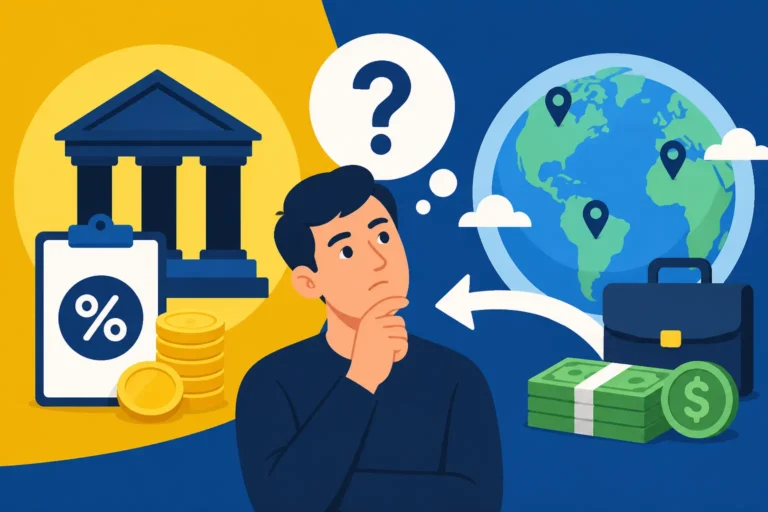
One of the most frequent questions I hear from fellow expats is: "Can I take this money with me?" The answer is yes, but only when you reach retirement age. You cannot "cash out" your premiepension early if you move back to your home country. However, once you reach the age of 63 (or whatever the prevailing retirement age is at that time), you can have your premiepension paid out to you anywhere in the world. When those payments start, services like Wise are again invaluable for moving that money across borders at mid-market exchange rates. For Americans, companies like Taxes for Expats can help navigate whether the PPM is treated as a social security benefit or a private investment for tax purposes.
Key Differences at a Glance
Understanding the nuances between these two can be tough when you're just trying to figure out which grocery store has the best prices or how to survive the dark winters. To make it easier, I’ve put together a comparison table that highlights the fundamental differences you need to know.
| Feature | Inkomstpension | Premiepension (PPM) |
|---|---|---|
| Contribution Rate | 16% of pensionable income | 2.5% of pensionable income |
| Funding Model | Pay-as-you-go (Current workers pay current retirees) | Funded (Real money invested in funds) |
| Investment Control | None (Managed by the state) | High (You choose your funds) |
| Growth Basis | National average wage development | Market performance of chosen funds |
| Default Option | Not applicable | AP7 Såfa (State-managed default fund) |
| Risk Level | Low (Linked to Swedish economy) | Moderate to High (Linked to stock market) |
As you can see, the two systems are designed to balance each other out. One provides stability linked to the local economy, while the other provides an opportunity for market-driven growth. If you are worried about the duration of your stay, you should read our guide on Will I Get a Swedish Pension If I Only Work Here a Few Years? to understand the minimum requirements for a payout.
Strategic Financial Planning for Foreigners
Living in Sweden as an expat requires a shift in financial mindset. You aren't just saving for retirement; you are navigating a foreign legal system, currency fluctuations, and international tax treaties. One major frustration many face is that the "Orange Envelope" only shows your Swedish state pension. It doesn't show what you might have saved back home or what your employer is contributing to your occupational pension.
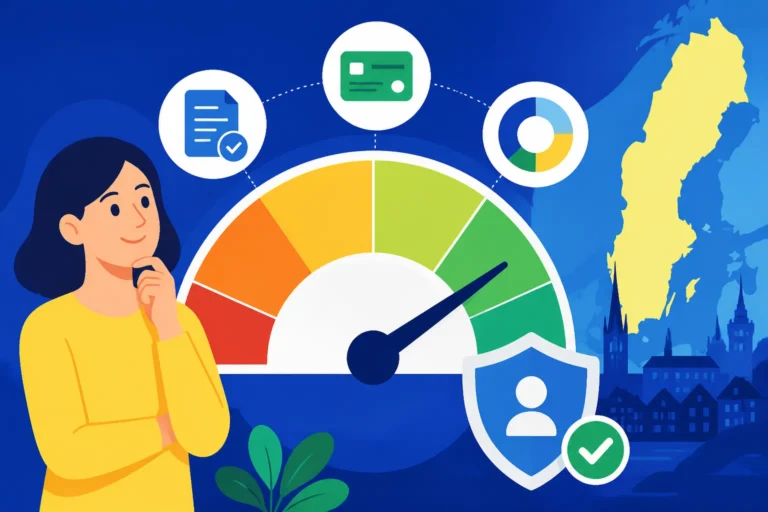
To get a true picture, you should use the "minPension" service, which aggregates all your different pension pots in Sweden. This is particularly important for Filing Your Swedish Tax Return (Deklaration): What You Need to Know, as you want to ensure all your contributions are being tracked correctly. If you are an American citizen, remember that Sweden and the US have a totalization agreement that prevents double taxation on social security, but the reporting requirements remain strict. This is where specialized services like Taxes for Expats become essential to avoid hefty penalties from the IRS.
Finally, keep an eye on the "pensionable income" ceiling. There is a maximum limit to how much of your income actually counts towards your public pension. If you earn significantly above this ceiling, your inkomstpension and premiepension contributions will flatline at the cap. In these cases, your occupational pension and private savings become the most important factors in maintaining your lifestyle after you stop working. If you ever find yourself needing to transfer large sums of savings out of Sweden to diversify your investments, using Wise is often the most cost-effective way to avoid the hidden fees of the major Swedish banks like SEB or Swedbank.
Practical Steps to Take Today
The Swedish system is excellent, but it isn't automatic in the way most people think. You need to be proactive. First, log into the Pensionsmyndigheten website using your BankID. Look at your "forecast." This will show you a projected monthly payout based on different retirement ages. It can be a sobering experience, but it’s better to know now than when you're 65.
Second, decide if you are happy with the default AP7 Såfa fund for your premiepension. For 90% of people, the answer should probably be "yes," but it’s worth reviewing. Third, make sure your address is updated with Skatteverket so you actually receive your Orange Envelope and other vital correspondence. If you move, ensure you are aware of the rules for Can I Take My Swedish Pension Abroad When I Leave? so you don't face any surprises decades down the line.
Navigating the difference between inkomstpension and premiepension is a rite of passage for any long-term resident in Sweden. While it may feel like a lot of jargon at first, understanding these two pillars is the first step toward a secure and comfortable life in your new home, whether you stay for five years or fifty.
Disclaimer
The information provided in this guide is for informational purposes only and does not constitute financial, legal, or tax advice. Pension rules and tax laws in Sweden and your home country are subject to change. Always consult with a qualified financial advisor or tax professional regarding your specific situation.