Is There a Walk-In Clinic in Sweden or Do I Always Need an Appointment?
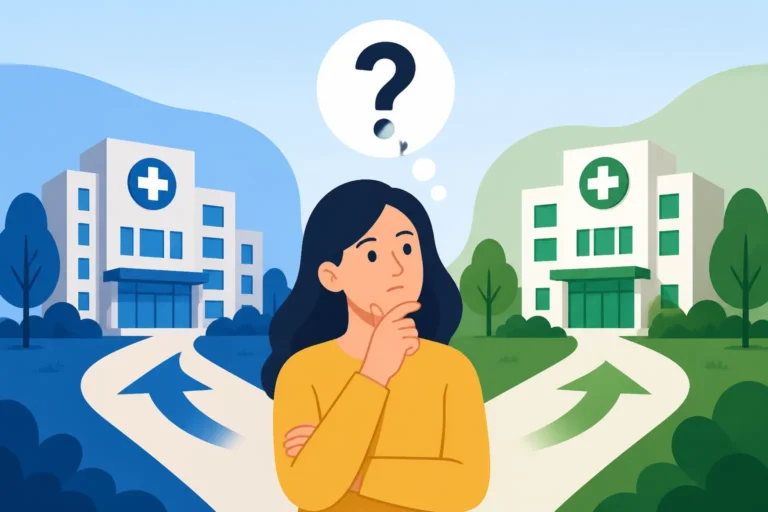
You wake up on a Tuesday morning in Stockholm or Gothenburg with a sharp pain in your side or a fever that won't quit, and your first instinct is to find a local clinic and wait in the lobby. I remember my first winter in Sweden, standing in the freezing slush with a throat so sore I could barely swallow, assuming I could just walk into the nearest medical center. I quickly realized that the Swedish healthcare system doesn't quite work on the "first-come, first-served" basis many of us are used to back home. This guide will solve the mystery of where you can actually show up unannounced and when you absolutely must have a pre-booked slot.
The Reality of Primary Care and the Vårdcentral Gatekeeper
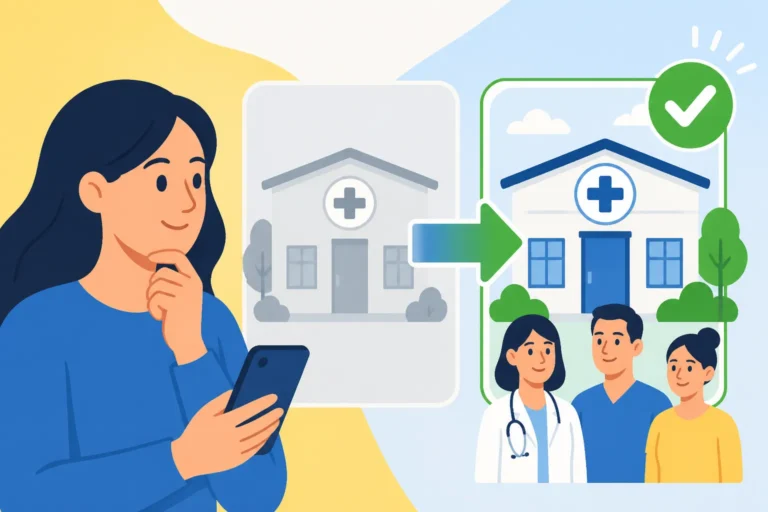
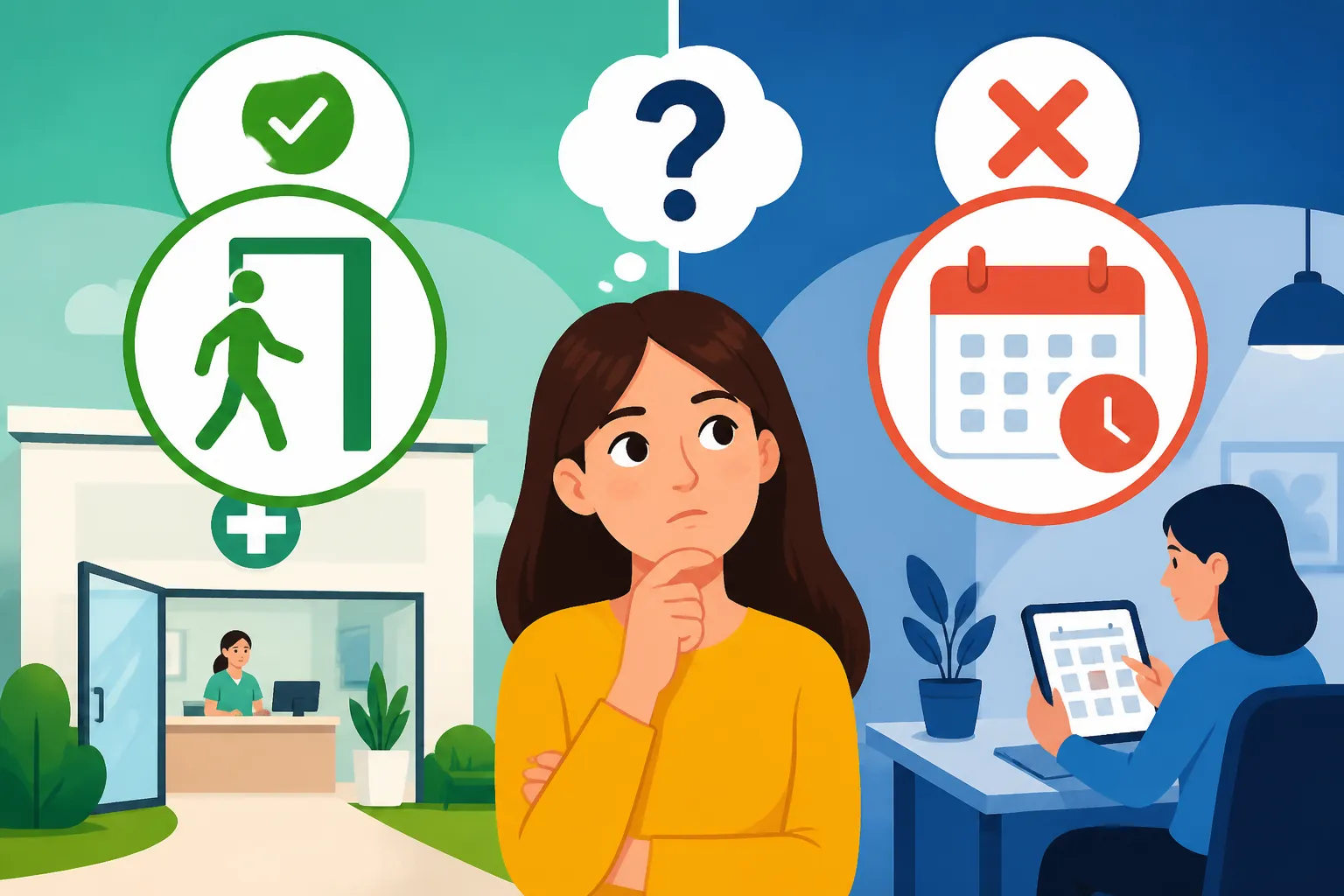
In many countries, walk-in clinics are the backbone of the urban healthcare experience. In Sweden, the system is built around the vårdcentral, which translates literally to a care center. This is your primary hub for everything from a persistent cough to mental health struggles. However, the concept of a "walk-in" at a vårdcentral is increasingly a thing of the past.
When you first arrive, you might be tempted to just show up at the front desk of the nearest clinic. I did this once, only to be met by a very polite but firm receptionist who explained that the doctors were fully booked for the next three days. Most vårdcentraler operate on a strict appointment-only basis. The system is designed to be efficient, but for a newcomer, it can feel like you are being locked out of the room when you are at your most vulnerable. To navigate this, you need to understand Registering with a Vårdcentral: Your Guide to Primary Care in Sweden so that you have a "home" clinic before the crisis hits.
The "appointment" culture is deeply ingrained here. It isn't just about the doctor's time; it is about the triage process. In Sweden, the nurse is the gatekeeper. Even if you manage to find a clinic that says they have a "drop-in" hour (which some still do for very specific things like blood pressure checks or vaccinations), you will always be triaged first. This means explaining your symptoms to a nurse who decides if your situation is urgent enough for a same-day slot. If you are just starting your journey, you might still be wondering How Do I Register at a Vårdcentral When I First Arrive in Sweden? to ensure you are in the system.
When You Can Actually Walk In: The Lättakut and Jourcentral
While the standard vårdcentral is usually appointment-only, there are specific "urgent care" versions of these clinics designed for minor emergencies. These are the closest things you will find to a traditional walk-in clinic.
The Lättakut (Light Urgent Care)
Some larger vårdcentraler operate a lättakut. This is a designated section for minor, acute issues like sudden rashes, ear infections, or suspected urinary tract infections. These often have specific "drop-in" hours, usually early in the morning between 8:00 AM and 10:00 AM.
The catch? You have to get there early. I’ve seen lines forming outside the doors of clinics in Södermalm twenty minutes before they open. If you show up at 10:15 AM, you might be told the slots for the "walk-in" portion are already full. It is a high-stakes game when you’re feeling miserable. If you are a visitor or haven't settled your paperwork yet, you might find that Can I See a Doctor in Sweden Before I Get My Personnummer? is a vital piece of information before trying your luck at a lättakut.
The Jourcentral (After-Hours Clinic)
If your symptoms flare up at 7:00 PM or on a Saturday, the vårdcentral will be closed. This is where the jourcentral comes in. These are specifically designed for non-life-threatening issues that cannot wait until Monday morning. You don't always need a pre-booked appointment in the traditional sense, but you are almost always expected to call 1177 first.
The 1177 operators will assess your condition over the phone and tell you which jourcentral has the shortest wait or is best equipped to help you. Walking in without calling first is possible in some regions, but you risk being turned away and told to call the number while standing in the lobby. For those still finding their feet, 1177 Vårdguiden: Navigating Sweden's National Health Advice Line and Portal is the most important bookmark you will have on your phone.
The Närakut: The Middle Ground for Urgent Issues
For things that are more serious than a cold but less dire than a heart attack—think a deep gash that needs stitches or a suspected broken wrist—you head to the närakut. This is an urgent care center that sits between the primary care clinic and the hospital emergency room.
In major cities like Stockholm, närakuter are often open from 8:00 AM to 10:00 PM every day. These are true walk-in centers in the sense that you don't need a referral or a pre-booked time. However, the wait times can be legendary.
The benefit of the närakut is the equipment. Unlike a standard vårdcentral, they have X-ray machines and labs on-site. If you go to a regular clinic with a broken toe, they will just send you to the närakut anyway. It is worth knowing What Number Do I Call for Non-Emergency Medical Advice in Sweden? before you head out, as they can tell you the current wait times at different locations.
Comparison of Care Entry Points in Sweden
| Type of Clinic | Needs Appointment? | Best For | Typical Hours |
|---|---|---|---|
| Vårdcentral | Yes (Usually) | Chronic issues, prescriptions, routine checkups | Weekdays 08:00–17:00 |
| Lättakut | No (Drop-in) | Acute minor infections, rashes, simple wounds | Early mornings (1–2 hours) |
| Jourcentral | Recommended to call | Issues that can't wait for business hours | Evenings and Weekends |
| Närakut | No | Broken bones, deep cuts, high fevers | 08:00–22:00 Daily |
| Akutmottagning | No | Life-threatening emergencies | 24/7 |
Navigating the System as a Tourist or New Expat
One of the biggest frustrations for newcomers is the feeling that the door is closed unless you have a personnummer. If you are here on a shorter stay or are waiting for your residency to be processed, the "appointment-only" nature of the system can feel like a brick wall.
Tourists from the EU should always carry their EHIC card. If you are in this category, Can EU Citizens Use Swedish Healthcare with an EHIC Card? explains how you can access care on the same terms as locals. For those from outside the EU, the lack of a personnummer often means you can't use the online booking systems like 1177.se, which require BankID. In these cases, you are forced to call the clinic directly or show up at a närakut.
This is where private health insurance becomes a lifesaver. For digital nomads or those in the "limbo" period before their Swedish paperwork is finalized, a policy from SafetyWing can be an excellent stopgap. It provides the peace of mind that if you do need to use a private clinic to avoid the public system's queues, your costs are covered. Similarly, for long-term expats who want to skip the "nurse-led triage" and get straight to a specialist, Cigna Global offers plans that allow you to access private providers where walk-in or rapid-access appointments are much easier to secure.
Digital "Walk-In" Clinics: The Modern Swedish Alternative
If you truly cannot wait and don't want to stand in a physical line, Sweden has embraced digital healthcare like few other countries. Apps like Kry and Min Doktor have revolutionized the "walk-in" concept. You don't walk through a door; you open an app.
You can often get a video call with a doctor within 15 to 30 minutes. For things like prescriptions, birth control, or simple infections, this is the fastest "walk-in" experience available. Many of these digital providers also have physical "pop-up" clinics in pharmacies for things that require a physical exam, like a strep test.
However, be aware that these digital services are not always the best choice for complex or long-term issues. If you have a chronic condition, the system prefers you to have a continuous relationship with a specific doctor. You can learn more about this by reading Finding a Doctor in Sweden: GPs, Specialists, and the Referral System.
The Triage Call: What to Expect
When you call a clinic to try and get an "acute" appointment, you will likely encounter an automated call-back system. You enter your phone number, and a nurse calls you back at a designated time. This can be infuriating when you feel like you're dying, but it is how the system maintains order.
When the nurse calls, you need to be very clear about your symptoms. Swedes are notoriously stoic, and if you downplay your pain, you might be told to "wait and see" for a few days. If you are a newcomer, you might feel a bit lost during this conversation, especially if there is a language barrier. How Do I Get Care If I Don't Speak Swedish Yet? offers great tips on how to handle these interactions and request an interpreter if needed.
If you are a parent, the rules are slightly different. The Family and Children's Healthcare in Sweden: BVC, Mödravård, and Beyond system is much more responsive to acute needs. Children are often prioritized for same-day appointments, and you will find that the barriers to "walking in" (or at least getting an immediate slot) are much lower when a feverish toddler is involved.
When to Skip the Clinic and Go to the Hospital
It is a common mistake for foreigners to go to the Emergency Room (Akutmottagning) for things that could be handled at a närakut. If you show up at a major hospital like Karolinska with a minor issue, you will wait for six to eight hours, or you might even be told to leave and go to a local clinic.
Use the Akutmottagning only for genuine emergencies. If you are unsure, calling 1177 is the safest bet. They can tell you if your symptoms require an ambulance or if you should just wait for the närakut to open in the morning. If you find yourself in a truly dire situation, Emergency Medical Care in Sweden: 112, Akutmottagning, and Urgent Help provides the essential steps for the most critical moments.
For those who are not yet fully integrated into the Swedish social security system, the cost of an ER visit can be high. This is another area where having a plan from Cigna Global or SafetyWing is essential. While Swedish healthcare is tax-funded, those without a personnummer or an EHIC card can be charged the full "unsubsidized" cost of treatment, which can run into thousands of kronor for a single visit.
Practical Tips for Your First "Acute" Visit
If you decide to try a drop-in clinic or a närakut, here is a survival checklist to make the process smoother:
- Bring your ID: Whether it is your Swedish ID card or your passport, they cannot treat you without it.
- Payment: Almost all clinics are cashless. Ensure you have a card that works in Sweden.
- Prepare for the Triage: Know your symptoms, when they started, and what medications you are taking.
- Bring a snack and a book: Even "fast" walk-ins can take hours. Swedish waiting rooms are clean but rarely provide entertainment.
- Check 1177.se first: Even if you can't log in with BankID, the public information pages will tell you which clinics in your area currently have "drop-in" hours for the lättakut.
Managing your health in a new country is stressful, especially when the "front door" feels locked. By understanding that "walking in" in Sweden usually involves a phone call to 1177 or an early morning trip to a lättakut, you can save yourself a lot of wasted time and frustration. If you are planning for the long term, making sure you understand The Högkostnadsskydd Explained: Sweden's Healthcare Cost Ceiling and Frikort will help you manage the financial side of these visits once you are fully registered.
Healthcare in Sweden Disclaimer
The information provided in this article is for general informational purposes only and does not constitute professional medical or legal advice. While we strive to provide accurate and up-to-date information regarding the Swedish healthcare system, rules and regulations can change frequently. Always consult with a qualified healthcare professional or the official 1177 Vårdguiden service for medical concerns. For administrative or residency-related health queries, please refer to the official websites of Migrationsverket or Försäkringskassan. Use of any private insurance mentioned should be reviewed based on the provider's specific terms and conditions.