What Number Do I Call for Non-Emergency Medical Advice in Sweden?
You wake up at 3:00 AM with a throbbing pain in your side and a fever that won't quit. In your home country, you might have known exactly which clinic to visit, but in Sweden, the fear of "doing it wrong" or bothering emergency services can be paralyzing. I remember sitting on my kitchen floor in Malmö, clutching my phone and wondering if my symptoms warranted a 112 call or if I should just wait for the morning. This guide clarifies exactly which number to call for medical advice and how to navigate the Swedish triage system without the stress.
The Magic Number 1177 Vårdguiden
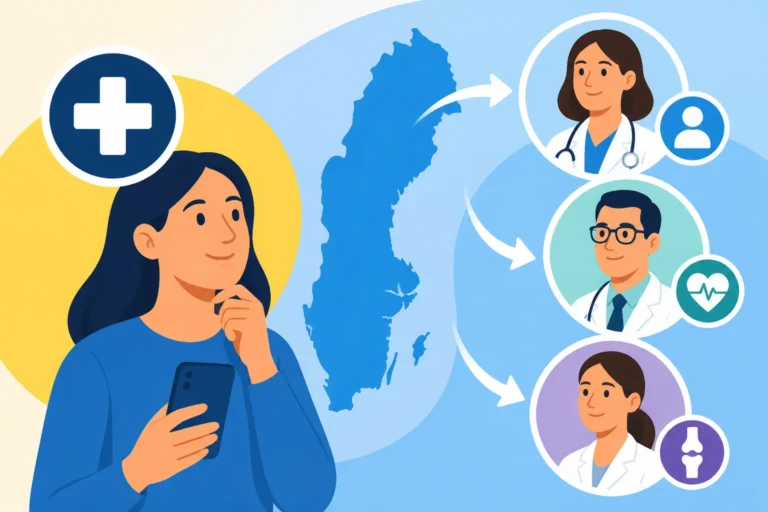
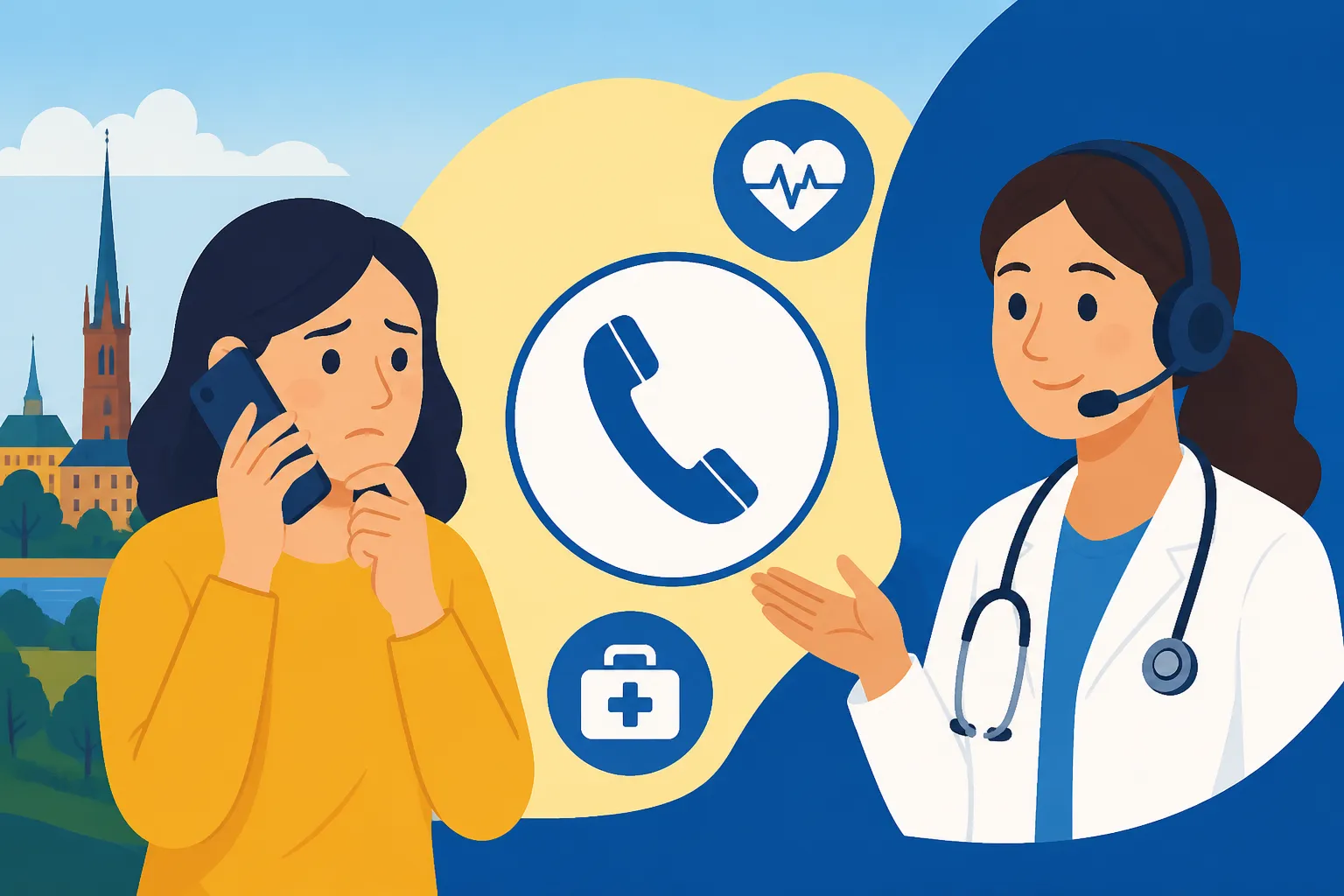
In Sweden, the most important number to memorize—aside from the emergency line—is 1177. This is the national hub for non-emergency medical advice, officially known as 1177 Vårdguiden: Navigating Sweden's National Health Advice Line and Portal. It is a 24/7 service staffed by registered nurses who are trained to assess your symptoms, provide medical advice, and tell you where to go if you need physical care.
When you dial 1177, you aren't just calling a hotline; you are entering the gateway of the Swedish healthcare system. The nurses use a standardized medical decision-support system to determine the urgency of your case. For an expat, this service is a lifesaver because it prevents you from sitting for six hours in an emergency room (Akutmottagning) for something that could have been handled by a local clinic the next morning.
I've called 1177 for everything from a toddler's sudden rash to a lingering chest infection that I wasn't sure was pneumonia. Each time, the process is the same: you provide your Personnummer (if you have one), describe your symptoms, and receive a clear directive. If the nurse believes you need to see a doctor immediately, they can often see which local "Jourcentral" (urgent care clinic) is open and has the shortest wait time. If you are a digital nomad or traveler using SafetyWing while waiting for your residency to be processed, calling 1177 is still your best first step to understand where to seek treatment that will be recognized by your insurance provider.
When to Call 1177 Instead of 112
One of the biggest hurdles for newcomers is understanding the threshold for "emergency." In Sweden, the 112 emergency line is strictly for life-threatening situations where every second counts—think heart attacks, unconsciousness, or severe accidents. For everything else, you call 1177.
If you call 1177 and the nurse realizes your situation is more grave than you thought, they have the authority and the technical capability to patch you through to the 112 dispatchers immediately. There is no penalty for "guessing wrong" by calling 1177 first, but there is a significant social and systemic pressure not to clog the 112 lines with non-emergencies.
Language Options and Accessibility
A common worry for expats is the language barrier. While the automated menu when you first dial 1177 is in Swedish, there is almost always an option to "Press 4" or stay on the line for English. Even if you don't hear the prompt, virtually every nurse working for the service speaks excellent English.
In some regions, like Stockholm or Västra Götaland, they offer specific lines for other languages including Arabic, Somali, and Farsi during certain hours of the day. If you find yourself struggling to explain complex symptoms in Swedish, simply say, "Jag skulle vilja prata engelska, tack" (I would like to speak English, please). They will accommodate you. For those with international private coverage like Cigna Global, having a clear medical assessment from 1177 can also help when you later speak to your private insurance coordinator about seeking specialist care.
How the 1177 Phone Consultation Works
When you call, you will first hear a recorded message. You'll be asked to enter your 12-digit Personnummer. If you don't have one yet, you can usually just wait, and the system will eventually put you through to a queue. You’ll be told your estimated wait time, which can range from two minutes at noon to forty minutes on a flu-heavy Monday morning.
The Triage Process
Once the nurse answers, they will ask for a detailed history. Be prepared to answer:
- When did the symptoms start?
- Have you taken any over-the-counter medication (like Alvedon or Ipren)?
- Do you have any chronic conditions?
The nurse's job is "gatekeeping" in the most helpful sense. They are trying to decide if you can stay home with self-care, if you should book an appointment at your Vårdcentral (primary care clinic) the next day, or if you need to go to an urgent care center right now.
Receiving a Recommendation
At the end of the call, the nurse will give you a specific recommendation. If they tell you to "avvakta" (wait and see), they will also give you "red flags" to look out for. If those red flags appear, you call back. If they recommend a visit to a doctor, they will tell you which Emergency Medical Care in Sweden: 112, Akutmottagning, and Urgent Help facility is closest to you and currently open. It is important to note that 1177 nurses cannot write prescriptions or book an appointment at your local Vårdcentral for you—you still have to do that yourself—but their "referral" or advice carries weight when you show up at a clinic.
| Service Level | Phone Number | Purpose |
|---|---|---|
| Emergency | 112 | Life-threatening emergencies, accidents, or crimes in progress. |
| Medical Advice | 1177 | Non-emergency symptoms, nursing advice, and finding the right clinic. |
| Local Clinic | Varies | Routine check-ups, chronic disease management, and non-urgent prescriptions. |
| Poison Info | 010-456 6700 | Specific advice on swallowed toxins or chemical exposure (Giftinformation). |
Navigating the 1177.se Digital Portal
While the phone line is for immediate advice, the website 1177.se is a massive encyclopedia of Swedish healthcare. It is available in several languages and is the best place to find out What Does a GP Visit Cost at a Swedish Vårdcentral? or to look up specific symptoms.
Logging In with BankID
To unlock the full power of the portal, you need a Swedish BankID. Once you log in, you can see your personal medical records, check your Prescription Medicines in Sweden: Recept, Refills, and the Cost Cap status, and see results from recent blood tests. For many, the most useful feature is the ability to Booking Doctor Appointments Online Through 1177.se with BankID, which saves you from the dreaded 8:00 AM phone queue at your local clinic.
If you are still in the process of Getting Your Personnummer: The Gateway to Swedish Healthcare, you won't be able to log in to the digital services yet. In this case, the 1177 phone line is your primary tool. You can still use the public-facing side of the website to read articles about Swedish healthcare laws and your rights, such as The Vårdgaranti: Your Right to Timely Care in Sweden.
Managing Your Care
Inside the portal, you can also choose or change your primary care provider. This is known as "Vårdval." If you aren't happy with your current doctor, you can use the portal for Choosing and Switching Your Vårdcentral Through Vårdval with just a few clicks. You can also send secure messages to your doctor to ask for a How the Referral (Remiss) System Works for Seeing a Specialist in Sweden or to renew a standard prescription.
When 1177 Isn't Enough: Specialized Lines
While 1177 covers almost everything, there are two other numbers you should have in your phone "just in case."
Giftinformation (Poison Information)
If you or your child has swallowed something potentially toxic—cleaning supplies, unknown berries, or too much medication—you can call the Swedish Poisons Information Centre. While you can reach them through 112 in an emergency, for less urgent "did he just eat a cigarette butt?" questions, you can call 010-456 6700. They are incredibly fast and specialized.
Mental Health Support
If you are experiencing a mental health crisis, 1177 is still a good starting point, as they can direct you to the "Psykiatrisk Akutmottagning" (Psychiatric ER) in your region. However, if you just need someone to talk to, Sweden has several helplines like "Mind" (Självmordslinjen) which can be reached at 90101. For more long-term support, you might want to look into Mental Health Support in Sweden: Psychologists, Therapy, and Referrals to understand how to get a therapist through the public system.
Expats often find the transition to Sweden's dark winters difficult. If you find your mood dipping significantly, don't wait for a crisis. Use the 1177 portal to find a "Samtalskontakt" (counselor) at your local clinic early on. If you have SafetyWing or a similar expat-focused plan, check if they offer "Telehealth" or remote counseling, which can sometimes be faster than the local queue.
Practical Advice for Your First Call
When I made my first call to 1177, I was nervous and tried to over-explain my entire medical history since birth. The nurses prefer a "current symptoms first" approach.
- Have your Personnummer ready: Or your date of birth if you don't have one.
- Take your temperature: "I have a fever" is less helpful than "My temperature is 38.9 degrees."
- Note your medications: Know exactly what you’ve taken in the last 24 hours.
- Be honest about your pain: The Swedish system is conservative with painkillers, so be clear about how the pain is impacting your ability to sleep or move.
If you are covered by a premium plan like Cigna Global, you might also have access to a private 24/7 doctor line. Sometimes, it’s worth calling 1177 first to see if you need to be in the Swedish public system (for things like infectious diseases or urgent surgery) and then calling your private provider to see if they can get you a faster specialist appointment.
Dealing with Wait Times and the "Care Guarantee"
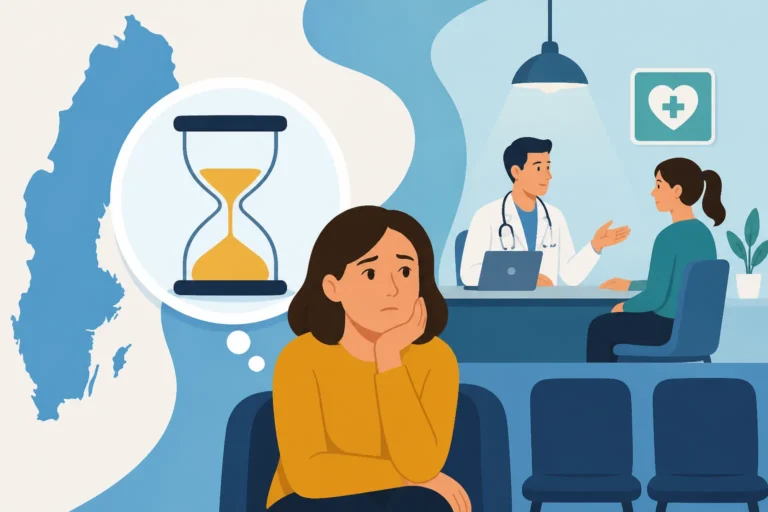
One of the most frequent frustrations for expats is the feeling that Swedish healthcare is "slow." If 1177 tells you to wait three days for an appointment, it’s because they have triaged you as non-urgent. Understanding How Sweden's Tax-Funded Healthcare Works: Regions, Costs, and Coverage helps manage these expectations.
Sweden has something called the Vårdgaranti. This is a legal guarantee that you should get a contact with primary care (like a nurse or doctor) on the same day you seek it, and a medical assessment within three days. If 1177 suggests you need a doctor, and your local Vårdcentral says they don't have time for two weeks, you can politely remind them of the Vårdgaranti.
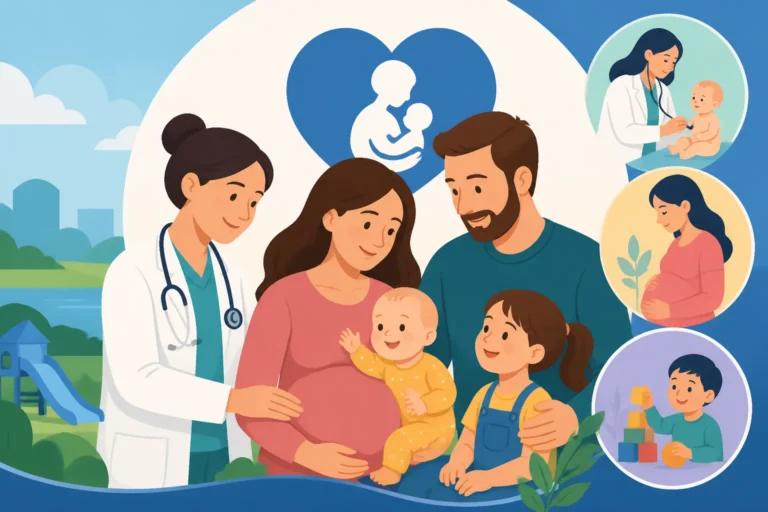
If you are a parent, the rules are even stricter. For children, the system moves much faster. You should always mention immediately if the patient is a child, as they are prioritized in the 1177 queue and at the clinics. For more details on this, see Family and Children's Healthcare in Sweden: BVC, Mödravård, and Beyond.
Summary of the Non-Emergency Process
To recap, if you are sick but not dying, your steps are:
- Call 1177: Get a professional assessment and advice on self-care.
- Follow the directive: Go to an Akutmottagning, a Jourcentral, or wait for your Vårdcentral to open.
- Check 1177.se: Use the website to find address details and opening hours for the clinic the nurse recommended.
- Book if needed: Log in with BankID to schedule an appointment or use the phone to call your specific Vårdcentral at 8:00 AM.
By using 1177 correctly, you ensure that you get the right level of care without unnecessary stress or expense. Whether you are fully integrated into the Swedish system or just starting out with SafetyWing, 1177 is your most reliable companion for navigating health in your new home.
Disclaimer
This article provides general information for educational purposes and should not be treated as professional medical advice. Always contact 112 in a life-threatening emergency. While we strive to keep information updated, Swedish healthcare regulations and phone numbers can change; always verify current procedures via official government sources like 1177.se or Krisinformation.se.