Which Vårdcentral Should I Choose If I Just Moved to Stockholm?
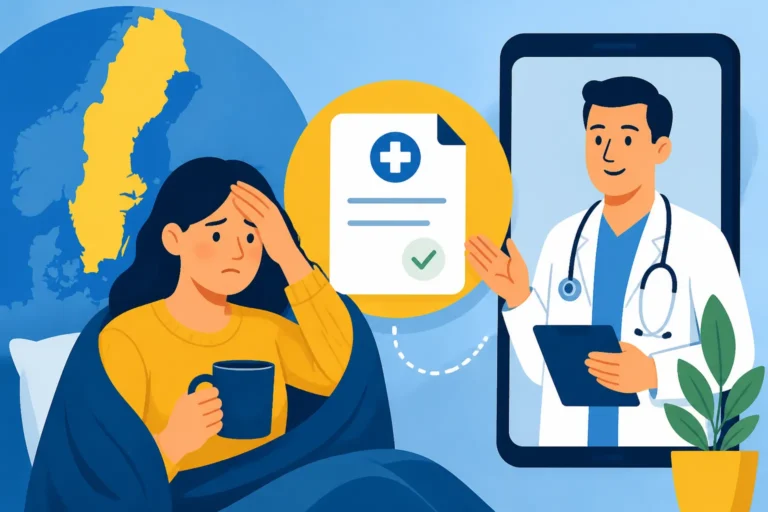
Landing in Stockholm often feels like a whirlwind of IKEA trips and paperwork, but the moment you feel that first scratchy throat, the realization hits: you have no idea who your doctor is. I remember wandering around Odenplan in a feverish daze during my first winter, realizing I hadn't registered anywhere. This guide solves the mystery of picking your primary care home in the capital.
Understanding the Stockholm Vårdcentral Landscape
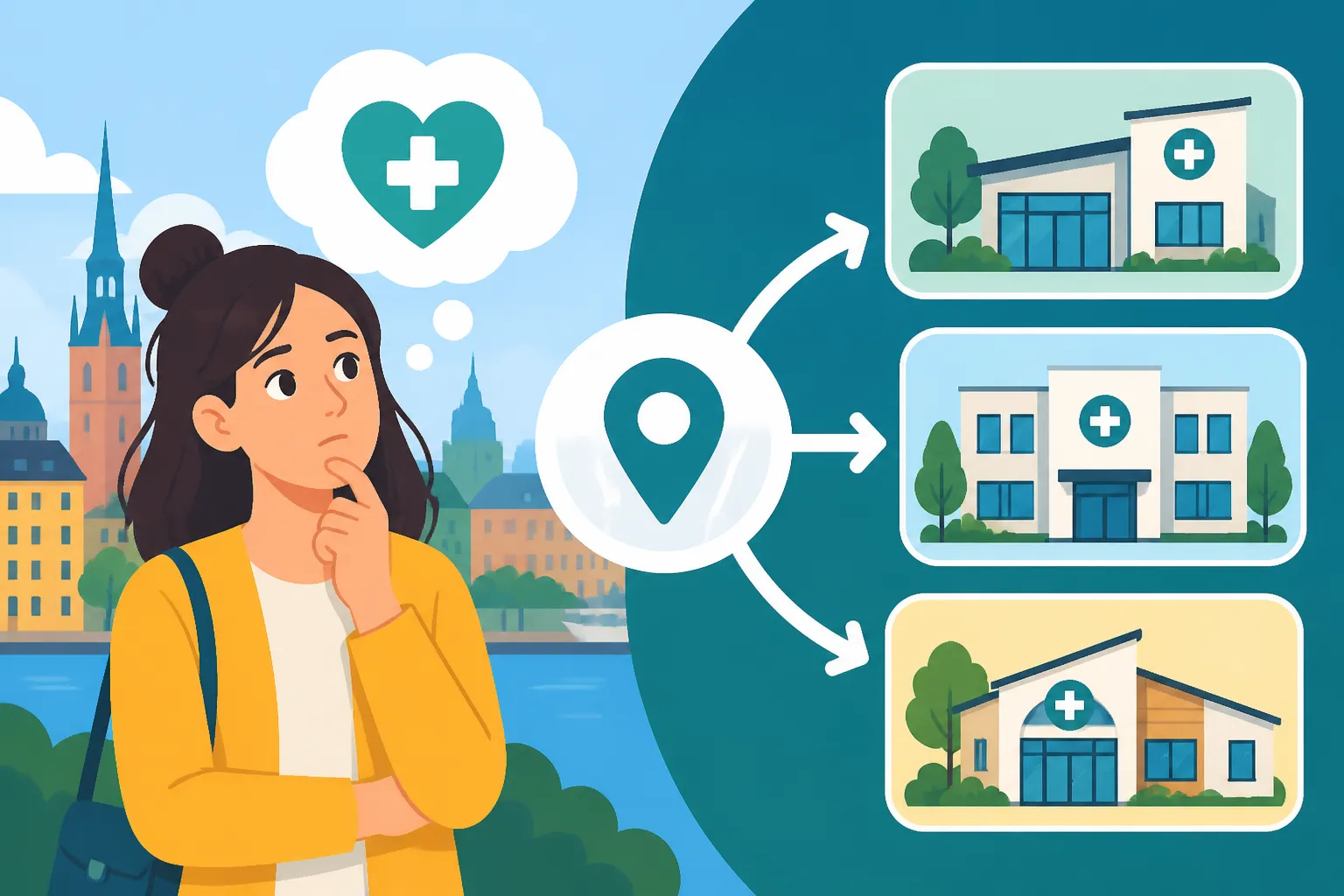
The Swedish healthcare system is decentralized, meaning each region handles things a bit differently. In Stockholm, the system is governed by Region Stockholm, and they use a model called Vårdval (Choice of Care). This essentially means you have the legal right to choose any primary care clinic, known as a Vårdcentral, regardless of where you live in the city. Unlike some countries where you are strictly tied to a local GP based on your postcode, Stockholm gives you the freedom to pick a clinic near your office in Norrmalm or one right next to your apartment in Södermalm.
This freedom is fantastic, but it also creates a paradox of choice. There are hundreds of clinics in the Stockholm area, ranging from large, state-run facilities to smaller, privately managed ones that operate under a regional contract. It is vital to understand that even the private clinics are part of the public system; you pay the same subsidized fees, and your visits count toward your high-cost protection. For those still navigating the early stages of their move, Healthcare in Sweden for Foreign Residents: The Complete System Guide (2027) provides a broader look at how these pieces fit together.
One thing I learned the hard way is that not all Vårdcentraler are created equal in terms of service. Some are massive hubs with on-site lab facilities, physiotherapists, and psychologists, while others are boutique clinics focused on quick consultations. If you are a newcomer waiting for your residency to process, you might feel a bit exposed. This is where services like SafetyWing can be a lifesaver, providing a safety net of insurance while you are still working through the local registration hurdles and don't yet have full access to the regional subsidies.
The Role of the Vårdcentral as Your Gatekeeper
In Stockholm, the Vårdcentral is your first point of contact for almost everything. Whether you have a persistent cough, a skin rash, or need a mental health consultation, you start here. It is very rare to go straight to a specialist in Sweden. Instead, you see a General Practitioner (GP) at your chosen clinic, and they decide if you need a remiss (referral). Understanding How Do I Get a Referral to a Specialist in Sweden? is crucial because without that golden ticket from your Vårdcentral, you might find yourself paying much higher "private" fees or being turned away by specialist clinics.
The GP at your Vårdcentral also manages your long-term health records. In a city as digital as Stockholm, this is surprisingly efficient. Once you are in the system, your records are accessible (with your consent) across different regional providers. This continuity of care is why Registering with a Vårdcentral: Your Guide to Primary Care in Sweden should be one of the first things on your "to-do" list after you’ve unboxed your kitchen supplies.
New arrivals are often told that your Vårdcentral is also your gateway to sick notes. If you are ill for more than a week, your employer will require a certificate from a doctor. Having a clinic where you are already registered makes this process significantly less stressful. You won't want to be calling around five different clinics while you have a 39-degree fever trying to find someone who has a free slot for a new patient.
Public vs. Private-Contracted Clinics
In Stockholm, you will see clinics branded as "Capio," "Praktikertjänst," or "Region Stockholm." It can be confusing, but here is the secret: they are all part of the same public "umbrella." A private-contracted clinic like Capio operates under the same rules and fee structures as the ones run directly by the government. The main difference usually lies in the administrative style and sometimes the digital tools they offer. Some people find the private-contracted clinics in Stockholm tend to have slightly more modern booking apps or snappier communication.
Choosing between them often comes down to the specific staff and the reputation of that particular branch. For instance, a Capio clinic in one suburb might be world-class, while another branch across town might be struggling with a staff shortage. This is why it is wise to check local expat forums or Google reviews specifically for the branch name. If you are someone who prefers a more premium, consistent experience across borders, looking into Cigna Global can complement the local system, especially if you want the option to seek private care outside the standard regional queues.
Ultimately, the "best" clinic is the one that has the resources you need. If you have children, you’ll want a Vårdcentral that is closely integrated with a BVC (Child Health Centre). If you have a chronic condition, you might look for a clinic that has a specialized nurse for diabetes or asthma. The Stockholm system is designed to be flexible, so don't feel like your first choice has to be your last.
Criteria for Choosing Your Primary Care Home
When I first arrived, I just picked the one closest to the T-Centralen station because I thought it would be convenient. I quickly realized that "convenient" means different things in Stockholm. On a Tuesday morning when you need to bring a sick child to the doctor before work, a clinic that is a 20-minute train ride away feels like it's on the moon. Proximity to your home is usually the smartest bet, especially when you consider the "Vård av Barn" (VAB) days where you might be making quick trips back and forth.
Another massive factor is language. While almost every doctor in Stockholm speaks excellent English, the administrative staff or the automated phone systems might not always have an English option. I’ve spent many frustrated minutes pressing buttons on a phone menu, guessing what "knappsats" meant. Finding a clinic known for being expat-friendly can save you a lot of initial anxiety. You can even check Can I Book a Doctor's Appointment in English in Sweden? to see how common this is and what your rights are regarding interpretation services.
Wait times are the "elephant in the room" in Stockholm healthcare. The region has a "Vårdgaranti" (Care Guarantee), but in practice, getting a non-urgent appointment can sometimes take a week or two. If you pick a highly popular clinic in a trendy area like Vasastan, you might face longer waits than a clinic in a less densely populated suburb. You should research Is the Care Guarantee (Vårdgaranti) Actually Enforced in Sweden? to manage your expectations about how quickly you’ll actually get to sit in that waiting room.
Digital Capabilities and BankID Integration
Stockholm is a cashless, digital-first city, and healthcare is no exception. Most Vårdcentraler are linked to the 1177.se portal. If you have BankID, you can log in to see your lab results, renew prescriptions, and even message your doctor directly. However, some clinics have gone a step further and use their own proprietary apps for "digital drop-ins." This can be a lifesaver for simple issues like skin rashes or prescription renewals where a physical visit isn't strictly necessary.
I highly recommend choosing a clinic that has a strong digital presence. Being able to book an appointment at 11:00 PM when you finally have a moment to breathe is much better than trying to call during the "telefontid" (phone hours), which are often limited to a few hours in the morning. If you are still in the process of Getting Your Personnummer: The Gateway to Swedish Healthcare, you won't have BankID yet, which makes the digital side of things much harder. In that interim period, a clinic with a physical reception that is easy to visit in person becomes much more important.
During this "BankID-less" limbo, having a private backup like SafetyWing can be incredibly helpful. They understand the plight of the "not-yet-resident" and can provide options that don't rely on you having a Swedish digital identity yet. Once you do get your numbers in order, the digital world of Stockholm healthcare opens up, and you’ll find that managing your health from your phone is one of the best perks of living here.
Comparing Clinic Features in Stockholm
| Feature | Public (Region Stockholm) | Private-Contracted (Capio/Praktikertjänst) | Private-Only Clinics |
|---|---|---|---|
| Cost | Subsidized (Approx. 250 SEK) | Subsidized (Approx. 250 SEK) | Full Price (1000+ SEK) |
| Referrals | Integrated into regional system | Integrated into regional system | Can be harder to get public remiss |
| Digital Tools | Uses 1177.se primarily | Often have own custom apps + 1177 | Usually have premium apps |
| Wait Times | Can be longer for routine care | Often slightly shorter | Usually very short |
| High-Cost Cap | Counts toward Frikort | Counts toward Frikort | Does NOT count toward Frikort |
How to Register and Switch Your Clinic
The process of "listing" yourself (listning) at a Vårdcentral is surprisingly simple once you have your personnummer. You can do it entirely online via the 1177.se portal. You just search for the clinic you want and click "Välj denna mottagning" (Choose this clinic). The change is usually processed within a day. If you don't have BankID yet, you can visit the clinic in person and fill out a physical form. I’ve found that the staff are usually happy to help, though they might be a bit hurried during peak hours.
You aren't stuck with your choice forever. In Stockholm, you can switch your Vårdcentral as often as you like, though it’s generally recommended not to do it more than a few times a year so that you can maintain some continuity with your doctor. If you move from Kungsholmen to Bromma, you’ll definitely want to look into Choosing and Switching Your Vårdcentral Through Vårdval to keep your healthcare close to home. The system is designed to follow you, not the other way around.
If you are a new arrival and haven't quite reached the "registered resident" status, you might be asking: Can I See a Doctor in Sweden Before I Get My Personnummer?. The answer is yes, but it’s more complicated. You can still visit a Vårdcentral as a "guest" patient, but you may have to pay the full, non-subsidized cost upfront. This is another scenario where having Cigna Global or a similar international plan is a massive advantage, as they can help cover those higher "out-of-pocket" costs while the Swedish Tax Agency (Skatteverket) processes your paperwork.
Navigating the "First Visit" Hurdles
When you visit your chosen Vårdcentral for the first time, there’s a specific Swedish etiquette. First, you usually check in at a self-service kiosk or the reception desk. You’ll need to show your ID (once you have it, your Swedish ID card is best). Then, you wait. And you wait. Swedish waiting rooms are usually quiet, calm places. Don't expect to be called exactly on the minute; a 10-15 minute delay is culturally standard and not considered "late."
One thing that catches expats off guard is the payment. In Stockholm, you usually pay before you see the doctor. Many clinics are entirely cash-free, so make sure you have a card or Swish ready. If you reach the annual limit for healthcare costs (currently around 1,400 SEK), you get a "Frikort," and all subsequent visits for that year are free. It’s a wonderful system that ensures no one is bankrupted by a chronic illness, and it’s one of the reasons the slightly higher taxes feel worth it.
If you find that your chosen clinic isn't a good fit—perhaps the doctor was a bit too dismissive or the waiting room was a chaotic mess—don't hesitate to switch. I spent two years with a doctor I didn't like simply because I thought switching was a bureaucratic nightmare. It’s not. It’s a three-click process on 1177.se. Your health is too important to settle for a clinic that makes you feel like just another number in the system.
What to Do in an Urgent Situation
Sometimes you can't wait for a scheduled appointment at your Vårdcentral. If it's a weekday, many clinics in Stockholm have "Lättakut" or "Drop-in" hours, usually early in the morning, for simple issues like ear infections or sudden rashes. If it's the weekend or evening, your Vårdcentral will be closed. In that case, you look for a "Närakut"—these are urgent care centers for things that aren't life-threatening but can't wait until Monday.
For true emergencies, of course, the rules change. You should always know how to access Emergency Medical Care in Sweden: 112, Akutmottagning, and Urgent Help. The major hospitals like Karolinska or Södersjukhuset have 24/7 emergency rooms, but be prepared for very long waits if your issue isn't deemed critical. If you are just unsure whether you need a doctor or not, calling the national health line is a great first step. You can find out more about What Number Do I Call for Non-Emergency Medical Advice in Sweden? to save yourself a pointless trip to the hospital.
Practical Tips for Your First Month in Stockholm
Picking a Vårdcentral is just one piece of the puzzle. I always tell friends to register with a clinic within their first two weeks, even if they aren't sick. It’s about peace of mind. While you're at it, take a walk past the clinic to see where it is. Stockholm can be confusing, and finding a small entrance tucked away in a courtyard is much easier when you're healthy than when you're dizzy with the flu.
Don't forget about your dental care either. In Sweden, dental is separate from medical after you turn 24. While your Vårdcentral handles your body, you'll need a separate provider for your teeth. Stockholm has many private dentists and the public Folktandvården. Just like your Vårdcentral, you have to choose and register with one. It’s all part of the "proactive" lifestyle that helps you settle into Swedish society without the stress of "what if something goes wrong?"
Lastly, remember that the system can be slow, especially in a busy capital like Stockholm. Being patient and polite goes a long way with the medical staff. They are often under quite a bit of pressure, but they are generally very committed to providing high-quality care. If you want that extra layer of speed and luxury, Cigna Global is always an option to run alongside the public system, giving you the best of both worlds: the safety net of the Swedish state and the speed of private global care.
General Medical Disclaimer
The information provided in this guide is for informational and educational purposes only and is not intended as medical advice. Healthcare systems, regulations, and costs in Sweden are subject to change. While we strive to provide accurate and up-to-date information based on the 2026 guidelines, you should always consult with a qualified healthcare professional or the official 1177 Vårdguiden portal for specific medical concerns or administrative queries. Always seek the advice of your physician or other qualified health provider with any questions you may have regarding a medical condition or the Swedish healthcare system.