Where Do Swedes Buy Second-Hand Furniture?
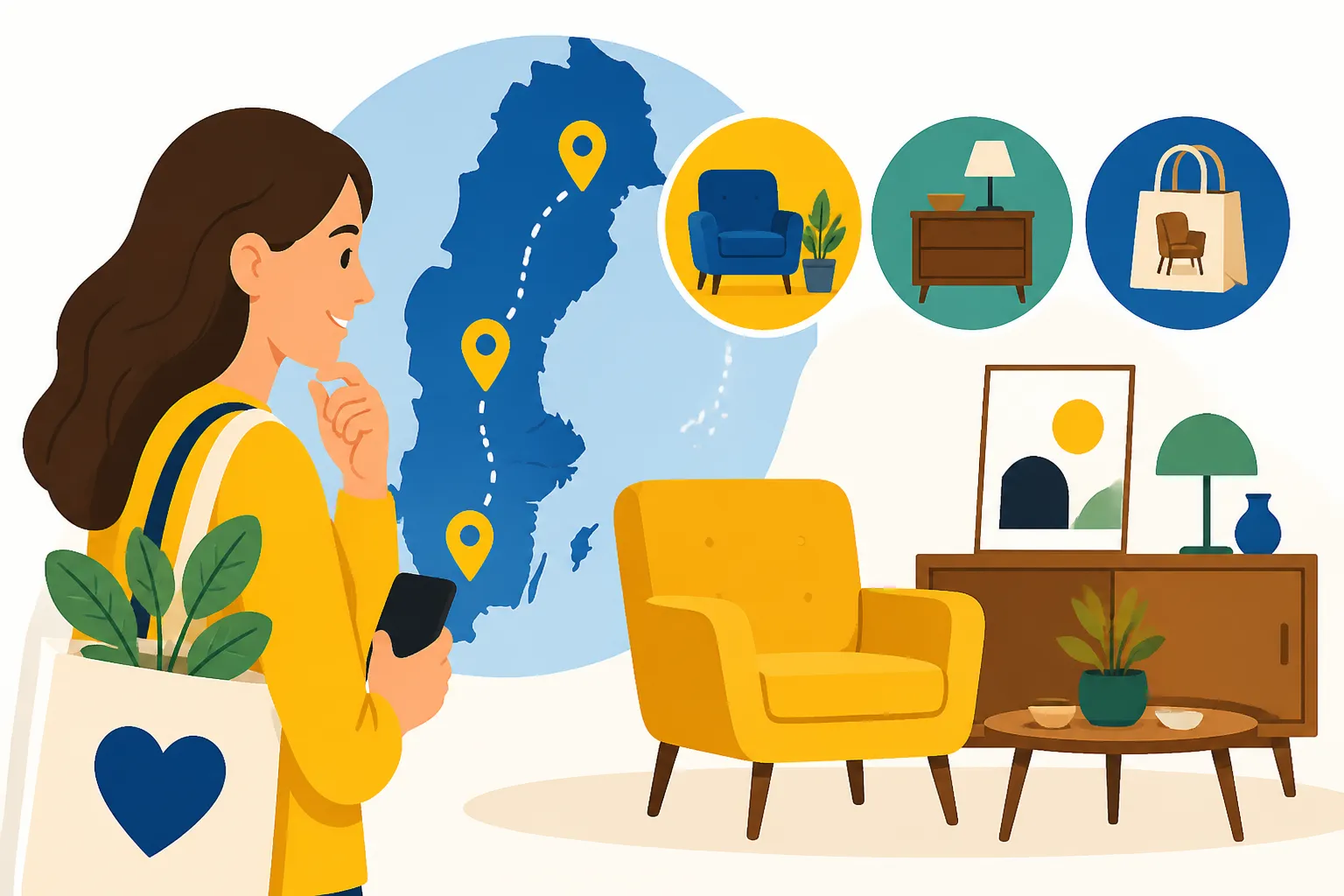
Stepping into a new life in Sweden often means facing a blank canvas – an empty apartment waiting to be filled. And let's be honest, furnishing a place from scratch in a new country can feel like a monumental task, especially when you start looking at the prices of new furniture. The initial sticker shock can be real, leaving you wondering how anyone affords to set up a comfortable home here. But fear not, my friend! This comprehensive guide is here to unravel the wonderful world of second-hand furniture in Sweden, showing you exactly where Swedes find their pre-loved treasures and how you can too, without breaking the bank or your spirit.
The Swedish Love Affair with Second-Hand and Sustainability
When you first arrive in Sweden, you might notice that Swedes are incredibly good at… well, at being Swedish. This often means a strong emphasis on sustainability, practicality, and making things last. It’s not just a trend; it's deeply ingrained in the culture, and it beautifully extends to how people furnish their homes.
Why Second-Hand is a Lifestyle, Not Just a Trend, Here
In many cultures, buying second-hand might be seen purely as a way to save money, a necessity rather than a choice. Here in Sweden, while cost-saving is certainly a factor (and a very welcome one for new expats!), the motivation runs deeper. There’s a widespread appreciation for återbruk (reuse) and a genuine desire to minimize environmental impact. Swedes are very conscious of the "circular economy" – prolonging the life of products and materials – and that’s a beautiful thing to witness and participate in.
This means that the quality and variety of second-hand items available are often fantastic. You’re not just sifting through junk; you’re often finding well-maintained, durable pieces that have simply outlived their original owner’s style or needs. It validates that feeling of wanting to be sensible with your money and the planet, rather than just buying the cheapest new flat-pack item that might not last. Plus, there’s an undeniable charm to furnishing your home with pieces that have a story, giving your space a unique character that brand-new items just can't replicate. It's all part of embracing the lagom philosophy – not too much, not too little, just right, especially when it comes to consumption.
Navigating the Language Barrier and Local Norms
Okay, so you're on board with the second-hand revolution, but where do you even start? The biggest hurdle for many newcomers is often the language. Knowing the right Swedish terms for what you're looking for, or even for the places where these treasures are found, can make all the difference. You'll hear words like loppis (flea market), antikaffär (antique shop), second hand-butik (second-hand shop), and återbruk (reuse/upcycle). Don't let these terms intimidate you; with a little help from Google Translate or a kind Swedish friend, you’ll quickly get the hang of it.
Understanding local norms is also crucial. While Swedes are generally quite direct, aggressive haggling isn't typically part of the culture, especially in shops. Online, a polite inquiry about a slightly lower price might be accepted, but don't expect dramatic reductions. Also, prepare for some of these places, particularly smaller loppisar, to be cash-only, though most larger establishments and online transactions are smoothly handled digitally. Just like figuring out how to set up your home, finding your rhythm in the second-hand market is a process. But trust me, once you do, it becomes incredibly rewarding.
Where to Hunt for Second-Hand Furniture Treasures Online
In a country as digitally savvy as Sweden, it's no surprise that the online world is a goldmine for second-hand finds. This is often the first stop for Swedes looking to buy or sell anything, from a single chair to an entire apartment's worth of goods.
The Digital Marketplaces: Blocket is King, But Not the Only Player
If there's one name you need to know when it comes to online second-hand shopping in Sweden, it's Blocket.se. Think of it as Sweden's version of Craigslist or Gumtree, but incredibly popular and widely used. You'll find everything from cars and electronics to, yes, tons of furniture.
Using Blocket involves a bit of careful searching and quick reflexes. You'll want to use Swedish search terms, so if you're looking for a "sofa," try "soffa." For a "dining table," try "matbord." Filters are your best friend here – you can narrow down your search by municipality (kommun), price range, and even by whether the item is gratis (free!). Yes, people sometimes give away perfectly good furniture, especially when moving or clearing out.
When you find something you like, you'll contact the seller directly, usually via an internal messaging system or sometimes by phone. Be prepared to arrange pickup yourself, as sellers rarely offer delivery. This is where having access to good internet, perhaps through a portable solution like an Airalo eSIM when you're first getting settled, can be incredibly helpful for quick communication and coordinating logistics. You might want to consider how your new home's internet setup will manage this, and our guide on Setting Up Your Home in Sweden: Utilities, Internet, and Insurance can provide some useful insights. Always be wary of deals that seem too good to be true, and never pay anything before you've seen the item and are sure it exists. While scams are rare, they do happen, so common sense prevails.
Beyond Blocket, other online platforms worth checking out include local variations of Facebook Marketplace. It's less structured than Blocket but can often yield unique finds, especially from individuals looking for a quick sale. Some people also list items on sites typically used for rental apartments, such as Spotahome, if they're clearing out an apartment they're vacating.
Facebook Groups and Local Forums: Community is Key
One of the most effective ways to tap into the second-hand market, particularly for free or very cheap items, is through local Facebook groups. Almost every city and even smaller town in Sweden will have a "Köp, Sälj, Byt [City Name]" (Buy, Sell, Trade [City Name]) group, or similar "skänkes" (for giving away) groups. These are vibrant communities where people regularly post items they want to get rid of, often for free, just to save themselves the hassle of taking them to the recycling center.
The etiquette in these groups is important: if you want an item, you often comment "PM skickat" (PM sent) or simply "Intresserad!" (Interested!) and then message the seller privately. You have to be quick, as popular items get snapped up almost instantly. It’s a fantastic way to find hyper-local deals and connect with people in your immediate area. You might even find someone who’s doing an entire apartment clear-out, which can be an absolute treasure trove for new arrivals, especially if you’ve just moved into a temporary rental and need to furnish it quickly. You can find more tips on how to find a temporary home in our article on Finding a Second-Hand Rental (Andrahand) in Sweden Safely. These groups foster a sense of community and resourcefulness that embodies the Swedish spirit of reuse.
Physical Stores and Flea Markets: The Joy of the Hunt
While online shopping is convenient, nothing quite beats the thrill of a physical hunt. Sweden offers a fantastic array of brick-and-mortar options for second-hand furniture, each with its own charm and potential treasures.
Charity Shops and "Loppis": The Classic Second-Hand Experience
Across Sweden, you'll find established charity organizations running large second-hand stores. Names like Myrorna, Stadsmissionen, and Erikshjälpen are prominent. These aren't just small, dusty shops; many are vast warehouses filled with furniture, clothing, books, and household items. They play a vital role in Swedish society, supporting various causes while promoting reuse.
What to expect:
- Variety: You'll find a broad range of styles, from traditional Swedish pine pieces to more modern items. It’s a bit of a lucky dip!
- Prices: Generally affordable, often much lower than buying new. Prices are fixed, so no haggling here.
- Condition: Items are usually in good, usable condition, as they are sorted and sometimes lightly refurbished before being put on sale.
- Experience: It's a proper shopping experience, with fitting rooms for clothes and sections for different types of goods.
Then there are the beloved loppis events. The word loppis is an informal term for a flea market or car boot sale, and Swedes absolutely adore them. During the warmer months, especially from spring to early autumn, you'll see signs for loppis pop up everywhere – in community centers, schools, private gardens, and large outdoor markets.
Loppisar are where you can find truly unique, quirky, and often very cheap items. They can range from professionally organised events to casual backyard sales. The quality can be highly variable, but the prices are often negotiable, and the atmosphere is always bustling and fun. Keep an eye out for local announcements or signs for "Bakluckeloppis" (car boot sale) or "Garage Loppis." This is a fantastic way to experience a slice of authentic Swedish everyday life, as highlighted in our guide to Everyday Living in Sweden: Groceries, Recycling, and Local Customs.
Återbruksgallerior and Kommunala Återvinningscentraler: Beyond Charity
Taking the concept of reuse to another level, some regions in Sweden have embraced återbruksgallerior (re-use malls) or dedicated sections within återvinningscentraler (recycling centers). These initiatives are often supported by municipalities or social enterprises, with a strong focus on circularity and local employment.
- Återbruksgallerior: These are typically larger, more organized spaces that not only sell second-hand items but also focus on repair, upcycling, and promoting sustainable consumption. For example, in Eskilstuna, you'll find ReTuna Återbruksgalleria, which is entirely dedicated to second-hand goods, repair services, and workshops. It’s a hub for everything related to reuse. You might find slightly higher prices here than in a standard charity shop, but the quality control is often stricter, and the pieces can be quite unique.
- Kommunala Återvinningscentraler: While primarily places for disposing of waste, many municipal recycling centers across Sweden have a designated area, sometimes called an återbrukshus (re-use house), where people can drop off items that are still in good condition for others to take for free or for a small fee. It’s a testament to Sweden’s commitment to minimizing waste and maximizing reuse, a concept you can explore further in our article about Recycling and the Deposit System (Pant) in Sweden. Check your local municipality's website (kommun.se) to see if your nearest återvinningscentral offers this. It's often for smaller items, but sometimes furniture finds its way there too.
Specialty Vintage and Antique Stores
For those with a keen eye for design or a desire for something truly special, Sweden also boasts a wealth of vintage and antique stores. These shops are less about bargain hunting and more about curated collections of period furniture, unique decor, and sometimes even designer pieces.
You'll find these charming establishments nestled in older parts of cities or as hidden gems in the countryside. Expect prices to be higher than in charity shops or at loppisar, as the items are often restored, authenticated, and carefully selected for their aesthetic or historical value. However, the quality is typically excellent, and you're investing in a piece that can last a lifetime and often appreciate in value. If you're looking to furnish your apartment with unique statement pieces that reflect a certain era or style, these are the places to explore.
Practical Tips for Second-Hand Shopping in Sweden
Navigating the world of second-hand furniture requires a bit of strategy and preparation. Here are some seasoned expat tips to help you make the most of your treasure hunts.
Transporting Your Finds: A Common Hurdle
This is perhaps the biggest practical challenge when buying second-hand furniture in Sweden, especially large items. Public transport is generally not an option for sofas or dining tables, and asking the seller to deliver is rare, unless they explicitly offer it (often for an extra fee).
Here are your options:
- Rent a Van (Hyrbil/Flyttbil): This is often the most reliable solution. Companies like Hertz, Europcar, or even local gas stations (like Statoil/Circle K) often have small vans for rent by the hour or day. Some larger supermarkets also offer släpvagn (trailer) rentals, which can be pulled by a car with a tow hitch. Planning ahead for this is crucial, especially on weekends. Our guide to Getting Around Sweden: Public Transport, Trains, and Driving might help you understand your transport options better.
- Car-Sharing Apps: Services like M, GreenMobility, or local initiatives might offer larger vehicles suitable for transport. Check what’s available in your city.
- Ask a Friend: If you’re lucky enough to have a friend with a large car or a van, a box of fika (coffee and pastries) and a heartfelt thank you might be all it takes to secure some help!
- Man with a Van Services: You can sometimes find local individuals or small businesses offering "man with a van" services on Blocket or local Facebook groups. Agree on a price beforehand.
Factor in the cost and logistics of transport when evaluating a second-hand deal. A "free" sofa isn't free if it costs you 500 SEK to transport across the city!
Inspection and Negotiation: What to Look For and How to Haggle (Gently)
When you’re looking at a second-hand piece, whether online or in person, thorough inspection is key.
- Condition: Look for obvious damage, wobbles, stains, or missing parts. Ask for extra photos if buying online.
- Pests: For upholstered items (sofas, mattresses, armchairs), always, always inspect for signs of bed bugs or other pests. This is a non-negotiable step to avoid bringing unwanted guests into your new home. Check seams, crevices, and underneath. If in doubt, walk away.
- Smell: Give it a sniff. Does it smell damp, smoky, or like pet urine? These smells are notoriously hard to remove.
When it comes to negotiation, remember that Swedes generally prefer clear, fixed prices. In charity shops or larger reuse centers, prices are almost always non-negotiable. On platforms like Blocket or at a loppis, a polite inquiry about a slight price reduction is usually acceptable, especially if you’re paying cash or taking multiple items. A phrase like "Är priset diskuterbart?" (Is the price negotiable?) or "Kan du tänka dig att sälja den för X kronor?" (Would you consider selling it for X kronor?) works well. Don't be offended if they say no; a polite "Tack ändå!" (Thanks anyway!) is the appropriate response.
The Best Times to Buy
Timing can actually influence the availability and price of second-hand furniture in Sweden.
- Student Move-Outs (Summer): May, June, and August are fantastic times, especially in university towns like Uppsala, Lund, or Gothenburg. Students often declutter before moving home or to new apartments, leading to a surge of affordable or free items. Keep an eye out for these periods, as highlighted in our guide to Student Life in Sweden: Funding, Housing, and Working While You Study.
- Spring Cleaning & Autumn Decluttering: Many Swedes do a big clear-out in spring (around April/May) and again in autumn (September/October) before the dark winter months set in. This is when loppisar are in full swing and online marketplaces see increased activity.
- Before Christmas/New Year: People often declutter before the holidays to make space for gifts or host guests, leading to some end-of-year deals.
Beyond Furniture: Other Second-Hand Essentials
While the focus here is on furniture, the second-hand market in Sweden extends to virtually everything you need for your home. You can find kitchenware, decor, lamps, textiles, books, and even high-quality clothing for a fraction of the price. Furnishing your entire home this way can significantly impact your overall cost of living, which is a major concern for many expats. Our article on Budgeting for the Real Cost of Living in Sweden gives a good overview of costs, and buying second-hand is a great way to shave some off your expenses. Similarly, if you're trying to calculate how much you need to live, especially in major cities, checking out How Much Does It Cost to Live in Stockholm Each Month? can give you a clearer picture.
Second-hand shopping isn't just about saving money; it's about embracing a more sustainable lifestyle and finding unique pieces that make your Swedish home truly yours. Happy hunting!
Second-Hand Shopping in Sweden: A Quick Comparison
Here's a handy table to summarize the different types of second-hand sources and what they're best for:
| Source Type | Pros | Cons | Best For |
|---|---|---|---|
| Blocket.se / FB Marketplace | Huge selection, direct negotiation, local | Transport often buyer's responsibility, potential for scams, quick action needed | Large furniture, specific items, good deals |
| Charity Shops (Myrorna, Stadsmissionen) | Easy access, curated, often good condition | Less room for negotiation, less unique large items, limited opening hours | Smaller furniture, home decor, clothing |
| Loppis (Flea Markets) | Unique finds, very low prices, social experience | Seasonal, variable quality, cash often preferred, effort required | Quirky decor, small furniture, summer fun |
| Återbruksgallerior | Sustainable, quality controlled, unique pieces | Potentially higher prices, fewer locations, may require travel | Upcycled items, eco-conscious purchases |
| Vintage/Antique Shops | High quality, unique, collectable items | Expensive, less about bargains, curated selection | Statement pieces, investment items, specific styles |
Disclaimer
Please remember that while I aim to provide the most accurate and up-to-date information, the world of regulations and local practices can be dynamic. The information in this guide is intended for general guidance only and should not be taken as legal or financial advice. Always consult official sources, such as municipal websites, specific store policies, or relevant authorities for the most current information.