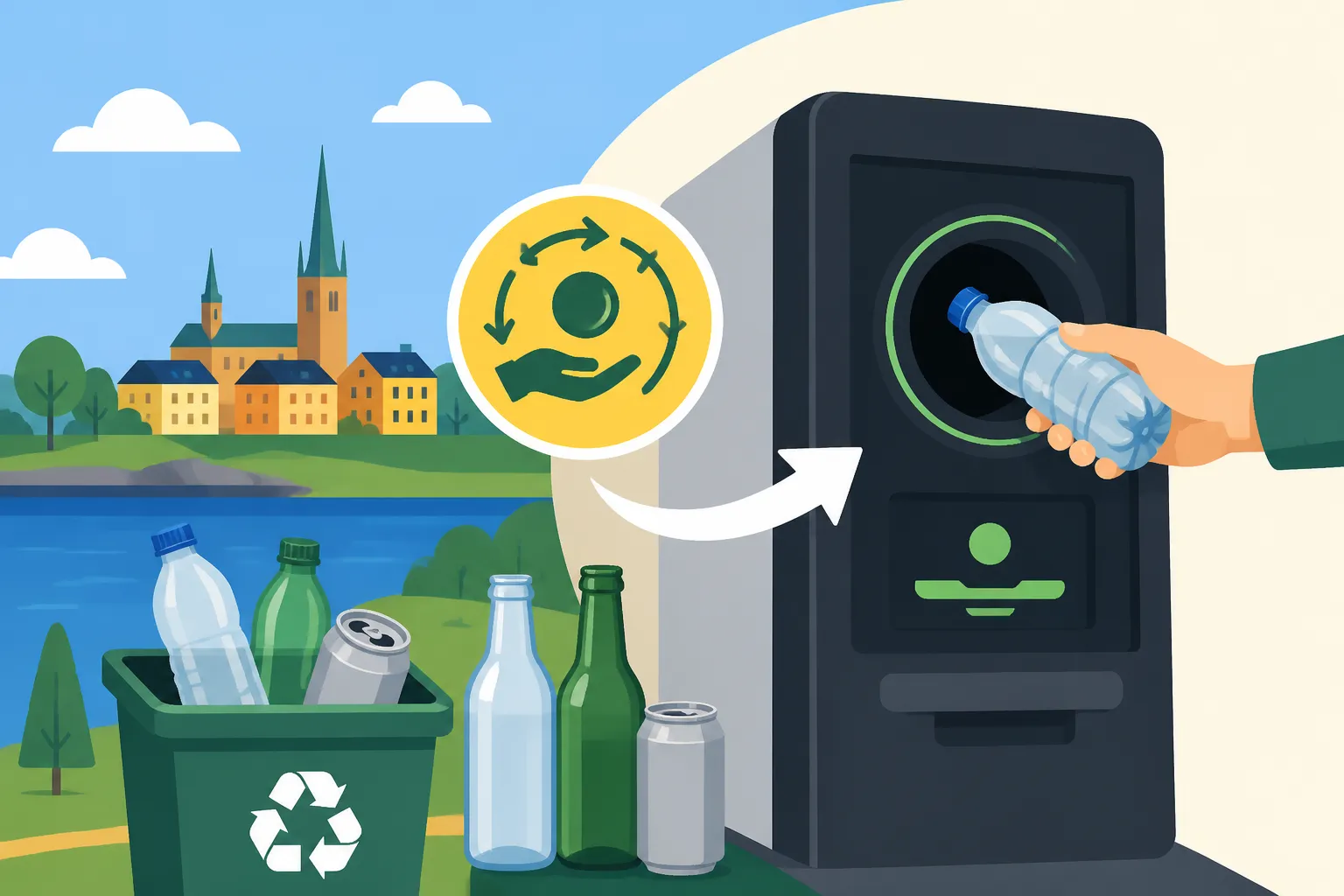
Recycling and the Deposit System (Pant) in Sweden
One of the first things that truly hits you when you move to Sweden, after perhaps the long winters and the sheer amount of fika, is the unwavering commitment to sorting waste. Suddenly, your casual recycling habits from back home feel inadequate, and you’re faced with a dizzying array of bins and rules that can make you want to just throw everything in one bag. But fear not, this comprehensive guide is here to demystify the Swedish recycling system and help you master the art of källsortering and the infamous pant system, transforming you from a bewildered newcomer into a recycling pro.
Understanding Sweden's Recycling Philosophy
Sweden isn't just good at recycling; it's practically a national obsession, deeply ingrained in the culture and daily life. It's more than just an environmental initiative; it's a societal expectation. For many expats, this can feel like a sudden, steep learning curve, especially if you come from a country with a less stringent approach.
The Swedish Approach to Waste Management
The fundamental principle behind Sweden's waste management system is the circular economy – minimizing waste, reusing what can be reused, and recycling as much as possible to turn "waste" into new resources. This isn't just a suggestion; it's built into the infrastructure and local regulations. Every municipality (kommun) has its own specific rules and facilities, but the core principles remain the same across the country. You’ll find that recycling here is not just about separating plastics and paper; it’s about a granular level of sorting that takes a bit of getting used to.
Think of it this way: the Swedish system is designed to make waste disposal as environmentally friendly as possible, often striving for a "zero waste to landfill" goal. Most of what isn't recycled often ends up in energy-from-waste incinerators, providing district heating and electricity. This means that what you throw away, even if it's not recyclable, is still often used for something productive. This holistic approach makes Sweden a global leader in sustainable waste management, but for us new arrivals, it can feel like a crash course in environmental science just to get rid of a milk carton.
Why Recycling is So Important Here
The emphasis on recycling in Sweden stems from a deep-rooted cultural value placed on nature, sustainability, and collective responsibility. It's something you learn from childhood here. The idea is that everyone contributes to the common good, and properly sorting your trash is a fundamental part of that social contract. If you've ever felt a pang of guilt throwing something "wrong" into a bin, you're already beginning to understand the Swedish mindset.
Beyond the cultural aspects, there are very practical reasons. Recycling reduces the need for virgin raw materials, saves energy, and decreases pollution. The financial incentives are also there, even if indirectly. The better the general population is at sorting, the more efficient the system becomes, and the less municipalities have to invest in new landfills or complex waste treatment plants, theoretically keeping costs down for residents (though frankly, living here, it often feels like the costs are always up!). When you consider your overall Housing and Living in Sweden: The Complete Newcomer's Guide (2027), understanding this core aspect of daily life is crucial.
Navigating the Household Recycling System (Källsortering)
Alright, let's get down to the nitty-gritty: källsortering, or source sorting. This is where most of your daily effort will go. It involves separating your waste into various categories right in your home. It’s a bit of a dance, finding space for all those extra bins, but trust me, you'll get used to it.
Sorting at Home: What Goes Where
This is often the most overwhelming part. You'll typically have bins for at least five, if not more, distinct categories. Your apartment building or house might have different setups, but the core categories are usually the same. Let's break down the main ones:
- Paper Packaging (Pappersförpackningar): This includes cardboard boxes (like cereal boxes or delivery boxes, often flattened), milk and juice cartons (rinse them out!), paper bags, and toilet roll tubes. Crucially, this is packaging paper, not newspapers or magazines. Make sure it's clean and dry.
- Newspapers and Magazines (Tidningar och Returpapper): This category is for all your printed materials – newspapers, magazines, advertising flyers, brochures, and even paperback books (though hardcovers usually go to bulky waste due to their mixed materials).
- Plastic Packaging (Plastförpackningar): This is further divided into hard and soft plastics, though often they go into the same bin. Think plastic bottles (except pant ones, we'll get to those!), plastic tubs (like yogurt or butter containers), plastic bags, plastic film, and bottle caps. The key here is packaging. Rinse them out if they contained food. Many expats find this category particularly tricky because it feels like everything is plastic.
- Glass Packaging (Glasförpackningar): Separated by colour – clear/white (färglöst) and coloured (färgat). Wine bottles, jam jars, condiment bottles, etc., all go here. Remove lids and caps (these usually go with plastic or metal packaging). Again, rinse them out. This separation by color is a detail that often trips up new arrivals, but it's important for the recycling process.
- Metal Packaging (Metallförpackningar): This includes food cans (tuna, soup, pet food), aluminium foil (clean it!), aluminium trays, and metal lids from jars. Rinse food cans thoroughly.
- Food Waste (Matavfall): Often collected separately in special compostable bags provided by your municipality. This is for all organic kitchen waste: fruit and vegetable peels, coffee grounds, tea bags, leftover food, meat, and fish scraps. This turns into biogas or compost, so keeping it clean and free from other waste is vital.
- Residual Waste (Restavfall / Hushållsavfall): This is for everything that doesn't fit into the other categories. Things like diapers, sanitary products, dust, broken ceramics, textiles that can't be reused or recycled (like worn-out socks), and vacuum cleaner bags. This is the stuff that usually ends up being incinerated for energy. Your goal should be to minimize what goes into this bin.
Here's a quick reference table for common items:
| Waste Category | What Goes In | Key Tips |
|---|---|---|
| Pappersförpackningar | Cardboard boxes (flattened), milk/juice cartons (rinsed), paper bags, egg cartons, toilet roll tubes. | Only packaging paper. Rinse cartons. Flatten boxes to save space. |
| Tidningar/Returpapper | Newspapers, magazines, advertising flyers, brochures, catalogues, softcover books. | No plastic wrap. Keep separate from paper packaging. |
| Plastförpackningar | Plastic bottles (non-pant), plastic tubs (yogurt, butter), plastic bags, plastic film, cling film, plastic caps, shampoo bottles (rinsed). | Rinse clean. Remove food residue. Sort by hard/soft plastic if separate bins are provided (less common now). |
| Glasförpackningar | Glass bottles, jam jars, condiment jars. Separated into clear/white (färglöst) and coloured (färgat). | Remove lids/caps (metal/plastic recycling). Rinse clean. No ceramics, porcelain, or drinking glasses (residual waste). |
| Metallförpackningar | Food cans (soup, tuna), aluminium foil (clean), aluminium trays, metal lids, metal tubes (like toothpaste). | Rinse clean. Squeeze if possible. |
| Matavfall | Fruit/veg peels, coffee grounds, tea bags, leftover food, meat, fish, paper towels (if municipality allows). | Use special compostable bags. Keep separate from other waste. |
| Restavfall | Diapers, sanitary products, dust, broken ceramics/porcelain, worn-out textiles, vacuum cleaner bags, drinking glasses, light bulbs (non-LED). | The "catch-all" bin. Aim to minimize waste here. |
It’s definitely a lot to remember, and it can feel like you’re doing a jigsaw puzzle every time you empty the trash. Don't worry, many apartment buildings will have detailed instructions, often with pictures, right next to the bins. You can also get more local specific advice on How Do I Sort My Recycling in Sweden?.
Common Collection Points and Recycling Stations (Återvinningsstationer)
Once you've diligently sorted your waste at home, you need to know where to take it. Depending on where you live, you'll encounter a few different setups:
- Apartment Building Bins (Miljörum/Soprum): Many apartment buildings, especially in cities, have dedicated recycling rooms (often called miljörum or soprum) in the basement or courtyard. These will have separate bins for most of the categories listed above, including food waste and residual waste. This is the most convenient option for daily recycling.
- Environmental Stations (Återvinningsstationer): These are public collection points, usually located in parking lots or near supermarkets. They typically have large containers for paper packaging, newspapers, plastic packaging, glass (separated by color), and metal packaging. These are managed by FTI (Förpacknings- och Tidningsinsamlingen), a company responsible for collecting packaging and newspapers. You'll often find yourself driving or walking a short distance to these. It’s a common sight to see Swedes on their way to the återvinningsstation with a bag full of sorted recyclables. If you're wondering Where Do I Take Packaging and Glass for Recycling in Sweden?, these stations are your primary destination.
- Collection for Specific Materials: Some municipalities also have special bins for things like batteries (often found in supermarkets), light bulbs, or small electronics, sometimes integrated into the återvinningsstation or separate.
The crucial thing is to learn the system for your specific address. When you're Setting Up Your Home in Sweden: Utilities, Internet, and Insurance, it's a good idea to also figure out your local waste management system. Don't be afraid to ask your landlord, neighbours, or check your municipality's website – they almost always have detailed information in Swedish, and often in English too.
Bulky Waste and Hazardous Materials (Återvinningscentraler)
For the things that don't fit into your regular household recycling bins, you'll need to visit an återvinningscentral (recycling center or civic amenity site). These are larger facilities designed to handle a much wider range of waste.
- Bulky Waste (Grovavfall): This includes furniture, larger electronic appliances (like fridges or TVs), carpets, mattresses, building materials (wood, metal, concrete), and large plastic items. If you’re moving, furnishing a new place, or just doing a big clear-out, this is where your old stuff goes. Be prepared to sort things into many different skips and containers at the återvinningscentral. You might need a car (or borrow one, or find a friendly Swede!) to get these items there. If you have some old furniture or construction waste, learning How Do I Dispose of Large Items in Sweden? will be essential.
- Hazardous Waste (Farligt avfall): This category is very important and includes things that can harm the environment or human health if not disposed of properly. Examples include paints, solvents, chemicals, motor oil, batteries (car batteries, not small household ones), energy-saving light bulbs, fluorescent tubes, and some types of electronics. Never, ever throw these in your regular trash. Återvinningscentraler have dedicated sections for hazardous waste, ensuring they are handled safely. Many municipalities also have mobile collection points that visit different areas on specific days, so keep an eye out for those.
Access to återvinningscentraler is usually free for residents of that municipality. You often need to show your ID (like your Swedish ID card or even a driver's license) to prove residency. They are typically open during specific hours, so check their website before you go.
The Pant System: Getting Money Back for Your Bottles and Cans
Now, for one of Sweden's most beloved and genius recycling initiatives: the pant system. This is a deposit system for beverage containers that actively encourages you to return them for a small refund. It's brilliant because it gives you a direct, tangible incentive to recycle.
What is Pant? A Deep Dive into the Deposit Scheme
Pant is the Swedish word for "deposit." When you buy a plastic bottle or aluminium can of a beverage (soda, beer, cider, water, etc.) in Sweden, a small deposit is added to the price. This deposit is usually SEK 1 or SEK 2, and it’s clearly marked on the bottle or can with the word "Pant" and often a specific logo. This system ensures a very high return rate for these specific containers, making Sweden incredibly efficient at recycling them into new bottles and cans.
It’s important to understand that only bottles and cans with the pant logo are part of this system. Other plastic packaging, like yogurt containers or shampoo bottles, go into the regular plastic recycling. Don't try to panta something that doesn't have the logo – the machine won't accept it, and you'll just end up with sticky hands and a defeated look on your face (been there, done that!). For a deeper dive, read How Does the Bottle and Can Deposit (Pant) Work in Sweden?.
How to "Panta" Your Bottles and Cans
The process of returning your pant items is straightforward once you know how. You do it at designated pantmaskiner (pant machines) found in almost all grocery stores, large and small.
- Collect and Clean: First, collect your empty pant bottles and cans. It's a good habit to give them a quick rinse to prevent stickiness and smells, though it's not strictly necessary for the machine to accept them. Keep their shape! Crushed cans or bottles might not be recognized by the scanner.
- Find a Pant Machine: Head to your local supermarket (ICA, Coop, Willys, Hemköp – you name it, they usually have one). The machines are typically near the entrance or in a dedicated recycling area.
- Insert Items: One by one, feed your bottles and cans into the opening of the machine. The machine will scan the barcode and/or the pant logo. As it accepts each item, you'll see your total refund accumulate on a screen.
- Get Your Receipt: Once you've inserted all your items, press the button that says "Kvitto" (receipt). The machine will then print a receipt showing the total amount of your refund.
- Redeem Your Refund: Take this receipt to the cash register (kassa) inside the supermarket. You can use it as a credit towards your grocery purchase, or you can often get the cash back directly. Some stores also offer an option to donate your pant value to a charity, which is a lovely touch.
It’s surprisingly satisfying to see those kronor add up, especially if you've been diligently saving up your pant items. It’s also a little ritual that helps you feel more integrated into the Everyday Living in Sweden: Groceries, Recycling, and Local Customs.
Common Questions and Troubleshooting the Pant Machine
Even a seasoned expat can have a moment of frustration with a stubborn pant machine. Here are some common issues and tips:
- Machine Doesn't Recognize My Item:
- Check the Pant Logo: Does it actually have the "Pant" logo and barcode? If not, it's probably not a pant item.
- Is it Crushed/Damaged? If a bottle or can is too squashed or damaged, the scanner might not be able to read the barcode or recognize its shape. Try to keep them as intact as possible.
- Is it Too Dirty? Sometimes excessive stickiness or a label peeled off can interfere.
- Wrong Angle: Sometimes, turning the bottle or can slightly can help the scanner read it.
- Foreign Items: Don't try to panta items bought outside of Sweden, even if they look similar. The system only recognizes containers sold within Sweden with the specific Swedish pant markings.
- Machine is Full/Malfunctioning: Sometimes, especially during busy times, a machine might be full or have a technical glitch. Look for a light indicating it's "full" (full) or "out of order" (ur funktion). If this happens, you have a few options:
- Try Another Machine: Larger supermarkets often have more than one.
- Come Back Later: If it's just full, it might be emptied by staff soon.
- Inform Staff: Politely let a staff member know. They can often reset it or tell you when it will be operational again.
- What About Large Bags? Many supermarkets have a separate entrance or area for pant returns, sometimes called panta mera (pant more) rooms, especially for people bringing in large quantities. These rooms often have more industrial-sized machines or staff who can help.
- "But I only have one bottle!" Don't be shy! Swedes panta single bottles all the time. There's no minimum.
- "Can I just throw them in regular recycling?" Yes, you can, but it’s actively discouraged. You're throwing away money and not ensuring the most efficient closed-loop recycling for these specific items. The pant system is designed for these containers to be recycled separately and effectively.
- Keeping it all straight: It can be hard to remember which drinks are part of the pant system when you're doing your Grocery Shopping in Sweden: ICA, Coop, Willys, and Saving Money, but generally, most soft drinks, beers, and ciders sold in plastic bottles or aluminium cans are included. Glass bottles for beverages, however, are usually just glass recycling, not pant.
The pant system is a fantastic example of Sweden's commitment to sustainability, and once you get the hang of it, it becomes a simple and rewarding part of your routine.
Beyond the Basics: Textile, Electronics, and Specialty Recycling
The recycling journey in Sweden doesn't stop with your daily household waste and beverage containers. There are specific channels for a variety of other items, ensuring that as little as possible goes to general waste.
Recycling Textiles and Clothes
You might be tempted to toss old clothes into the restavfall, but Sweden encourages textile recycling. This is particularly important because textiles are a huge source of waste globally, and many materials can be reused or recycled into new fabrics or insulation.
- Donation Points: For clothes, shoes, and textiles that are still in good condition, the best option is to donate them to charity shops. Organizations like Myrorna, Stadsmissionen, and Röda Korset (Red Cross) have numerous collection bins and shops throughout cities. This gives your items a second life, which is even better than recycling.
- Textile Recycling Bins: For worn-out clothes, stained fabrics, or single socks that are beyond repair or donation, many municipalities and large retailers have special textile collection bins. These might be found at återvinningsstationer, återvinningscentraler, or sometimes even inside large department stores. Look for bins specifically marked for "textilinsamling" or "klädinsamling." These items are then sorted: some may be repurposed as cleaning rags, others shredded for insulation, and some processed into new fibres. It's a great way to extend the lifecycle of your clothes and reduce textile waste.
Disposing of Electronics and Batteries
Electronic waste (e-waste) and batteries contain valuable materials that can be recovered, but also hazardous substances that must not end up in landfills. Sweden has a very clear system for this.
- Small Electronics and Batteries: For smaller items like old mobile phones, remote controls, chargers, electric toothbrushes, and household batteries (AA, AAA, etc.), you'll find collection bins in most supermarkets, electronics stores, and at your local återvinningsstation. Look for bins specifically marked "batterier" or "småelektronik." This is an easy way to dispose of these common items responsibly.
- Larger Electronics: For bigger items like computers, TVs, microwaves, toasters, and other household appliances, you'll need to take them to an återvinningscentral. They have dedicated sections for different types of electronics. Retailers that sell electronics are also legally obliged to take back old, similar items for free, even if you didn't buy the new one from them. So, if you buy a new TV, you can usually take your old one back to the store.
Pharmaceuticals and Other Special Waste
Some waste items require extra care due to their nature.
- Medicines and Pharmaceuticals: Never flush old medicines down the toilet or throw them in the regular trash. They can contaminate water systems. All pharmacies (apotek) in Sweden accept old and unused prescription and over-the-counter medicines for safe disposal. Simply bring them in their original packaging or a sealed bag. This is a vital service, and important to remember if you’re managing chronic conditions or just clearing out your medicine cabinet. You can learn more about this system in Pharmacies and Prescriptions in Sweden: The Apotek System for Newcomers.
- Light Bulbs: Energy-saving light bulbs (LED, fluorescent) contain small amounts of mercury and other substances, so they should not go into regular trash. They are collected at återvinningscentraler and often at electronics stores or dedicated collection points for small electronics. Incandescent bulbs, which are mostly glass, can sometimes go with residual waste, but checking local rules is always best.
- Paint and Chemicals: Any household chemicals, cleaning agents, paints, solvents, or oils must be taken to an återvinningscentral where they have special sections for hazardous waste. These facilities are equipped to handle these substances safely.
The sheer variety of categories and specific drop-off points can feel like a lot to juggle, but once you identify where each type of waste goes in your local area, it becomes second nature. It's all part of embracing Everyday Living in Sweden: Groceries, Recycling, and Local Customs.
Tips for Expats: Making Sense of Swedish Recycling
It's okay to feel a bit lost in the beginning. Many expats find Swedish recycling rules daunting. But with a few pointers, you'll be a pro in no time.
Language Hurdles and Pictograms
The biggest initial hurdle for many new arrivals is the language. All the signs at recycling stations and in apartment blocks are, naturally, in Swedish. You'll encounter terms like:
- Pappersförpackningar (Paper packaging)
- Plastförpackningar (Plastic packaging)
- Metallförpackningar (Metal packaging)
- Glasförpackningar (Glass packaging – färglöst/färgat)
- Tidningar (Newspapers/magazines)
- Matavfall (Food waste)
- Restavfall (Residual waste)
- Batterier (Batteries)
- Småelektronik (Small electronics)
- Grovavfall (Bulky waste)
- Farligt avfall (Hazardous waste)
- Återvinningsstation (Recycling station)
- Återvinningscentral (Recycling center)
- Miljörum/Soprum (Recycling/waste room in apartment buildings)
Don't panic! Most recycling points also use clear pictograms alongside the text. Take a moment to study them. Many municipalities also have websites with English translations or visual guides. Using a translation app on your phone can be incredibly helpful for deciphering specific instructions when you're first getting started. Don't be shy about observing your Swedish neighbours or asking for help; most Swedes are more than happy to guide you through their recycling rituals.
The Cost of Not Recycling Properly
Beyond the environmental impact, there can be tangible consequences for not following recycling rules in Sweden.
- Extra Fees for Your Building: If a building's waste stream is consistently contaminated (e.g., too much food waste in the residual bin, or unsorted items in the recycling), the waste management company might charge the building extra fees. These costs are then often passed on to residents through increased rent or service charges. So, your individual recycling habits can affect your neighbours' wallets!
- Fines (Rare but Possible): While it's rare for individuals to be directly fined for minor sorting errors, severe and deliberate disregard for waste management regulations, especially concerning hazardous waste, can lead to penalties. The local municipality or housing association has the right to enforce rules.
- Social Disapproval: Perhaps more impactful in Swedish society is the subtle but very real social pressure. Swedes take their environmental responsibilities seriously. If you're consistently seen throwing unsorted trash into the wrong bins, you might find yourself on the receiving end of a disapproving glance, a polite but firm correction from a neighbour, or even an anonymous note on your door. While it sounds minor, it's a reflection of the strong collective mindset here. You might even find yourself in a situation where your Renting a Home in Sweden: How the First- and Second-Hand System Works contract includes clauses about proper waste disposal.
Building Good Habits and Embracing the Swedish Way
Making Swedish recycling part of your routine might feel like a chore at first, but it quickly becomes second nature. Here are some tips to ease the transition:
- Dedicated Bins at Home: Invest in or designate several small bins or bags in your kitchen for the main categories (paper, plastic, metal, glass, food waste). This makes sorting as you go much easier than having to sort through a big pile of mixed trash. Ikea, for instance, has a whole range of affordable solutions for this.
- Rinse It Out: Get into the habit of quickly rinsing out food packaging. It prevents smells, keeps your recycling area cleaner, and ensures the materials are suitable for processing.
- Flatten and Fold: Flatten cardboard boxes, plastic bottles, and cans to save space both in your home and in the collection bins.
- "When in Doubt, Ask or Look It Up": Don't guess! If you're unsure where an item goes, consult your building's instructions, your municipality's website, or even ask a friendly Swede. There are also apps available that help identify where specific items should be recycled.
- Make it a Routine: Designate a regular time (e.g., once a week) to take your sorted recyclables to the återvinningsstation or your building's miljörum. Incorporating it into your Everyday Living in Sweden: Groceries, Recycling, and Local Customs will make it feel less like an extra task.
- Be Patient with Yourself: It takes time to learn a new system. You'll make mistakes, and that's perfectly fine. The important thing is to try your best and gradually improve.
Embracing Sweden's recycling culture is more than just following rules; it's about adopting a more sustainable mindset that is a core part of living here. You'll not only be contributing to a cleaner environment but also seamlessly integrating into Swedish society, one sorted bottle at a time.
Disclaimer
The information provided in this guide is intended for general informational purposes only and is subject to change based on local municipality regulations and national policies in Sweden. While every effort has been made to ensure accuracy, specific rules for waste sorting and recycling can vary between different kommuner (municipalities) and even individual housing associations. Always consult your local municipality's official website or your landlord/housing association for the most current and precise guidelines applicable to your specific address.