How Do I Buy Public Transport Tickets in Stockholm?
Ah, Stockholm! A truly beautiful city, but let’s be honest, navigating a new public transport system in a foreign language can feel like trying to decipher ancient runes, especially when you’re just trying to get from A to B without looking completely lost or, worse, getting a hefty fine. Believe me, I’ve been there, standing in front of a ticket machine, utterly confused by the options. But fear not, my fellow expats and intrepid visitors, because getting your public transport tickets in Stockholm, while initially a bit daunting due to its predominantly cashless nature and digital-first approach, is actually quite straightforward once you know the ropes. This guide will walk you through everything you need to know to glide through the city like a seasoned local.
Your Digital Key to Stockholm's Public Transport: The SL App and Beyond
Stockholm's public transport, run by Storstockholms Lokaltrafik (SL), is incredibly efficient, connecting buses, metro (tunnelbana), commuter trains (pendeltåg), trams, and even some ferries under one integrated system. The entire Stockholm county operates as a single fare zone, which simplifies things immensely once you have a valid ticket. However, the biggest hurdle for many newcomers is the near-total absence of cash payments. Forget about fumbling with kronor coins on the bus; it simply won't work.
Why the SL App is Your Best Friend
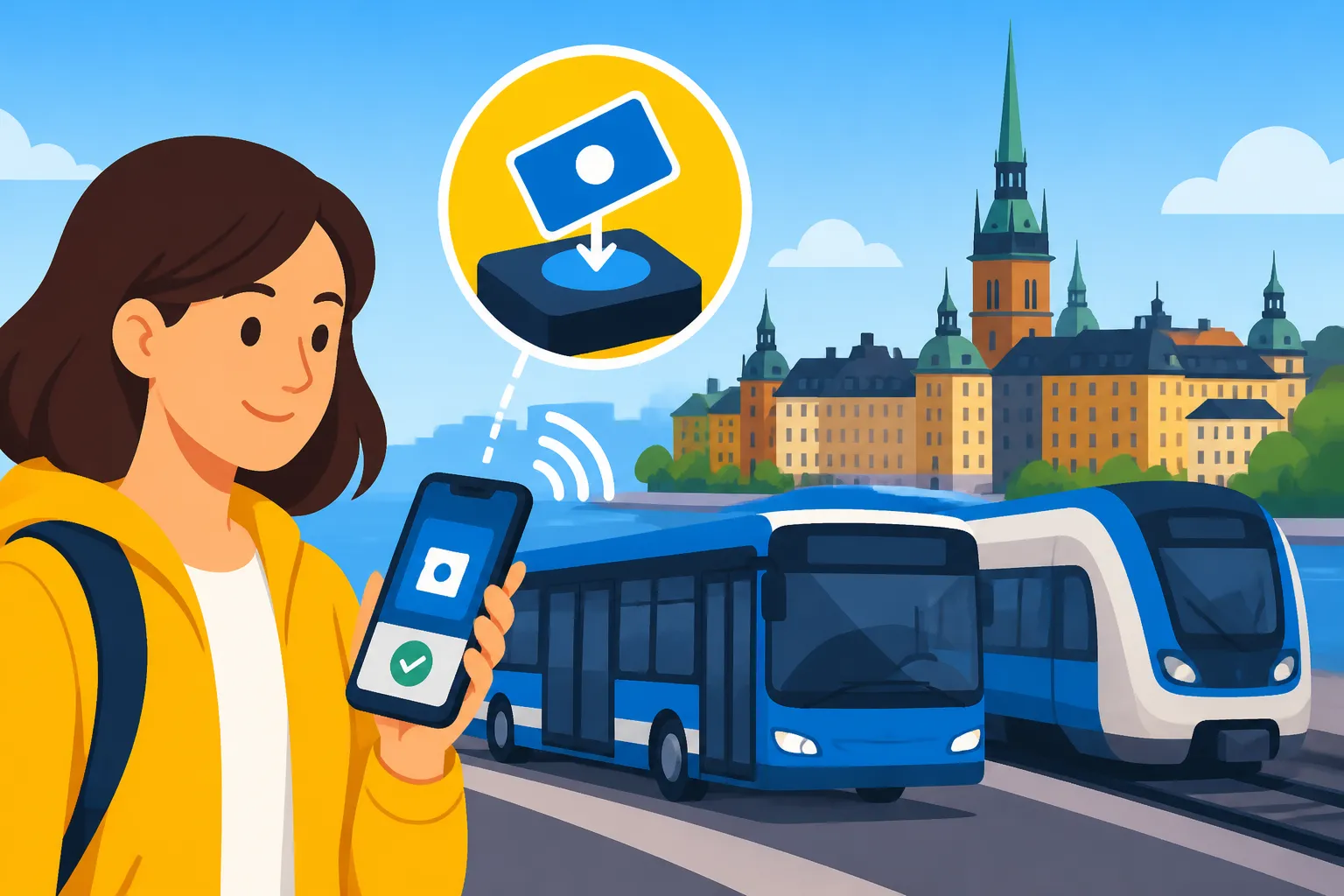
For most people, especially those who are comfortable with smartphones, the official SL app is hands down the easiest and most convenient way to purchase tickets and manage your journeys. This little digital marvel transforms your phone into your ticket machine, planner, and real-time information hub, all in one.
Think about it: you’re on the move, maybe you’ve just settled into your new apartment after wrestling with Renting a Home in Sweden: How the First- and Second-Hand System Works and need to get groceries. You don't want to hunt for a physical vendor or a ticket machine. With the SL app, you can buy single tickets, 24-hour passes, 72-hour passes, or even monthly passes directly from your phone. It saves time, it's always with you, and it reduces the stress of trying to communicate in a new language at a ticket counter. Plus, it’s connected to real-time traffic information, allowing you to check delays, plan alternative routes, and see when your next bus or train is actually arriving. This kind of flexibility is a lifesaver, especially during those unpredictable Swedish winters or when you're simply trying to make a connection. For checking those real-time updates and buying tickets on the go, having reliable mobile data is non-negotiable. Many expats find using an eSIM from providers like Airalo incredibly convenient, as it gets you connected instantly without having to hunt down a local SIM card the moment you land.
The Enduring Charm of the SL Access Card
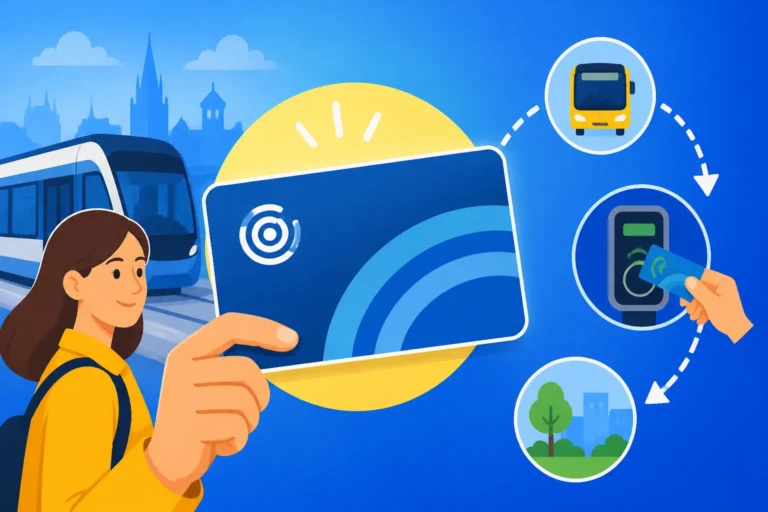
Before the digital age fully took hold, the physical SL Access card was the undisputed champion of Stockholm's public transport. It's a blue, credit card-sized plastic card that you load with money (reskassa) or period tickets. While still valid and available, its prominence has significantly waned in favour of the app and contactless payments.
You can still purchase an SL Access card for a small fee (currently 20 SEK, non-refundable) at SL Center outlets, certain subway stations, and many Pressbyrån convenience stores. Once you have the card, you can load it with credit (reskassa) which acts like a pre-paid balance, offering a slightly cheaper single-journey fare than buying individual paper tickets. Alternatively, you can load period tickets onto it, such as a 30-day pass, which can be useful if you prefer not to rely solely on your phone or if your phone battery frequently dies. To load the card, you’ll typically go to the same places where you buy it, or use the card reader machines available at most larger metro stations. However, be aware that these physical machines can sometimes be a bit clunky, and they do not accept cash. It’s all about card payments here.
For those planning to be in Stockholm for a longer period, perhaps while waiting to get your Getting Your Personnummer: The Gateway to Swedish Healthcare and eventually a proper Swedish bank account, the SL Access card might offer a tangible option before you fully integrate into Sweden's hyper-digital financial ecosystem where BankID and Digital Payments: How Money Moves in Cashless Sweden is king.
A Step-by-Step Guide to Buying Your SL Ticket
Let’s break down the practicalities of actually acquiring a ticket, covering the most common and convenient methods.
Purchasing via the SL App: A Seamless Experience
This is, by far, the recommended method for most. Here’s how you do it:
- Download the App: Search for "SL-Reseplanerare och biljetter" (SL Journey Planner and Tickets) in your smartphone's app store (available on iOS and Android). It's typically purple with the distinctive SL logo.
- Create an Account (Optional but Recommended): While you can buy tickets as a guest, creating an account allows you to save payment details, retrieve lost tickets (if your phone dies or you get a new one), and view your travel history. You can usually register with an email address or your Swedish BankID once you have one.
- Choose Your Ticket Type:
- Single Ticket: Ideal for occasional trips. Select "Single ticket," then choose "Full price," "Reduced price" (if you qualify), or "Student." You’ll select the number of zones, but remember Stockholm county is one zone, so usually just one.
- Period Ticket: For regular use. Select "Period ticket" and then choose your desired validity (e.g., 24 hours, 72 hours, 30 days). Again, select the relevant fare.
- Payment: The app supports various payment methods, including credit/debit cards (Visa, MasterCard are universally accepted), Swish (Sweden’s popular mobile payment service, though this requires a Swedish bank account and BankID), and sometimes even invoices (faktura) for monthly passes. If you're using a foreign card, ensure it's enabled for international online purchases. Making these payments smoothly often requires a stable internet connection, which an eSIM from a provider like Airalo can readily provide.
- Activate Your Ticket: This is crucial! Once purchased, the ticket will appear in the "Tickets" section of your app. For single tickets and shorter period tickets, you usually have to activate them just before you start your journey. Simply tap the ticket and select "Activate." This starts the validity period. For longer passes, they might activate upon first use at a barrier or a set date. The ticket will then display a QR code or a dynamic visual.
- Validation: When entering the metro or commuter train platforms, scan the QR code at the gates. For buses and trams, simply show the animated ticket on your phone screen to the driver or conductor (though typically, they just glance to ensure it's active). Don’t forget this step – inspectors are vigilant, and an inactive ticket, even if purchased, is considered invalid!
Navigating Ticket Machines and Retailers
While the app is king, there are times you might need a physical option or prefer not to use your phone.
- Ticket Machines: Located at most metro stations, commuter rail stations, and larger bus stops, these machines allow you to buy single tickets or load money/period passes onto an SL Access card. They are clearly marked in English and usually accept major credit/debit cards. No cash accepted. Just follow the on-screen prompts. This can be a reliable option when you're still figuring out Opening a Bank Account in Sweden: A Step-by-Step Guide and thus can't use Swish yet.
- Physical Retailers: Many convenience stores, particularly those under the Pressbyrån and 7-Eleven banners, sell single-use paper tickets and can also top up your SL Access card. Look for the distinctive blue SL logo outside. These stores are ubiquitous, especially in central areas and near transport hubs. This is a great alternative if you need to ask a human a question (though English proficiency can vary).
- SL Center Outlets: These dedicated service centres (found at major hubs like T-Centralen, Sergels Torg, Tekniska Högskolan, and Stockholm City station) offer full customer service. You can buy SL Access cards, load tickets, get information, and ask for assistance. They also accept card payments only.
| Ticket Type | Price (Approx. 2024, Full Price) | Validity | Best Use Case |
|---|---|---|---|
| Single Journey | 42 SEK (app/card) / 47 SEK (paper) | 75 minutes from activation | Occasional, short trips, one-off journeys. |
| 24-Hour Ticket | 175 SEK | 24 hours from activation | Tourists, visitors for a full day of sightseeing. |
| 72-Hour Ticket | 350 SEK | 72 hours from activation | Weekend trips, intensive exploration over a few days. |
| 30-Day Ticket | 1040 SEK | 30 days from activation | Daily commuters, expats living in Stockholm. |
| 90-Day Ticket | 2960 SEK | 90 days from activation | Long-term residents, students. |
| Annual Ticket | 10920 SEK | 12 months from activation | Permanent residents, cost-effective for year-round travel. |
Note: Prices are approximate and subject to change. Always check the official SL website or app for the most current fares.
Choosing the Right SL Ticket for Your Stockholm Adventure
The SL system offers a variety of tickets designed to suit different travel needs. Understanding them can save you money and hassle.
Single Journey Tickets: Quick and Convenient
A single journey ticket is valid for 75 minutes from the moment you activate it. During this time, you can travel as much as you like within Stockholm county, including transfers between different modes of transport (metro to bus, bus to commuter train, etc.). This is perfect for those one-off trips, like heading to a specific museum or meeting a friend across town.
However, if you're planning more than two or three trips within a day, a period ticket will almost certainly be more cost-effective. The price difference between buying a single ticket via the app/Access card versus a physical single-use paper ticket (bought from a retailer or a bus driver, if allowed, which is increasingly rare) can be significant, so always aim for the digital or Access card option.
Period Tickets: For Regular Commuters and Explorers
If you're staying for more than a day or planning multiple excursions, period tickets are your best bet. They offer unlimited travel within the county for a specified duration:
- 24-hour ticket: Excellent for a single day of extensive sightseeing.
- 72-hour ticket: Ideal for a long weekend trip or if you have a packed itinerary over three days.
- 30-day ticket: The staple for most residents and long-term visitors. If you're here for work or study, this is usually the most economical option for your daily commute. This also ties into Budgeting for the Real Cost of Living in Sweden, as public transport is a significant, recurring expense.
- 90-day and Annual tickets: Best for permanent residents and those committed to a longer stay, offering further savings per day.
These tickets activate upon first use or at the time of purchase if specified, and you simply validate them by scanning your phone or tapping your SL Access card at the barriers.
Special Fares and Concessions: Who Qualifies?
SL offers reduced fares for certain groups, which can make a noticeable difference in your travel budget.
- Youth (Ungdom): Generally, individuals under 20 years of age qualify for reduced fares. You might need to prove your age if asked by an inspector, so carrying an ID like your passport or Getting a Swedish ID Card After Your Personnummer is a good idea.
- Seniors (Pensionär): Usually, those 65 years and older can purchase reduced fare tickets. Again, be prepared to show ID confirming your age.
- Students (Student): This is where it gets a bit tricky for international students. To qualify for SL student discounts, you typically need to be studying at a Swedish university or college and have a valid student ID from an approved institution, often linked to the Mecenat or Studentkortet systems. Mere enrollment in a language course, for example, might not qualify you. Always check the specific requirements on the SL website. If you're a student, figuring out these specific entitlements is part of the overall journey of Studying in Sweden: A Complete Guide for International Students (2027).
It's absolutely essential that if you purchase a reduced fare ticket, you genuinely qualify and can provide proof upon request. Fare evasion, including using an incorrect fare type, can lead to a significant penalty fee (kontrollavgift) on the spot, which is currently around 1500 SEK, plus the cost of a single ticket. It’s definitely not worth the risk.
Essential Tips for Smooth Journeys on Stockholm's Public Transport
Beyond buying the ticket, a few pointers will help you navigate Stockholm’s public transport like a pro.
The Cashless Imperative and Ticket Validation
I cannot stress this enough: Sweden is rapidly becoming a cashless society, and public transport is at the forefront of this transformation. Do not rely on cash for buying tickets. Have a valid credit/debit card (Visa, MasterCard) or the SL app ready. If you’re not connected, ensure you have an eSIM set up, like those from Airalo, so you always have data for the app.
Ticket validation is also critical. Even if you've bought a ticket on the app, it's not valid until it's activated, and you've scanned the QR code at the gates or presented it to the driver/conductor on buses/trams. On metro and commuter trains, you'll encounter ticket barriers, called "spärren," at the entrance to the platforms. For buses and trams, there are no physical barriers, but random ticket inspections are frequent. Don't be caught off guard; having a valid, activated ticket is your responsibility.
Planning Your Route and Real-Time Information
The SL app isn't just for buying tickets; it's also an excellent journey planner. Input your starting point and destination, and it will give you the best routes, including transfers, estimated travel times, and real-time departure information. This is invaluable for avoiding delays and understanding the system. Google Maps and Apple Maps also integrate well with SL data, providing similar functionality.
Familiarize yourself with the system when you first arrive. Maybe read up on Public Transport in Sweden: SL, Regional Cards, and Apps for a broader context. Major hubs like T-Centralen (connecting all metro lines, commuter trains, and long-distance trains) can seem overwhelming at first, but clear signage (in Swedish and English) makes navigation manageable. Don't be afraid to ask for directions if you're truly lost; most Swedes are happy to help, especially if you start with "Ursäkta, kan du hjälpa mig?" (Excuse me, can you help me?).
For those who are just starting their journey in Sweden, figuring out these essential steps for getting around is often part of the larger task of What Should I Do in My First Week After Moving to Sweden?. Getting your transport sorted early will significantly reduce stress and help you feel more at home in your new city, whether you're exploring Choosing Where to Live in Stockholm: Neighbourhoods for Newcomers or simply commuting to work.
Disclaimer
The information provided in this guide is intended for general informational purposes only and is subject to change. While we strive to keep the content up-to-date and accurate, public transport fares, rules, and services in Sweden can be updated by SL and regional authorities without prior notice. Always consult the official SL website (sl.se) or the SL app for the most current and definitive information regarding tickets, prices, and travel conditions. We are not responsible for any inaccuracies or decisions made based on this information.