Can I Use My Foreign ID While Waiting for a Swedish One?
Ah, the Swedish ID card. If you've just arrived in Sweden, fresh off the plane with your residence permit and passport in hand, you might be thinking you’re all set for proof of identity. But let me tell you, as a fellow expat who’s navigated this bureaucratic maze, the period before you get your official Swedish ID card can be one of the most frustratingly restrictive times. This guide is here to walk you through the very real limitations of relying solely on your foreign ID and what to do while you wait for that precious little card to land in your hands.
The Frustrating Reality of Identity in Sweden
You've successfully moved to Sweden, perhaps secured a job, and are ready to start your new life. You have your passport, maybe even an EU national ID card or a residence permit card – surely that’s enough, right? Wrong. The reality of life in Sweden, particularly in its increasingly cashless and digitized society, is that a robust, locally issued form of identification is not just convenient; it's practically mandatory for the most basic everyday tasks.
The moment you try to interact with Swedish systems – whether it’s picking up a parcel, opening a bank account that offers full digital services, or even just buying a bottle of wine – you'll quickly discover that foreign IDs, while legally valid for international travel, often fall short. This isn't because Swedish authorities don't trust your passport; it's more about the internal systems and security protocols of various Swedish institutions. Many rely on the Personnummer and a Swedish ID card for quick, secure verification, especially when physical cash transactions are almost non-existent. It's a system built for its citizens and long-term residents, and newcomers often find themselves in an awkward limbo, feeling like second-class citizens until that physical Swedish ID card arrives.
Where Your Foreign ID Might Work And Where It Definitely Won't
Let's break down where your foreign identification documents are generally accepted and where you'll hit a wall, turning those initial weeks or months into a frustrating game of "will this work?".
Essential Services and Transactions
When it comes to the nitty-gritty of daily life, your foreign ID's utility is a mixed bag.
- Bank Accounts: This is often one of the first hurdles. While it is possible to How to Open Your First Swedish Bank Account Without a Personnummer, and often a foreign passport is sufficient for the initial setup once you have your Personnummer, getting full access to digital banking services – crucially, BankID – is a different story. Without a Swedish ID card, securing BankID is usually impossible, severely limiting your ability to manage your finances online, pay bills, or use Sweden's ubiquitous Swish payment system. Most major Swedish banks like Swedbank, SEB, Handelsbanken, and Nordea will require a Swedish ID card to issue BankID.
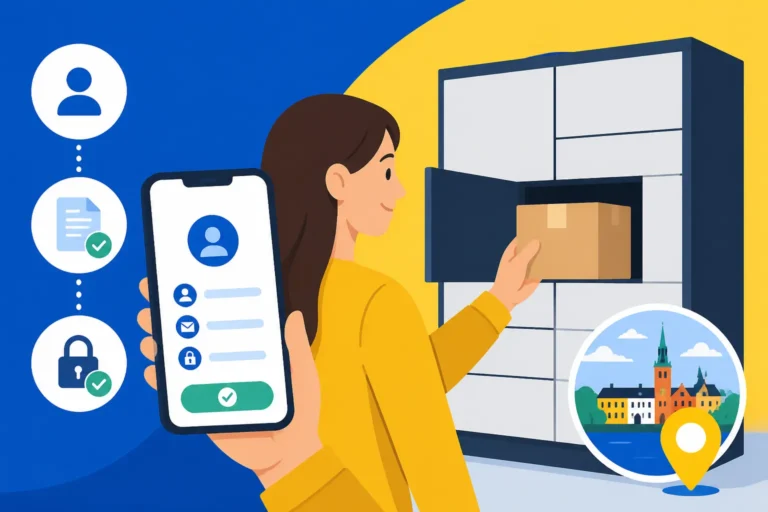
- PostNord and Parcel Collection: Picking up packages from PostNord or other delivery points is a constant challenge. While a foreign passport should be accepted, the discretion of the individual agent at the service point (often a grocery store or kiosk) plays a huge role. I've heard countless stories, and experienced some myself, of perfectly valid passports being rejected because the agent wasn't familiar with its format or simply insisted on a Swedish ID. It's a genuinely frustrating experience, especially when you're looking forward to that IKEA delivery!
- Systembolaget (State Liquor Store): Good luck getting a bottle of something nice without proper ID. Systembolaget is notoriously strict about age verification. A foreign passport is usually accepted, but again, the individual staff member makes the final call. Don't be surprised if you're asked for a second form of ID, or even turned away if your ID isn't immediately recognisable to them.
- Healthcare: For actual medical care, your foreign passport and most importantly, your Personnummer, are what truly matter. While a Swedish ID card makes things smoother, it's not strictly necessary for receiving care once you're registered in the population register. You can Can I See a Doctor in Sweden Before I Get My Personnummer? if needed, and your passport will be the primary identification document for official purposes. However, for things like accessing online health records or booking appointments through 1177.se, you'll eventually need BankID, which circles back to needing that Swedish ID card. See 1177 Vårdguiden: Navigating Sweden's National Health Advice Line and Portal for more on this.
Everyday Life and Digital Access
Beyond the necessities, daily conveniences often become digital roadblocks.
- Shopping and Payments: For in-store purchases, your foreign credit or debit card will work just fine, as will most contactless payment methods. Cash is rarely used in Sweden, so don't count on that as a backup. The bigger issue arises with online shopping or any service requiring a digital signature via BankID.
- Public Transport: Most public transport systems (like SL in Stockholm) rely on apps or travel cards, which can be purchased with foreign credit cards. Your foreign ID isn't usually needed for daily travel itself, but for things like student discounts or registering a personal travel card, a local ID might eventually be requested.
- Digital Identity (BankID): This is perhaps the single biggest reason why you need a Swedish ID card. BankID is Sweden's national electronic identification system, used for everything from logging into your bank, signing contracts, accessing government services, to managing your Filing Your Swedish Tax Return Deklaration: What You Need to Know. Without a Swedish ID card, getting BankID is generally impossible. This means you’re locked out of a vast array of digital services that most Swedes take for granted. It's truly the gateway to fully functioning in modern Swedish society. If you want to learn more about how crucial it is, check out our guide on Getting BankID: Sweden's Essential Digital Identity.
Here's a quick overview of where your foreign ID typically stands:
| Service/Action | Foreign Passport/EU ID (Paper/Card) | Residence Permit Card | Swedish ID Card + Personnummer |
|---|---|---|---|
| Open Bank Account | Yes (limited digital access) | No (not primary ID) | Yes (full digital access) |
| Get BankID | No | No | Yes |
| Collect Parcels (PostNord) | Sometimes (staff discretion) | No (not primary ID) | Yes |
| Systembolaget | Usually (staff discretion) | No (not primary ID) | Yes |
| Doctor's Visit | Yes (with Personnummer) | No (not primary ID) | Yes (smoother process) |
| Online Govt. Services | No (requires BankID) | No | Yes |
| Mobile Phone Contract | Sometimes (requires credit check) | No (not primary ID) | Yes (easier credit check) |
| Hotel Check-in | Yes | Yes | Yes |
| Renting a Car | Yes (with driving licence) | No (not primary ID) | Yes |
The Path to Your Swedish ID Card What to Expect
The journey to getting your Swedish ID card is multi-staged, and patience is key. It's not a quick fix, so understanding the process will help manage expectations.
The Personnummer is Step One
Before you can even think about applying for a Swedish ID card, you absolutely must have your Personnummer, or Swedish personal identity number. This nine or ten-digit number, issued by Skatteverket (the Swedish Tax Agency), is your key to almost everything in Sweden – healthcare, banking, employment, and of course, a Swedish ID card. Without it, your foreign ID's limitations are even more severe. The process of getting your Personnummer involves registering in the population register (Getting Registered in the Population Register Folkbokföring). It can take anywhere from a few weeks to several months, depending on your circumstances and Skatteverket's current processing times. This waiting period is critical, and many expats face significant hurdles during this time. For more on this, check out How Long Does It Take to Get a Personnummer After Moving to Sweden?.
Applying for the Skatteverket ID Card
Once you have your Personnummer, you can apply for the Swedish ID card issued by Skatteverket. This is the most widely accepted form of identification within Sweden, acting as proof of your identity and, implicitly, your Personnummer.
Here’s what you generally need and what to expect:
- Book an Appointment: You typically need to book an appointment online via the Skatteverket website. These can sometimes have waiting lists, especially in larger cities.
- Required Documents:
- Your Personnummer: As mentioned, this is non-negotiable.
- Proof of Identity: Your valid foreign passport is usually the primary document here. If you have an EU national ID card, that might also work. The document must be original and valid.
- Proof of Residency: Skatteverket will verify your registered address in Sweden through the population register.
- A Guarantor (in some cases): This is a unique Swedish system. If your foreign ID document isn't deemed sufficient to verify your identity (for example, if it lacks certain security features or if it's not a common type of ID the staff are familiar with), you might need a guarantor. This must be someone over 18 who holds a Swedish ID card and has known you for at least one year. They must accompany you to the appointment and verify your identity in person. This can be a real headache if you're new and don't know many people.
- The Application Fee: There's a fee for the ID card, which you'll usually pay at the time of application. Make sure to check Skatteverket's current fees on their website.
- The Appointment: You'll visit the Skatteverket office, where your documents will be checked, your photo taken, and fingerprints scanned.
- The Waiting Game (Again): After your application, there's another waiting period while your card is produced and sent to your registered address. This can take a few weeks. You won't be able to pick it up in person; it's sent via registered mail, which means you'll eventually need some form of ID (often your passport) to collect it from a PostNord agent. Yes, it's a bit circular and can cause a moment of panic if your passport was already rejected for a regular parcel pickup! Our guide on Getting a Swedish ID Card After Your Personnummer delves deeper into this process.
Temporary Solutions While You Wait
While you’re in this ID limbo, your foreign passport will be your best friend. Always carry it for official interactions. For daily life, using your bank card (once you manage to open a full account) and Swedish phone number will cover most cashless transactions.
For initial connectivity, before you even have a Personnummer for a formal phone contract, services offering eSIMs, like Airalo, can be incredibly useful. You can get data and calls going almost instantly, using your foreign credit card, which helps a lot with navigation, communication, and general peace of mind during those first few weeks when you're still waiting for everything else to fall into place. It prevents you from needing to show ID for a SIM card purchase in store, which can be an unexpected minor hurdle.
Navigating Specific Hurdles Without a Swedish ID
Let's look at a few more areas where the lack of a Swedish ID card can specifically cause problems and how to try and navigate them.
Renting and Housing
While securing a rental contract (Renting a Home in Sweden: How the First- and Second-Hand System Works) generally requires you to show a valid passport, establishing utilities can be more complex. Getting an electricity contract (Setting Up Electricity El-avtal in Your Swedish Home) or a robust internet package might involve a credit check, which is easier if you have a Personnummer and even more so with BankID. Without a Swedish ID card, you might find some utility providers are hesitant or require more extensive documentation, as they can't easily verify your identity through digital means.
For temporary housing, especially during your initial arrival, platforms like Spotahome can offer a smoother experience. These services often cater to international clients, and their verification processes are typically adapted for foreign IDs and passports, making it easier to secure a place to stay while you're still tackling the Personnummer and ID card applications. This can significantly reduce stress during a period when you're already dealing with a lot of administrative work.
Essential Digital Services
Beyond BankID, many Swedish public services are increasingly digital-first. From checking your healthcare information on Your Health Records and Privacy on Sweden's Digital Health Platforms to interacting with Försäkringskassan (the Swedish Social Insurance Agency), digital identification is usually the standard. Without a Swedish ID card, you are effectively locked out of these online portals. This means more phone calls, more paper forms, and potentially longer processing times for things that others can do in minutes online. It's a significant barrier to truly integrating into the administrative fabric of Sweden.
Employment and Daily Banking
Even if you've opened a bank account with your passport and Personnummer, the lack of BankID limits your daily banking. You might be able to receive your salary, but transferring money to others, paying bills online (other than by manually typing in OCR numbers), or using mobile payment apps like Swish will be difficult or impossible. This means relying on your debit card for almost everything, and if you ever need to access your bank account remotely for more complex operations, you might find yourself needing to call customer service or visit a physical branch, which is often a slower process.
In conclusion, while your foreign ID, especially a passport, is legally valid and will see you through some situations in Sweden, it is far from a complete solution. The Swedish ID card, linked to your Personnummer and enabling BankID, is the ultimate key to unlocking full participation in Swedish society, both administratively and digitally. Be prepared for a period of adjustment, carry your passport diligently, and prioritize getting that Personnummer and ID card as soon as humanly possible.
Disclaimer
The information provided in this article is intended for general guidance and informational purposes only, and does not constitute legal, financial, or medical advice. Regulations and procedures in Sweden can change rapidly. While we strive to keep the information up-to-date and accurate, we recommend consulting official government sources such as Migrationsverket, Skatteverket, and Försäkringskassan, or seeking professional advice for your specific situation.