Travelling Between Cities: SJ Trains and Long-Distance Buses in Sweden
Ah, navigating the vast and beautiful expanse of Sweden! It's one of those things that can feel wonderfully adventurous but also a bit bewildering when you're fresh off the boat, or plane, as the case may be. The public transport system, while excellent, isn't always immediately intuitive for newcomers trying to figure out how to get from, say, Stockholm's buzzing city life to the serene coastal beauty of Gothenburg or the historical charm of Malmö. This guide is here to break down everything you need to know about travelling between Swedish cities using the two most popular and reliable options: SJ trains and long-distance buses, making your journeys smooth, informed, and stress-free.
Understanding Sweden's Intercity Travel Landscape
Sweden, with its elongated shape and varied landscapes, presents unique challenges and opportunities for intercity travel. Unlike some countries where driving is often the default, public transport, particularly trains, plays a significant role here, connecting major urban hubs and even reaching into the more remote regions. Getting a handle on these systems is crucial for truly experiencing the country beyond your immediate locale.
The Dominance of Rail: Why SJ is Your Go-To
When most Swedes think of intercity travel, their minds almost immediately jump to SJ, the national railway company. SJ operates an extensive network that crisscrosses the country, offering a relatively fast, comfortable, and environmentally friendly way to travel. From the high-speed X2000 trains connecting major cities like Stockholm, Gothenburg, and Malmö, to regional services that wind through picturesque landscapes, SJ is often the preferred choice for many, especially for longer distances.
The reliability of SJ trains, particularly on major routes, is generally quite high, although winter weather can sometimes throw a wrench in the works (more on that later!). The convenience of arriving directly into city centres, avoiding the hassle of airport transfers or parking, is a huge draw. Plus, there's something inherently charming about watching the Swedish countryside, whether snow-covered or bathed in summer light, glide past your window. For a deeper dive into how Sweden's wider transport systems operate, check out our guide on Getting Around Sweden: Public Transport, Trains, and Driving.
Long-Distance Buses: A Flexible and Often Cheaper Alternative
While trains might be the glamorous option, don't underestimate the humble long-distance bus. Companies like FlixBus and Vy bus4you (formerly Swebus) offer extensive networks that often parallel train routes but can also reach smaller towns not served by rail. Buses are typically a more budget-friendly option, making them incredibly popular with students, budget travellers, and anyone looking to save a few kronor.
The bus network can be surprisingly flexible, sometimes offering more direct routes or more frequent departures on specific segments, especially between certain regional cities. For instance, travelling between Linköping and Norrköping, or even longer routes like Stockholm to Kalmar, a bus might provide a more convenient direct link or a significantly cheaper fare than the train. They might take a bit longer for the equivalent journey, but the cost savings can be substantial, making the extra travel time a worthwhile trade-off for many.
The Pros and Cons of Each Mode of Transport
Deciding between a train and a bus often comes down to a few key factors: budget, time, comfort, and destination.
SJ Trains: The Pros
- Speed: Especially with high-speed trains like X2000, you can cover long distances much faster than by bus.
- Comfort: More legroom, the ability to walk around, and often more spacious seating contribute to a more relaxed journey. Many trains offer a bistro car for snacks and drinks.
- Central Stations: You typically arrive directly in the heart of the city, making onward travel easier.
- Views: Large windows often provide fantastic scenic views of the Swedish landscape.
- Environmental Impact: Generally considered a more eco-friendly option than driving or flying for domestic travel.
SJ Trains: The Cons
- Cost: Tickets can be significantly more expensive, especially if not booked well in advance or if travelling on popular routes during peak times.
- Less Flexible Routing: The rail network is extensive but doesn't reach every small town.
- Vulnerability to Delays: While generally reliable, major snowstorms, track maintenance, or technical issues can cause significant delays or cancellations.
Long-Distance Buses: The Pros
- Affordability: Almost always the cheaper option, especially for last-minute bookings or off-peak travel.
- Extensive Network: Can reach more remote towns and often offer more direct routes between specific regional cities.
- Flexibility: More frequent departures on some routes, and more options for less popular destinations.
- Modern Amenities: Many modern buses come with Wi-Fi, power outlets, and comfortable seats.
Long-Distance Buses: The Cons
- Travel Time: Journeys are typically longer due to lower speeds and more stops.
- Comfort: While good, it's generally less spacious than a train, and the inability to walk around freely can be a downside for long trips.
- Traffic: Buses are susceptible to road traffic, which can lead to unpredictable delays, particularly around major cities during rush hour.
- Environmental Impact: While better than individual cars, trains generally have a lower carbon footprint per passenger mile.
Here's a quick comparison to help you weigh your options:
| Feature | SJ Trains | Long-Distance Buses |
|---|---|---|
| Cost | Higher, varies greatly with booking time | Lower, generally more consistent |
| Speed | Faster (especially X2000) | Slower, subject to road conditions |
| Comfort | High (more space, amenities) | Moderate (can be cramped on long trips) |
| Network | Major cities, extensive rail network | Major cities and smaller towns, extensive road network |
| Booking | Online (SJ website/app), stations | Online (operator websites/apps) |
| Amenities | Wi-Fi, power, bistro, quiet zones | Wi-Fi, power, toilet |
| Environmental | Generally lower emissions per passenger | Higher emissions per passenger than train |
Navigating the SJ Train System
Once you've decided the train is for you, understanding how to book and what to expect from SJ can save you a lot of head-scratching. Their system is pretty efficient, but like all new systems, it has its quirks.
Booking Your SJ Train Tickets: The Digital Journey
Booking an SJ ticket is primarily a digital affair. The most straightforward way is through the official SJ website or their mobile app, which is available for both iOS and Android. These platforms are incredibly user-friendly and usually offer English language options, which is a massive relief for non-Swedish speakers.
When booking, you'll enter your departure and arrival stations, date, and number of passengers. The system will then display available trains, along with different fare types and seating classes. Prices fluctuate significantly based on demand, how far in advance you book, and the flexibility of the ticket. For example, a non-refundable ticket booked months ahead will be far cheaper than a flexible ticket purchased the day before travel. If you're looking to score a good deal, aim to book at least a few weeks in advance, especially for popular routes or during peak travel seasons like holidays or the height of summer. You might also want to look at a handy feature on their website where you can see a "low price calendar" for certain routes, allowing you to pick the cheapest days to travel.
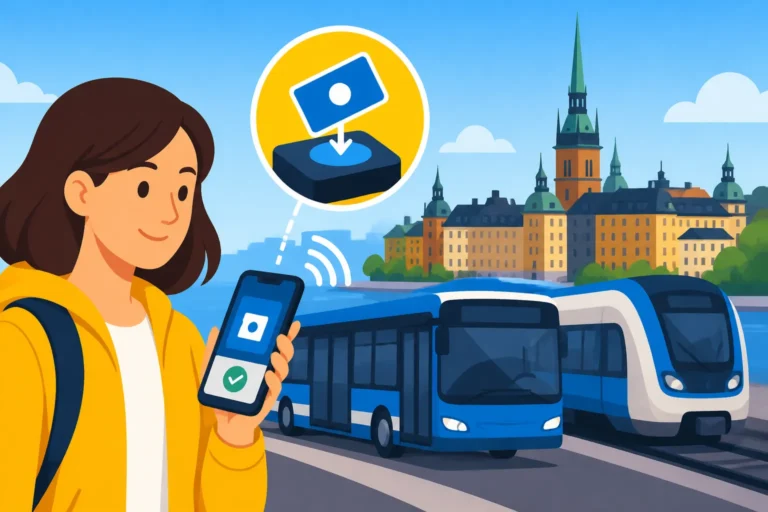
Once you’ve made your purchase, your ticket will typically be delivered electronically via email or directly to the SJ app. You won't usually get a physical ticket unless you specifically print it at a station machine. On the train, conductors will scan the QR code on your phone or printed ticket. Make sure your phone is charged!
Types of SJ Trains and Classes: Finding Your Comfort
SJ operates several types of trains, each offering a slightly different experience and speed:
- X2000: These are Sweden's high-speed trains, identifiable by their sleek, modern design. They connect major cities quickly and offer various classes: 1st class, 2nd class, and often a "quiet carriage" (tyst avdelning) in 2nd class for those who prefer to work or relax without distractions. First class usually includes breakfast if travelling before 9 AM, complimentary coffee/tea, fruit, and newspapers, along with more spacious seating and faster Wi-Fi.
- InterCity/Regional Trains: These are conventional trains that serve a broader range of destinations, often making more stops than the X2000. They are a bit slower but generally comfortable. They primarily offer 2nd class seating, with a bistro car usually available for refreshments.
- Night Trains (Nattåg): For longer journeys, especially to the northern parts of Sweden, SJ offers night trains with sleeping compartments (couchettes or private sleepers) in addition to regular seats. This can be a practical way to save on a night's accommodation and wake up refreshed at your destination.
- Snälltåget: While not SJ, Snälltåget is another private operator offering long-distance routes, primarily between Malmö, Stockholm, and Åre/Duved (for skiing). They also operate night trains and often have competitive pricing, so it's worth checking them as an alternative, especially if your route aligns.
Consider what level of comfort and amenities you need. If you're working, 1st class or a quiet carriage on the X2000 might be worth the splurge. For a casual trip, 2nd class is perfectly adequate and comfortable.
Essential Tips for Train Travel in Sweden
Travelling by train in Sweden is generally a pleasant experience, but a few insider tips can make it even smoother.
Firstly, arrive at the station with ample time. Swedish train stations, especially in larger cities like Stockholm Central (Stockholms Centralstation), can be quite bustling, and finding your platform can take a few minutes, particularly if you're unfamiliar with the layout.
Secondly, reserve your seat. Most SJ tickets come with a seat reservation, but always double-check. In 2nd class, while you might find an empty seat, during busy periods, you'll be thankful to have a guaranteed spot. Also, be aware that many trains have designated "quiet zones" (tyst avdelning) where phone calls and loud conversations are discouraged. Respect these zones – Swedes take their quiet seriously!
Thirdly, food and drink. While X2000 trains and many InterCity services have a bistro car, it's often a good idea to bring your own snacks and drinks, especially if you have specific dietary requirements or just want to save money. The bistro can be a bit pricey.
Finally, stay updated on delays. The SJ app is excellent for real-time updates on train departures, arrivals, and any potential delays. If you've registered your mobile number when booking, you might also receive SMS updates. This is particularly important during winter, where heavy snowfall can occasionally impact schedules. For general travel tips and to understand how public transport functions within cities, you might find our guide on Public Transport in Sweden: SL, Regional Cards, and Apps very helpful.
Exploring Long-Distance Bus Options
If trains aren't quite cutting it for your budget or destination, or if you simply prefer road travel, Sweden's long-distance bus network offers a viable alternative. They're often overlooked by those who initially assume trains are the only way, but they provide excellent value.
Key Bus Operators and Their Routes
Two main players dominate the long-distance bus market in Sweden:
- FlixBus: This German-based company has a widespread network across Europe, and Sweden is no exception. They offer numerous routes connecting major cities (Stockholm, Gothenburg, Malmö, Uppsala, etc.) as well as many smaller towns. FlixBus is known for its competitive pricing and often has promotional deals, making it a popular choice for budget-conscious travellers. Their website and app are straightforward to use and available in multiple languages.
- Vy bus4you (formerly Swebus): A Norwegian-owned company, Vy bus4you operates primarily on the routes connecting the three largest cities – Stockholm, Gothenburg, and Malmö – and extends to destinations like Oslo (Norway) and Copenhagen (Denmark). They often position themselves as a slightly more premium bus service, with more spacious seating and amenities on some of their routes, though still generally cheaper than the train. They also have a user-friendly website and app.
Beyond these, some regional bus services might operate longer inter-regional routes, but for truly long-distance travel across provinces, FlixBus and Vy bus4you are your primary go-tos.
Booking Bus Tickets and Understanding Fares
Booking bus tickets is much like booking train tickets: online is king. Both FlixBus and Vy bus4you have dedicated websites and apps that allow you to search for routes, compare prices, and purchase tickets with ease. Again, booking in advance usually secures the best prices, particularly with FlixBus, which uses dynamic pricing similar to airlines and trains.
Fares on buses are typically simpler than train fares; you generally pick a departure time and a class (though most buses only have one standard class, some Vy bus4you services might offer slightly more spacious options). You'll receive an e-ticket with a QR code, which the driver will scan when you board.
One crucial detail is the departure and arrival points. While trains almost always use central stations, bus stops can sometimes be a little further from the absolute city centre, or at specific bus terminals. Always double-check the exact address of your departure and arrival points when booking to avoid any last-minute confusion or frantic searches! For example, in Stockholm, buses often depart from Cityterminalen, right next to the central station, but in other cities, it could be a specific street stop.
What to Expect When Travelling by Bus
Bus travel in Sweden is generally efficient and comfortable for what it is. Modern buses are equipped with air conditioning, comfortable seats, and often, onboard toilets. Most operators advertise free Wi-Fi and power outlets, though the reliability of these can vary depending on the bus and the route. Bringing a portable charger is always a good idea.
Luggage allowance is usually generous for a standard ticket, typically allowing one carry-on item and one or two larger pieces for the hold. However, always check the specific operator's luggage policy, especially if you have oversized items like skis or musical instruments, as these might incur extra fees or require prior arrangement.
For longer journeys, there might be a short comfort stop at a service station, allowing passengers to stretch their legs, grab a snack, or use facilities. These are usually announced by the driver, so pay attention. While trains offer the luxury of a bistro, buses don't, so definitely bring your own food and drinks to keep you going.
Practical Considerations for Your Journey
Beyond the mechanics of booking and travel, there are a few practical elements that can make or break your intercity experience in Sweden. Being prepared for these small details can make a huge difference.
Luggage, Wi-Fi, and Onboard Services
When packing for your Swedish adventure, remember that trains generally offer more generous luggage space than buses. On SJ trains, there are overhead racks for smaller bags and dedicated luggage areas at the ends of carriages for larger suitcases. Buses have under-bus storage, which is usually sufficient, but again, check the specific rules regarding dimensions and weight with your chosen operator.
Wi-Fi is advertised on both trains and modern long-distance buses. On SJ trains, especially 1st class on X2000, the Wi-Fi is often quite reliable. On buses, it can be a bit more hit-and-miss, especially outside major urban areas. If staying connected is vital for work or entertainment, consider having a backup data plan on your phone. Many expats find using eSIMs from providers like Airalo to be incredibly convenient for short trips or when they first arrive, as it allows you to get local data without needing a physical SIM card or a long-term contract. It's a lifesaver for navigation, checking timetables, or even just streaming some music while you travel.
Onboard services differ. Trains often have a bistro car where you can purchase coffee, sandwiches, and hot meals. Buses typically don't offer catering, though some may have a vending machine for drinks. So, if you're taking a long bus ride, pack a good book, download some movies, and bring plenty of snacks and water!
Planning for Delays and Cancellations
Even with Sweden's generally efficient infrastructure, delays and cancellations can happen. Winter weather, especially heavy snowfall and icy conditions, is the most common culprit for train delays. Track maintenance, signal failures, or even animal collisions can also cause disruptions. For buses, traffic jams (especially around Stockholm, Gothenburg, and Malmö) or road accidents are the main reasons for delays.
What to do if your journey is delayed or cancelled:
- Check the app/website: Both SJ and bus operators provide real-time updates through their apps and websites. Look for information specific to your departure.
- Listen to announcements: At stations, listen carefully to platform announcements. They are usually in Swedish and English at major hubs.
- Ask staff: Don't hesitate to approach station staff (for trains) or the bus driver (if already boarded) for information.
- Know your rights: Under EU regulations, you might be entitled to compensation for significant delays (e.g., 60 minutes or more for trains). Keep your ticket and note the delay duration. Both SJ and the bus operators have procedures for claiming compensation, usually available on their websites.
Remember, patience is key. While delays can be frustrating, especially if you have connecting travel or appointments, Swedish staff are usually doing their best to resolve the situation.
Accommodation and Connectivity on the Go
After a long journey, knowing where you'll rest your head is paramount. Sweden offers a wide range of accommodation options in its cities, from hotels and hostels to apartments. When planning your trips, especially if you're exploring multiple cities, consider booking your accommodation in advance. For those looking for short-term or flexible housing options, platforms like Spotahome can be useful, particularly if you're staying a bit longer than a typical tourist or need something beyond a hotel. It's geared towards medium to long-term stays, which can be invaluable for expats on the move or extended visits.
Having reliable phone service is also crucial. While most major cities have excellent coverage, venturing into more rural areas, particularly in the vast north, can sometimes mean patchy signals. Ensure your phone is unlocked and consider a local SIM card if you don't have an eSIM, as mentioned earlier. Sweden has excellent mobile networks, and getting a local plan can make staying in touch and navigating much easier. You can learn more about this in our guide on Getting Broadband and Mobile Service in Sweden.
Seasonal Travel and Regional Variations
Sweden's seasons are dramatic, and they have a significant impact on how you travel and what you'll experience. Planning around these can enhance your journey or help you prepare for challenges.
Winter Travel: Challenges and Preparations
Swedish winters are beautiful but can be demanding. Heavy snowfall, icy conditions, and shorter daylight hours can affect travel times and conditions.
Trains in Winter:
- Delays: Expect potential delays, especially during severe weather. High-speed trains like X2000 are quite resilient, but slower regional trains can be more affected.
- Heating: Trains are well-heated, so you'll be comfortable inside.
- Views: The snow-covered landscape is stunning, offering picturesque views.
- Booking: Book early, especially for popular routes around Christmas and New Year, as trains fill up quickly.
Buses in Winter:
- Delays: Buses are more susceptible to road conditions. Icy roads and snow can lead to longer travel times and, occasionally, cancellations for safety reasons.
- Tires: Swedish buses are equipped with winter tires, and drivers are experienced in navigating snowy conditions, but prudence is always exercised.
- Views: Similar to trains, the winter scenery from a bus can be breathtaking.
What to wear and pack: Regardless of whether you're taking a train or a bus, dress in layers. While inside, you'll be warm, but walking to and from stations/stops, or if you get stuck waiting outdoors due to a delay, you'll want good winter gear. Think warm coats, hats, gloves, and waterproof boots. Our guide, What Should I Wear to Survive a Swedish Winter?, has even more detailed advice on this.
Summer Journeys and Scenic Routes
Swedish summers offer long daylight hours, often stretching late into the evening, making travel a joy. The landscape bursts into life, and many Swedes head to their summer cottages (sommarstugor) or explore the country.
- Trains in Summer: Enjoy the verdant landscapes, glittering lakes, and endless forests. Train journeys through regions like Dalarna, or along the coast, are particularly scenic.
- Buses in Summer: The longer daylight hours mean you can appreciate the views for more of your journey. Buses can often take you closer to national parks and hiking trails than trains.
- Booking: Summer is peak travel season, so book both train and bus tickets well in advance to secure your preferred times and better prices. Accommodation in popular tourist spots also fills up fast!
Consider taking a train or bus up north towards cities like Umeå or Luleå for a chance to experience the midnight sun, or a scenic journey along the west coast if you're based in Gothenburg.
Beyond Major Hubs: Reaching Smaller Towns
While SJ trains and major bus operators connect most significant cities, Sweden is full of charming smaller towns and remote communities. To reach these, you might need to combine modes of transport.
- Regional Trains/Buses: Once you arrive at a larger regional hub via SJ or a long-distance bus, you'll often transfer to a local or regional bus service (operated by the regional public transport authority, e.g., SL in Stockholm, Västtrafik in Västra Götaland, Skånetrafiken in Skåne). These regional systems are efficient and connect smaller towns within a county. Our Public Transport in Sweden: SL, Regional Cards, and Apps article details how these regional systems usually operate.
- Taxi/Rental Car: For truly remote areas, especially if you're heading to a secluded cabin or a specific nature spot, the final leg of your journey might require a taxi or a pre-booked rental car. Always check transport options to your final destination before you set off.
- Ferry: For coastal areas and islands, especially in the archipelagos (like Stockholm's or Gothenburg's), ferries are an integral part of the transport network. These are often integrated into the regional public transport system or operated by private companies.
Exploring Sweden beyond the well-trodden paths of Stockholm, Gothenburg, and Malmö reveals incredible natural beauty and unique cultural experiences. Don't be afraid to delve into the country's heartland; with a little planning, it's very accessible.
Disclaimer
Please note that travel information, including prices, schedules, and operator policies, is subject to change. While this guide aims to provide accurate and up-to-date general information for travellers in Sweden, always verify specific details directly with SJ, FlixBus, Vy bus4you, or other relevant transport providers before making your travel arrangements. Local conditions, especially weather, can also significantly impact travel.