Finding a Second-Hand Rental (Andrahand) in Sweden Safely
The Swedish housing market, let's be honest, can feel like navigating a dense, fog-laden forest where the path to a permanent home is constantly shifting. For us expats, especially those just stepping off the plane, the sheer frustration of hearing about 10-year housing queues for a basic apartment can be enough to make you want to book the next flight home. But don't despair! Many of us have found our footing by diving into the world of second-hand rentals, known as andrahand in Sweden. This guide is here to help you understand this vital but often tricky part of Swedish living, showing you how to find an andrahand rental safely and avoid the common pitfalls that can turn a new adventure into a nightmare.
Understanding the Swedish Rental Market Basics
When you first arrive in Sweden, one of the most immediate and pressing concerns is finding a place to live. And if you're like most newcomers, you've probably heard horror stories about the housing market. It's not just an exaggeration; it's a genuine challenge, especially in major cities.
The Housing Crisis and Its Impact on Newcomers
Sweden, particularly its urban hubs like Stockholm, Gothenburg, and Malmö, has been grappling with a significant housing shortage for years. The traditional route to a long-term rental, a förstahandskontrakt (first-hand contract), is through a municipal housing queue, or bostadskö. The idea is simple: the longer you've been in the queue, the higher your chances of getting an apartment. Sounds fair, right? Well, for someone just arriving, these queues can stretch for years, even decades. Imagine waiting 10 or 15 years just to get a shot at a decent apartment in central Stockholm – it’s utterly demoralizing and frankly, impossible for most expats. This means that for the vast majority of us, a förstahand contract isn't an option upon arrival, and often not for many years into our stay. If you're curious about the realities, you might want to read more about How Long Is the Housing Queue in Stockholm Really?.
This creates an immediate, overwhelming pressure to find alternative housing. Many expats arrive with job offers or university acceptances, but nowhere to lay their head. The official channels seem to offer little immediate solace, leading to a sense of vulnerability. It's a truly disheartening experience to be excited about a new life in Sweden only to be met with such a fundamental roadblock. This is precisely why the andrahand market becomes not just an option, but often the only realistic entry point into Swedish housing for foreigners. It’s a necessary stepping stone, but one that comes with its own set of complexities and risks.
What Exactly is an Andrahand Contract?
So, what exactly are we talking about when we say andrahand? In its simplest form, an andrahand rental means you are renting an apartment from someone who holds the förstahand contract (the primary tenant) or from someone who owns their apartment (a bostadsrätt owner). Essentially, you're the "second-hand" tenant. This can range from renting a room in someone's apartment to taking over an entire flat while the primary tenant is away, perhaps for work abroad, a sabbatical, or even moving in with a partner.
The key distinction is that you are not renting directly from the property owner or the housing company that manages the building. Your landlord is an individual, and this introduces a layer of legal and practical considerations that differ significantly from a förstahand arrangement. For example, if you rent from a bostadsrätt owner, they are leasing out their personal property, and their right to do so is often regulated by their housing co-operative, or BRF (Bostadsrättsförening). If you rent from a förstahand tenant, they are essentially sub-letting their rental, and this almost always requires permission from their own landlord (the property owner). Understanding these nuances is absolutely critical to ensuring your rental is legitimate and secure. Without proper permissions, your tenancy could be terminated with very short notice, leaving you high and dry.
Where to Look for Second-Hand Rentals
Finding an andrahand apartment is a bit like a treasure hunt, and you need to know where to dig. While the demand far outstrips supply, there are several key platforms and strategies that prove more fruitful than others for us expats.
Online Platforms and Marketplaces
The digital world is your primary battlefield when searching for andrahand rentals. These platforms are where most Swedes and expats alike go to find or offer sublets.
Blocket Bostad is arguably the most well-known and widely used platform for andrahand rentals in Sweden. It's a massive online marketplace where people sell everything from cars to furniture, and yes, post housing listings. The sheer volume of listings on Blocket makes it a necessary stop for any serious apartment hunter. You’ll find everything from single rooms to entire houses here. However, its popularity also means fierce competition. Listings often receive hundreds of inquiries within hours, and you need to be quick and have a compelling application ready. The downside? Due to its open nature, Blocket is also unfortunately a hotbed for scams. You need to approach every listing with a healthy dose of skepticism, which we'll cover in more detail shortly.
Then there's Qasa, which has emerged as a more modern, somewhat safer alternative specifically for andrahand rentals. Qasa aims to streamline the rental process by offering digital contracts, secure payment solutions, and landlord/tenant verification services. This added layer of security can be incredibly appealing, especially for newcomers who are less familiar with the local market and eager to avoid scams. While the selection might not be as vast as Blocket, the peace of mind offered by Qasa's vetting process is often worth it.
While primarily a site for buying property, Hemnet occasionally features andrahand rentals, especially from bostadsrätt owners. It’s not a primary source, but it’s worth a glance from time to time if you’re casting a wide net.
Don't underestimate the power of Facebook Groups. There are countless groups dedicated to housing in Sweden, often specific to cities (e.g., "Housing in Stockholm," "Gothenburg Accommodation," "Malmö for Expats"). These groups are vibrant, with new listings popping up constantly. The advantage here is direct communication with the primary tenant, and you can often get a feel for the person quickly. However, like Blocket, these groups are unregulated and rife with scams. Exercise extreme caution, and never commit to anything without seeing the apartment and signing a proper contract.
Finally, consider platforms like Spotahome. These services specialize in mid to long-term furnished rentals, often targeting international students and professionals. The major benefit of Spotahome is that they typically vet properties and sometimes even visit them to take professional photos and videos, offering a level of security and transparency that individual landlords on open marketplaces cannot. This can be a godsend if you're trying to secure accommodation before you even arrive in Sweden, giving you a tangible place to go to. While the prices might be slightly higher, the reduced stress and verified listings make it a strong contender for many expats seeking peace of mind.
Networking and Word of Mouth
While online platforms are crucial, sometimes the most Swedish way to find something is through your network. Sweden is a small country in many ways, and personal connections hold significant weight.
If you’re moving to Sweden for work, inquire with your employer. Many companies, especially larger international ones, have relocation services or internal networks where employees post andrahand opportunities. Some even have corporate apartments they use for new hires. Leveraging this avenue can significantly increase your chances of finding a reputable rental, as these are often vetted by your company or colleagues.
For students, your university housing services or student unions are invaluable resources. They often manage their own housing lists or can connect you with other students seeking flatmates or sublets. These are usually much safer options than public platforms.
Beyond formal channels, simply talking to people can work wonders. Tell your new colleagues, classmates, and any Swedes you meet that you're looking for housing. It's not uncommon for someone to know a friend of a friend who's looking to sublet. The housing market is so tight that people often prefer to rent to someone they have a slight connection to. While it might feel awkward to ask, it’s a very common and effective strategy here.
Navigating the Application Process and Avoiding Scams
Once you start finding listings, the next step is applying, and this is where things can get competitive and, unfortunately, dangerous if you’re not careful. Knowing what to prepare and how to spot a scam is paramount to a safe andrahand experience.
Essential Documents and Information You'll Need
Preparing a strong application packet can significantly boost your chances in Sweden's competitive rental market. Landlords are looking for reliable, responsible tenants, and demonstrating that you are organized and trustworthy will set you apart.
Firstly, while not strictly required for every andrahand rental, having your Personnummer (Swedish personal identity number) is a huge advantage. It signals that you are a registered resident and helps landlords verify your identity and creditworthiness (though credit checks are less common for andrahand). If you don't have one yet, don't worry too much – many expats secure andrahand before obtaining it. However, it's worth noting that getting a Personnummer is often the first step to truly integrating into Swedish society, impacting everything from banking to healthcare. Learn more about Getting Your Personnummer: The Gateway to Swedish Healthcare as it's a foundational step for life here.
Next, proof of income or an employment contract is almost always requested. Landlords want assurance that you can consistently pay the rent. A recent employment contract, payslips, or even a letter from your employer stating your salary can suffice. For students, proof of enrollment and documentation of scholarships or financial aid would be appropriate.
References can also make a big difference. If you have previous landlords who can vouch for you, or even professional references from employers, these can add a layer of credibility. A simple email or phone number for someone who can speak positively about your reliability is often enough.
Finally, put together a brief, compelling personal introduction. This isn't just a cover letter; it's your chance to tell the landlord a bit about yourself, your reason for moving to Sweden, your hobbies, and why you would be a great, respectful tenant. Mention if you're quiet, don't smoke, have no pets, and are tidy. Swedes appreciate a personal touch and clarity. Keep it concise, friendly, and professional.
Spotting Red Flags and Common Scams
This is perhaps the most critical section for anyone searching for an andrahand rental. The tight housing market creates a fertile ground for scammers, and they often target desperate newcomers. My biggest piece of advice: if it sounds too good to be true, it almost certainly is.
Here are the most common red flags and scam tactics:
- The "Pay Before Viewing" Trap: This is the golden rule: never, ever pay any money – deposit, first month's rent, or "application fee" – before you have seen the apartment in person (or via a trusted representative) and signed a legal contract. Scammers often claim to be out of the country, unable to show the apartment, and demand money to "reserve" it or send you the keys. This is a classic con. Legitimate landlords will always arrange a viewing. Even if you're using a platform like Spotahome, where properties are pre-vetted, the payment process is usually secure and structured to protect you.
- Unrealistic Prices or Photos: A beautifully furnished apartment in central Stockholm at a suspiciously low price? That’s a major red flag. Similarly, if the photos look too professional, like they're from a furniture catalog, or if they don't seem to match the description, be wary. Reverse image search the photos – you might find them used on other listings in different cities or even countries.
- Landlords "Abroad": This is often paired with the "pay before viewing" scam. The supposed landlord claims to be working overseas, on vacation, or a missionary, making it impossible for them to show the apartment. They’ll insist on sending keys by mail once payment is made. This is almost always a lie.
- Pressure Tactics and Urgency: Scammers often try to rush you into making a decision or payment by claiming there are many other interested parties and you need to act immediately. While the market is fast-paced, legitimate landlords allow for reasonable time to review a contract and make a decision.
- Requests for Unsecured Payment Methods: Be extremely cautious if a landlord asks for payment via Western Union, MoneyGram, cryptocurrency, or any other method that is untraceable and non-refundable. Legitimate transactions will typically involve a Swedish bank transfer to a clearly identified account.
- Lack of a Proper Contract or a Contract in Swedish Only: Insist on a written contract. If the landlord only offers a flimsy, informal agreement, walk away. While a contract in Swedish is standard, a legitimate landlord will often be willing to provide a translation or at least explain key terms if you don't speak Swedish. Never sign anything you don't fully understand. For more on what to look for, check out What to Check Before Signing a Rental Contract in Sweden.
Platforms like Spotahome offer a significant advantage here by providing verified listings and secure payment channels, greatly reducing your exposure to these common scams. They act as an intermediary, which can be a huge relief for someone new to the country.
Verifying the Landlord's Right to Sublet
This step is absolutely crucial for your legal protection as an andrahand tenant. In Sweden, if someone wants to sublet their förstahand apartment or bostadsrätt, they generally need permission from their primary landlord (the property owner) or their BRF (housing co-operative) respectively. Without this permission, your tenancy is vulnerable, and you could be forced to move out with very short notice, often with no legal recourse.
How to get proof:
- Ask for the Subletting Permit: The primary tenant should be able to provide you with a copy of the written approval from their landlord or BRF. This document explicitly states that they are permitted to sublet the apartment, often for a specific period (e.g., one year) and sometimes to a specific individual.
- Request their Förstahand Contract or Bostadsrätt Papers: This isn't just for curiosity; it helps confirm that they actually have the right to rent out the property. If they're a förstahand tenant, seeing their contract with the property owner confirms their primary tenant status. If they own a bostadsrätt, they should have documents proving ownership.
- Contact the BRF/Property Owner (Carefully): You can gently suggest, or ask the prospective landlord, to contact their BRF or property management company to confirm the subletting permission. A legitimate landlord will have no issue with this; a scammer will balk. You can also try to find the BRF's contact information online (most apartment buildings have a BRF website or publicly available contact details) and discreetly confirm that the address is approved for subletting. Don't reveal too much personal information about yourself at this stage, just confirm the legitimacy of the sublet request for that specific address. Understanding Bostadsrätt: Buying into a Swedish Housing Co-op can give you more insight into how BRFs operate.
Verifying this permission isn't about being overly suspicious; it's about protecting yourself from potential homelessness and legal battles. A legitimate landlord will understand and respect your need for this verification.
The Andrahand Contract – What to Expect
Once you've found a promising rental and verified the landlord's legitimacy, the next hurdle is the contract itself. Don't rush into signing anything. This document outlines your rights and responsibilities, and understanding its contents is vital.
Key Terms to Understand in Your Contract
A standard Swedish rental contract, even for andrahand, will include several critical details that you must understand before putting pen to paper.
- Rental Period: This specifies the start and end dates of your tenancy. Andrahand contracts are almost always for a fixed term, typically 6-12 months, with an option for extension. Be clear about what happens at the end of the term. Will it automatically renew? Does it revert to a rolling contract?
- Notice Periods (Uppsägningstid): This is incredibly important. Both you and the landlord will have a notice period if either party wishes to terminate the contract early. For andrahand rentals from a private individual, the landlord typically has a three-month notice period, and the tenant usually has one month. However, these can be negotiated, so ensure they are clearly stated in your contract.
- Rent: The monthly rent amount, of course, is a primary concern. But also clarify what's included. Is it varmhyra (warm rent, meaning heating and hot water are included) or kallhyra (cold rent, where you pay for utilities separately)? Increasingly, andrahand rentals include broadband and electricity in the rent to simplify things. Make sure the contract explicitly lists what utilities are covered and what you're responsible for.
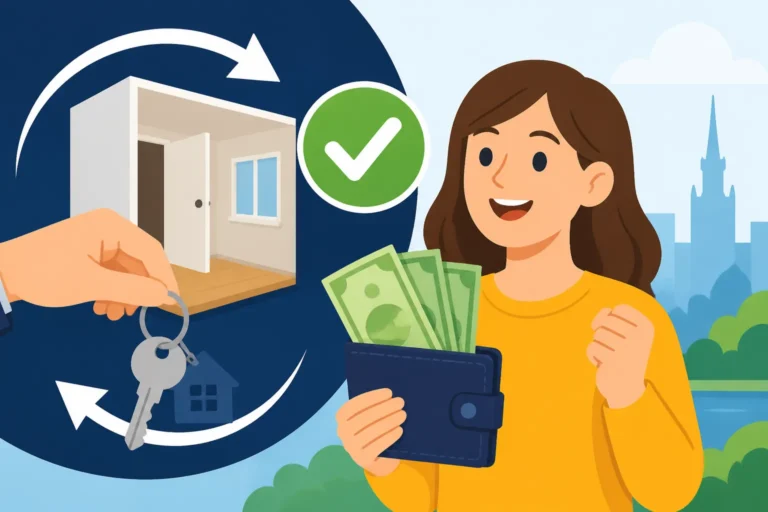
- Deposit (Deposition): A security deposit is standard, usually equivalent to one to three months' rent. The contract should clearly state the amount, when it's due, and the conditions under which it will be returned. Ideally, the deposit should be held in a separate account, sometimes referred to as an escrow account, to protect it from the landlord's personal finances.
- Condition of the Apartment: Before moving in, do a thorough inspection of the apartment with the landlord. Take detailed photos and videos of the entire space, noting any existing damage or wear and tear. Create an inventory list of all furniture and appliances, and have both you and the landlord sign off on it. This documentation is your best friend when it comes to getting your deposit back at the end of the tenancy.
- Subletting Clause: Most andrahand contracts will explicitly prohibit you, the second-hand tenant, from further subletting the apartment. Make sure this is clear.
- Rules and Regulations: Expect clauses regarding pets (usually "no pets" unless explicitly stated), smoking (almost always forbidden indoors), and general apartment etiquette (e.g., quiet hours). Familiarize yourself with these rules to avoid conflicts with your landlord or neighbors.
Fair Rent and the Utility Value System (Bruksvärde)
One common frustration for andrahand tenants is the price. The Swedish housing market is notorious for allowing andrahand rents to be significantly higher than förstahand rents, sometimes outrageously so. However, there are regulations in place.
Sweden operates on a "utility value system" (bruksvärde) for first-hand rental contracts. This system ensures that rent is based on the apartment's standard, size, and location, rather than market demand. While andrahand rents are not strictly governed by bruksvärde in the same way, they are subject to fairness clauses. If the apartment is rented out furnished, the andrahand rent should not exceed the förstahand rent by more than about 10-15% (for furniture depreciation). If it’s unfurnished, it should generally not exceed the förstahand rent at all.
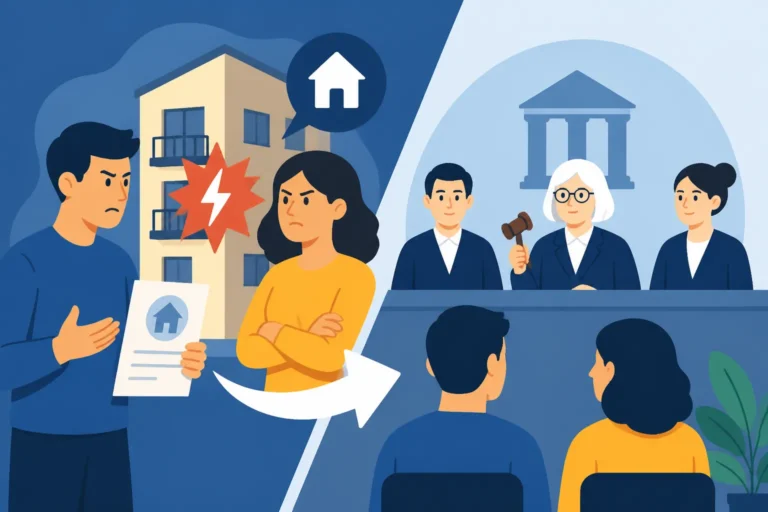
Many expats find themselves paying inflated andrahand rents out of desperation. The good news is that if you believe your rent is unfairly high, you have the right to challenge it. After you've moved in and the contract has started, you can take your case to the Hyresnämnden (Rent Tribunal), a neutral body that mediates and rules on rental disputes. If they find your rent was excessive, they can order the landlord to repay the difference for up to one year. This doesn't mean you should sign an obviously unfair contract, but it's important to know your rights. For more comprehensive information on this, check out The Hyresnämnden: Resolving Rental Disputes in Sweden.
Deposits and Moving Out
The deposit is often a source of anxiety for tenants, especially for expats who might not be familiar with local laws. To maximize your chances of getting your deposit back:
- Document, Document, Document: As mentioned, take extensive photos and videos of the apartment's condition before you move in and after you move out. Note every scratch, stain, or broken item. This is your evidence if there's a dispute.
- Read the Deposit Clause Carefully: The contract should specify under what conditions the deposit can be withheld (e.g., unpaid rent, damage beyond normal wear and tear, not cleaning properly).
- Clean Thoroughly: Swedish standards for moving-out cleaning are notoriously high, often bordering on obsessive. If you don't clean to their satisfaction, the landlord might hire a cleaning company and deduct the cost from your deposit. Many choose to hire professional cleaners themselves to ensure it meets the standard.
- Handover Protocol: Ideally, have a joint inspection with the landlord on the day you move out. Go through the apartment together, compare with your move-in documentation, and sign off on the condition. This helps prevent later disputes.
If a dispute over the deposit arises, and you can't resolve it directly with the landlord, the Hyresnämnden is again your recourse. Be aware that the process can take time, but having solid documentation significantly strengthens your case.
Practical Considerations for Second-Hand Living
Beyond the contract, there are numerous practical aspects to consider when living in an andrahand rental in Sweden. These range from setting up essential services to understanding the unwritten rules of Swedish apartment living.
Setting Up Utilities and Internet
The arrangements for utilities and internet can vary greatly in andrahand contracts. Some landlords prefer an "all-inclusive" rent (varmhyra plus internet and electricity), simplifying things for both parties. Others will expect you to set up accounts in your own name.
If you are responsible for electricity, you'll need to choose an electricity provider (el-leverantör) and sign an electricity contract (el-avtal). This usually involves two parts: a grid fee (nätavgift) to the local grid owner (which you can't choose) and the actual electricity consumption fee (which you can choose). It can be a bit confusing, but generally, you'll contact a provider and they'll guide you through it. For more details, refer to Setting Up Electricity (El-avtal) in Your Swedish Home.
For internet, many buildings have fiber optic connections, and you'll choose a provider from a list available in your building. Mobile broadband is also an option if you need something quick and flexible. If you’re just arriving or on a very short-term rental, you might want to consider options like Airalo for immediate mobile data. Airalo offers eSIMs for travelers, providing instant internet access upon arrival without needing a local SIM card or navigating complex contracts, which can be incredibly useful while you’re settling in and figuring out long-term internet solutions. To dive deeper into getting connected, check out Getting Broadband and Mobile Service in Sweden.
Home Insurance and Population Registration
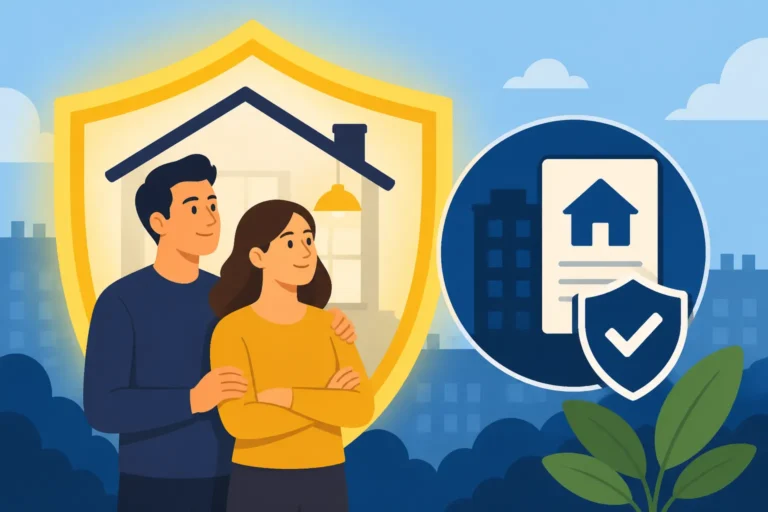
Even as an andrahand tenant, home insurance (hemförsäkring) is not just recommended, it’s practically essential. This insurance covers your belongings in case of theft, fire, or water damage, and crucially, it includes liability insurance (ansvarsskydd) which protects you if you accidentally cause damage to the apartment or building. For example, if your forgotten bathtub overflows and damages the apartment below, your home insurance would cover it. While your landlord's insurance might cover the building itself, it won't cover your personal property or your liability. Getting Home Insurance (Hemförsäkring): Why It's Essential in Sweden should be one of the first things you do after securing a place.
Equally important for longer stays is population registration (folkbokföring). If you plan to live in Sweden for at least one year, you are legally required to register your address with Skatteverket (the Swedish Tax Agency). This process, known as Registering Your Move (Flyttanmälan) with Skatteverket, is fundamental. Your registered address is where you receive official mail, and it impacts your access to various public services, including healthcare and obtaining a Swedish ID card. Without folkbokföring, many aspects of life in Sweden become significantly more complicated. While you might initially use a temporary address, getting registered as soon as possible is key.
Building Relationships and Navigating Apartment Etiquette
Swedish apartment living comes with its own set of unwritten rules and expectations, often rooted in a strong sense of community and consideration for neighbors. Being a good andrahand tenant means respecting these norms, as your actions can directly impact your landlord's relationship with their neighbors and BRF.
- Quiet Hours (Tystnad): Most apartment buildings have strict quiet hours, typically from 10 PM or 11 PM to 7 AM on weekdays, and extending later on weekends. During these times, noise levels should be kept to a minimum. This means no loud music, vacuuming, or excessive laundry.
- Laundry Rooms (Tvättstuga): Shared laundry rooms are common in Swedish apartments and operate on a strict booking system. Always book your slot, clean up thoroughly after yourself, and be on time. It's a point of national pride, almost!
- Removing Shoes: It's customary to remove your outdoor shoes immediately upon entering someone's home in Sweden. This applies to your own apartment as well, helping to keep the space clean, especially during the long, wet, or snowy winters.
- Respecting Common Areas: Keep stairwells, corridors, and other common areas clean and free of personal belongings.
- Waste Sorting (Sopsortering): Sweden has a comprehensive recycling system. You'll be expected to meticulously sort your waste into different categories (food waste, paper, plastic, metal, glass, general waste). Understand the system for your building or local recycling stations.
Being mindful of these cultural nuances not only makes you a better neighbor but also strengthens your relationship with your landlord, increasing the likelihood of a positive reference or even a contract extension.
| Platform/Method | Pros | Cons | Best For |
|---|---|---|---|
| Blocket Bostad | Widest selection, most common platform | Fierce competition, high scam risk, unverified landlords | Experienced renters, those casting a wide net |
| Qasa | Safer due to verification, digital contracts, secure payments | Less selection than Blocket, sometimes slightly higher fees due to platform services | Newcomers, peace of mind, streamlined process |
| Facebook Groups | Direct contact with primary tenants, community recommendations | Very high scam risk, no regulation, often informal agreements, can be overwhelming | Networking, urgent needs, those with local contacts |
| Spotahome | Vetted properties, furnished options, often includes utilities, pre-booking | Limited selection (mostly major cities), specific target audience (students/professionals), prices can be on the higher side | Short-term, corporate rentals, pre-move planning |
| Word of Mouth/Network | Highest trust factor, often leads to genuine, stable arrangements | Relies on personal connections, not always available or predictable | Those with existing contacts in Sweden, company moves |
| University Housing | Vetted, secure, often subsidized or fair prices | Only for students, limited availability | International students |
Disclaimer
The information provided in this guide is intended for general informational purposes only and does not constitute legal, financial, or immigration advice. While every effort has been made to ensure accuracy and relevance to Sweden, regulations and market conditions can change rapidly. Always consult official sources, such as Migrationsverket, Skatteverket, or professional legal and housing advisors, for personalized guidance related to your specific situation. Reliance on any information in this guide is solely at your own risk.