Should I Worry About Debt from Klarna Purchases in Sweden?
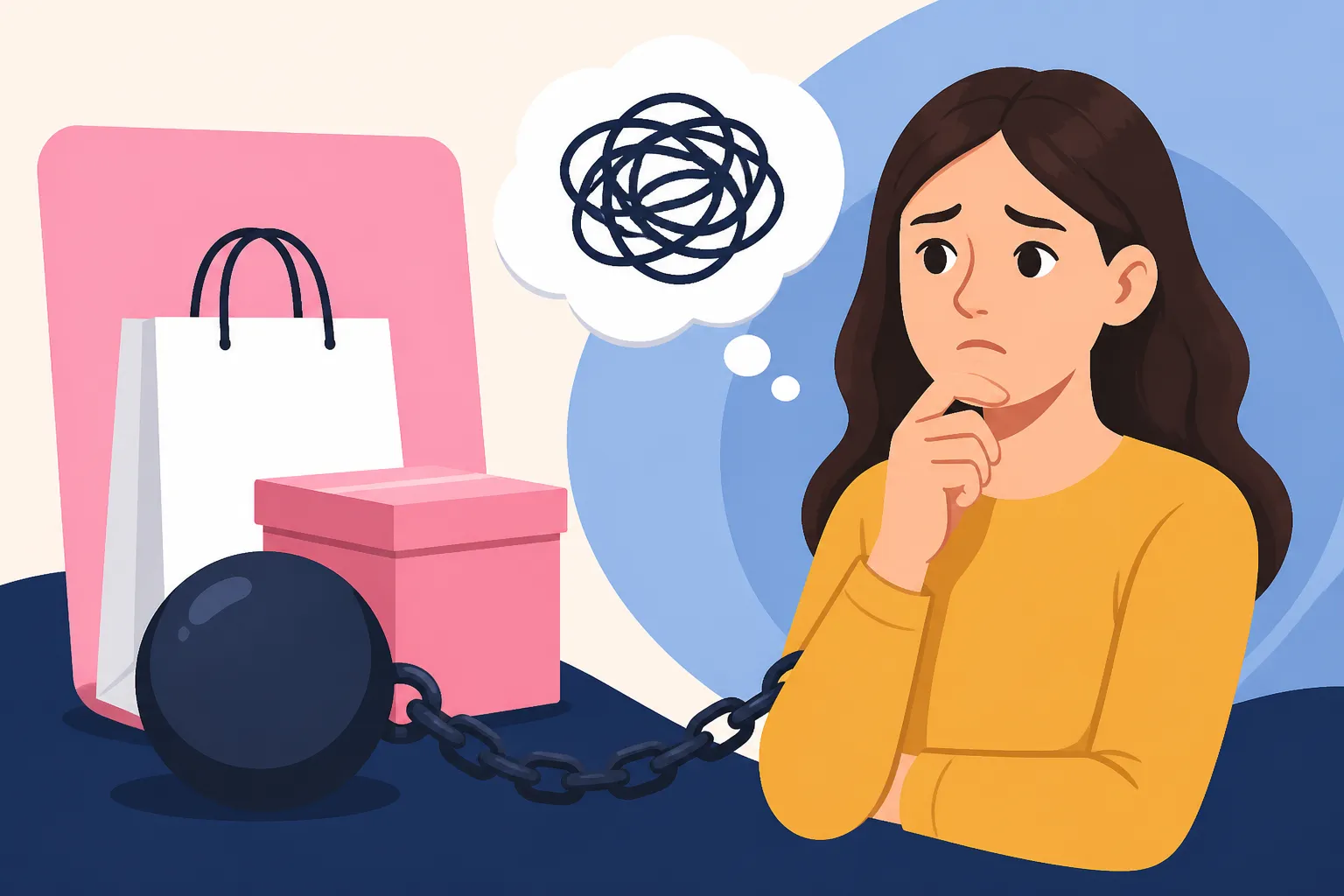
Navigating Sweden's digital-first financial landscape can feel like a superpower as an expat, especially with services like Klarna making purchases incredibly smooth. But that very ease can sometimes lead to a sneaky build-up of debt, leaving newcomers worried about the consequences in a new country. This guide aims to pull back the curtain on Klarna debt in Sweden, explaining how it works, what to do if you find yourself in a tight spot, and how to stay on top of your finances without the stress.
Understanding Klarna's "Buy Now, Pay Later" in Sweden
When you first arrive in Sweden, you'll quickly notice that cash is practically a relic. Digital payments reign supreme, and Klarna is right at the heart of it all. It’s an incredibly popular payment service that offers various options, most famously "Buy Now, Pay Later" (BNPL), allowing you to receive goods or services immediately and pay for them later, usually within 14 or 30 days, or through installments. For many expats, it feels incredibly convenient and is often presented as a default payment option in online stores.
The Appeal of Klarna for Newcomers
Imagine you've just moved into your Swedish apartment, and you need to buy a few things for the kitchen or some new linens. Your bank account might still be settling in, or perhaps you're just waiting for your first salary. Klarna swoops in as a seemingly perfect solution. It allows you to order what you need now without an immediate outflow of cash. You might not even have a Swedish bank account fully set up yet, or perhaps you’re still waiting for your BankID, so the ability to pay by invoice later can be a huge draw. For many, it feels less like "debt" and more like a flexible payment plan. This perception, while not entirely inaccurate for responsible users, can be where the trouble begins. It’s so easy to click that "Pay with Klarna" button, especially when online shopping in Sweden is so ingrained in daily life.
How Klarna's Payment Options Work
Klarna offers several main ways to pay, and it's crucial to understand the differences:
- Pay in 14 or 30 days (Faktura): This is the classic "Buy Now, Pay Later." You get an invoice (faktura), often sent to your email or Klarna app, and you have a set period (usually 14 or 30 days) to pay it without any interest or fees, if paid on time. If you miss the deadline, that's when extra charges start accruing.
- Pay in 3 installments (Delbetalning): For larger purchases, Klarna might offer to split the cost into three interest-free payments. While interest-free, there can sometimes be a small monthly administration fee. Again, the key is making sure you can meet these payments consistently.
- Financing (Kontokredit): This is where Klarna acts more like a traditional credit line. You can apply for a credit limit, and then use it for various purchases, paying a minimum amount each month. This option does involve interest charges, often quite high, and can quickly become expensive if not managed carefully. This is perhaps the most "debt-like" of Klarna's offerings, carrying the highest risk.
The trap for many is using the short-term faktura option multiple times across different retailers, leading to several invoices due around the same time. If you don't have a robust system for tracking these, or if your income is tight, it’s easy to slip. Understanding how Klarna's 'Buy Now, Pay Later' Works in Sweden is your first step to being financially savvy here.
The Escalation of Unpaid Klarna Debt in Sweden
So, you’ve made a purchase, chosen Klarna, and then life happened. Maybe you forgot about the invoice, or perhaps an unexpected bill came in, and suddenly, that Klarna payment deadline has passed. This is where the Swedish system for debt collection kicks in, and it's a process you definitely want to avoid. It escalates fairly quickly, and the consequences can be long-lasting.
The First Steps: Reminder and Collection Fees
If you miss the initial payment deadline on a Klarna invoice, Klarna will send you a reminder (påminnelse). This reminder often includes an additional reminder fee, usually a small fixed amount. This is your absolute last chance to pay without the situation becoming more serious.
If you still don't pay after the reminder, Klarna will typically pass the debt to a debt collection agency (inkassobolag). This is often a company like Lowell, Sergel, or even Klarna's own collection arm. The inkasso agency will add its own collection fee (inkassoavgift) to your debt, which can be considerably higher than the initial reminder fee. They will send you letters and emails, demanding payment. At this stage, the original amount, plus the reminder fee and the collection fee, becomes the total amount due. It's crucial to understand that even at this point, the debt has not yet gone to the government's enforcement agency. You still have a chance to settle it directly with the inkasso company.
From Inkasso to Kronofogden: The Point of No Return
This is the stage you want to avoid at all costs. If you fail to pay the debt collection agency, they will eventually transfer the claim to the Swedish Enforcement Authority, known as Kronofogden. This is a government agency with the power to enforce debts. When a debt lands at Kronofogden, two significant things happen:
- Enforcement Costs: Kronofogden adds its own fees to your debt, making the total amount even larger. These are administrative fees for processing and enforcing the debt.
- Payment Default (Betalningsanmärkning): This is the most serious consequence. If Kronofogden determines that you have not paid the debt, they will register a payment default (betalningsanmärkning) against your name. This is a black mark on your credit history, similar to a bad credit score in other countries, but with much more direct and immediate repercussions.
Having a betalningsanmärkning can severely impact your life in Sweden for up to three years (for individuals). It can make it almost impossible to:
- Sign a mobile phone contract.
- Rent an apartment (landlords often check).
- Get a loan or mortgage.
- Open certain bank accounts or get credit cards.
- Even get certain types of employment (some employers check credit history).
Suddenly, that small Klarna purchase has snowballed into a major obstacle for your future in Sweden. Learning about Dealing with Kronofogden: Debt Enforcement in Sweden is essential for anyone facing this situation.
The Impact on Your Credit Score and Future Finances
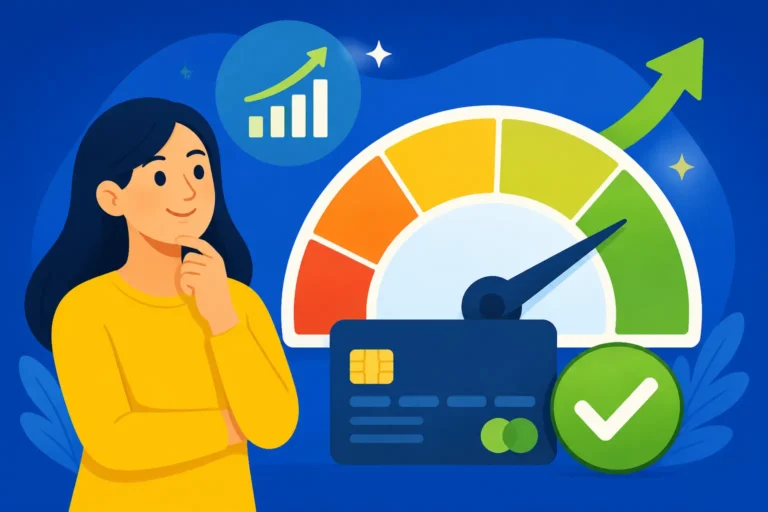
Your financial reputation in Sweden is largely tied to your ability to pay bills on time and your credit history. Unlike some countries where you might have multiple credit scores, in Sweden, companies often refer to a single credit report from agencies like UC (Upplysningscentralen), which aggregates information from various sources. A payment default from Kronofogden is a giant red flag on this report.
Your UC Credit Score and Betalningsanmärkning
When you apply for anything that involves credit or a contract – be it a mobile phone, a rental apartment, or a loan – the service provider will typically run a credit check through agencies like UC. If you have a betalningsanmärkning, it will be prominently displayed on this report. Even if the original debt was small, the impact is significant.
A poor credit rating or a payment default signals to potential lenders, landlords, and service providers that you are a higher risk. They might refuse your application outright, or offer less favourable terms (e.g., requiring a higher deposit for a phone contract). This can lead to a frustrating cycle where you're trying to build your life in Sweden, but previous financial missteps are holding you back at every turn.
It's not just about loans. Even something as simple as choosing an electricity provider or getting certain types of insurance can be affected. Understanding Your UC Credit Score: How It's Calculated and Why It Matters is crucial for managing your financial standing.
Long-Term Consequences and Recovery
The three-year duration of a betalningsanmärkning can feel like an eternity, especially if you’re trying to rent a permanent home or secure a mortgage. The good news is that once the three years are up, it’s typically removed from your credit record. However, the experience of having one can be a tough lesson.
Recovering your financial standing in Sweden involves diligent payment habits and patience. It means ensuring all your bills are paid on time, avoiding new debts, and slowly rebuilding trust with financial institutions. It’s a bit like rehabilitating your financial identity. Looking into How Do I Improve My Credit Rating in Sweden? can provide valuable steps for rebuilding your financial reputation.
While dealing with debt, you might also be looking at how your income tax is handled. Platforms like Taxes for Expats can offer advice on understanding your overall financial picture, ensuring you're not missing other important financial obligations.
Practical Steps to Manage Klarna and Avoid Debt
The best strategy, of course, is prevention. While Klarna offers incredible convenience, it demands a proactive approach to personal finance, especially for expats still figuring out the nuances of the Swedish system.
Tracking and Budgeting Your Klarna Purchases
The Klarna app is your best friend here. It provides a clear overview of all your purchases, payment due dates, and paid invoices. Make it a habit to check it regularly – perhaps once a week – to ensure you haven't overlooked anything. Treat every Klarna invoice like a regular bill that needs to be paid on time.
Beyond Klarna, a comprehensive personal budget is invaluable. As someone who’s lived here for years, I can tell you that Sweden is not cheap. It’s easy to underestimate the cost of living in Sweden when you first arrive. Factor in everything: rent, utilities, groceries, transport, and a buffer for unexpected expenses. When you use Klarna, immediately log that purchase in your budget and set a reminder for the due date. Don't assume you'll remember! Many Swedish banks also offer budgeting tools within their online banking platforms, which can be very helpful.
Setting Up Automatic Payments and Reminders
Where possible, set up automatic payments for your Klarna invoices. While this isn't always an option for the "Pay in 14/30 days" invoices (as they are individual invoices), you can definitely do it for installment plans or financing options. If auto-payment isn't possible, use your bank's reminder features or a calendar app to send yourself alerts a few days before each Klarna payment is due.
Many people find it useful to consolidate payments. If you have multiple Klarna invoices coming due, consider paying them all on a specific "bill payment day" each month, even if they have slightly different deadlines. This creates a routine that reduces the chance of forgetting.
What to Do If You Can't Pay on Time
Life happens, and sometimes, despite your best efforts, you might find yourself unable to pay a Klarna invoice on time. Don't panic, but act immediately.
- Contact Klarna: The moment you realize you might miss a payment, contact Klarna directly. Seriously, don't bury your head in the sand. They might be able to offer a short extension or a different payment plan, especially if it's your first time. There's often a "Snooze" option in the Klarna app for a small fee, which pushes the due date back a bit.
- Prioritize: If you have multiple debts, prioritize them. Debts that lead to a betalningsanmärkning (like those that go to Kronofogden) should be at the top of your list.
- Avoid New Debt: This might sound obvious, but when you're struggling, it's tempting to use another credit service to pay off an existing one. This is a dangerous spiral. Halt all non-essential spending.
- Seek Advice: If you're feeling overwhelmed, you can contact your local municipality (kommun) for free and confidential debt counseling (budget- och skuldrådgivning). They can help you understand your options and negotiate with creditors.
Considerations for Expats
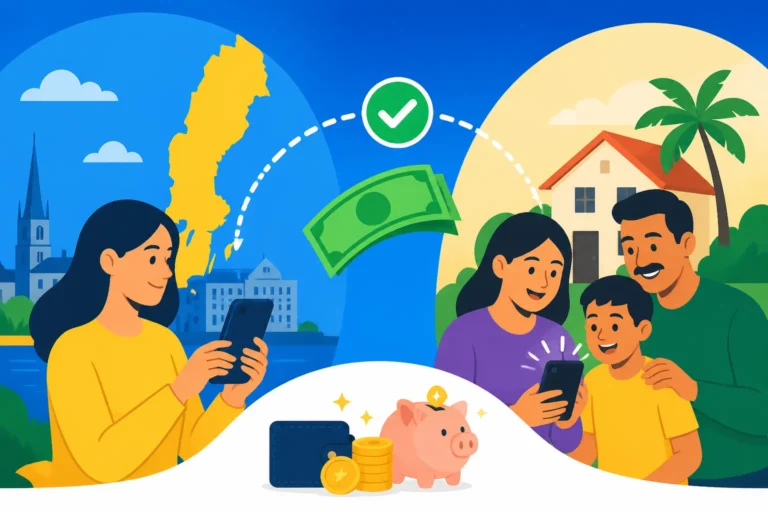
As an expat, you might not have the same safety nets or understanding of the local system as someone who grew up here. If you are regularly sending money back home or receiving funds from abroad, services like Wise can help you manage currency exchange rates effectively, ensuring you get the most out of your money and potentially have more available for bill payments. However, the core principle remains: prioritize your payments in Sweden to protect your financial standing here.
Building your financial life in Sweden requires patience and understanding. By being proactive with Klarna, budgeting diligently, and knowing what steps to take if you encounter a problem, you can leverage the convenience of modern payment systems without falling into the debt trap. Always remember that your goal is to integrate smoothly into the Swedish financial system, and avoiding payment defaults is a significant part of that journey.
| Debt Stage | What Happens | Potential Consequences | Action to Take |
|---|---|---|---|
| Initial Invoice | Klarna sends invoice for purchase. | None, if paid on time. | Pay by due date. Track in Klarna app/budget. |
| Reminder (Påminnelse) | Invoice overdue. Reminder fee added. | Increased cost. Still no official "default." | Pay immediately. Contact Klarna if you need an extension. |
| Debt Collection (Inkasso) | Debt sent to collection agency. Collection fee added. | Significantly increased cost. Stressful communication. | Pay directly to inkasso agency. Try to negotiate a payment plan. |
| Kronofogden | Debt sent to Swedish Enforcement Authority. Enforcement fees added. | Payment default (Betalningsanmärkning) recorded. Lasting negative impact on credit score. | Act immediately before it goes to Kronofogden. If already there, contact them to understand your options. |
| Betalningsanmärkning | Official record of payment default. | Inability to rent, get loans, phone contracts, etc. for up to 3 years. | Focus on paying off the debt. Practice diligent budgeting. Seek debt counseling. |
Disclaimer
Please note that I am a lifestyle blogger and not a financial advisor. The information provided in this guide is for general informational purposes only and does not constitute financial or legal advice. Swedish laws and regulations regarding finance and debt can be complex and may change. Always consult with a qualified financial advisor, debt counselor, or legal professional for advice tailored to your specific situation. While I strive to provide accurate and up-to-date information, I cannot guarantee its completeness or applicability to every individual case.