How Do I Prove My Identity for Swedish Citizenship?
Ah, the Swedish citizenship journey! It’s a wonderful goal for many of us who’ve chosen to make this beautiful, sometimes baffling, country our home. But let’s be honest, the administrative hurdles, especially when it comes to proving something as fundamental as your own identity, can feel like trying to solve a Rubik's cube blindfolded. This guide is here to demystify one of the most critical aspects of that application process: how to definitively prove your identity to Migrationsverket.
Why Your Identity Proof is the Cornerstone of Your Citizenship Application
When you’ve lived here for years, established your life, paid your taxes, and maybe even started a family, it can feel a bit insulting to be asked to prove who you are. But for Migrationsverket, the agency handling your citizenship application, establishing your identity beyond a shadow of a doubt isn't just a formality – it's a foundational pillar of their entire process. They need to ensure, with absolute certainty, that the person applying for Swedish citizenship is indeed the person they claim to be, and that there's no confusion, no fraud, and no mistaken identity. This meticulousness is part of Sweden’s commitment to legal certainty and security, which, while frustrating for individuals, serves a broader purpose.
Think about it from their perspective: they are granting you full membership into Swedish society, with all the rights and responsibilities that entails. This isn't just about updating your status; it's about forming a new legal bond. Therefore, the bar for identity proof for citizenship is significantly higher than, say, when you first arrived and applied for a Personnummer. Back then, they might have been more lenient with certain documents or accepted a broader range of proofs. Now, for citizenship, they’re looking for the most robust, secure, and internationally recognized forms of identification available. Any inconsistencies or missing links in your identity chain can raise serious questions, leading to delays or, unfortunately, even a refusal. It’s a painstaking process, but understanding why it's so important can help you approach it with the necessary diligence.
Acceptable Documents: The Gold Standard and the Grey Areas
When Migrationsverket talks about identity proof for Swedish citizenship, they're not just looking for any document with your name and photo. They have a very specific hierarchy of preferred documents, and straying from this "gold standard" can make your application significantly more complex.
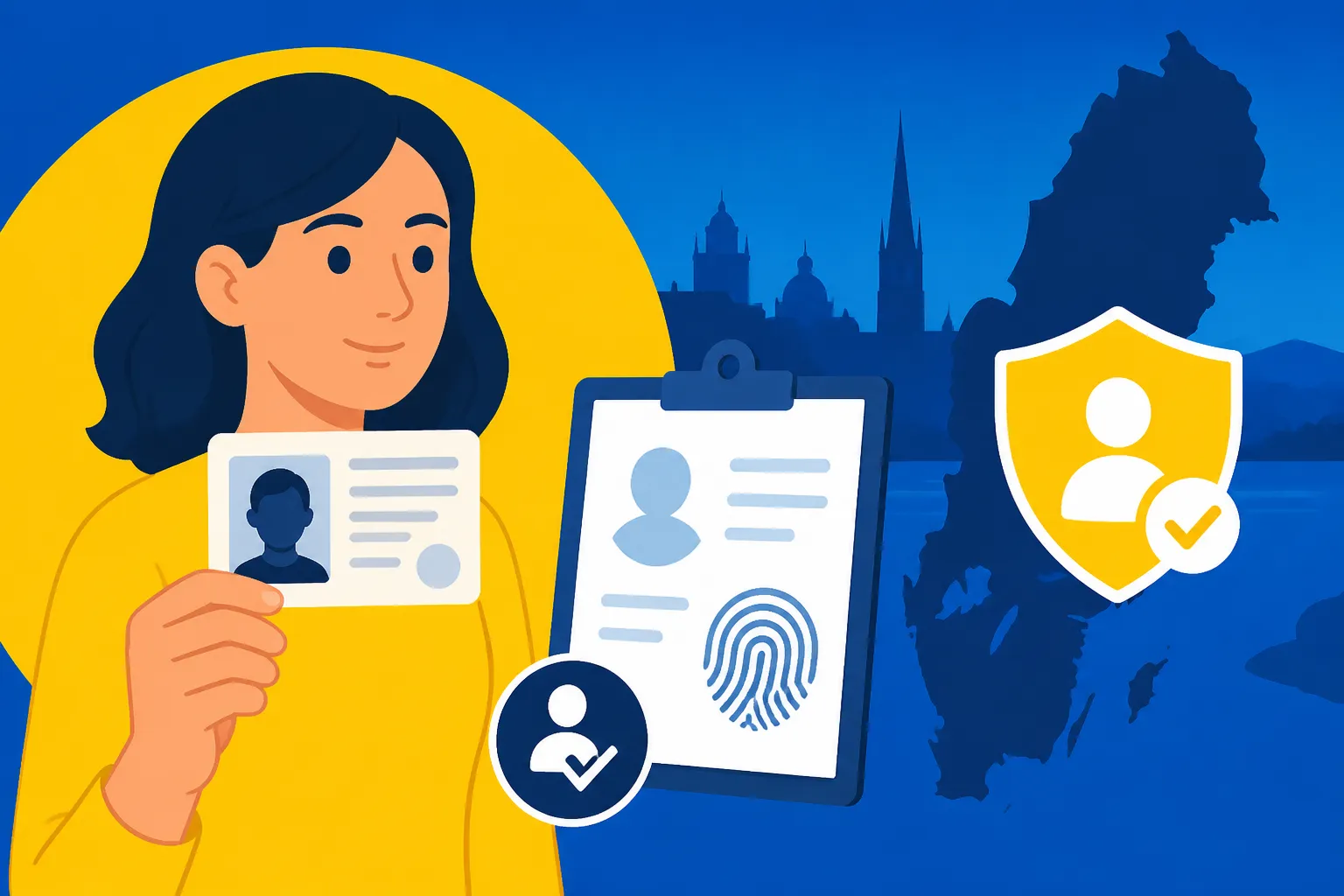
The undisputed champion of identity documents is a valid, original passport. This means a passport that is currently valid for travel, issued by your country of citizenship, and which contains all the modern security features. Migrationsverket places immense trust in passports because they are internationally recognized travel documents designed with high levels of security to prevent forgery. They expect to see the original document, not just a copy, so they can verify its authenticity, check the security features, and match it against their records. If you have a passport that’s nearing its expiry date, or worse, has already expired, you absolutely need to renew it before you even think about applying for citizenship. An expired passport, while it proves you once had that identity, doesn't meet the "valid" requirement for current identity proof.
For citizens of EU/EEA countries, a valid national ID card can often serve as the primary proof of identity, as these cards are also designed with similar security features and are recognized across the union. However, for those from outside the EU/EEA, a national ID card is usually considered a supplementary document, not a primary one, unless your country's national ID is specifically recognized by Swedish authorities as a robust travel document equivalent to a passport.
Now, what about other documents you might have?
- Birth certificates: These are excellent supporting documents to prove your place and date of birth and parentage. However, they are generally not considered sufficient as primary proof of current identity, as they lack a photo and modern security features against identity theft. They are vital for establishing your original identity, especially if there are discrepancies in other documents, but they won't stand alone.
- Marriage certificates or divorce decrees: These are useful for explaining name changes. If your current passport reflects a different name than previous documents, a marriage or divorce certificate, often accompanied by official documentation of the name change, will be crucial to show the unbroken chain of your identity.
- Driver's licenses: While a driver's license confirms your right to drive and has your photo, it's almost never accepted as primary proof of identity for citizenship purposes. Its primary function is driving, not international identity verification, and they often lack the sophisticated security features of a passport.
- Swedish ID card (nationellt ID-kort): This is a tricky one. Many expats think, "I have a Swedish ID card, surely that's enough?" The truth is, your Swedish ID card (issued by Skatteverket or a bank) is primarily based on the identity documents you presented when you first registered your Personnummer. It’s excellent for everyday life in Sweden, but for a citizenship application, Migrationsverket will always want to see the original foreign document (your passport) that formed the basis of your initial registration here. They are essentially going back to the source, not relying on a derivative.
A critical point for any foreign document that isn't in Swedish, Danish, Norwegian, or English is the need for certified translation. Migrationsverket is very strict about this. You can't just get a friend to translate it. The translation must be done by an authorized translator. Sweden has its own system for authorized translators (auktoriserad translator), but translations certified in your home country might also be accepted if the certification meets international standards. Companies like RushTranslate and Translayte specialize in certified translations and are often a good option if you need documents translated into English or Swedish, saving you the headache of finding an individual authorized translator. Always check with Migrationsverket directly if you're unsure about the requirements for translations from your specific country. It’s better to get it right the first time than face delays because of an incorrectly translated document.
When Your Documents Aren't Enough: Navigating the Credibility Assessment
What happens if you don't have that perfect, valid passport, or if your identity documents are somehow problematic? This is where the process becomes significantly more challenging, and Migrationsverket shifts towards a comprehensive credibility assessment of your identity. They don't just say "no" outright; they try to establish your identity through other means, but the burden of proof becomes much heavier on you.
One of the most common issues arises when applicants come from countries where obtaining reliable, modern identity documents is difficult due to political instability, civil conflict, or simply less robust administrative systems. In such cases, your story, your consistency, and any other available evidence become paramount.
Migrationsverket might request an interview. This isn't just a chat; it's a rigorous process where they will ask detailed questions about your life history, family background, and how you obtained any documents you do possess. They're looking for consistency in your narrative. Even small discrepancies can cast doubt on your entire story. For example, if you state your grandmother's name differently in an interview than it appears on a secondary document, it could raise a red flag. Be prepared to provide intricate details and have a coherent, truthful account of your life from birth to present day.
In very specific and rare circumstances, Migrationsverket might consider witness testimonies. This would involve individuals who can attest to your identity, especially if they knew you from your home country and can confirm details of your early life. However, this is typically a supplementary form of evidence and won't replace a lack of primary documentation. The witnesses would need to provide their own robust identity proof and be deemed credible by Migrationsverket. It's a last resort and usually insufficient on its own.
Your biometrics (fingerprints and photo) taken during previous residence permit applications are, of course, on file. While these confirm that you are the same person who applied for previous permits, they don't, in themselves, prove who that person is in the context of your original identity. They link your present self to your past self within the Swedish immigration system, but not necessarily to your initial identity from your country of origin.
Ultimately, Migrationsverket performs an overall assessment of credibility. This means they look at all the pieces of the puzzle: your documents, your interview, your period of residence in Sweden, your conduct, and any other information they have about you. If the cumulative picture doesn't present a clear, consistent, and believable identity, they may decide that your identity has not been sufficiently proven. This can be incredibly disheartening, particularly if you genuinely don't have access to the "perfect" documents.
The absolute worst-case scenario here is a refusal of your citizenship application. This is why this particular step is so critical. Migrationsverket takes this seriously, and if they cannot establish your identity, they cannot grant you citizenship. You might then be faced with the difficult decision of trying to acquire better documents from your home country (which can be a bureaucratic nightmare in itself) or appealing the decision. If you find yourself in this complex situation, it might be wise to consider Can I Get Legal Help to Appeal an Immigration Decision in Sweden? because navigating these waters alone can be incredibly difficult.
Practical Steps and Avoiding Common Pitfalls
Navigating the identity proof requirements can feel like walking through a minefield, but with careful preparation and a clear strategy, you can significantly improve your chances of a smooth application.
First and foremost: Preparation is absolutely key. Don't wait until the last minute. Start gathering all potential identity documents well in advance of your citizenship application. This means digging out not just your current valid passport, but also any previous passports, national ID cards, birth certificates, marriage certificates, and any official documents that show a name change or other significant life events. Even if you think some documents are weak or secondary, it's better to have them ready to present a comprehensive picture. Always bring the original documents to any appointment or submission, as certified copies might not be sufficient for initial verification.
Translations are a non-negotiable step for any document not in Swedish, Danish, Norwegian, or English. As mentioned earlier, Migrationsverket requires certified translations. This means the translator must be authorized or certified, and the translation must include their stamp and signature, confirming its accuracy and authenticity. Don't underestimate this; a poorly translated or uncertified document will lead to delays. Services like RushTranslate and Translayte can be lifesavers here, providing professional and certified translations that meet the strict requirements. Make sure to specify that the translation needs to be certified for official use with Swedish authorities.
If you anticipate problems with your documents – perhaps your country's passports are known to be difficult to verify, or you've lost previous documents – it might be proactive to contact your home country's embassy or consulate in Sweden well before applying for citizenship. They might be able to issue new documents, provide letters of verification, or offer guidance on how to secure official replacements. This can take a significant amount of time, so starting early is crucial.
Honesty and consistency are paramount. Any discrepancies in dates, names, or life events across your documents or in any statements you provide can raise major red flags for Migrationsverket. They are looking for a clear, unbroken narrative of your identity. If there are genuine inconsistencies (e.g., a common name spelling variation that was later corrected), be prepared to explain them clearly and, if possible, provide official documentation to support your explanation. Don't try to hide anything, as it will likely be discovered and viewed negatively.
Your journey through the Swedish administrative system, starting with Getting Your Personnummer: The Gateway to Swedish Healthcare, is also part of your identity validation. The documents you presented to Skatteverket for your Personnummer registration were the first step in establishing your identity in Sweden. While a Swedish ID Card or your Personnummer itself isn't sufficient primary proof for citizenship, your entire history of Personnummer, Folkbokföring, and Your Legal Status in Sweden demonstrates your established presence here and can serve as a supportive framework for your identity claim.
In complex cases, especially if you're dealing with ambiguous or missing documents, or if you've already faced a refusal, seeking legal counsel specializing in Swedish immigration law can be invaluable. An experienced lawyer can help you assess your situation, gather appropriate evidence, prepare for interviews, and present your case in the strongest possible way.
Here's a quick overview of document types and their general acceptance:
| Document Type | Primary Role in Citizenship Application | Common Issues & Tips |
|---|---|---|
| Valid Original Passport | Primary Identity Proof | Must be current, physically intact, and original. Renew before applying if close to expiry. This is your strongest card. |
| Valid Original National ID Card (EU/EEA) | Primary (EU/EEA) / Supporting (Non-EU) | For EU/EEA, often sufficient. For others, typically requires additional passport. Ensure it's current and original. |
| Original Birth Certificate | Supporting Document | Establishes initial identity, parentage, date/place of birth. Always requires certified translation if not in accepted languages. Not usually sufficient on its own for current ID. |
| Original Marriage/Divorce Certificate | Supporting Document (for name changes) | Essential if your name has changed. Requires certified translation. Helps explain discrepancies across documents. |
| Original Driver's License (Foreign) | Rarely Accepted as Primary | Generally lacks the security features and international recognition for primary citizenship identity proof. May be used as supplementary evidence of your presence and identity traits. |
| Swedish ID Card (issued by Skatteverket/Bank) | Supporting (Local Identity) | Proves your identity in Sweden but is based on your original foreign documents. Migrationsverket will still want the original passport/national ID you used to get this. |
| Previous Passports | Supporting (Historical Identity) | Important for showing an unbroken chain of identity, especially if your current passport is new or if there have been name changes. |
Remember, Becoming a Swedish Citizen: Requirements and the Application Process is a significant step, and proving your identity is arguably the most fundamental requirement. While it can be frustrating, especially if your home country's documents aren't up to Migrationsverket's gold standard, meticulous preparation, honest communication, and understanding the process can go a long way. Don't be afraid to utilize services like How Do I Apply for Swedish Citizenship Online? or consult relevant resources on Dealing with Migrationsverket: Applications, Waiting, and Decisions to help you prepare effectively. Knowing the rules of the game is half the battle won.
Disclaimer
The information provided in this guide is intended for general informational purposes only and does not constitute legal advice. While we strive to provide accurate and up-to-date information, immigration laws and regulations in Sweden can be complex and may change. It is always recommended to consult with Migrationsverket directly or seek advice from a qualified immigration lawyer for your specific situation.