Can I Get Legal Help to Appeal an Immigration Decision in Sweden?
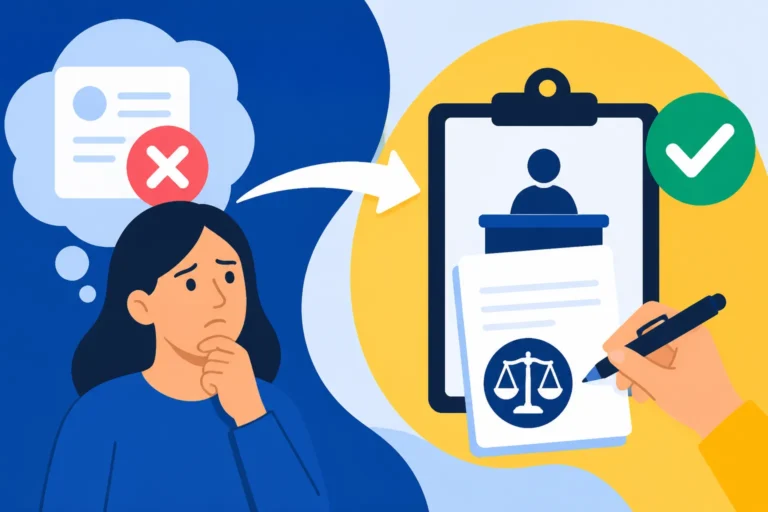
Oh, the crushing feeling when that Migrationsverket decision letter lands in your mailbox, and it's not the news you hoped for. It can feel like your world has stopped, like all your plans for a life in Sweden are crumbling. I’ve seen that look in so many expats' eyes, that mix of despair and utter confusion about what to do next. But a refusal isn't always the end of the road. This guide is here to walk you through the often-stressful process of appealing an immigration decision in Sweden and, more importantly, how to get the crucial legal help you’ll need to navigate it successfully.
The Initial Shock and Why an Appeal Matters
Receiving a negative decision from Migrationsverket is, without a doubt, one of the most disheartening experiences you can have as an expat in Sweden. You've poured your hopes, time, and often a considerable amount of money into your application, only to be met with a "nej." It’s a gut punch, and it’s completely normal to feel angry, frustrated, and deeply worried about your future here. This isn't just bureaucratic red tape; it's your life.
Understanding Migrationsverket's Decisions
When Migrationsverket makes a decision, whether it's for a residence permit, work permit, or even citizenship, they are bound by Swedish law and regulations. Their decision letter will typically state the reasons for the refusal, often citing specific paragraphs of the Aliens Act (Utlänningslagen) or other relevant legislation. It's crucial to understand that these letters are dense with legal jargon and can be incredibly difficult to decipher if you're not fluent in Swedish legal speak. They might mention things like insufficient maintenance, a lack of documentation, or not meeting specific criteria for the permit type you applied for.
The letter should also inform you of your right to appeal, and crucially, the deadline to do so. This deadline is absolute – usually three weeks from the date you received the decision. Missing it means you forfeit your right to appeal, which can have devastating consequences for your ability to stay in Sweden. This timeframe is often the first moment panic sets in, as you realize how quickly you need to understand complex legal text and respond. It's a race against the clock, and you often feel like you're running it blindfolded.
Why Legal Expertise Is Crucial for Appeals
Navigating the Swedish legal system, especially when it comes to immigration law, is an incredibly complex undertaking. It's not like going to a simple administrative office; you're entering a formal legal process with specific rules, precedents, and procedures. For many, this is their first encounter with any legal system, let alone one in a foreign language. The Migrationsverket decision might seem arbitrary or unfair, but simply stating that isn't enough in an appeal. You need to demonstrate, with legal arguments and evidence, why their decision was incorrect or why new circumstances warrant a different outcome.
This is where a legal professional becomes not just helpful, but often essential. They can cut through the legal jargon in the refusal letter, identifying the precise points on which Migrationsverket based its decision. More importantly, they know how to formulate a compelling legal argument, how to cite relevant laws and previous court cases, and how to present new or existing evidence in a way that the Migration Court will understand and consider. Trying to do this yourself, particularly under the stress of potentially having to leave the country, is a recipe for error and often leads to a quick dismissal of your appeal.
Finding Legal Representation in Sweden
So, you've decided you need help – and believe me, that's a very smart decision. The next step is figuring out who to turn to. Sweden has a system that allows for public legal assistance in some cases, but also a robust private legal sector. Knowing the difference and where to look is key.
Types of Legal Professionals
In Sweden, when you appeal an immigration decision, you might be eligible for an offentligt biträde, which translates to "public counsel." This is a legal representative appointed by the Migration Court, and their costs are largely covered by the state. The idea is that everyone should have access to legal representation, regardless of their financial situation, especially in cases where their right to stay in the country is at stake. However, eligibility isn't automatic. The court decides whether you need public counsel, generally based on the complexity of your case and whether your interests are best served by legal assistance. They might decide your case is straightforward enough that you don't need one, which can feel incredibly frustrating if you, personally, feel utterly lost.
If you don't qualify for offentligt biträde, or if you prefer to choose your own lawyer, you'll need to engage a private legal representative. These are lawyers who specialize in migration law and operate independently. They charge fees for their services, which can vary. The main advantage of a private lawyer is that you get to choose who represents you, and they might be able to dedicate more time and resources to your case from the outset, especially if you engage them before an appeal is filed, rather than waiting for the court to appoint public counsel. It’s about being proactive and having someone in your corner from day one.
How to Find a Qualified Immigration Lawyer
Finding the right legal professional can feel like another daunting task in a long line of them. You want someone who is not only skilled in migration law but also empathetic to your situation and perhaps experienced with clients from your specific background or country. Here are a few avenues:
- Svenska Advokatsamfundet (Swedish Bar Association): This is the official body for lawyers in Sweden. Their website often has a directory where you can search for lawyers by specialization (e.g., migrationsrätt – migration law) and geographical area. This is a solid starting point for finding reputable professionals.
- Referrals from Expat Networks: Don't underestimate the power of word-of-mouth within the expat community. Many people have gone through this process and can recommend lawyers they had good experiences with. Online expat forums or local Facebook groups for foreigners in your city can be invaluable resources.
- Legal Aid Organizations: While not always full-service legal representation, some non-profits or university legal clinics might offer initial consultations or guidance for free or at a reduced cost. This can be a good way to get an initial assessment of your case.
- Direct Contact: Many law firms specializing in migration law will offer an initial consultation (sometimes free, sometimes for a small fee). Use this opportunity to gauge their expertise, ask about their experience with cases similar to yours, and discuss their fee structure.
When you contact potential lawyers, make sure they have a strong understanding of current Swedish immigration law, which, let's be honest, changes quite frequently. They should also be able to communicate effectively with you in a language you understand, usually English. If you’re dealing with documents in another language, they can often recommend professional translation services. Companies like RushTranslate or Translayte are often used by individuals and even law firms for certified translations of official documents, ensuring they meet the strict requirements of Swedish authorities.
The Appeals Process and Your Lawyer's Role
Once you have legal representation, the appeals process starts to feel a bit less like navigating a dense fog. Your lawyer will be your guide, translator, and advocate, helping you understand each step and what’s required.
Navigating the Migration Court (Migrationsdomstolen)
When you appeal Migrationsverket's decision, your case goes to one of the four Migration Courts (Migrationsdomstolen) in Sweden. These courts are part of the general administrative court system, but they specialize in migration cases. It's a formal legal setting, much like a regular court, though many hearings are conducted in writing.
Your lawyer's first step will be to draft the appeal document itself. This is not just a letter saying "I disagree." It's a detailed legal submission, explaining why Migrationsverket's decision should be overturned. This involves:
- Challenging Migrationsverket's Reasoning: Your lawyer will meticulously analyze the reasons for refusal and present counter-arguments, citing relevant laws, regulations, and legal precedents. For example, if your work permit was refused because the employer didn't advertise the job correctly, your lawyer would argue why the advertisement met the legal requirements or why the error shouldn't lead to refusal.
- Introducing New Evidence (if applicable): Sometimes, the initial application lacked crucial documents, or new circumstances have arisen since Migrationsverket made its decision. Your lawyer will know what new evidence is relevant and how to properly submit it to the court. This could include updated financial statements, new job offers, or further proof of relationship.
- Presenting Your Case: The appeal will explain your situation, often highlighting humanitarian grounds, strong ties to Sweden, or other factors that should weigh in your favour. It's about painting a complete picture of your circumstances that might have been overlooked or misunderstood in the initial assessment.
The Migration Court will review the appeal and Migrationsverket's original decision. They may ask for more information from either party, or they might schedule an oral hearing if they deem it necessary, especially in cases where credibility is an issue. Your lawyer will prepare you for any hearings and represent you there, ensuring your story is heard and understood within the legal framework.
What Your Lawyer Does for You
Beyond drafting the appeal, your legal counsel plays a multifaceted role throughout the entire process. It’s more than just paperwork; it’s about strategic advice, emotional support, and skilled advocacy.
- In-depth Case Review: They'll thoroughly examine your original application, Migrationsverket's refusal decision, and all supporting documents. This initial deep dive is crucial to identifying strengths and weaknesses in your case and formulating the best strategy.
- Legal Strategy Development: Based on their expertise, they’ll advise you on the likelihood of success and the most effective legal arguments to pursue. They might recommend gathering additional evidence or clarifying certain aspects of your situation.
- Communication with Authorities: Your lawyer will handle all correspondence with Migrationsverket and the Migration Court. This is a huge relief, as it ensures all communications are formal, accurate, and submitted within strict deadlines. They'll translate complex legal letters for you and explain what each new development means.
- Evidence Gathering and Submission: They’ll guide you on what additional documents might strengthen your appeal, such as updated employment contracts, more detailed relationship evidence, or medical certificates. They also ensure that any foreign documents are properly translated and certified. This might involve using a trusted translation service like Translayte to ensure your documents, like marriage certificates or academic transcripts, are accepted by the Swedish courts.
- Representation at Hearings: If the court calls for an oral hearing, your lawyer will prepare you for questioning and represent your interests, presenting your arguments clearly and concisely. They understand the nuances of court etiquette and how to respond effectively.
- Negotiation (if applicable): In some cases, a lawyer might be able to negotiate with Migrationsverket on certain points, potentially leading to a resolution without a full court hearing, though this is less common for initial refusals.
- Appealing to a Higher Court: If the Migration Court rules against you, your lawyer can advise you on whether there are grounds to appeal to the Migration Court of Appeal (Migrationsöverdomstolen), which is the highest instance for migration cases in Sweden. This requires leave to appeal, meaning the higher court must first agree to hear your case, usually only if it involves an important point of law or a need for precedent. This option is usually for particularly complex or significant cases.
Having a lawyer means you have someone professionally dedicated to fighting for your right to stay in Sweden. It takes a massive burden off your shoulders during an incredibly stressful period.
Costs and Considerations
While the focus should always be on securing your right to stay, the financial implications of legal assistance are, of course, a practical reality. It's important to understand how costs are structured and what to expect.
Public Counsel vs. Private Fees
As mentioned, if you are granted offentligt biträde, the state covers most of their fees. You might be required to pay a small portion if you have a certain income, but for many, it means access to legal help without significant out-of-pocket costs. The public counsel’s fees are set by the government based on standard hourly rates. However, keep in mind that the court decides if you need public counsel. It's not a given for every appeal.
If you don't qualify, or if you choose to hire a private lawyer, you will be responsible for their fees. These are typically charged on an hourly basis, and rates can vary significantly depending on the lawyer's experience, the law firm's location (Stockholm, Gothenburg, Malmö, etc.), and their reputation. It's crucial to discuss the fee structure upfront, get a clear estimate of potential costs, and ensure you understand what's included. Some lawyers might offer a fixed fee for certain stages of the appeal, while others will bill for every hour spent on your case. Don't be shy about asking for this information; it's your right to know, and a good lawyer will be transparent.
Here's a quick comparison:
| Feature | Offentligt Biträde (Public Counsel) | Private Lawyer |
|---|---|---|
| Appointed By | Migration Court | You choose |
| Cost | Primarily state-funded; potential small personal contribution | You pay full fees (hourly or fixed) |
| Eligibility | Decided by the court based on case complexity and your need for aid | Anyone can hire, regardless of case complexity |
| Choice of Lawyer | Limited; court assigns | Full control over who represents you |
| Scope of Work | Focused on the appeal itself | Can advise and assist from pre-application to post-decision and beyond |
| Initial Consultation | N/A (court appoints) | Often offered (may be free or charged) |
| Payment Structure | Standard government rates | Varies by firm and lawyer; negotiate terms |
Essential Documentation and Translation
Regardless of whether you have public counsel or a private lawyer, proper documentation is the backbone of any successful immigration appeal. Migrationsverket and the Migration Courts are sticklers for formal requirements, and this extends to how your documents are presented.
- Originals and Copies: Always keep your original documents safe and provide copies unless specifically asked for originals. Your lawyer will guide you on what is needed.
- Comprehensive Evidence: Gather every piece of evidence that supports your case. This could include bank statements, payslips, employment contracts, rental agreements, utility bills, photos, communication records, medical certificates, and police reports – anything that proves your claims.
- Certified Translations: If any of your documents are not in Swedish or English, they must be translated by a certified translator. Swedish authorities are very strict about this. A certified translation means the translator has been authorized by Kammarkollegiet (the Swedish Legal, Financial and Administrative Services Agency) and their stamp/signature verifies the accuracy of the translation. Submitting uncertified translations is a common mistake that can lead to delays or outright rejection of your evidence. For documents from other countries, you might need to use professional translation services that offer certified translations. Both RushTranslate and Translayte provide certified translation services for various languages that are often accepted by immigration authorities globally, including for use in Sweden. Always double-check with your lawyer or Migrationsverket regarding their specific requirements for foreign document translations.
Remember, the goal is to make it as easy as possible for the court to understand your case and your supporting evidence. A professional lawyer, with accurately translated documents, greatly enhances your chances of a fair and thorough review.
That initial refusal from Migrationsverket is a tough blow, but it doesn't have to be the final word. While the appeals process can feel like yet another Swedish bureaucratic mountain to climb, getting qualified legal help can make all the difference. Don't waste precious time feeling paralyzed by the decision. Take that deep breath, understand your rights, and reach out for the support you need to fight for your future in Sweden. The clock is ticking, so acting swiftly and decisively with the right guidance is your best shot.
Disclaimer
The information provided in this guide is for general informational purposes only and does not constitute legal advice. Immigration laws and procedures in Sweden are complex and subject to change. It is essential to consult with a qualified legal professional for advice tailored to your specific situation. Reliance on any information on this site is solely at your own risk.