Why You Need a Personnummer for Almost Every Financial Service in Sweden
Oh, the Swedish Personnummer! If you're new to Sweden, you've probably heard this term thrown around more times than "fika" or "lagom." And if you've tried to get anything done, from opening a bank account to signing up for a gym membership, you've likely hit a wall because you don't have one. It's a source of immense frustration for many newcomers, making you feel like a ghost in the system. This guide is here to shed light on exactly why this seemingly simple ten-digit number is absolutely indispensable for almost every financial service in Sweden and how to navigate the system, even when it feels like it's designed to keep you out.
The Personnummer: Your Swedish ID in Disguise
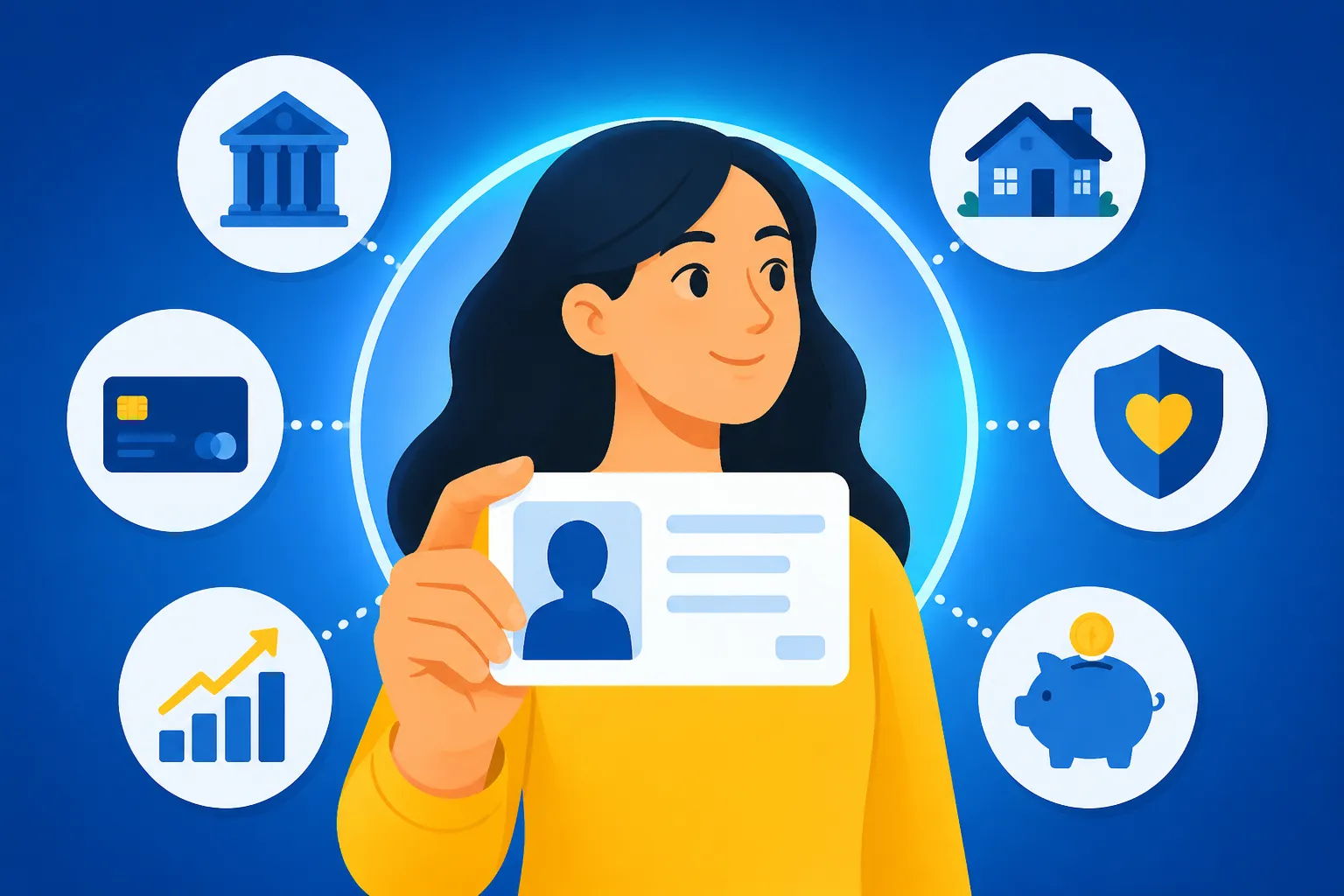
Let's be blunt: the Personnummer isn't just an identification number; it's practically your Swedish identity. Without it, you're an anomaly in a highly organised, digitised society that relies almost entirely on this unique identifier for everything. It’s the invisible thread that connects you to the entire public and private infrastructure, from your healthcare records to your utility bills. Trying to function without one is like trying to drive a car without an engine – you might push it a little way, but you won't get far.
More Than Just a Number: The Role of Folkbokföring
The Personnummer is intrinsically linked to being "folkbokförd," or registered in the Swedish population register with Skatteverket, the Swedish Tax Agency. This registration isn't just about telling the government you exist; it's how Sweden identifies its residents and allocates resources and services. When you are folkbokförd, it means you are officially recognised as living in Sweden, intending to stay for at least a year. This official status is the bedrock upon which your entire financial life in Sweden is built. It determines your tax residency, your eligibility for social benefits, and crucially, your ability to access standard financial products. Without this registration, banks and other financial institutions simply can't verify your identity or your legitimate connection to the Swedish financial system in the way they are accustomed to. It's a deeply integrated system, designed for residents, and without that "resident" status, you're outside the loop.
Who Gets a Personnummer and How to Apply
So, who qualifies for this golden ticket? Generally, you need to be a foreign national planning to reside in Sweden for at least one year. This usually means you have a residence permit for work, study, or family reunification that extends for 12 months or more. EU/EEA citizens also need to demonstrate a right of residence, often through employment, self-employment, or sufficient means to support themselves. The application process itself involves visiting Skatteverket, bringing a raft of documents including your passport, residence permit, and proof of your marital status and family ties, if applicable. Be prepared for a wait; the processing times can vary significantly, sometimes taking several weeks or even months during peak periods. It's a bureaucratic rite of passage that tests the patience of even the most zen expat. For a deeper dive into this, you might find our guide on Getting Your Personnummer: The Gateway to Swedish Healthcare incredibly useful, as the process is the same for all public services.
Banking and Digital Payments: The Personnummer Gateway
Once you have your Personnummer, a whole new world of financial convenience opens up. But until then, prepare for some significant hurdles. Sweden is famously, or perhaps infamously, a largely cashless society, and almost all transactions and financial interactions rely on digital verification that, you guessed it, requires a Personnummer.
Opening a Bank Account: The Initial Hurdle
For most newcomers, the first significant financial challenge is simply How to Open Your First Swedish Bank Account Without a Personnummer – a task that can feel Herculean. Major Swedish banks like Swedbank, SEB, Handelsbanken, and Nordea are generally reluctant to open full-service accounts without a Personnummer because they use it for identity verification, credit checks, and to comply with anti-money laundering regulations. Without it, they have no easy way to integrate you into the national financial system or even properly report your financial activities to the relevant authorities. You might, if you're lucky and persistent, find a bank willing to offer a basic account with limited functionality using a passport and residence permit, but don't expect a debit card with full online capabilities or access to BankID. This often means you're stuck relying on foreign bank accounts or international money transfer services, which can incur fees and make daily life cumbersome.
BankID: The Key to Cashless Sweden
Once you do get your Personnummer and a Swedish bank account, the very next thing you'll be encouraged to get is BankID. This is not just a banking tool; it's Sweden's indispensable electronic identification system. Think of it as your digital signature, driver's license, and passport all rolled into one, allowing you to securely identify yourself and sign documents online. You need BankID for almost everything: logging into online banking, signing contracts, accessing government services (like Skatteverket or Försäkringskassan), paying bills, and even picking up parcels. Without a Personnummer, you cannot get BankID, which means you're locked out of a vast array of digital services that Swedes use daily. This digital exclusion is one of the most significant practical limitations for newcomers. Imagine not being able to book doctor's appointments online through 1177.se with BankID or even check your tax information.
Swish: Everyday Transactions Made Possible
Closely related to BankID, and equally reliant on the Personnummer, is Swish. This mobile payment system is ubiquitous in Sweden, used by individuals, small businesses, and even large corporations for instant transfers. Whether you're splitting a fika bill with friends, buying something second-hand, or paying for a small service, people will ask "Do you have Swish?" It's deeply ingrained in daily life. Using Swish: How Sweden Pays Instantly is a testament to its widespread adoption. To get Swish, you need a Swedish bank account and BankID, both of which necessitate a Personnummer. Without it, you're often left scrambling for cash (which few places accept) or relying on card payments, which isn't always convenient for person-to-person transactions. This isn't just an inconvenience; it can be genuinely isolating, making you feel like an outsider in everyday social interactions.
Essential Financial Services: Beyond Basic Banking
The Personnummer's importance extends far beyond just basic banking and payments. It's the lynchpin for your entire financial integration into Swedish society, affecting everything from how you pay your taxes to how you save for retirement.
Taxes, Social Security, and Försäkringskassan
When you start working in Sweden, your Personnummer becomes immediately crucial for tax purposes. Your employer needs it to report your income to Skatteverket, deduct the correct preliminary tax (Understanding Your Swedish Payslip and Preliminärskatt), and ensure you're contributing to the social security system. Without a Personnummer, you'll likely be taxed under the SINK (Special Income Tax for Non-Residents) regime, which is a flat 25% income tax without any deductions, potentially resulting in you paying more tax than a resident. Furthermore, many social security benefits, like parental leave payments (Parental Leave in Sweden: Föräldrapenning and the 480 Days) or sick pay, are administered by Försäkringskassan, the Swedish Social Insurance Agency, and they almost exclusively operate using your Personnummer. Registering with Försäkringskassan: When and Why You Need To is another vital step that relies on this number. For those needing help with their tax situation, especially if they have international income or specific expat tax concerns, "Taxes for Expats" can be a valuable resource, offering specialised advice that navigates the complexities of cross-border taxation, although the Personnummer remains central to your Swedish tax identity.
Loans, Mortgages, and Credit Scores
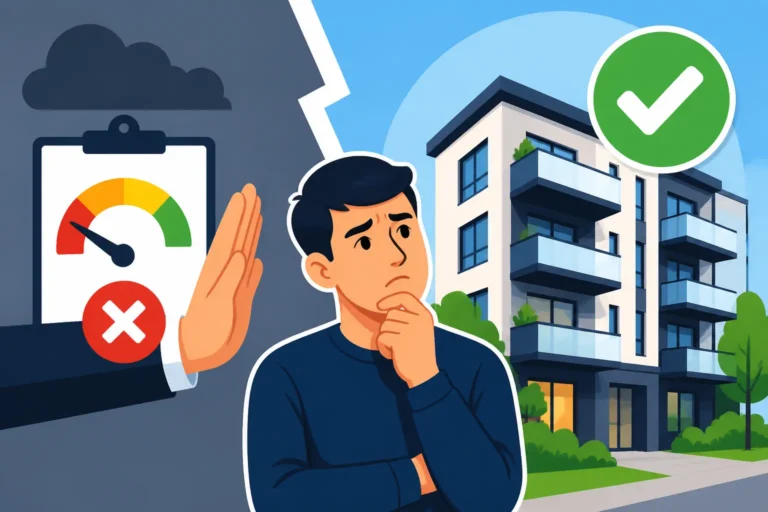
Dreaming of buying a home or needing a loan for a car? Forget about it without a Personnummer. Swedish banks use your Personnummer to check your credit history and "UC score" (Upplysningscentralen), which is the primary credit reporting agency in Sweden. Your UC score, and therefore your ability to borrow money, is built over time using your Personnummer. Without one, you have no traceable financial history in Sweden, making you a high-risk applicant for any kind of credit. This means no mortgages (How Mortgages (Bolån) and the Amortisation Requirement Work in Sweden), no personal loans, and often even difficulty getting mobile phone contracts or utility subscriptions that require a credit check. Even renting an apartment can sometimes be challenging, as landlords increasingly use credit checks to vet potential tenants, particularly for first-hand contracts.
Investments and Pensions: Planning Your Future
For those looking to build a financial future in Sweden, the Personnummer is equally non-negotiable. Opening an ISK (Investeringssparkonto), Sweden's popular tax-efficient investment savings account, or any brokerage account with platforms like Avanza or Nordnet, absolutely requires a Personnummer. These platforms need it for identification, tax reporting, and to link your investments to your personal tax records. The same goes for understanding and accessing your pension – whether it's the public pension (Allmän pension) or your occupational pension (Tjänstepension). Your Personnummer is how Pensionsmyndigheten (the Swedish Pensions Agency) tracks your contributions and calculates your future benefits. Without it, your contributions might not be properly registered, or you might struggle to access information about your entitlements down the line.
The Impact on Everyday Transactions and Consumer Rights
The Personnummer isn't just about big financial decisions; it seeps into the fabric of daily life, affecting routine purchases and your consumer rights in ways you might not expect.
Online Shopping and Subscriptions
In Sweden's highly digital retail landscape, many online stores and subscription services (for everything from streaming to meal kits) require a Personnummer for identity verification during checkout or signup. This is often tied to credit checks (especially for "buy now, pay later" options like Klarna, which is very popular here) or simply to ensure the person making the purchase is a verifiable resident. Without a Personnummer, you might find yourself unable to complete orders or sign up for services, even if you have a valid Swedish bank card. This can be incredibly frustrating when you just want to buy something online or set up a recurring service. The reliance on digital identity creates an unexpected barrier to entry for newcomers.
Contracts, Memberships, and Loyalty Programs
Beyond online shopping, the Personnummer is frequently requested for a myriad of other contracts and memberships. Joining a gym, signing up for a library card, getting a mobile phone contract, or even joining a grocery store loyalty program (which often offers discounts and special promotions) will almost always ask for your Personnummer. For service providers, it offers an easy, standardised way to identify customers, track their usage, manage billing, and comply with various regulations. It provides a level of data integration and security that streamlines operations, but creates a headache for those not yet registered in the population register. The inability to participate in loyalty programs, for instance, might seem minor, but it can subtly increase your cost of living as you miss out on common discounts.
Navigating Sweden Without a Personnummer (Temporarily)
While the Personnummer is undeniably central, it's not impossible to function in Sweden without it, at least for a while. It just requires more effort, a good dose of patience, and knowing the workarounds.
The Samordningsnummer: A Partial Solution
For individuals who don't meet the criteria for a Personnummer (e.g., short-term workers, students on shorter programs, or those awaiting a long-stay permit), Sweden offers the "Samordningsnummer" or coordination number. This number is not a substitute for the Personnummer and does not grant the same rights or access to services, but it can be a crucial stepping stone. It primarily serves as an identification number for contact with Swedish authorities, like Skatteverket, and can sometimes be used by employers to report income. It might allow you to get a basic bank account with some banks, but it typically won't grant you BankID or full access to credit. It's a testament to the system's reliance on a unique identifier that even a partial solution exists, but don't mistake it for the real deal. You can read more about what a What Is a Samordningsnummer and Can I Get Care With One? in our related post.
Alternative Banking and Money Transfer Options
Before you get your Personnummer and a fully functional Swedish bank account, you'll need ways to manage your money. Relying on your home country's bank account and cards is often the go-to, but be mindful of foreign transaction fees and exchange rates. Services like "Wise" (formerly TransferWise) can be incredibly helpful here. Wise offers multi-currency accounts and debit cards that allow you to hold SEK, send money to Sweden at mid-market rates, and often bypass some of the initial banking hurdles. This can be a game-changer for receiving salary payments if your employer is open to it, or simply for managing daily expenses without excessive fees. It provides a financial bridge until you're fully integrated into the Swedish system. Additionally, prepaid debit cards can offer a temporary solution for cashless payments, though they typically lack the advanced features of a full bank account.
What to Prioritise While Waiting
If you're in the frustrating limbo of waiting for your Personnummer, prioritise what you can do. Focus on securing your residence permit first, as this is the prerequisite for the Personnummer. Then, apply for your Personnummer as soon as you're eligible. In the meantime, ensure you have a stable way to receive income and make payments. This might involve setting up direct deposits to your foreign bank account (if your employer allows it) or utilising services like Wise. Get a Swedish mobile phone number, as this is often required for various online registrations even without a Personnummer. Explore options for basic bank accounts, but be prepared for limitations. Most importantly, keep all your documents meticulously organised, as you'll be asked for them repeatedly.
Here's a quick overview of what financial services typically require a Personnummer:
| Financial Service | Requires Personnummer? | Common Workaround/Alternative (if any) |
|---|---|---|
| Opening a Full Bank Account | Yes | Basic account with limited features (hard to get), Wise, foreign bank |
| Obtaining BankID | Yes | No direct workaround, digital exclusion |
| Using Swish | Yes | Cash (rare), card payments, foreign payment apps |
| Tax Filing (Standard) | Yes | SINK (Special Income Tax for Non-Residents), Taxes for Expats for advice |
| Receiving Social Benefits | Yes | No direct workaround |
| Getting Loans/Mortgages | Yes | No direct workaround, rely on foreign credit |
| Opening Investment Accounts | Yes | No direct workaround |
| Accessing Pension Info | Yes | No direct workaround, manual tracking of contributions |
| Online Shopping (some sites) | Yes | Guest checkout (if available), foreign credit card |
| Utility/Phone Contracts | Often | Prepaid options, rely on partner's Personnummer |
| Loyalty Programs | Often | None, miss out on discounts |
Final Thoughts on Your Swedish Financial Journey
As you can see, the Personnummer isn't just a bureaucratic formality; it's the central nervous system of Swedish financial life. Its necessity stems from Sweden's highly integrated, digitised public administration and financial sector, designed for seamless interaction among registered residents. For newcomers, this creates a significant initial barrier, and the frustration is absolutely valid. However, understanding why it's so crucial helps in navigating the system with a bit more patience and strategic planning. Your journey to full financial integration in Sweden begins the moment you apply for that all-important number, so make it a top priority. Once you have it, you'll find that many of those initial roadblocks magically disappear, opening up the full spectrum of services and conveniences that make Sweden such an efficient place to live.
Disclaimer
This article is for general informational purposes only and does not constitute professional advice. Laws, prices and regulations vary by location and change over time. Consult a qualified professional for guidance on your specific situation.