Opening a Bank Account in Sweden: A Step-by-Step Guide
Ah, the Swedish bank account. If you've just arrived in Sweden, you've probably already discovered that getting a bank account set up is right up there with securing housing in terms of "pulling your hair out" administrative challenges. It often feels like you need a Swedish bank account to get anything done, but you can't get one until you've done everything else! This guide is here to untangle that knot, offering a veteran expat's step-by-step walkthrough, whether you're armed with a shiny new Personnummer or still waiting for that elusive identity.
The Swedish Banking Landscape: Why It's Unique for Newcomers
Stepping into the Swedish financial world as a newcomer can feel like entering a secret society where everyone knows the handshake but you. It's not just about finding a branch; it's about understanding the deep integration of financial services into daily life and the absolute necessity of certain digital tools.
The Personnummer Predicament: Your Gateway to Everything
Let's be brutally honest: the Personnummer, your Swedish personal identity number, is the master key to pretty much everything here. Without it, you're often left in a bureaucratic limbo, and opening a bank account is one of the biggest hurdles. It's designed to make life incredibly efficient once you have it, but the path to getting it can be fraught with delays.
Many banks, especially the larger, more traditional ones, will explicitly state that a Personnummer is a prerequisite for opening an account. This creates a frustrating Catch-22 for new arrivals: you need a bank account to receive your salary, pay bills, and often even to get a mobile phone contract, but you need a Personnummer to open that bank account, and sometimes you need proof of a stable life (like a job and an address, which are hard to secure without a bank account) to even apply for the Personnummer itself! It's enough to make you wonder if you're stuck in an elaborate, unhelpful loop. Depending on your situation and how quickly Skatteverket (the Swedish Tax Agency) processes your application, it can take some time to get a Personnummer after moving to Sweden, ranging from a few weeks to several months.
Cashless Society: Embracing Digital Payments
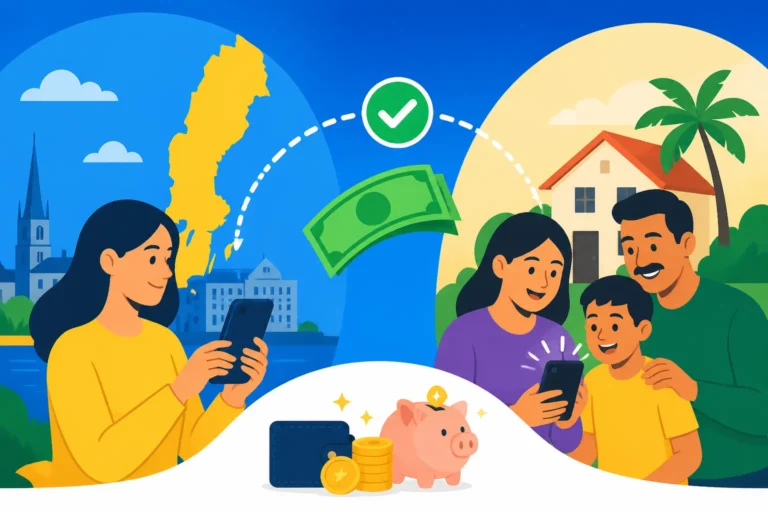
Sweden is a global leader in cashless transactions. Seriously, cash is almost an antique here. You'll find many shops, cafés, and even public toilets that refuse to accept physical money. This isn't just a trend; it's deeply embedded in the culture and infrastructure.
The ecosystem revolves around card payments, mobile payment apps like Swish, and the ubiquitous digital identification called BankID. Imagine trying to pay for your groceries, splitting a restaurant bill with friends, or even buying a bus ticket, only to find that cash isn't an option, and your foreign card is met with a blank stare or declined for some obscure reason. That's a common reality for newcomers until they get their Swedish banking sorted. Understanding how money moves in cashless Sweden through BankID and digital payments isn't just convenient; it's absolutely essential for daily life. Without a local bank account, getting access to these core services is incredibly difficult, which makes the initial period of settling in even more challenging.
Essential Documents for Opening a Bank Account
Before you even think about walking into a bank branch or filling out an online application, you need to gather your documents. This is where meticulous preparation can save you a lot of headache and multiple trips.
The Non-Negotiables: Passport and Residence Permit
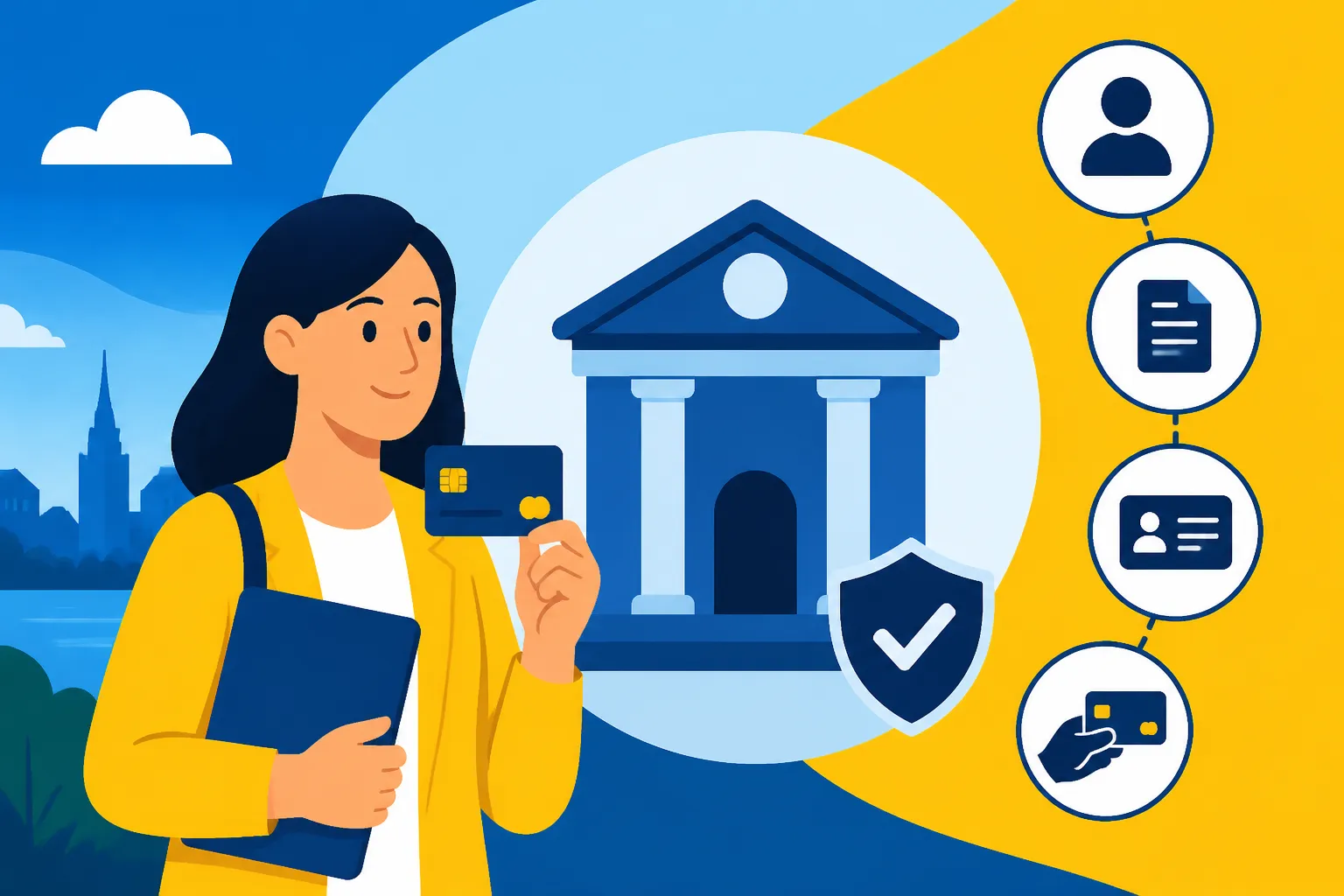
Regardless of your nationality or immigration status, certain documents are universally required for identification and to comply with anti-money laundering regulations (AML) and Know Your Customer (KYC) rules.
- Valid Passport or National ID Card: This is your primary form of identification. It must be current and show your photo, full name, date of birth, and nationality. If you're an EU/EEA citizen, your national ID card might suffice, but a passport is always a safe bet.
- Swedish Residence Permit Card (UT-kort) or EU/EEA Right of Residence Documentation: If you are a non-EU/EEA citizen, your Swedish residence permit card is crucial. This proves your legal right to live in Sweden. For EU/EEA citizens, while you don't typically need a residence permit, you'll need to demonstrate your right of residence, usually through employment contracts, proof of studies, or sufficient funds to support yourself, especially if you haven't yet registered your right of residence with Migrationsverket.
The banks are very strict about these. Don't expect any leniency on expired documents or anything that looks even slightly suspicious. They have legal obligations to verify your identity and legal status in Sweden.
The Personnummer & Other Supporting Documents
Here's where the plot thickens, as banks usually want more than just your basic ID. The Personnummer is, as mentioned, the holy grail.
- Personnummer (Swedish Personal Identity Number): If you have it, bring the official printout from Skatteverket or know the number by heart. This is the primary identifier Swedish banks use, and it streamlines everything. The importance of having a Personnummer for almost every financial service in Sweden cannot be overstated.
- Coordination Number (Samordningsnummer): For those who haven't yet qualified for a Personnummer but need to interact with Swedish authorities or employers, a Samordningsnummer might be issued. While it's not a full personal identity number, some banks might consider it, particularly for EU/EEA citizens or those with strong ties to Sweden, as a step towards getting an account without a Personnummer. However, it's not a guarantee, and policies vary widely between banks and even branches. The coordination number (Samordningsnummer) explained covers more about this temporary ID.
- Proof of Employment or Study: An employment contract, a letter from your employer, or your university acceptance letter can demonstrate your reason for being in Sweden and your financial stability. This is particularly important if you're trying to open an account without a Personnummer, as it helps the bank understand your situation and mitigate their risk.
- Rental Contract: A signed rental agreement for a long-term address in Sweden is another vital piece of evidence, especially for demonstrating your intention to reside here for an extended period.
- Family Ties Documentation: If you're joining a family member who is already established in Sweden, documentation proving your relationship (e.g., marriage certificate, birth certificate) and their Personnummer can sometimes help.
Remember, the more proof you can offer that you are a legitimate resident with a clear purpose and a stable financial situation, the better your chances are.
Proof of Address and Source of Funds
Beyond identity and residency, banks also need to know where you live and where your money comes from.
- Proof of Address: This typically means your rental contract or a document from Skatteverket confirming your registered address (your folkbokföringsadress). This helps the bank ensure you're genuinely living in Sweden and can receive mail. If you've just moved in, your rental contract might be the best option.
- Source of Funds: Banks are legally obliged to ask about the source of the money you plan to put into your account. This is part of the ongoing effort to prevent money laundering and terrorist financing. Be prepared to explain where your initial funds come from (e.g., savings from your home country, initial salary payment, student loans). You might need to provide bank statements from your previous bank or other official documentation. Don't be offended by these questions; they are standard procedure for everyone, not just foreigners.
Here’s a quick overview of common documents:
| Document Type | Required for All? | Why It's Needed | Notes for Newcomers |
|---|---|---|---|
| Valid Passport/ID | Yes | Primary identification, legal obligation | Must be current. National ID for EU/EEA sometimes accepted. |
| Residence Permit | Non-EU/EEA | Proof of legal right to live in Sweden | Essential for those outside EU/EEA. |
| Personnummer | Highly Recommended | Key identifier for all Swedish services | Makes the process significantly easier. |
| Samordningsnummer | Possible (EU/EEA) | Secondary identifier, limited acceptance | May help if no Personnummer, especially for EU citizens. Varies by bank/branch. |
| Employment Contract | Often | Proof of income, stability, reason for residency | Crucial for demonstrating financial ties, especially without Personnummer. |
| Rental Agreement | Often | Proof of address, stable living situation | Your folkbokföringsadress will come from this if registered. |
| University Acceptance | Students | Proof of study, purpose of stay | Important for student visas/permits. |
| Source of Funds Doc. | Yes | Anti-money laundering compliance (KYC) | Bank statements from home country, pay slips, etc. |
Step-by-Step: Opening a Bank Account with a Personnummer
Once you've secured your Personnummer, the path to opening a bank account becomes significantly smoother. It's still not always instant, but it's generally a straightforward process.
Choosing the Right Bank
Sweden has a competitive banking sector, dominated by four major players: Swedbank, SEB, Handelsbanken, and Nordea. Each has its pros and cons, and their expat-friendliness can sometimes vary by branch or even the specific advisor you speak with.
- Swedbank: Often seen as a popular choice, with a wide network of branches. They generally have good online banking and offer a full suite of services. Some expats report good experiences with their online application process once a Personnummer is in hand.
- SEB: Known for being a bit more corporate-focused, but they also offer strong retail banking. They might be a good option if your employer has a corporate account with them.
- Handelsbanken: This bank prides itself on local branch autonomy and personal service. This can be a huge plus if you find a good branch with empathetic staff, as they might be more flexible in individual cases. However, it also means that experiences can vary more widely.
- Nordea: A large Nordic bank with a strong digital presence. They offer good online services and mobile apps, and like Swedbank, are generally quite accessible.
When choosing a bank in Sweden, consider factors like proximity to your home or work, the quality of their online banking and mobile app, and whether they have English-speaking staff readily available. It’s often a good idea to check their websites for specific expat information or even visit a few branches to gauge their customer service before committing.
The Application Process
With your Personnummer and other documents in hand, here's what to expect:
- Book an Appointment: While some banks might allow walk-ins, it's always best to book an appointment, especially if you're a newcomer. This ensures a dedicated advisor will be available and prepared to handle your case, which often takes longer than a standard account opening. You can usually do this online via their website or by calling their customer service.
- In-Person Meeting: Most banks still prefer an in-person meeting for initial account opening for new foreign residents. This allows them to verify your identity physically and ask any necessary follow-up questions for their KYC compliance. Bring all your documents, even those you think might not be strictly necessary. Better to have too much than too little.
- Filling Out Forms: You'll complete several forms, including application forms for the bank account itself, a debit card, and possibly online banking access. Be prepared to provide details about your income, address, and your reason for opening the account in Sweden.
- Proof of Source of Funds: As mentioned, you will very likely be asked about the source of your funds. Have a clear, concise explanation and supporting documents ready.
- Patience is Key: Even with a Personnummer, the process might not be immediate. The bank needs to conduct its checks, and processing times can vary. Don't be discouraged if it takes a week or two for everything to be fully set up.
Receiving Your Card and Activating Services
Once your application is approved, you'll enter the digital age of Swedish banking.
- Debit Card: Your debit card will usually be mailed to your registered address a few days after your account is opened. The PIN will often arrive in a separate letter a day or two later for security reasons. Activate your card as per the instructions provided, usually by making your first purchase with the PIN or using an ATM.
- Online Banking: You'll receive login details for your bank's online banking portal. This is crucial for managing your money, paying bills, and tracking transactions.
- BankID: This is the absolute game-changer. Once your account is fully active and you have your online banking sorted, apply for BankID. This is Sweden's essential digital identity, and you'll use it for everything from logging into your bank, signing contracts, accessing government services like 1177.se, and even verifying your identity for package pickups. Getting BankID: Sweden's Essential Digital Identity provides a deeper dive into this vital tool.
- Swish: With BankID, you can then activate Swish, Sweden's incredibly popular mobile payment app. This allows instant money transfers between individuals and businesses using just their phone numbers. You'll quickly find that using Swish is how Sweden pays instantly for almost everything, from splitting fika bills to buying second-hand items.
Navigating the Challenge: Opening an Account Without a Personnummer
This is often the most frustrating part for many newcomers. While extremely difficult, it's not entirely impossible for everyone. Understanding the nuances is key.
The Difficulties and Exceptions
Swedish banks are legally obligated to conduct thorough KYC checks, and without a Personnummer, this becomes significantly more complex for them. The absence of a unique national identifier makes it harder for them to verify your identity and legal status, which translates to higher perceived risk for the bank.
- General Rule: Most major banks will outright refuse to open an account without a Personnummer for non-EU/EEA citizens. This is their default policy and is often non-negotiable at the branch level.
- EU/EEA Citizens and the Right to a Basic Payment Account: There's an important exception for EU/EEA citizens. Under EU law, all EU citizens have a right to a basic payment account, regardless of their credit history or where they live. This means if you're an EU/EEA citizen living in Sweden, even without a Personnummer, a bank should technically offer you a basic account, provided you meet identity verification and anti-money laundering requirements. However, enforcing this right can still be a challenge on the ground, and banks might make the process very difficult or only offer a bare-bones account without BankID or Swish. You will still need to demonstrate a legitimate need and provide strong identification and proof of address.
- Specific Situations: Posted workers (sent by an employer from another country for a temporary assignment) or those with strong, verifiable ties to Sweden (e.g., long-term property ownership, but no Personnummer) might sometimes find a more lenient branch or bank, but these are often case-by-case exceptions rather than standard policy.
The key takeaway here is: Can I open a Swedish bank account before I get my Personnummer? It's an uphill battle, but not always a lost cause, especially for EU citizens.
Alternative Solutions for Early Arrivals
While you're waiting for your Personnummer or trying to convince a bank, you're not completely stranded. There are ways to manage your finances in the interim.
- International Bank Accounts & Debit Cards: Continue using your debit/credit cards from your home country. Most Swedish establishments accept major international cards (Visa, Mastercard). Be mindful of foreign transaction fees, which can add up quickly. Some digital banks (not traditional Swedish ones) offer multi-currency accounts that can be useful.
- Prepaid Debit Cards: These can be an option for managing daily expenses without linking to a full bank account. However, they might not be widely available or easily rechargeable in Sweden.
- International Money Transfer Services: Services like Wise (formerly TransferWise) are invaluable during this period. They allow you to send money to and from Sweden without losing on fees, often at much better exchange rates than traditional banks. You can typically hold funds in SEK (Swedish Krona) and receive money into a Wise account, which can then be transferred to a Swedish bank account once you open one. This is also excellent for receiving your initial salary if your employer is willing to pay into an international account or if you need to transfer funds from your home country. Many expats use these services regularly even after getting a Swedish bank account for their international transfers.
- Employer Flexibility: If you're starting a job, speak to your employer's HR or payroll department. They might be able to pay your initial salaries into an international bank account or offer advice on how to receive your Swedish salary without a local bank account during the first few weeks or months. Some might even have established relationships with banks that could slightly smooth the process for new hires.
These temporary measures won't replace a full Swedish bank account, especially for integrating with BankID and Swish, but they can provide a crucial lifeline during those initial, challenging weeks.
Key Banking Services and What to Expect
Once you're finally set up with a Swedish bank account, you'll unlock a suite of services that are incredibly convenient and central to daily life.
BankID, Swish, and Online Banking
These three form the holy trinity of Swedish digital finance and administration.
- BankID: This isn't just a banking tool; it's your digital identity. You will use it to log into your online bank, sign contracts digitally, access services from public authorities (like Skatteverket, Försäkringskassan, and even the national health advice line, 1177 Vårdguiden, where you can log in to 1177.se with BankID), and much more. It's essentially your electronic signature and ID card combined. There are two main types: Mobile BankID (on your phone/tablet) and BankID on file (on your computer). Mobile BankID is by far the most common and versatile.
- Swish: This mobile payment system, linked directly to your bank account and phone number via BankID, is ubiquitous. Need to pay back a friend for coffee? Swish. Buying something from Blocket (Swedish classifieds)? Swish. Making a donation? Swish. It’s instantaneous, free for personal use, and incredibly secure thanks to its integration with BankID. Understanding how using Swish: how Sweden pays instantly becomes second nature is key to living here.
- Online Banking: All major Swedish banks offer robust online banking platforms. Here you can check your balance, transfer money between your own accounts or to others (via standard bank transfers or Swish), pay bills (either manually or by setting up autogiro for automatic debits), view statements, and manage your debit and credit cards. Many also have excellent mobile apps that mirror the functionality of their web platforms.
Debit Cards, Credit Cards, and Loans
Once your main account is running, you'll naturally look at other financial products.
- Debit Cards: Your basic debit card (often a Visa or Mastercard) will be your primary payment method in shops and online. It's directly linked to the funds in your checking account.
- Credit Cards: Getting a credit card as a newcomer can be challenging. Swedish banks rely heavily on your credit history and your UC credit score. As a new arrival, you won't have a history, making it difficult to qualify for traditional credit cards with high limits. You might start with a very low limit or a "secured" credit card where you deposit collateral. Building your UC credit score: how it's calculated and why it matters is a slow process that requires time and consistent financial behavior in Sweden.
- Loans and Mortgages: Similarly, securing larger loans or a mortgage (bolån) requires a significant financial history, stable income, and a good UC score. While it's possible for foreigners to buy property in Sweden, getting a mortgage usually requires a substantial down payment and a demonstrated ability to pay. Understanding how mortgages (Bolån) and the amortisation requirement work in Sweden will be crucial if you plan to buy property.
Fees, ATMs, and Customer Service
It's important to be aware of the practicalities of day-to-day banking.
- Fees: Many basic banking services, like a checking account and debit card, are often free or come with a low annual fee. However, watch out for fees on international transfers, currency conversions, or specific premium services. Always read the bank's fee schedule carefully.
- ATMs (Bankomat): While Sweden is largely cashless, ATMs are still available, though less common in small towns than in major cities. You can withdraw cash from most Bankomat machines, but you might notice fewer bank branches with physical cashiers.
- Customer Service: The major banks generally offer customer service in English, particularly over the phone and sometimes in larger city branches. Online banking platforms and mobile apps are also typically available in English. Don't hesitate to ask for an English-speaking advisor if you're not confident in Swedish.
Managing Your Finances Across Borders
Living in Sweden as an expat often means you'll have financial ties to your home country or other nations. Managing cross-border finances efficiently is crucial.
International Transfers
Sending money home or receiving funds from abroad is a regular need for many expats. While Swedish banks offer international transfer services, they can often be slower and more expensive, with less favorable exchange rates compared to specialized services.
- Traditional Bank Transfers: These are reliable but can involve intermediary bank fees and less competitive exchange rates. They are usually slower, taking several business days to complete.
- Specialized Money Transfer Services: This is where services like Wise shine. They typically offer more transparent fees, better exchange rates (often using the mid-market rate), and faster transfer times. You can send money directly to bank accounts in other countries, or even hold multiple currencies in their accounts. When it comes to sending money to and from Sweden without losing on fees, these services are often the preferred choice for expats.
It's always a good idea to compare options before making a transfer to ensure you get the best value.
Tax Implications for Foreigners
Understanding your tax obligations in Sweden is paramount, and it's closely linked to your financial accounts.
- Tax Residency: Your Swedish bank account helps establish your financial presence in Sweden, which is a key factor in determining your tax residency. Generally, if you spend more than 183 days in Sweden, you become a tax resident and are liable for Swedish taxes on your worldwide income. However, there are nuances, especially for those with "essential connection" to Sweden. The 183-day rule and essential connection for tax residency in Sweden is a complex area best understood with official guidance.
- Reporting Foreign Income/Assets: As a Swedish tax resident, you are generally required to report all your income, even from abroad, to Skatteverket. This includes income from foreign bank accounts, investments, or property.
- Seeking Professional Advice: For complex financial situations or questions about specific tax deductions, consulting with a tax advisor specializing in international taxation is highly recommended. Firms like Taxes for Expats can provide tailored advice for foreigners navigating the Swedish tax system, ensuring you comply with local regulations and optimize your financial planning. This is particularly relevant if you have significant assets or income streams outside of Sweden. Coordinating your financial information, including your bank accounts, with agencies like Skatteverket and Försäkringskassan, is a continuous administrative task after moving to Sweden and registering with Försäkringskassan.
Common Problems and Troubleshooting
The journey to a fully functional Swedish bank account isn't always smooth. Expect bumps in the road, but know that others have navigated them too.
Account Application Rejections
It's disheartening, but it happens. An application for a bank account can be rejected for several reasons.
- Lack of Personnummer: This is the most common reason, especially for non-EU/EEA citizens. Banks are simply unwilling to take on the perceived risk or administrative burden without this key identifier.
- Insufficient Documentation: Even with a Personnummer, if you haven't provided enough supporting documents to satisfy the bank's KYC requirements (e.g., proof of address, source of funds, clear reason for being in Sweden), your application might be denied.
- Bank's Internal Policy: Sometimes, a bank (or even a specific branch) might simply have a more stringent internal policy regarding foreign residents, especially if they perceive a higher risk. This can feel unfair, but it's often within their operational discretion.
- Misunderstanding or Language Barrier: While English is widely spoken, miscommunications can occur during the application process. Ensure you clearly understand what the bank is asking for and that they understand your situation.
What to do if rejected:
- Ask for a Clear Reason: Politely ask the bank for the specific reason for the rejection. This information is crucial for your next steps.
- Try Another Bank/Branch: Banks can have different policies. Don't give up after one rejection. Try another major bank, or even a different branch of the same bank (especially for Handelsbanken, due to their local autonomy).
- Gather More Documents: Review the requested documents. Is there anything else you can provide to strengthen your case? A letter from your employer confirming your long-term employment, for example.
- Emphasize Your Right (EU/EEA): If you are an EU/EEA citizen, remind the bank of your right to a basic payment account under EU law. You might need to escalate your request to a branch manager or even their compliance department.
- Seek Help: If you're struggling, organizations that support immigrants and expats might offer advice or even intervention.
Delays and Bureaucracy
Swedish bureaucracy, while efficient once you're in the system, can be incredibly slow and frustrating during the initial "onboarding" phase. Your bank account application might face delays.
- Processing Backlogs: Banks, like government agencies, can have backlogs, especially for more complex cases involving foreign documentation.
- Additional Information Requests: It's common for banks to request additional documents or clarification after your initial application. Respond promptly and clearly to avoid further delays.
- Internal Compliance Checks: The bank's internal compliance and risk assessment teams need to review your application thoroughly. This often happens behind the scenes and can take time.
Tips for Perseverance:
- Follow Up Politely: After a reasonable waiting period (e.g., a week or two), follow up with the bank. Do so politely and professionally.
- Keep Records: Keep copies of all documents you submit, application reference numbers, and the names of advisors you speak with.
- Be Patient and Persistent: This is perhaps the most important advice for any administrative task in Sweden. Things take time. Be prepared for delays, but don't give up. Your perseverance will eventually pay off, and soon enough, you'll be navigating the Swedish financial landscape like a local.
Disclaimer
Please note that this guide provides general information based on current regulations and common expat experiences in Sweden. Banking rules and immigration policies are subject to change, and individual situations can vary. Always verify specific requirements with the relevant bank or authority. This content is not financial or legal advice.