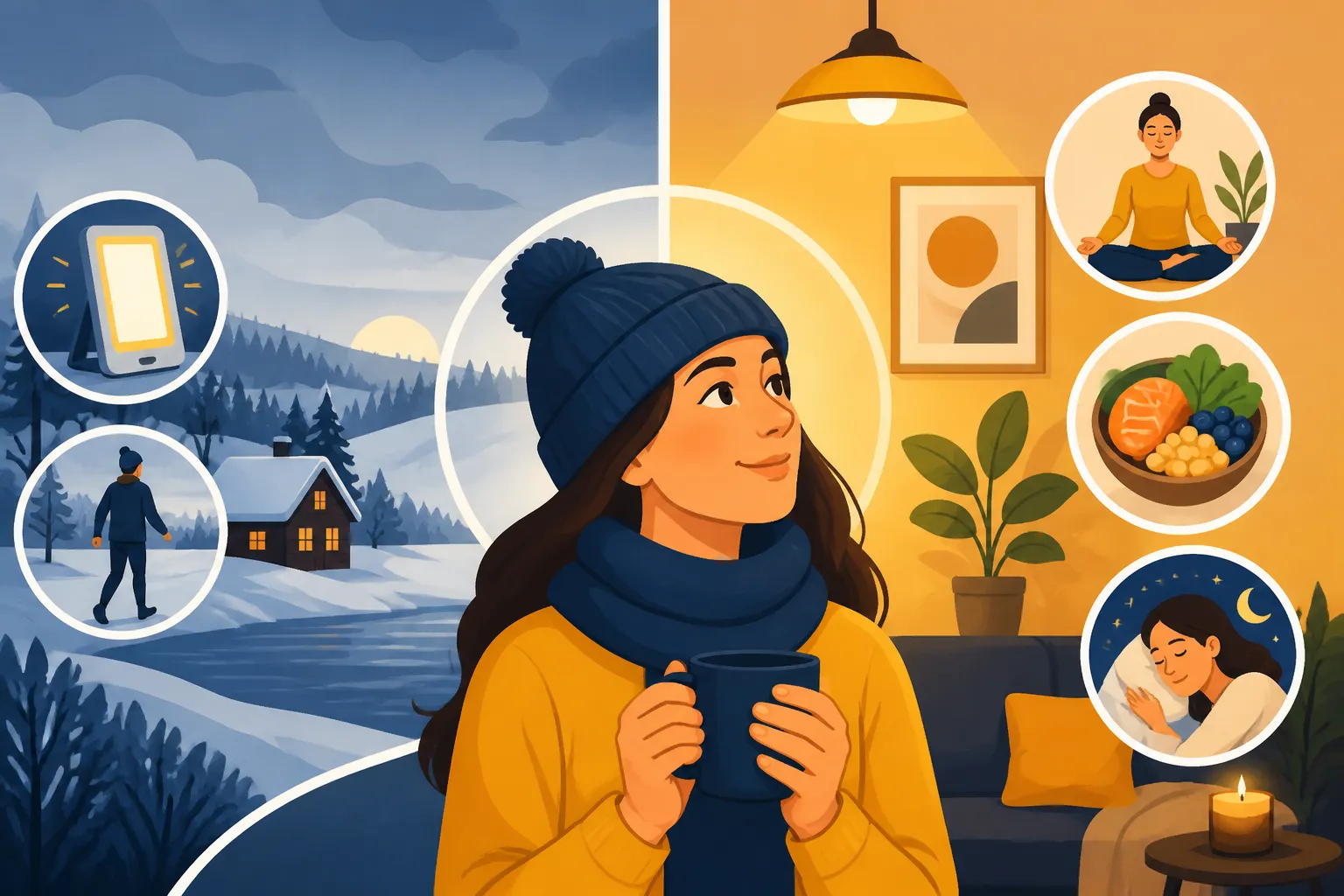
How Do I Cope with the Effect of Dark Winters on My Health in Sweden?
The sun starts dipping below the horizon at 2:30 PM, the sky turns a permanent shade of bruised purple by mid-afternoon, and your energy levels hit rock bottom. I still remember my first November in Stockholm, staring out the window at a pitch-black street before my workday had even finished, feeling a bone-deep exhaustion I couldn't explain. This guide explores how to navigate the physical and mental toll of Sweden's dark winters with proven strategies and local wisdom.
Understanding the Biological Impact of the Swedish Dark Season
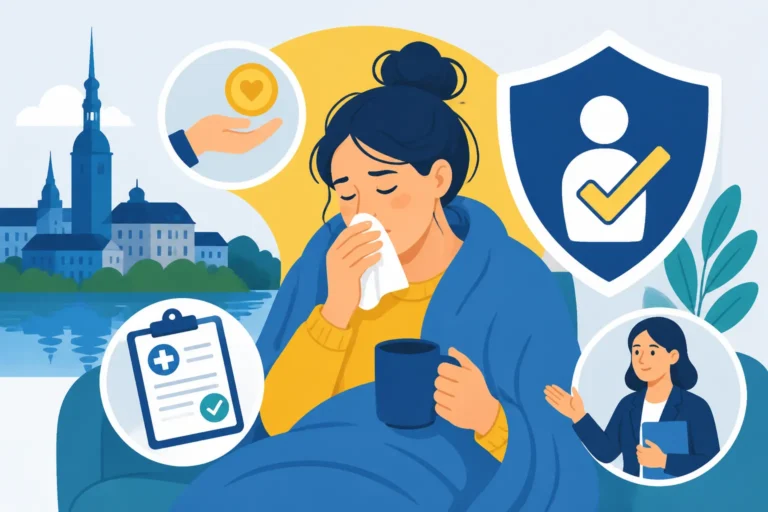
Living through a Swedish winter is not just a test of your patience; it is a significant physiological challenge. When the days shorten dramatically, your body’s internal clock, or circadian rhythm, can easily fall out of sync. In the northernmost parts of Sweden, the sun may not rise at all for weeks, while even in the south, you might only see a few hours of weak, grey light. This lack of sunlight directly affects the production of serotonin—the hormone responsible for mood—and increases the production of melatonin, which makes you feel sleepy and lethargic.
For many expats, this manifests as Seasonal Affective Disorder (SAD), often referred to locally as "vinterdepression." It is far more than just feeling a bit "down." It is a clinical condition that can lead to significant sleep disturbances, weight gain due to carbohydrate cravings, and a total loss of interest in social activities. I remember feeling like I was walking through molasses for three months straight until I learned how the locals actually handle this. If you are struggling, it is worth checking 1177 Vårdguiden: Navigating Sweden's National Health Advice Line and Portal for initial advice on how the system classifies these seasonal changes.
It is also important to distinguish between a general "winter funk" and something more serious. If you find that your low mood is preventing you from working or maintaining relationships, you shouldn't wait for the spring thaw to seek help. Many newcomers find that Mental Health Support in Sweden: Psychologists, Therapy, and Referrals provides the necessary framework to understand when a routine change is enough and when professional intervention is required.
The Science of Melatonin and Sleep Regulation
In a normal environment, your brain produces melatonin when it gets dark to help you sleep. In Sweden, when it is dark by mid-afternoon, your brain starts pumping out melatonin much earlier than it should. This leads to that "3:00 PM crash" where you feel ready for bed before you’ve even had your afternoon coffee. To combat this, Swedes often use high-intensity light therapy or simply ensure they are as active as possible during the fleeting hours of daylight.
Identifying the Symptoms of Seasonal Affective Disorder
Symptoms can be subtle at first. You might notice you’re more irritable with colleagues or that you’re hitting the snooze button six times instead of once. Other signs include a heavy feeling in your arms and legs, a withdrawal from social "fika" sessions, and a sudden, intense craving for sugary "bulle." If these symptoms persist, it’s vital to consult a professional. You can learn more about How Do I Find an English-Speaking Therapist in Sweden? to ensure you can communicate your feelings accurately without a language barrier.
When to Seek Professional Medical Advice
If you reach a point where you feel hopeless or unable to function, the Swedish healthcare system is equipped to help. You should start by Registering with a Vårdcentral: Your Guide to Primary Care in Sweden as soon as you have your personnummer. A GP (General Practitioner) can rule out other issues, such as thyroid problems or anemia, which can mimic the symptoms of SAD. For those still waiting on residency paperwork, international options like SafetyWing can provide a safety net for urgent health consultations while you are in the transitional phase.
Physical Survival Strategies for the Long Dark
The Swedish "survival kit" for winter isn't just about heavy coats and wool socks; it’s about what you put into your body and how you use light. Nutrition plays a massive role in how your brain processes the lack of sun. Because the sun is too low in the sky during winter for your skin to synthesize Vitamin D, almost every resident in Sweden needs to supplement. This isn't just a suggestion; it's a pillar of public health here.
Vitamin D deficiency is a major contributor to winter fatigue and a weakened immune system. Most doctors recommend starting supplements in October and continuing through April. You can find detailed breakdowns of dosages and local recommendations in the guide on Is Vitamin D Recommended During Swedish Winters? to make sure you’re getting the right amount for the Swedish climate.
In addition to supplements, light therapy is a common tool. Many offices in Sweden have "light rooms" (ljusrum) where employees can sit for 20 minutes in front of specialized lamps that mimic natural sunlight. If your office doesn't have one, buying a SAD lamp for your desk can make a world of difference. These lamps should have an intensity of at least 10,000 lux to be effective. I personally found that sitting in front of mine while checking emails in the morning helped reset my internal clock and kept the "brain fog" at bay.
The Crucial Role of Vitamin D
In Sweden, Vitamin D is often added to milk and margarine, but for most adults, especially those with darker skin or those who spend all day in an office, this isn't enough. A blood test at your local clinic can confirm your levels. If you aren't yet covered by the public system, having a plan from Cigna Global can ensure you have access to preventative screenings and blood work without the long wait times sometimes associated with the public sector during the busy winter months.
Light Therapy and Ljusrum
Light therapy works by stimulating the retina, which in turn signals the brain to stop producing melatonin and start producing serotonin. It is most effective when used first thing in the morning. Some Swedish hospitals even offer light therapy as a clinical treatment for severe SAD. It’s a fascinating part of Healthcare in Sweden for Foreign Residents: The Complete System Guide (2027) that shows how the country has adapted its medical care to its unique geography.
Nutrition and the "Winter Diet"
While it’s tempting to live on pasta and chocolate when it's dark, a diet rich in Omega-3 fatty acids (found in the abundant Swedish salmon and herring) can help support brain health. Swedes also rely heavily on root vegetables like beets and carrots during the winter, which provide essential vitamins that help keep your energy levels stable.
| Strategy | Recommended Action | Why It Works |
|---|---|---|
| Vitamin D | 10–20 μg daily (consult a doctor) | Compensates for lack of UVB rays for skin synthesis. |
| Light Therapy | 20–30 mins at 10,000 lux in the AM | Resets circadian rhythm and boosts serotonin. |
| Exercise | 30 mins of outdoor walking at midday | Maximizes exposure to whatever natural light exists. |
| Socializing | Weekly "fika" or hobby groups | Combats the isolation that worsens depression. |
| Diet | Increase fatty fish and root vegetables | Provides stable energy and brain-supporting nutrients. |
Navigating the Swedish Healthcare System for Winter Health
If your winter blues feel like they are spiraling, you need to know how to access the system. The Swedish healthcare model is highly decentralized and region-based. Your first point of contact is always your Vårdcentral. Here, you can discuss your symptoms with a doctor who is very accustomed to treating seasonal issues. They might prescribe a combination of light therapy, Vitamin D, or in some cases, talk therapy or medication.
If you are a newcomer and haven't yet received your personnummer, you might feel like you're in a "grey zone." However, you are still entitled to care. You can find more information on What Number Do I Call for Non-Emergency Medical Advice in Sweden? to get immediate guidance. For those who want more immediate or specialized access, private health insurance is an increasingly popular choice.
Companies like Cigna Global offer comprehensive plans that can bypass the public waiting lists for specialists, which can be particularly useful if you need to see a psychologist or a nutritionist quickly during the peak of winter. Similarly, for digital nomads or those on shorter stays, SafetyWing offers a flexible solution that covers medical emergencies and health issues that might arise as you adjust to the harsh Swedish environment. Private insurance can be a literal lifesaver when the public system is stretched thin during the flu and winter depression season.
Registering and Accessing Primary Care
The process of Registering with a Vårdcentral: Your Guide to Primary Care in Sweden should be one of your top priorities upon arrival. Once registered, you can book appointments online via BankID. If you don't have BankID yet, you'll need to call the clinic directly, usually during a very specific window in the morning. It can be frustrating, but persistence is key.
Using 1177 for Symptom Assessment
The 1177 service is a goldmine of information. You can call them 24/7 to speak with a nurse who can help determine if your symptoms require an urgent doctor's visit or if they can be managed with over-the-counter solutions. It's an essential part of 1177 Vårdguiden: Navigating Sweden's National Health Advice Line and Portal that every expat should have saved in their phone.
Private vs. Public: Finding the Right Balance
While Sweden's public healthcare is excellent, the wait times for non-urgent mental health support can sometimes be long. This is where Private Health Insurance in Sweden: When Sjukvårdsförsäkring Is Worth It comes into play. Many expats choose a hybrid approach: using the public system for routine issues and private insurance for faster access to specialists who can help manage the more complex psychological effects of the dark season.
Cultural Survival: Embracing the "Mys" and Social Connection
One of the most important lessons I learned from my Swedish neighbors was that you shouldn't fight the winter; you should lean into it. There is a cultural concept called "mys" (short for mysig, meaning cozy) that is essential for mental survival. This involves creating a warm, candle-lit environment at home, enjoying slow coffee breaks, and finding joy in indoor activities.
Isolation is the biggest enemy during a Swedish winter. When it’s cold and dark, the temptation to stay inside under a blanket is overwhelming. However, this is exactly when you need social connection the most. The Swedish tradition of "fika"—a coffee and cake break—is not just about the food; it’s a social ritual that forces you to interact with others. Even a 15-minute chat with a colleague can break the cycle of seasonal loneliness.
Furthermore, the Swedish concept of "friluftsliv" (open-air life) suggests that there is no such thing as bad weather, only bad clothing. Getting outside during the lunch hour, even if it's cloudy, is vital. That small amount of natural light is far more powerful than any indoor bulb. I started taking 20-minute walks at noon regardless of the temperature, and the difference in my afternoon productivity was staggering.
Creating a "Mysig" Environment
Swedes are masters of lighting. Instead of one harsh overhead light, use multiple small lamps, candles, and "adventsljusstakar" (advent candlesticks) during December. Creating a sanctuary at home helps shift the narrative from "I'm trapped inside" to "I'm enjoying my cozy space." This psychological shift is a powerful tool against the winter blues.
The Importance of Friluftsliv
Joining a local walking group or even a winter sports club can provide both the exercise and the social interaction needed to thrive. Staying active is a key recommendation within Mental Health Support in Sweden: Psychologists, Therapy, and Referrals as it naturally boosts endorphins. Whether it's cross-country skiing in a local park or just a brisk walk through the woods, moving your body in the fresh air is non-negotiable for winter health.
Building an Expat Support Network
Sometimes, the best people to talk to are those who are going through the same transition. Finding other expats who are experiencing their first or second Swedish winter can provide a sense of shared struggle and shared triumph. Whether it's through a Facebook group or a local meetup, don't underestimate the power of saying, "Yeah, the darkness is really tough today," and hearing someone say, "I feel it too."
Disclaimer
This article is for informational purposes only and does not constitute professional medical advice, diagnosis, or treatment. Always seek the advice of your physician or other qualified health provider with any questions you may have regarding a medical condition. The Swedish healthcare system and regulations are subject to change, and you should verify current procedures with official sources like 1177.se or Migrationsverket.