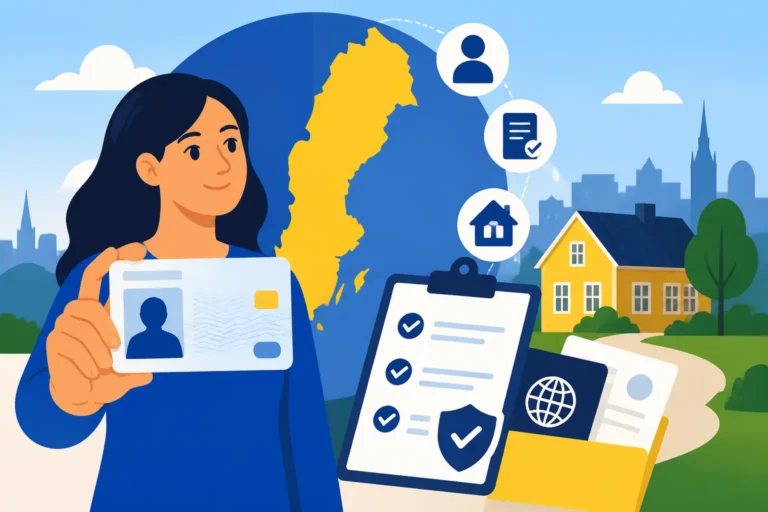
The New Citizenship Requirements in Sweden: Language and Civics
The path to becoming a Swedish citizen has long been seen as relatively straightforward compared to many other countries, but the winds of change are blowing, bringing with them new requirements that have left many hopeful expats feeling a mix of anxiety and uncertainty. If you've been dreaming of waving a little Swedish flag and calling yourself a full-fledged Swede, you'll need to understand the new language and civics tests on the horizon. This guide will walk you through exactly what these changes mean, how to prepare, and what to expect as Sweden introduces these significant new hurdles for aspiring citizens.
The Evolving Landscape of Swedish Citizenship: What's Changing?
For years, Sweden's citizenship requirements have focused primarily on a sufficient period of residency, good conduct, and verified identity. While these core tenets remain, the Swedish government is now introducing additional criteria aimed at strengthening integration and ensuring that new citizens have a foundational understanding of Swedish society and culture. This shift reflects a broader political discourse around national identity and the expectations placed upon those who wish to formally join the Swedish nation.
Why the Rules Are Getting Stricter
The move towards stricter citizenship requirements, particularly the introduction of mandatory language and civics tests, stems from several factors. There's a widely held belief within political circles that a common language is crucial for societal cohesion and individual integration into the labour market and daily life. While many new arrivals already learn Swedish, making it a formal requirement for citizenship ensures a baseline level of communication ability. The civics test, on the other hand, aims to ensure that citizens understand the fundamental values, democratic principles, and societal norms that underpin Sweden. It’s about more than just living here; it’s about understanding how Sweden works and the responsibilities that come with citizenship. For those of us who’ve navigated the bureaucracy and cultural nuances here, the idea of formalizing an understanding of "how Sweden works" can feel daunting, but the intention is to foster a more informed citizenry.
A Timeline of Proposed Changes and Implementation
It's important to remember that these changes aren't simply appearing overnight. The discussion around new citizenship requirements has been ongoing for some time, with various proposals and investigations conducted by parliamentary committees. While the specific date for implementation is not yet set at the time of writing, it's expected to be sometime in 2025 or 2026. This period of transition can feel like a waiting game, especially for those of you who are nearing your eligibility for citizenship. The government has tasked relevant agencies, primarily the Swedish Migration Agency (Migrationsverket) and the Swedish National Agency for Education (Skolverket), with developing the actual tests and administrative procedures. Keep a close eye on official government announcements, as the exact date of implementation will dictate who is affected. It’s a common frustration here in Sweden that these things can take time to roll out, and sometimes the details only emerge piece by piece, leaving applicants in limbo.
Impact on Different Applicant Groups
These new requirements will have a varying impact depending on your current status and how long you've been in Sweden. For those who are just beginning their journey towards The Path to Permanent Residence in Sweden: Rules and Timeline, it means adjusting your long-term planning to include dedicated language study and civics preparation. You'll want to factor in the time and resources needed for these new steps. However, for those who are already living here with permanent residence and are close to applying for citizenship, the changes could mean a sudden shift in expectations. It's not yet fully clear whether there will be any grandfathering clauses for individuals who applied for permanent residence before the new rules take effect but haven't yet reached their full citizenship eligibility period. This is precisely the kind of detail that can cause a lot of stress and uncertainty for long-term residents.
Unpacking the Language Requirement: A New Hurdle
The introduction of a mandatory Swedish language test for citizenship is perhaps the most significant change. For years, the ability to speak Swedish, while highly encouraged for integration, was not a formal prerequisite for becoming a citizen. This is about to change, putting Sweden more in line with many other European countries that have similar language requirements.
What Level of Swedish Proficiency Will Be Required?
Based on government proposals, the language requirement is expected to align with the Common European Framework of Reference for Languages (CEFR) levels. The most frequently discussed level is B1. What does B1 actually mean in practice? It's not just about being able to order a coffee. A B1 level means you can understand the main points of clear standard input on familiar matters regularly encountered in work, school, leisure, etc. You can deal with most situations likely to arise whilst travelling in an area where the language is spoken. You can produce simple connected text on topics that are familiar or of personal interest. You can describe experiences and events, dreams, hopes and ambitions and briefly give reasons and explanations for opinions and plans. For many of us, navigating a Swedish grocery store or talking to our kid's förskola teacher is one thing, but sitting a formal B1 exam can feel like a whole different beast. It requires a structured approach to learning grammar, vocabulary, and developing conversational fluency.
Acceptable Proof: Tests and Exemptions
To prove your B1 proficiency, you will likely need to pass an approved, standardized Swedish language test. While the specifics are still being finalized, these tests will likely be administered by certified language institutions or government-appointed bodies. You can expect them to cover reading, writing, listening, and speaking components, similar to tests like TISUS or the Swedex exams, though a new specific "citizenship test" might also be developed. For those who have already completed certain levels of Swedish for Immigrants (SFI) courses or other recognized Swedish education, there might be pathways for exemption, or at least partial recognition of prior learning. For example, completing SFI D with a passing grade might be considered sufficient.
However, the devil is always in the details. What if you studied Swedish years ago? What if your diploma isn't from a commonly recognized Swedish institution? This is where clarity will be paramount. If you have any educational certificates from abroad, you might need to get them translated. This is where services like RushTranslate or Translayte could be invaluable for ensuring your documents are properly understood and accepted by the Swedish authorities. It is also anticipated that there will be some exemptions for certain groups, such as individuals with documented disabilities that prevent them from learning Swedish to the required level, or potentially for very elderly applicants. However, these exemptions are usually narrowly defined, so don't assume you'll automatically qualify.
Preparing for the Swedish Language Test
Preparing for a language test, especially one with significant implications for your future, requires dedication. Start by assessing your current level. Many online resources offer free CEFR level tests. Once you know your starting point, enroll in structured Swedish courses. SFI (Swedish for Immigrants) is a fantastic, often free, resource for many newcomers. Beyond SFI, adult education centers (Komvux) and folk high schools (Folkhögskolor) offer more advanced courses. Private language schools like Folkuniversitetet or Medborgarskolan also provide excellent options.
Don't just rely on classroom learning. Immerse yourself in the language. Watch Swedish TV shows and movies, listen to Swedish podcasts (there are so many great ones!), read Swedish books and newspapers. Practice speaking with native Swedes – join language exchange groups or conversation clubs. Remember, it's not just about grammar; it's about being comfortable understanding and expressing yourself in everyday situations. Think about role-playing common scenarios you encounter, like discussing the weather with a neighbour or explaining a minor ailment at the vårdcentral. Regularly reviewing vocabulary and grammar is key. Consider using flashcards or language learning apps. The more you incorporate Swedish into your daily life, the more natural and less daunting the test will become.
Navigating the Civics Knowledge Test: Understanding Swedish Society
Beyond language, the civics test aims to ensure that new citizens have a basic understanding of Sweden's democratic system, history, geography, and the rights and responsibilities that come with living here. This isn't just about memorizing facts; it's about comprehending the foundations of Swedish society.
What Topics Will the Civics Test Cover?
The exact syllabus for the civics test is still under development, but it's expected to cover a broad range of topics essential to understanding Sweden. Here’s a likely breakdown:
- Swedish Democracy and Governance: This will include understanding the role of the Parliament (Riksdagen), the government, municipal councils (kommuner), and the principles of local self-governance. You’ll need to know about elections, political parties, and how citizens can participate in the democratic process.
- Fundamental Rights and Freedoms: Expect questions on freedom of expression, freedom of the press, freedom of religion, and the right to association. This also includes understanding the concept of equality, non-discrimination, and children's rights.
- Swedish History and Geography: While not expected to be overly detailed, a basic understanding of key historical events that shaped modern Sweden, as well as its geography (major cities, regions, and natural features), will likely be included.
- Swedish Society and Welfare System: This part will cover the basics of the welfare state model, including healthcare (like Healthcare in Sweden for Foreign Residents: The Complete System Guide (2027)), education, social insurance, and the labor market. You should understand concepts like the collective agreements (kollektivavtal) and the role of trade unions.
- Values and Norms: This is perhaps the trickiest part, as it delves into less tangible aspects like the concept of lagom, consensus-seeking, and gender equality. While you won't be tested on your personal adherence to these, you'll need to demonstrate an understanding of their significance in Swedish society.
For many expats, we learn these things by living here, often through trial and error, or through the sheer frustration of figuring out why things are done a certain way. Formalizing this into a test means you’ll need to study intentionally.
How to Study for the Civics Test
Studying for a civics test requires a different approach than language learning. Here are some strategies:
- Official Study Material: Once released, prioritize any official study materials, handbooks, or online resources provided by the Swedish government or Skolverket. These will be your primary source of truth for what's expected.
- Online Resources: Websites like Informationsverige.se, managed by Länsstyrelserna (County Administrative Boards), already offer valuable information about Swedish society, rights, and responsibilities, often in multiple languages. The Swedish Institute (Svenska Institutet) also has resources.
- Public Libraries: Your local library is a treasure trove of information. Look for books on Swedish history, society, and governance. Librarians can often guide you to relevant and accessible materials.
- Civics Courses: It’s highly probable that specific preparation courses for the civics test will be established through Komvux or other adult education providers. These could be invaluable for structured learning and discussion.
- Discussion and Engagement: Engage in conversations with Swedes about their society, politics, and culture. Read Swedish news (even simplified news like 8 Sidor). Understanding the context behind the facts will be crucial.
- Sample Questions: Look out for any sample questions or practice tests that will undoubtedly emerge once the test format is clearer. These will help you gauge your understanding and identify areas where you need more study.
| Test Component | CEFR Level | Example Skill | Study Resources |
|---|---|---|---|
| Swedish Language | B1 | Discuss daily life, understand news headlines | SFI, Komvux, private schools, language apps, media |
| Civics Knowledge | N/A | Explain functions of Riksdagen, core democratic values | Official study material, Informationsverige.se, library |
Practicalities of Taking the Test
While full details are still pending, we can anticipate some common practicalities:
- Registration: You'll likely need to register for both tests in advance, either through Migrationsverket's online portal or a designated test administrator. Booking a doctor's appointment online through Booking Doctor Appointments Online Through 1177.se with BankID gives you a hint of the digital infrastructure commonly used in Sweden, so expect a similar online process for test registration.
- Location: Tests will probably be offered at various locations across Sweden, particularly in larger cities and regional centers.
- Cost: While the government aims for accessibility, there might be a fee associated with taking these tests, similar to other standardized exams. This is a factor to budget for.
- Results and Retakes: You'll receive results, and if you don't pass, you'll likely have opportunities to retake the tests after a certain waiting period. This process shouldn't be too dissimilar from how you might re-apply for a residence permit if you made a mistake, as discussed in What Happens If My Swedish Permit Application Is Delayed in Sweden?.
- Identity Verification: Bringing valid identification, such as your Swedish ID card or passport, will be essential. This is a standard procedure for any official interaction in Sweden, reflecting the importance of Identity Verification and Supporting Documents.
Who Is Affected and Who Might Be Exempt?
Understanding who these new requirements apply to is crucial, as not every aspiring citizen will face the same hurdles. The specifics are still being ironed out, but general principles can be outlined.
General Applicants vs. Specific Categories
Broadly speaking, the new language and civics requirements will apply to most adult applicants seeking Swedish citizenship by naturalization. This includes individuals who have lived in Sweden for the required period (typically five years, or three years for those married to/living with a Swedish citizen) and meet other criteria like good conduct. However, there are usually specific categories of applicants that might be treated differently.
For instance, citizens of Nordic countries often have a faster and simpler path to Becoming a Swedish Citizen: Requirements and the Application Process, and it's possible they might continue to have some exemptions or a simplified process for these new tests. Historically, Nordic citizens have had easier integration pathways due to shared cultural and linguistic heritage. Also, those applying for citizenship based on previous Swedish citizenship or certain international agreements might also fall outside the scope of these new requirements.
Age and Disability Exemptions
Empathy is often built into the Swedish system, and this is expected to extend to these new citizenship requirements.
- Age: It’s highly probable that very young children will not be subject to the tests, nor will individuals above a certain age threshold. For instance, in many countries with similar tests, applicants over 65 or 70 are exempt. This acknowledges that learning a new language and complex civics concepts can be significantly more challenging later in life.
- Disability: Individuals with documented medical conditions or disabilities that prevent them from meeting the language or civics requirements will likely be eligible for exemptions. This would require official medical certificates and could involve an assessment by the relevant authorities. For example, if you have a recognized learning disability or severe hearing impairment, you would likely need to provide documentation to support your exemption request. This is about ensuring fairness and accessibility within the system, without creating insurmountable barriers for those with legitimate challenges.
It's vital that if you believe you qualify for an exemption, you start gathering the necessary documentation well in advance. Medical certificates, for instance, often need to be recent and from recognized Swedish healthcare providers. Getting proper medical documentation in Sweden can sometimes involve waiting times, so proactive planning is key.
The Future for Children and Existing Permanent Residents
- Children: Generally, children who acquire citizenship through their parents do not have to undergo separate language or civics tests. Their citizenship application is typically tied to that of their parent(s) and falls under different provisions. So, if you're a parent applying for citizenship, your children will likely be covered by your successful application, provided they meet other criteria like residency.
- Existing Permanent Residents: This is perhaps the area of greatest concern for many long-term expats. If you already hold a permanent residence permit in Sweden, does this mean you will still need to pass these new tests when you eventually apply for citizenship? Based on current proposals, yes, it appears that all new citizenship applications submitted after the implementation date will be subject to the new requirements, regardless of when you obtained your permanent residence. This is a point of significant frustration for many, as it feels like moving the goalposts late in the game. However, it underscores the need for anyone planning to apply for citizenship to start preparing now, even if you already have your The Path to Permanent Residence in Sweden: Rules and Timeline squared away. There is no indication that holding permanent residence will exempt you from the new language and civics requirements for citizenship.
Beyond Language and Civics: Other Enduring Requirements
While the language and civics tests are the newest additions, it's crucial to remember that the existing bedrock requirements for Becoming a Swedish Citizen: Requirements and the Application Process are still very much in place. These foundational criteria ensure that applicants are genuinely integrated and committed to living in Sweden.
The Residency Period and Good Conduct
- Residency Period: The general rule is that you must have lived in Sweden for a continuous period of at least five years. For certain groups, this period can be shorter. For instance, if you are married to, or a registered partner or sambo (unmarried cohabiting partner) with, a Swedish citizen, this period is typically reduced to three years. However, simply being married isn't enough; you must also have lived together during that time, and your relationship needs to be genuine and stable. The calculation of the residency period can be intricate, especially if you've had gaps in your stay or different types of residence permits. Migrationsverket is very precise about this, and you can find more details in the article How Many Years Until I Can Become a Swedish Citizen?.
- Good Conduct: This is a non-negotiable requirement. You must have led an "orderly life" in Sweden. This means you must not have committed any serious crimes or be subject to ongoing investigations for criminal offenses. Migrationsverket will conduct checks with the police and other authorities to verify this. Even minor infractions, like a series of unpaid parking tickets that have gone to Kronofogden, could potentially raise questions about your good conduct, so it's wise to keep your record clean. This also extends to demonstrating that you've paid your taxes and maintained your legal status in Sweden, as described in The Swedish Tax System Explained: Rates, Returns, and Filing and Personnummer, Folkbokföring, and Your Legal Status in Sweden.
Identity Verification and Supporting Documents
Proving who you are is fundamental to any application to Migrationsverket.
- Verified Identity: You must be able to prove your identity. This is usually done with a valid passport. If you don't have a passport, or if your passport has expired, the process becomes significantly more complicated. Migrationsverket requires very specific forms of identification, and sometimes you may need to go through additional steps to verify your identity if your documents are deemed insufficient. It is absolutely essential to ensure your passport is valid throughout the application process, and if it's nearing expiry, address this well in advance. For more on this, check out What Happens If My Passport Expires During My Swedish Permit?.
- Supporting Documents: Beyond your passport, you'll need various documents to support your application. These can include your residence permit card, extracts from the population register (folkbokföringsbevis), marriage certificates, birth certificates for children, and potentially employment contracts or proof of income. If any of these documents are not in Swedish or English, you will almost certainly need to provide certified translations. This is another area where services like RushTranslate or Translayte can be incredibly helpful to ensure your documents meet Migrationsverket's strict standards for official translations. Never use an uncertified translation or simply translate it yourself, as it will almost certainly be rejected.
Maintaining Your Right to Permanent Residence
While not directly a citizenship requirement, your permanent residence permit (PUT) is a crucial stepping stone. Maintaining its validity is paramount. If you plan to be outside Sweden for an extended period, it's important to understand the rules around your PUT. Generally, if you leave Sweden for more than one year, your permanent residence permit can be revoked unless you have applied for and been granted a special permit to retain it. This also applies if you move your "centre of interest" to another country, even if you maintain a physical address here. This is particularly relevant for those who travel frequently or consider splitting their time between Sweden and another country. Ensure you understand the nuances of Keeping Your Residence Status Valid: Common Mistakes to Avoid before making any long-term travel plans.
Practical Steps for Aspiring Swedish Citizens
Feeling overwhelmed? That's completely normal. The administrative hurdles in Sweden can often feel like a marathon. But by breaking it down into manageable steps, you can navigate the process for The New Citizenship Requirements in Sweden: Language and Civics more smoothly.
Gathering Your Documents and Preparing Your Application
The key to a successful application is meticulous preparation. Start early, ideally months before you plan to submit.
- Check Eligibility: Review all the requirements thoroughly on Migrationsverket's website. Ensure you meet the residency period, good conduct criteria, and understand the new language and civics test requirements (and any exemptions that might apply to you).
- Gather Personal Documents: This includes your valid passport, your residence permit card (UT-kort), and if applicable, marriage certificates, birth certificates for your children, or divorce decrees. If your identity cannot be proven beyond doubt with your passport alone, Migrationsverket might ask for additional documentation from your home country.
- Proof of Residency: You'll need extracts from the population register (personbevis) to show your registered addresses in Sweden and the duration of your stay. You can easily order these from Skatteverket. This is a critical step in Getting Registered in the Population Register (Folkbokföring) and maintaining your legal status.
- Financial Stability: While not a standalone requirement, a stable financial situation can indirectly support your claim of leading an "orderly life." This might include recent payslips, employment contracts, or bank statements, especially if there have been any questions about your ability to support yourself.
- Language and Civics Certificates: Once the tests are implemented, these certificates will become mandatory. Plan your language studies and civics preparation well in advance to ensure you can obtain these certificates before applying. Remember that official translations of any foreign certificates will be needed, so factor in time for using services like RushTranslate or Translayte.
Submitting Your Application and Waiting Game
Once all your documents are in order and you've met the new test requirements, it's time to apply.
- Online Application: The vast majority of applications for Swedish citizenship are now submitted online via Migrationsverket's e-service. This is generally the fastest and most efficient way. You’ll need a Swedish e-identification (like BankID) to log in, which means you'll need to have opened a Swedish bank account. Read more about Applying for Swedish Citizenship Online for a step-by-step guide.
- Application Fee: There is a fee for applying for Swedish citizenship. This fee must be paid when you submit your application. The current fee can always be found on Migrationsverket's website.
- The Waiting Game: This is often the most trying part of the process. Migrationsverket processing times can vary significantly and are often much longer than anticipated. It's not uncommon for citizenship applications to take well over a year, and sometimes even longer, especially if your case is complex or requires additional investigation. This is a topic that often comes up in expat forums, and the article How Long Does a Swedish Citizenship Application Take? goes into more detail about what to expect. Try to be patient, but don't hesitate to check the status of your application on "My Page" on Migrationsverket's website.
What Happens After a Decision
Receiving a decision from Migrationsverket is a momentous occasion, whether positive or negative.
- Approved Application: If your application is approved, congratulations! You will receive a decision letter confirming your Swedish citizenship. There isn't typically a formal ceremony for naturalization in Sweden, though some municipalities might organize optional citizenship celebrations. From this point, you can apply for a Swedish passport and a national ID card, officially making you a Swedish citizen. Remember that Sweden allows dual citizenship, so you won't necessarily have to give up your previous nationality, as explained in Can I Hold Both Swedish and My Original Citizenship?.
- Rejected Application: If your application is rejected, the decision letter will clearly state the reasons for the refusal. It's crucial to understand these reasons. You will generally have the right to appeal the decision to a migration court. This process can be complex and may require legal assistance. Even if an appeal is unsuccessful, you may be able to reapply for citizenship at a later date, addressing the deficiencies that led to the initial rejection. This might mean improving your Swedish, further demonstrating good conduct, or simply waiting until you meet all the residency requirements. It’s a frustrating setback, but often not the end of the road.
Navigating the new citizenship requirements in Sweden is certainly a challenge, but with careful preparation, dedication to language learning, and a solid understanding of Swedish society, you can successfully achieve your goal of becoming a Swedish citizen. Keep abreast of official updates, stay organized, and don't be afraid to seek support from language schools, community organizations, or even fellow expats who are on a similar journey.
Disclaimer
Please note that the information provided in this guide is for general informational purposes only and does not constitute legal advice. Immigration laws and policies in Sweden are subject to change. While efforts have been made to ensure accuracy, it is essential to consult official sources such as Migrationsverket (the Swedish Migration Agency) and Skatteverket (the Swedish Tax Agency) for the most current and specific guidance regarding your individual situation. Always verify information directly with the relevant authorities or a qualified legal professional before making any decisions related to your immigration or citizenship status in Sweden.