How Do I Register with a Library in Sweden?
Moving to a new country like Sweden can be a whirlwind of new experiences, administrative hurdles, and sometimes, a quiet sense of disorientation as you try to piece together the practicalities of daily life. One often overlooked but incredibly valuable resource that can truly help you settle in, connect with your new community, and even save you a few kronor is your local library. This guide will walk you through the surprisingly simple process of registering for a library card in Sweden and show you how to unlock a treasure trove of services that go far beyond just borrowing books.
More Than Just Books: Why Libraries in Sweden Are Expat Goldmines
When you think of a library, you might picture dusty shelves and hushed tones. But in Sweden, public libraries – or bibliotek – are vibrant community hubs, especially for newcomers. They're designed to be accessible, informative, and a genuine resource for integration, learning, and entertainment. Ignoring them would be like finding a hidden pot of gold and just walking past it!
A Hub for Information and Integration
Swedish libraries are so much more than repositories for physical books. Think of them as free, public living rooms and information centers. Need reliable internet access or a computer when you're still waiting for your home setup? The library has you covered. They offer quiet study spaces, often with power outlets, perfect for working remotely or just catching up on emails away from the bustle of a café.
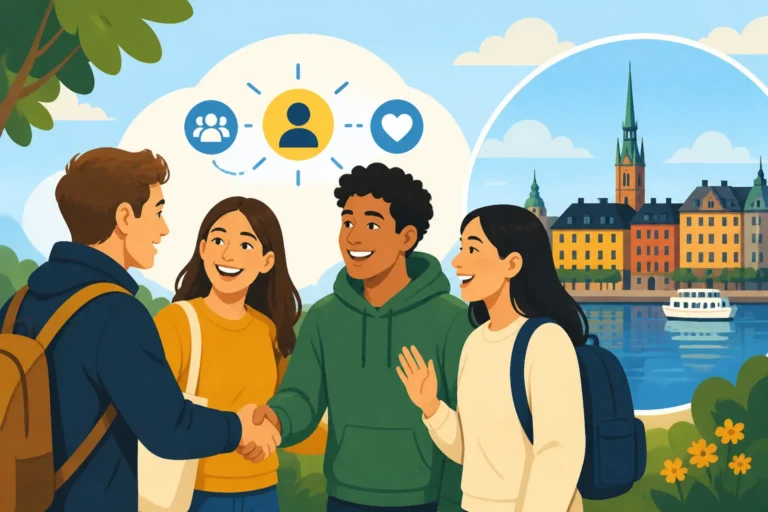
Beyond the practical, libraries are integration powerhouses. Many host free language learning resources, from physical books and audio courses to dedicated language cafes (språkkafé) where you can practice your Swedish with native speakers and other learners in a relaxed setting. They also frequently organize cultural events, author talks, children's story times (often bilingual, which is a fantastic resource for expat parents!), and even coding workshops. These events are fantastic for meeting new people and understanding local customs without any pressure. It's a low-barrier way to engage with the community and feel less isolated, which, let's be honest, is a feeling many of us expats know all too well when we first arrive. They provide a vital link to local happenings and often have information about everything from local sports clubs to upcoming festivals. If you're looking to simply understand the rhythm of Swedish daily life and find your footing, your local library is an excellent starting point.
Navigating the Digital Landscape
True to Sweden's digital-first approach, a significant portion of what your library card unlocks is actually online. Once you have your card, you gain access to a fantastic array of digital services that can be a real game-changer. Imagine unlimited access to e-books and e-audiobooks, often through popular apps like Libby or OverDrive, which integrate seamlessly with your library account. This means you can keep up with your reading habits in your native language, or dive into Swedish literature, without buying a single book. Many libraries also offer access to digital magazines and newspapers, both Swedish and international, through services like Ztory or PressReader, allowing you to stay informed and entertained.
Some municipal library systems even provide access to film streaming services, offering a curated selection of movies and documentaries. For students or researchers, the online databases can be incredibly valuable, providing free access to academic journals and research materials that would otherwise be behind expensive paywalls. In a country where setting up home internet might take a little time, or if you're trying to conserve your mobile data (especially if you're still on a temporary eSIM like one from Airalo), these free digital resources are not just convenient; they can be a lifesaver. Being able to continue your hobbies, learn, and stay connected digitally, all for free, truly underscores the modern relevance of Swedish libraries. You'll find that having access to these platforms is just another way Sweden embraces digital solutions for its residents, much like how many other public services are moving towards online accessibility, such as Booking Doctor Appointments Online Through 1177.se with BankID.
Step-by-Step: Getting Your Swedish Library Card
Okay, so you're convinced that a library card is the next essential item on your "settling into Sweden" checklist. Great! The process is generally straightforward, but like many things in Sweden, it often hinges on one crucial piece of identification.
The Personnummer Requirement and Alternatives
Ah, the ever-present Personnummer! For many essential services in Sweden, including getting a full library card, this ten-digit personal identity number is the golden ticket. Most public libraries will require you to present a valid form of identification along with your Personnummer to register for a card. This is because your library card is linked to your official registration in the population register, ensuring accountability for borrowed items and allowing for seamless integration with other public services. If you're still in the process of Getting Your Personnummer: The Gateway to Swedish Healthcare, don't despair completely.
While a Personnummer is generally standard, there can be slight variations depending on the municipality (kommun) you live in. In some rare cases, particularly in smaller towns or for those with a Samordningsnummer (coordination number) but no Personnummer, a library might offer a more limited card for local use only, primarily for borrowing physical books. However, full access to all digital resources often still necessitates a Personnummer. It's always best to check with your specific local library's policy, as policies can differ slightly from one kommun to another. Don't be afraid to walk in and ask; Swedish library staff are generally very helpful and accustomed to assisting newcomers.
Documents You'll Need to Bring
Once you have your Personnummer in hand, or if you're exploring alternatives, here's what you'll typically need to bring with you to the library:
- Valid Photo ID: This is crucial. A passport is always accepted. If you've already managed to get one, a Swedish ID card (issued by Skatteverket) is also perfect. This proves who you are and verifies the Personnummer you provide.
- Your Personnummer: Simply knowing the number is usually enough, but having it written down or easily accessible is wise.
- Proof of Address (Occasionally): While less common if your Personnummer is already registered to your current address, some libraries might request proof of address, especially if there's any ambiguity. This could be a utility bill in your name or an extract from the population register. It's usually not necessary if you've already completed your Registering Your Move (Flyttanmälan) with Skatteverket.
- Enthusiasm! Okay, maybe not an official document, but a willingness to engage certainly helps!
Always bring original documents; photocopies are rarely accepted for verification purposes.
The Application Process at Your Local Library
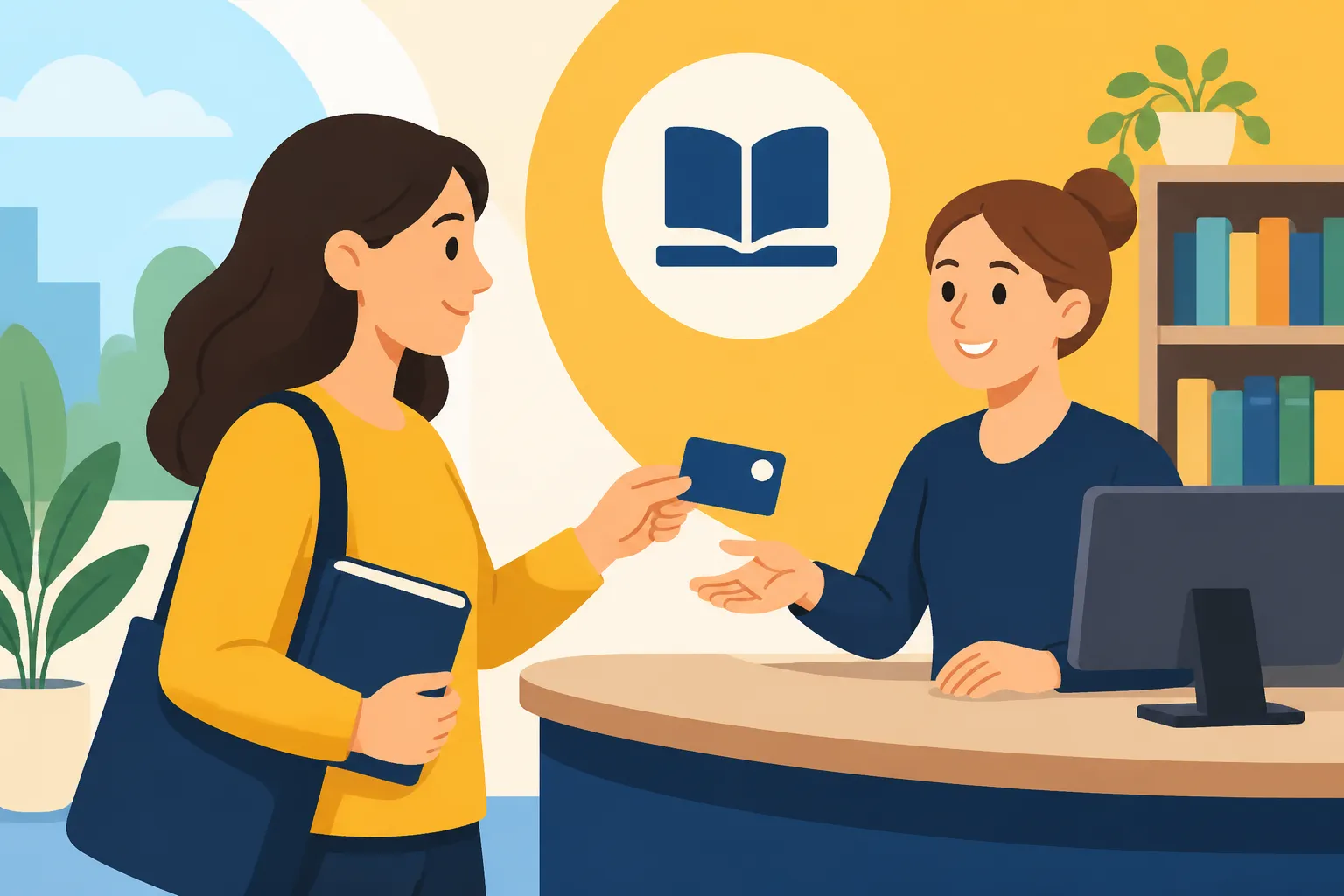
The actual application process is wonderfully simple and usually takes just a few minutes:
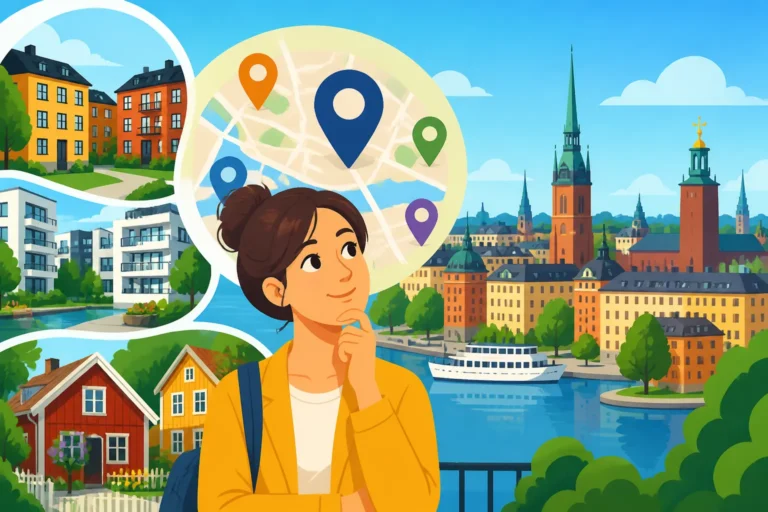
- Find Your Local Library: Most cities and towns have at least one main public library, often called Stadsbibliotek (City Library) or simply Bibliotek. You can usually find their locations and opening hours on your municipality's website or by a quick online search for "bibliotek [your city name]". For instance, if you're settling in the capital, you might be interested in Choosing Where to Live in Stockholm: Neighbourhoods for Newcomers and then locating the closest bibliotek to your new home.
- Head to the Information Desk: Upon arrival, look for the informationsdisk or service desk. This is where the magic happens.
- Fill Out a Short Form: The staff will likely give you a brief application form to fill out with your name, address, Personnummer, and contact details. It's usually straightforward and often available in English.
- Show Your ID and Personnummer: Hand over your ID and confirm your Personnummer to the staff. They will verify your details.
- Get Your Card and PIN: Once processed, you'll typically receive your physical library card on the spot. You'll also usually be asked to choose a four-digit PIN code, or one will be assigned to you. This PIN is essential for logging into online services and using self-service machines.
- It's Free! Yes, that's right. Getting a library card in Sweden is completely free of charge. This is part of the country's commitment to accessibility and public education.
Congratulations! You're now officially a Swedish library member.
Using Your Library Card: Accessing Resources and Making the Most of It
With your new library card in hand, you're ready to dive into the wealth of resources available to you. It's truly incredible how much is on offer, both physically and digitally.
Borrowing Books and Media
The most obvious use, of course, is borrowing physical items. Swedish libraries boast extensive collections of books in Swedish, naturally, but also often have significant sections of English-language books, especially in larger cities. You'll find everything from contemporary fiction and non-fiction to children's books. Beyond books, most libraries also lend out CDs, DVDs, Blu-rays, and even video games.
The typical lending period for books is usually two to four weeks, but this can vary for other media. You can easily renew your borrowed items online through the library's website, via a self-service machine at the library, or by asking a staff member. It's also possible to reserve popular items that are currently out on loan, and you'll receive a notification when they become available. Most libraries have automated return machines, making it easy to drop off items even outside of staffed hours. Be mindful of return dates, as overdue items can incur a small late fee (påminnelseavgift). These fees are usually quite modest, but they can accumulate, so it's always best to return items on time or renew them.
Digital Services and Online Access
This is where your Swedish library card truly shines, especially for expats. With your card number and PIN, you can log into your library's website or app and unlock a world of digital content. As mentioned earlier, this includes e-books and e-audiobooks, often accessible through user-friendly apps like Libby (powered by OverDrive). These apps allow you to browse, borrow, and read or listen to titles directly on your smartphone, tablet, or e-reader. It's a fantastic way to access a vast library of content, perfect for commuting or relaxing at home.
Beyond recreational reading, many libraries provide access to a wide range of academic databases, digital archives, and even online language learning platforms. These resources are invaluable for students, researchers, or anyone looking to continue their personal development. You can delve into historical documents, catch up on international news through digital newspaper archives, or learn a new skill – all from the comfort of your home. It’s a prime example of how digital platforms streamline services in Sweden, similar to how Your Health Records and Privacy on Sweden's Digital Health Platforms are managed online.
Exploring Community Programs and Language Support
Remember how I said libraries are community hubs? This is particularly true for their array of programs. The Språkkafé (language café) is a standout for expats. These informal gatherings are designed for people to practice speaking Swedish, often with the help of volunteers or library staff. It's not a formal lesson, but a friendly environment to build confidence and meet others. You'll find people at all levels, from beginners grappling with basic phrases to those refining their fluency. It's a no-pressure, social way to enhance your Learning Swedish: SFI, Courses, and Language Paths for Newcomers.
For families, children's story times (Sagostund) are very popular. Many are held in Swedish, but it's not uncommon to find bilingual sessions, offering stories in both Swedish and English, or sometimes other languages. These are excellent for exposing children to Swedish culture and language in a fun way, and they provide a great opportunity for parents to connect. Libraries also host various workshops, lectures on diverse topics, film screenings, and art exhibitions. Keep an eye on your local library's website or notice boards for their calendar of events; you'd be surprised at the array of free activities available.
Common Challenges and Tips for Expats
While Swedish libraries are incredibly welcoming, there are a few things expats might encounter or should be aware of to make their experience even smoother.
Language Barriers and Staff Support
For most international newcomers, English is often the primary language of communication when they first arrive. The good news is that in larger cities and towns, most library staff members speak excellent English. They are generally very helpful and understanding of the challenges faced by new arrivals, so don't hesitate to approach the information desk with your questions or for assistance. They can guide you through the registration process, help you find specific books, or explain how to access digital services.
In smaller, more rural areas, English proficiency might be slightly less widespread, but a friendly attitude and perhaps a translation app on your phone will go a long way. Remember, many library visitors are actively learning Swedish themselves, so there's a strong culture of patience and support.
Understanding Local Library Systems
One important thing to remember is that library systems in Sweden are primarily run at the municipal (kommun) level. This means that while the core services are similar, specific rules, digital platforms, and even the selection of digital content can vary from one municipality to another. For example, the Stockholm Public Library system (Stockholms stadsbibliotek) has its own website, app, and specific digital services that might differ from those offered by Malmö or Gothenburg libraries.
If you happen to move from one kommun to another within Sweden, you might find that you need to register for a new library card in your new municipality, as your old card might not grant full access to the new local system's resources. This is similar to how you might need to How Do I Switch Vårdcentral When I Move to a New Swedish City? if you change your official address. It's a small administrative step, but worth knowing in advance.
Lost Cards and Renewals
Losing your library card can be a minor inconvenience, but it's easily remedied. If your card goes missing, it's best to report it to your library as soon as possible. This helps prevent unauthorized use of your account. You can usually get a replacement card for a small administrative fee.
Regarding renewals, your library card is generally valid for a specific period, often a few years. For those with a Personnummer, renewal is usually straightforward and might even be automatic if you remain registered in the kommun. However, if your initial card was issued under special circumstances (e.g., without a Personnummer), you might need to re-verify your details or apply for a full card once you obtain your Personnummer. Having your Getting a Swedish ID Card After Your Personnummer makes identification for these processes much smoother.
| Aspect | Description |
|---|---|
| Primary Requirement | Personnummer (Swedish personal identity number) for full access to all services. |
| Documents Needed | Valid photo ID (passport or Swedish ID card), Personnummer. Proof of address sometimes required. |
| Cost | Free to obtain the card. Small fees may apply for lost cards or overdue items. |
| Services Offered | Physical books (Swedish & English), e-books, e-audiobooks, digital magazines/newspapers, music, films, video games. |
| Digital Access | Online accounts (via card number & PIN) for renewals, reservations, and access to digital content (e.g., Libby, PressReader, research databases). |
| Community Programs | Language cafes (Språkkafé), children's story times (Sagostund), workshops, lectures, exhibitions. |
| Internet/Computer Access | Free public computers and Wi-Fi often available. |
| System Structure | Decentralized; run at the municipal (kommun) level, meaning policies and digital offerings can vary between cities/regions. |
| Staff Language | Generally proficient in English, especially in larger urban areas. |
Disclaimer
Please note that while I strive to provide accurate and up-to-date information based on my experiences and publicly available data, policies and regulations in Sweden can change. Always verify specific requirements and procedures directly with your local library or the relevant Swedish authorities. This guide is intended for informational purposes only and does not constitute legal or official advice.