What Should I Wear to Survive a Swedish Winter?
Oh, the Swedish winter! I remember my first one like it was yesterday – a bewildering, chilling experience where I seriously questioned every fashion choice I’d ever made. It’s not just about cold temperatures; it's about persistent dampness, biting winds, and those long, dark hours that can seep into your bones. This guide isn't just about clothes; it's about adopting a mindset and a system to truly survive – and even thrive – through the Swedish winter.
Understanding the Swedish Winter Climate
Before we dive into what to wear, it’s crucial to understand what you’re up against. Sweden's winter isn't a monolith; it's a dynamic beast that changes dramatically depending on where you are and what the weather system is doing on any given day. My initial mistake was thinking "cold is cold," but oh, how wrong I was!
More Than Just Cold: Wind, Damp, and Darkness
When people talk about Swedish winter, they often fixate on the thermometer, and yes, the mercury can dip well below zero, sometimes hitting -20°C or even colder in the northern parts. But the raw numbers don't tell the whole story. The wind here is a silent killer. A gentle breeze at -5°C can feel like -15°C with the wind chill, piercing right through inadequate clothing. You'll feel it on exposed skin, of course, but also through thin jacket fabrics. I’ve learned the hard way that a windproof outer layer is often more important than sheer bulk.
Then there’s the dampness. Especially in the southern regions or coastal cities like Gothenburg and Malmö, temperatures often hover around 0°C to -5°C, creating a miserable, clammy cold that feels much colder than dry, crisp air at lower temperatures. This dampness means rain can quickly turn to sleet, then snow, and back again, requiring versatile, water-resistant gear. If you’re not prepared for this constant fluctuation, you’ll find yourself perpetually soggy and chilled.
And let’s not forget the darkness. As someone who moved here from a sunnier climate, the lack of daylight in winter hit me harder than I expected. The short days and long nights affect not just your mood but also your perception of the cold. When the sun is a mere rumour, and the streetlights hum for 16 hours a day, keeping warm becomes a physical and psychological battle. If you're wondering How Do People Cope with the Darkness in Swedish Winters?, proper clothing is definitely part of the strategy.
Regional Variations: North vs. South
Sweden is a long country, and its winter climates vary wildly. It’s not a one-size-fits-all situation when it comes to dressing.
In the southern parts like Skåne and the Gothenburg area, winters are often milder, but as I mentioned, they tend to be damp and windy. You might see more slush than deep snow, and temperatures rarely drop below -10°C for extended periods. Here, waterproof and windproof gear is paramount, even if the insulation isn't as extreme as further north. Think sturdy, waterproof boots and a good rain-resistant, insulated jacket.
As you move further north, the temperatures plummet significantly, and snow is a constant feature. In places like Kiruna, Luleå, and Umeå, temperatures of -20°C to -30°C are common, and in extreme cases, they can dip even lower. Here, it's a dry cold, which paradoxically can feel less biting than a damp 0°C if you're dressed correctly. The focus shifts to extreme insulation and multiple layers that can trap air efficiently. Think heavy down jackets, insulated trousers, and serious winter boots. When people ask How Cold Does It Really Get in a Swedish Winter?, the answer really depends on your latitude!
Even in major cities like Stockholm, the weather can be incredibly fickle. One week it's slush and +2°C, the next it's clear skies and -15°C. You need a versatile wardrobe to handle all scenarios.
The Core Principle: Layering for Warmth (Lager på lager)
If there's one piece of advice you take from this entire guide, it's this: layering is king. The Swedish term "lager på lager" (layer on layer) isn't just a quaint saying; it's the fundamental strategy for staying warm and comfortable. The beauty of layering is its adaptability. You can add or remove layers as you transition between indoors and outdoors, or as your activity level changes. It's far more effective than one super-thick item, because the air trapped between layers acts as additional insulation, and you can regulate your temperature more precisely.
Here’s how to master the art of layering:
Base Layer: Wicking Away Moisture
This is your first line of defence, worn directly against your skin. Its primary job isn't just to add warmth, though it does, but to wick away moisture (sweat) from your body. This is crucial because if sweat stays on your skin, it cools rapidly and makes you feel much colder, even leading to hypothermia in extreme conditions.
-
Materials are everything here:
- Merino Wool: This is the absolute champion. It's incredibly soft (not itchy like traditional wool), naturally regulates temperature, wicks moisture efficiently, and has anti-bacterial properties, meaning it won't stink after a day of wear. It's fantastic for both active pursuits and simply staying warm during a stroll to the shop.
- Synthetics (polyester, polypropylene): These are great alternatives, especially if you're sensitive to wool or looking for a more budget-friendly option. They excel at wicking moisture and dry quickly. Just be aware that some synthetics can hold onto odours more easily.
- Avoid Cotton: I cannot stress this enough. Cotton absorbs moisture and holds it against your skin, making you feel clammy and cold. It literally "kills" in cold weather. Leave your cotton t-shirts for summer.
-
Different Weights: Base layers come in various thicknesses, from lightweight for moderate activity to heavy-weight for extreme cold or very low activity. For most urban Swedish winters, a mid-weight base layer will serve you well. If you're going hiking or spending extended time outdoors in the deep north, consider a heavy-weight option.
-
Real-world scenarios: On a brisk commute to work, a lightweight merino base layer under your regular clothes might be enough. If you’re waiting for the bus in -10°C for twenty minutes, a thicker merino base layer will be a lifesaver.
Mid-Layer: Insulation and Warmth
This layer sits over your base layer and is all about trapping warm air close to your body. Think of it as your primary insulator. The key here is to have something that provides warmth without being overly bulky, allowing for freedom of movement and easy temperature regulation.
-
Suggested Materials:
- Fleece (polyester): A popular and versatile choice. Fleece is lightweight, breathable, relatively quick-drying, and provides good warmth for its weight. You can find fleeces of various thicknesses.
- Wool (lambswool, Icelandic wool): Excellent for warmth and natural temperature regulation. Wool jumpers can be very stylish too, making them great for social occasions indoors after you've shed your outer layer.
- Down or Synthetic Insulated Vests/Jackets: For colder days, a thin down or synthetic insulated jacket or vest can act as a highly effective mid-layer, providing significant warmth without bulk.
-
Flexibility is Key: You might wear one mid-layer on a milder day, or two (e.g., a thin fleece and then a thicker wool jumper) on a truly freezing one. The ability to remove or add a mid-layer when going indoors or stepping back out is what makes this system so genius. Imagine you’ve found a great apartment through Spotahome and it's toasty warm indoors, but you need to pop out for groceries. Being able to quickly throw on your outer layers over your mid-layer is so convenient.
Outer Layer: Protection from the Elements
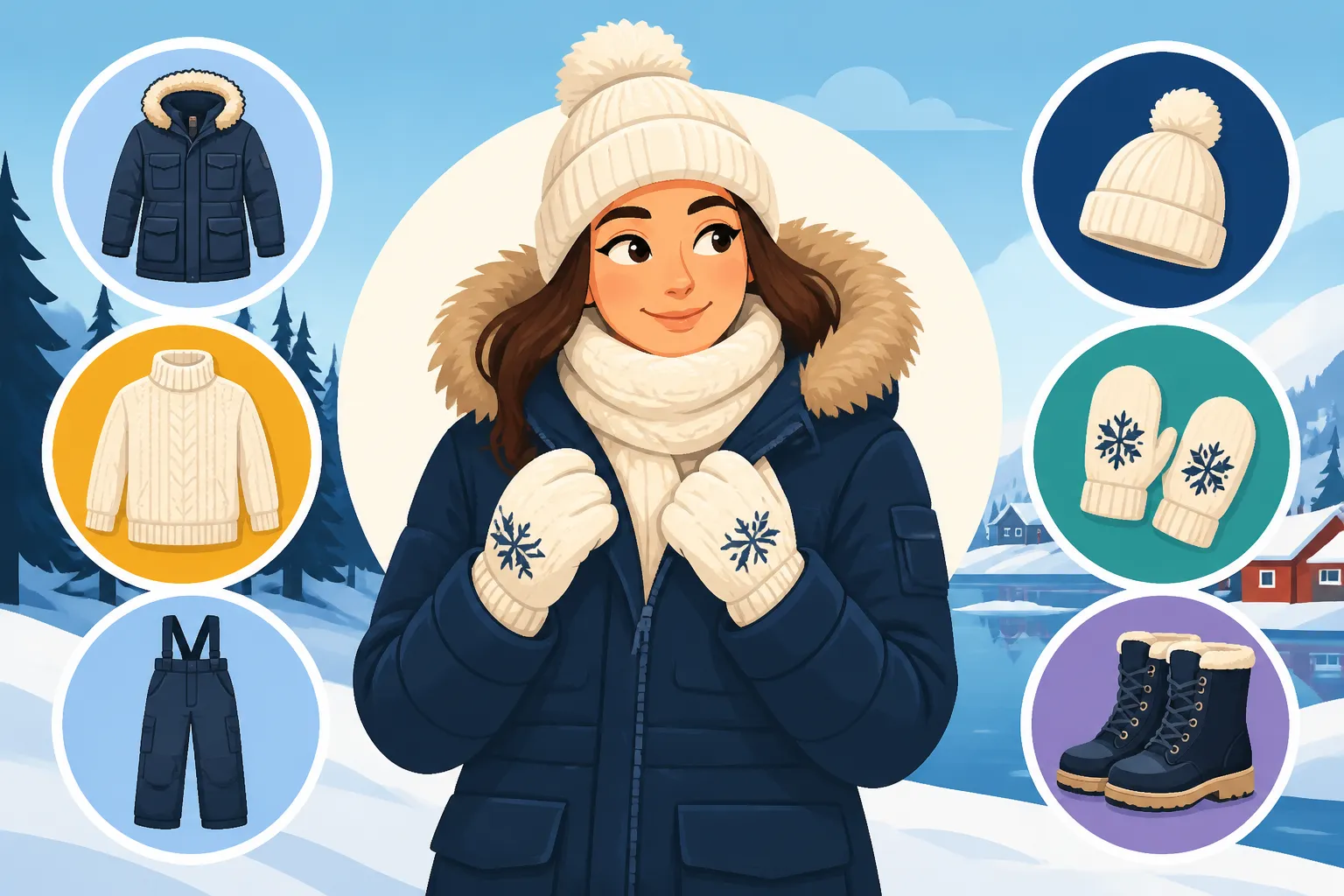
This is your shield against the external world – the wind, snow, sleet, and rain. Your outer layer needs to be windproof and water-resistant (ideally waterproof), providing the final barrier between you and the harsh Swedish elements.
-
City vs. Outdoor Jackets:
- For urban living, you'll want a stylish yet functional winter coat. Look for one that is well-insulated (down or synthetic fill), has a good hood (preferably fur-lined for extra wind protection), and is made from a wind and water-resistant fabric. Brands like Didriksons, Haglöfs, Fjällräven, and even international brands like Canada Goose or North Face are popular here. The length matters too; a longer coat (parka style) that covers your thighs offers significantly more warmth than a waist-length jacket.
- For outdoor activities or living in colder regions, a technical shell jacket combined with insulating layers (down or synthetic) might be preferred. These are often made with advanced waterproof/breathable membranes (e.g., Gore-Tex, or proprietary equivalents from brands like Peak Performance or Helly Hansen) that keep you dry while allowing sweat to escape.
-
Key Features to Look For:
- Hood: Non-negotiable. It protects your head and face from wind and snow.
- Adjustable Cuffs and Hem: Helps seal out cold air and snow.
- High Collar: Protects your neck and chin.
- Pockets: Insulated pockets are great for keeping hands warm.
- Insulation: Down provides excellent warmth-to-weight but loses insulating properties when wet. Synthetic insulation performs better when damp but can be bulkier. Many good city coats use synthetic fill because it's more practical for varied urban conditions.
Essential Accessories: Don't Forget the Extremities
You can be wearing the warmest coat in the world, but if your fingers are numb and your ears are burning, you're still going to be miserable. Our extremities lose heat quickly and are often the first to suffer.
Headwear: Protecting Your Biggest Heat Loss Point
Your head is a major source of heat loss. A good hat is absolutely essential.
- Hats: Choose hats made from wool (again, merino is excellent) or fleece. A hat that covers your ears is paramount. For very windy conditions, a windproof lining can make a huge difference. Think about what will stay on your head even with a strong gust.
- Balaclavas or Buffs: On truly frigid or windy days, especially if you're engaging in outdoor sports or simply walking for an extended period, a balaclava or a thick, multi-purpose neck gaiter (often called a buff, after the brand) will protect your face, neck, and ears. I never leave home without a buff during the deepest winter months. It's incredible how much warmer you feel when your neck is properly covered.
Hands: Gloves, Mittens, and Liners
Cold hands are a special kind of agony. You need serious hand protection.
- Gloves vs. Mittens: Mittens are generally warmer than gloves because your fingers share body heat. For everyday use, especially if you need dexterity (like using your phone or fumbling with keys), gloves are practical. But for prolonged exposure or extreme cold, mittens are superior. Many Swedes own both.
- Layering Gloves: Yes, you can layer your handwear too! Thin merino wool or silk glove liners can be worn under thicker gloves or mittens for an extra boost of warmth. They also make it easier to briefly expose your fingers without them freezing instantly.
- Waterproof Options: If you anticipate playing in the snow, shovelling, or if it's generally slushy, waterproof gloves or mittens are a must. Look for options with a waterproof membrane (like Gore-Tex).
- Contextual Brand: If you're out and about, maybe even enjoying some remote beautiful Swedish nature (after sorting your housing through Spotahome), and need to check maps or contact friends, having gloves that allow you to use your phone without removing them, or a reliable mobile connection via something like Airalo for an eSIM, is a game-changer.
Feet: Warm Socks and Proper Footwear
Happy feet, happy life – especially in a Swedish winter.
- Socks: Just like base layers, merino wool socks are the undisputed champion. They provide warmth, wick away moisture, and stay comfortable even if they get a bit damp. Avoid cotton socks at all costs for winter. Invest in a few good pairs of thick merino wool socks.
- Winter Boots: This is arguably the most critical piece of winter gear. Your boots need to be:
- Waterproof: Absolutely essential to keep slush and melting snow out. Look for rubber bottoms or waterproof membranes.
- Insulated: To keep your feet warm. Brands like Sorel, ECCO, Timberland (some models), and specialist brands like Icebug (known for their excellent grip) are popular.
- Good Grip: Swedish winters mean ice. Slipping on black ice is no joke. Look for sturdy, deep treads or even boots with integrated studs (like some Icebug models) if you expect to encounter a lot of ice.
- Roomy: Make sure there’s enough room for a thick pair of socks without compressing your feet. Tight boots restrict circulation and make your feet colder.
My personal preference is for a pair of insulated, waterproof boots with aggressive traction. They might not be the most fashionable, but when you're navigating an icy street or a snowy path, practicality trumps style every single time.
Beyond the Basics: Practical Tips and Swedish Habits
Having the right gear is one thing, but knowing where to get it, how to use it, and understanding local customs around winter clothing is another.
Shopping for Winter Gear in Sweden
You might be tempted to bring all your winter gear from home, but often, what works elsewhere isn't quite up to Swedish standards. Plus, shopping here lets you see what locals actually wear.
- Specialised Outdoor Stores: These are your best bet for quality, technical gear. Look for chains like Naturkompaniet, Stadium, and XXL. They have knowledgeable staff who can guide you on materials and layering. Yes, they can be pricey, but consider it an investment in your comfort and well-being.
- Department Stores: Places like Åhléns will have a good selection of more fashion-oriented but still functional winter coats and accessories.
- Second-Hand: Don't overlook second-hand shops! You can often find fantastic deals on high-quality wool jumpers, scarves, and even outer jackets. It's a great way to save money, especially if you're on a budget. If you're looking into Where Do Swedes Buy Second-Hand Furniture?, you'll likely find second-hand clothing stores nearby as well.
- Sales: Keep an eye out for sales after Christmas and in January/February. This can be a great time to snag some discounted items.
It's tempting to think that How Much Does It Cost to Live in Stockholm Each Month? is just rent and food, but a decent winter wardrobe is a serious investment that you shouldn't skimp on.
Adapting to Indoor Heat and Outdoor Cold
This is a daily battle. Swedish buildings are generally very well insulated and often have efficient heating systems (which is great, because What Is the Cost of Electricity in Sweden in Winter? can be a consideration!). This means that indoors, it can be downright tropical compared to the arctic conditions outside.
- The Art of Shedding Layers: You'll quickly learn to peel off your outer layers the moment you step inside a shop, office, or someone's home. Having easy-to-remove mid-layers is a blessing. Don't be that person sweating profusely in their thick jumper indoors.
- The "Shoes Off Indoors" Culture: This isn't just a cultural quirk; it's practical. You don't want to track snow, slush, salt, and dirt into homes and many public spaces. Always be prepared to remove your outdoor shoes. Having warm socks (the wool ones you’re wearing!) under your boots makes this transition much more comfortable.
Child-Specific Winter Clothing
If you're moving to Sweden with kids, their winter wardrobe is even more critical. Swedish children spend a huge amount of time outdoors, regardless of the weather, especially in förskola (preschool).
- Overall Suits: For younger children, a high-quality, insulated, waterproof winter overall (a one-piece suit) is a staple. It keeps snow out and warmth in. Brands like Didriksons, Kuling, Reima, and Polarn O. Pyret are very popular and for good reason – they're made for Swedish weather.
- Waterproof Mittens and Neck Warmers: Small hands and necks need maximum protection. Children’s mittens are often designed with extra-long cuffs to go over jackets and prevent snow ingress. A soft fleece neck warmer is much safer and more effective than a long scarf.
- Footwear: Insulated, waterproof boots with good grip are non-negotiable for kids too. Their feet get just as cold, if not colder, when playing in the snow.
- Layering principles apply just as much to children. They'll need merino wool base layers and fleece mid-layers under their overalls. This ensures they can play outside comfortably for hours. For more on family life, check out Raising Children in Sweden: Förskola, School, and Family Life.
Here’s a quick summary of the layering system:
| Layer Type | Purpose | Recommended Materials | Key Features |
|---|---|---|---|
| Base Layer | Wicks moisture, light warmth | Merino wool, synthetic (polyester) | Close-fitting, breathable, quick-drying |
| Mid-Layer | Insulation, traps warmth | Fleece, wool (merino, lambswool), thin down/synthetic jacket | Varies in thickness, easy to remove, breathable |
| Outer Layer | Protection from wind, water, snow | Waterproof/windproof membrane, insulated fill (down/synthetic) | Hood, high collar, adjustable cuffs, durable fabric |
| Accessories | Protect extremities, seal in warmth | Wool, fleece, waterproof materials | Covers head, ears, face, hands, and feet; good grip |
Remember, this isn't just about fashion; it's about functionality and staying healthy. Getting sick from being constantly cold is no fun, and access to Healthcare in Sweden for Foreign Residents: The Complete System Guide (2027) is something you'll want to avoid needing due to poor winter preparation. Get your gear sorted, embrace the layering, and you'll find that even the coldest Swedish winter days can be surprisingly beautiful and enjoyable. It becomes less about "surviving" and more about fully experiencing the season!
Disclaimer
The information provided in this guide is intended for general informational purposes only and does not constitute professional advice. While we strive to offer accurate and up-to-date information, local conditions, regulations, and individual circumstances can vary. Always consult with relevant authorities or professionals for specific guidance regarding your situation in Sweden.