How Cold Does It Really Get in a Swedish Winter?
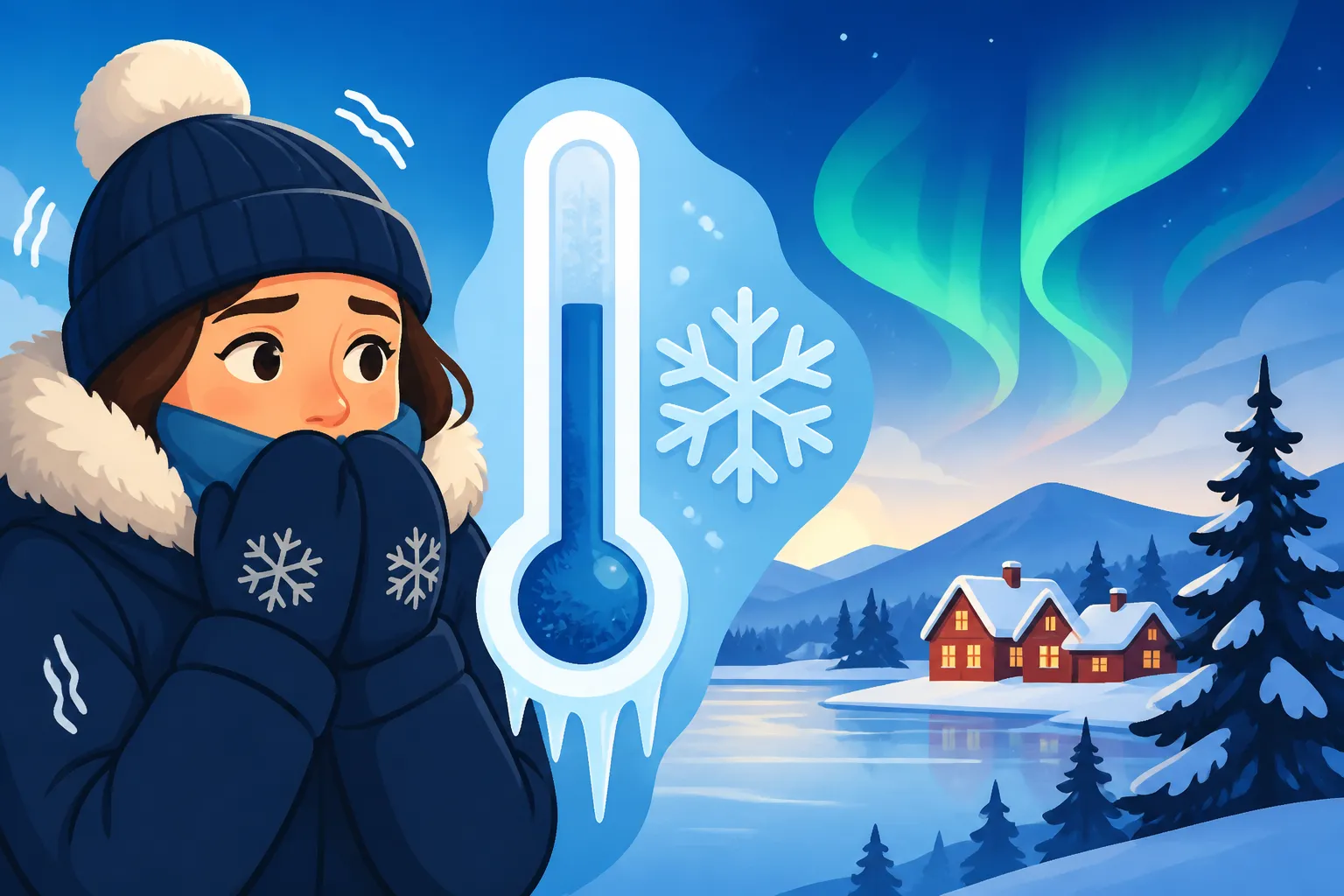
Oh, the Swedish winter! I know, I know. It's one of those things that fills every newcomer with a mix of dread and morbid curiosity. You've heard the whispers, seen the dramatic photos of snow-covered landscapes, and perhaps even envisioned yourself shivering uncontrollably. Let me tell you, the question "How cold does it really get in a Swedish winter?" isn't just about a number on a thermometer; it’s about a complete sensory experience, a way of life, and frankly, a bit of a mental game. This guide is here to strip away the myths and give you the unvarnished truth, based on years of personal frosty encounters, so you can stop worrying and start preparing to embrace the season like a true Svensson.
Understanding the Swedish Winter Climate
When people ask about the cold, they often think of a single, uniform experience across the entire country. But Sweden is a long, skinny country, stretching from its relatively mild south to the Arctic north. The climate varies dramatically, and so does the definition of "cold." It’s like comparing Florida to Alaska – both in the same country, but worlds apart in winter.
Regional Variations in Temperature
Let’s break it down geographically, because your experience will be vastly different depending on where you plonk yourself down.
-
The South (Skåne to Stockholm): This is where most of Sweden's population lives, including cities like Malmö, Gothenburg, and Stockholm. Here, winters are generally milder, especially along the coast. In Malmö, you might see average January temperatures hovering around 0°C (32°F) to -2°C (28°F), with periods of rain or sleet more common than deep, powdery snow that sticks around for weeks. Stockholm, further north but still coastal, experiences similar averages, perhaps a touch colder, around -3°C (27°F) to -5°C (23°F) in January and February. Snow does fall, and it often blankets the city beautifully, but it can also melt and refreeze, turning into icy slush. These regions benefit from the moderating influence of the sea, which prevents extreme temperature drops.
-
The Inland and Central Sweden: Venture away from the coast, even in the southern half, and temperatures tend to drop a bit more. Cities like Örebro or Linköping might see colder nights and more consistent snow cover, with averages around -5°C (23°F) to -8°C (18°F) in the coldest months. The air is often drier here, which can make the same temperature feel less biting than a damp coastal chill.
-
The North (Norrland): Ah, Norrland. This is where winter truly flexes its muscles. Up here, in places like Kiruna, Luleå, or Umeå, temperatures can plummet into the double-digit negatives and stay there for extended periods. Average January temperatures in Kiruna, for example, can be around -15°C (5°F) to -20°C (-4°F), and it’s not uncommon to hit -30°C (-22°F) or even lower during cold snaps. The snow is plentiful, often deep and dry, creating a truly Arctic wonderland. This is where you'll find proper winter sports, frozen lakes perfect for ice fishing, and the magic of the Northern Lights. If you're planning to settle somewhere like this, prepare for a very different kind of cold.
The key takeaway? Don't assume. If you're in Malmö, you might be dealing with more mild, damp cold and less snow than your friend in Umeå who's knee-deep in powder.
Beyond the Thermometer: Wind Chill and Humidity
Here's the thing about cold: the number on the thermometer doesn't always tell the full story. Many expats find the "perceived temperature" to be a far more accurate gauge of comfort (or discomfort!).
-
Wind Chill: This is your silent enemy. Even if the thermometer reads a relatively modest -5°C (23°F), a biting wind can make it feel like -15°C (5°F) or colder. The wind literally strips away the layer of warm air your body creates around itself. Coastal areas, like Stockholm or Gothenburg, can be particularly prone to this, especially when the wind whips in off the Baltic Sea or the North Sea. Inland areas, while colder in absolute terms, sometimes have less wind, making the air feel crisper rather than cutting. This is why having good windproof outerwear is absolutely critical, no matter where you are.
-
Humidity: The dampness in the air also plays a huge role. A dry -10°C (14°F) in northern Sweden can often feel more tolerable than a damp -2°C (28°F) in Stockholm. When the air is humid, the cold seems to seep into your bones, making it harder for your body to stay warm. This is why you'll often hear Swedes say "it's not the cold, it's the dampness" – and they're not wrong.
So, while the numerical temperature is a good starting point, remember that the combination of wind and moisture can significantly amplify the sensation of cold. Always check the "feels like" temperature on your weather app!
The Reality of Daily Life in Winter
Moving to Sweden, you’ll quickly learn that winter isn’t just a season; it’s a masterclass in adaptation. The Swedes, with their long history of coping, have perfected the art of making daily life not just bearable, but actually enjoyable, even when the temperatures drop.
What to Expect Indoors
One of the biggest comforts of a Swedish winter is what awaits you indoors. Swedish buildings are, by and large, incredibly well-insulated and efficiently heated.
-
Heating Systems: The vast majority of homes and public buildings in Sweden benefit from district heating (fjärrvärme), especially in urban areas. This is an incredibly efficient system where heat is produced centrally (often from renewable sources or waste heat) and then distributed as hot water through underground pipes to individual buildings. This means consistent, reliable warmth in your apartment or house. You’ll rarely find yourself shivering indoors. Even in older buildings, insulation standards are generally high, and double or triple-glazed windows are the norm, designed to keep the cold out and the warmth in. For those interested in how their new home's warmth is powered, understanding how to set up electricity (El-avtal) in your Swedish home is a good starting point.
-
The Cozy "Mysigt" Factor: Swedes excel at creating a warm, inviting atmosphere indoors to counteract the chill outside. This concept, known as "mysigt" (cozy), involves soft lighting, candles, warm blankets, and plenty of hot drinks. It's not just about turning up the thermostat; it's about creating a sanctuary. You'll soon find yourself adopting these habits, instinctively lighting candles at dusk and brewing a strong cup of coffee or tea.
Navigating the Outdoors: Snow, Ice, and Darkness
While indoors is a haven, venturing outside requires a different kind of preparation and mindset. It's not just the cold; it's the overall winter environment.
-
Snowfall Patterns: Snow is, of course, a quintessential part of the Swedish winter. In the south, you might get light dustings that melt quickly, interspersed with heavier falls that bring traffic to a halt for a day or two. In central and northern Sweden, continuous snow cover is expected and embraced. Don’t expect cities to grind to a halt because of snow; municipal services are highly efficient at plowing and clearing. Main roads are usually well-maintained, but side streets and sidewalks might take longer to clear.
-
Ice Management: Ice is arguably more treacherous than snow. Black ice, hidden under a thin layer of snow or appearing on clear but cold days, is a real danger for pedestrians and drivers alike. Councils are diligent about salting and gritting main thoroughfares, but residential areas, pathways, and steps can become very slippery. Investing in good winter boots with excellent grip is non-negotiable. If you're planning on winter driving in Sweden, studded tyres and the rules around them are crucial to understand. Even if you're just getting around Sweden using public transport, being aware of icy patches is vital.
-
The Impact of Short Daylight Hours: This is perhaps the most challenging aspect for many newcomers, even more so than the cold itself. In December and January, daylight hours are dramatically reduced, especially the further north you go. In Stockholm, you might only get 6-7 hours of daylight, from around 9 AM to 3 PM. In Kiruna, north of the Arctic Circle, you'll experience polar night, where the sun doesn't rise above the horizon for several weeks. This darkness doesn't necessarily make it colder, but it can certainly affect your mood and energy levels. It’s a completely different kind of challenge, so much so that we have a whole guide on how people cope with the darkness in Swedish winters. This is where the Swedish love for cozy lighting, outdoor lights, and perhaps even light therapy lamps really comes into play.
Practical Strategies for Staying Warm
So, how do the Swedes do it? They don't just endure winter; they thrive in it, turning it into a season of outdoor adventures and cozy indoor moments. The secret lies in smart preparation and adopting local habits.
Layering Like a Local: The Key to Comfort
The most fundamental principle of surviving, and enjoying, a Swedish winter is "lager på lager" – layering. Forget your single bulky coat; it's all about adaptable warmth.
- The Base Layer: This is what sits directly against your skin. Its primary job is to wick away moisture (sweat) to keep you dry, which in turn keeps you warm. Merino wool is a favorite among Swedes for its natural breathability and warmth, even when damp. Synthetic thermal underwear also works well. Avoid cotton as a base layer, as it absorbs sweat and stays wet, making you feel colder.
- The Mid Layer(s): These layers provide insulation, trapping air to keep you warm. Fleece jackets, wool sweaters, or down vests are excellent choices. You might wear one thick mid-layer or several thinner ones, depending on the temperature and your activity level. The beauty of layering is that you can add or remove items as needed, whether you're transitioning from a warm bus to a freezing street, or from a brisk walk to a cozy fika.
- The Outer Layer (Shell): This is your shield against the elements. It needs to be windproof and waterproof (or at least water-resistant) to protect you from wind chill, snow, and sleet. A good quality, insulated winter jacket is an investment worth making. Look for features like a good hood, adjustable cuffs, and a high collar. For your legs, insulated or windproof trousers over your base layer are often sufficient, especially if you're active. If you want a deep dive, check out our guide on what to wear to survive a Swedish winter.
Essential Winter Gear and Where to Find It
Beyond the layers, specific accessories are non-negotiable for comfort and safety.
- Footwear: This might be the most crucial item. You need warm, waterproof, and well-insulated winter boots with excellent grip. Think sturdy soles, not fashion boots. Brands like Sorel, Canada Goose, Timberland, or even Swedish brands like Kavat (for kids) and Blundstone (popular for adults) are good starting points. You’ll find a wide selection at sports stores like XXL or Stadium, shoe shops, and even department stores like Åhléns. Don't forget wool socks – several pairs will be your best friend.
- Headwear: A significant amount of body heat escapes through your head. A warm hat that covers your ears is essential. A balaclava or neck gaiter can be useful on truly bitter days.
- Handwear: Good quality gloves or mittens are a must. Mittens are generally warmer than gloves because your fingers share warmth. Waterproof ski gloves are excellent for snowy days.
- Scarves: A thick wool or fleece scarf not only keeps your neck warm but can also be pulled up over your face on windy days.
You can often find good quality second-hand gear at places like Myrorna or Emmaus, which are great options for finding warm clothing without breaking the bank. Keep an eye out for post-Christmas sales, when stores often discount winter wear.
Mindset and Activities to Embrace the Cold
Once you’re properly dressed, the Swedish winter opens up a world of possibilities. The key is to shift your mindset from "enduring" to "enjoying."
- Outdoor Activities: Don't hibernate! Swedes are outdoorsy people, and winter is no exception. Embrace cross-country skiing, ice skating on frozen lakes (only when officially sanctioned and safe!), or simply taking brisk walks in nature. Even a short walk during the precious daylight hours can do wonders for your mood. Check local municipal websites for prepared ski tracks or ice-skating rinks.
- Cozy Rituals: Balance outdoor activity with plenty of indoor mysigt. Frequent fika breaks (coffee and a pastry) are practically mandatory. Visit a local sauna (bastu) to warm up to your core – understanding pool and sauna etiquette in Sweden is a good idea before you go. Enjoy warm drinks like hot chocolate or mulled wine (glögg).
- Light Therapy: For those struggling with the darkness, a light therapy lamp can be a genuine game-changer. These simulate natural daylight and can help combat seasonal affective disorder (SAD). Many Swedes use them at their desks in the mornings. Also, remember that sometimes a simple vitamin D supplement is recommended during Swedish winters to help with the lack of sunlight.
Common Misconceptions and Local Wisdom
It’s easy to get caught up in the horror stories or to project your own fears onto the Swedish winter. But much like any extreme environment, there’s a lot of practical wisdom to be gained from those who live there year-round.
Is it Always Grey and Depressing?
While the short daylight hours are a reality, and overcast days are common, it's certainly not always grey and depressing.
- Snow and Light: When it snows, especially a fresh blanket, the landscape transforms. Snow reflects light beautifully, often making even an overcast day feel brighter than a grey, snowless day. The crisp, clean air after a snowfall can be invigorating.
- Winter Sunshine: There are also bright, sunny winter days – often the coldest ones. On these days, the sky can be a brilliant, deep blue, the air sparkling, and the low sun casting long, dramatic shadows. These days are truly magical and highly appreciated. They remind you why you choose to live in a place with such distinct seasons.
- The Northern Lights: If you're further north, clear, dark winter nights bring the incredible opportunity to witness the Aurora Borealis. This spectacular natural light show is anything but depressing!
Acclimatization and Adjusting Your Expectations
One of the most important pieces of advice I can give you as a veteran expat is this: you will acclimatize. Your body will adjust, and your tolerance for cold will increase, often surprisingly quickly.
- Your Body Adapts: Don't expect to be comfortable in a t-shirt in -5°C (23°F) right away, but after a few months, you'll find that temperatures that once seemed unbearable are now just "a bit chilly." Your body becomes more efficient at regulating its temperature.
- Mental Toughness: A large part of coping is mental. Embrace the season rather than fighting it. See the snow as an opportunity for play or beauty, not just an inconvenience. Think of the cold as a reason to invest in good quality gear that makes being outdoors enjoyable.
- Preparation is Key: The difference between a miserable winter and a manageable, even enjoyable, one often comes down to preparation. Get the right clothes, insulate your home (if you're a homeowner, or ensure your rental is well-heated), and plan your activities. Many newcomers initially panic about finding a suitable apartment for winter. Platforms like Spotahome can help you find suitable housing even before you arrive, giving you peace of mind that you'll have a warm place to land. And when you're busy setting up your new life, don't forget practical things like staying connected. Getting an eSIM from a provider like Airalo can ensure you have mobile data from the moment you step off the plane, letting you check weather forecasts and transport updates immediately.
Ultimately, Swedish winters are undeniably cold, especially in certain regions, and the short daylight hours present a unique challenge. But they are also incredibly beautiful, invigorating, and full of unique experiences you won't find anywhere else. With the right gear, the right mindset, and a willingness to embrace the local way of life, you'll not only survive but truly thrive through the frosty months.
Disclaimer
This article is for general informational purposes only and does not constitute professional advice. Laws, prices and regulations vary by location and change over time. Consult a qualified professional for guidance on your specific situation.