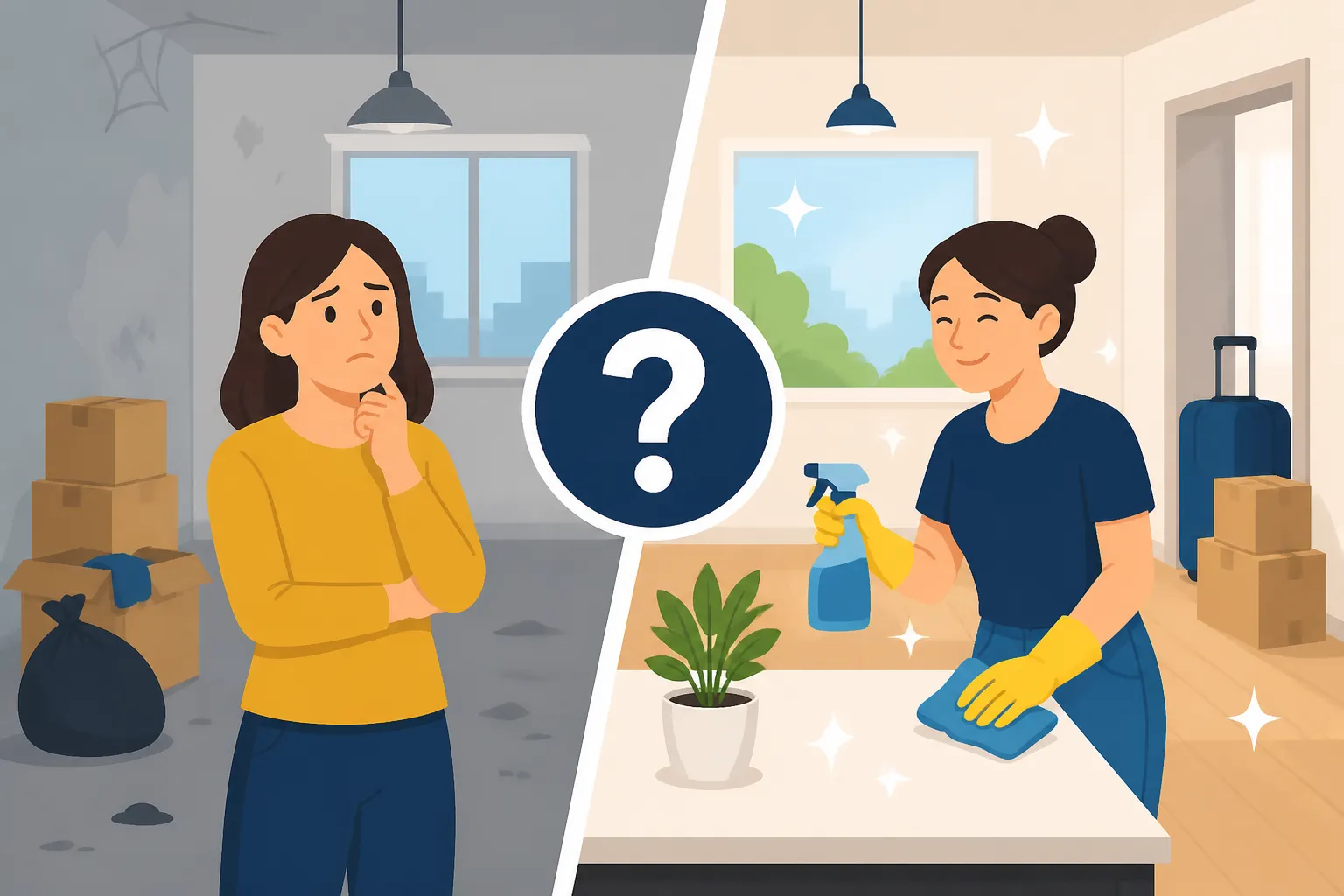
Do I Need to Clean the Apartment Before Moving Out in Sweden?
Ah, the Swedish moving process! Just when you think you've mastered the rental market and understood your First-Hand vs Second-Hand Rental Contracts in Sweden: Key Differences, it's time to move out, and suddenly, a new hurdle appears: the infamous flyttstädning. Many of us expats, used to a quick vacuum and wipe-down from back home, often wonder, "Do I really need to clean the apartment before moving out in Sweden?" The short answer is an emphatic yes, but the longer, more nuanced answer is what this guide is all about, helping you navigate these precise expectations to secure your deposit and move on without a hitch.
The cultural and contractual expectations around moving out in Sweden are, for many of us, quite a wake-up call. It's not just about tidying up; it's about a deep, systematic clean that leaves the apartment in a state where the next tenant could, theoretically, move in without lifting a finger. If you've ever moved into a sparkling Swedish apartment and marvelled at its cleanliness, you can thank the previous tenant's meticulous flyttstädning. Now, it's your turn to uphold that standard.
The Swedish Expectation of a Move-Out Clean: Why "Lagom" Doesn't Apply Here
Coming from countries where "broom clean" or "reasonably clean" is often the norm, the Swedish concept of flyttstädning can feel utterly overwhelming. It’s a standard that demands perfection, or at least something very close to it. This isn't just a quirky cultural habit; it's deeply ingrained in rental agreements and the expectations of both landlords (hyresvärdar) and incoming tenants.
Understanding the Legal and Cultural Standards
In Sweden, the general rule is that a tenant must return the apartment in the same condition it was in when they moved in, minus normal wear and tear. While "normal wear and tear" is a tricky phrase open to interpretation, "cleanliness" is far less ambiguous. The standard for flyttstädning is exceptionally high. It’s not simply about making the place look presentable; it's about sanitizing and meticulously cleaning every nook and cranny. Imagine preparing the apartment for a professional photoshoot, but for hygiene rather than aesthetics.
This high standard is partly cultural. Swedes value cleanliness, order, and consideration for others. The idea that a new tenant would move into an apartment that isn't absolutely spotless is almost unthinkable. It's a matter of respect for both the landlord and the next person who will call that place home. You'll often hear stories among expats about landlords running white-glove tests or finding microscopic dust bunnies. While some of these might be exaggerated, they highlight the very real precision expected.
Legally, while there isn't a specific "law" dictating flyttstädning down to the last detail, the general principle under the Swedish Tenancy Act (Hyreslagen) is that the tenant is responsible for the property's upkeep and condition. Your rental agreement will almost certainly specify that a thorough move-out clean is required. Failing to meet this standard gives your landlord grounds to either demand that you re-clean the apartment at your own expense or, more commonly, hire a professional cleaning service and deduct the cost directly from your deposit. This is a crucial point, as the cost of professional flyttstädning can be substantial, often ranging from 3,000 SEK to 10,000 SEK or even more for larger properties. If you want to keep How Much Is a Normal Deposit for a Rental in Sweden?, you really need to take this seriously.
The Importance of Your Rental Agreement
Your rental agreement is your primary source of information regarding expectations. While most agreements will simply state that a flyttstädning is required, some might include more specific clauses or refer to a separate checklist. It’s absolutely vital to read your agreement carefully before you even start packing. Look for any mentions of specific cleaning requirements, deadlines, or penalties for insufficient cleaning.
Sometimes, landlords might even provide you with their own checklist, or point you to industry standards. If they do, consider it your bible for the next few days. If you didn't receive one, it's wise to proactively ask your landlord if they have a preferred list of tasks or specific areas they pay extra attention to. This also opens a dialogue and shows your commitment to doing things correctly, which can often smooth the inspection process later on. Remember, clear communication early on can save a lot of headaches – and money – down the line. It's part of the general due diligence you should apply, just as you would when asking What to Check Before Signing a Rental Contract in Sweden.
What "Flyttstädning" Actually Means: A Room-by-Room Deep Dive
So, you're ready to tackle the flyttstädning. But what exactly does that entail? This isn't your average weekly tidy-up. It's a comprehensive, top-to-bottom, inside-and-out scrub that leaves no surface untouched. Below, we'll break it down area by area, highlighting the common pitfalls and often-forgotten spots.
The Kitchen: The Most Critical Area
Oh, the kitchen. This is almost always the landlord's primary focus during the move-out inspection, and for good reason. Food residues, grease, and grime tend to accumulate in unseen places.
- Oven and Stove: This is non-negotiable. The oven must be spotless, inside and out, including the baking trays and grates. Use a heavy-duty oven cleaner and allow it to work. The stove-top, extractor fan, and its filter (yes, clean or replace the filter!) must also be gleaming and grease-free. Don't forget the area behind the stove if it pulls out.
- Refrigerator and Freezer: Empty, defrost, clean thoroughly inside and out, including shelves, drawers, and rubber seals. Pull the fridge out and clean the floor and wall behind it, including the coils if accessible. Leave the doors slightly ajar to prevent mold.
- Dishwasher: Clean the filter, rinse aid dispenser, and remove any limescale. Wipe down the exterior.
- Sink and Taps: Descale, polish, and ensure no food debris remains in the drain. Clean the area around the sink thoroughly, including the overflow.
- Cabinets and Drawers: Empty, wipe inside and out, including the tops if they accumulate grease or dust. Remove any shelf liners you might have used.
- Countertops and Tiles: Clean and degrease all surfaces. Pay attention to grout lines.
- Ventilation: If there are vents, clean them thoroughly.
Bathrooms: Hygiene and Shine
Bathrooms are another high-scrutiny area, with a strong emphasis on hygiene, mold prevention, and shine.
- Toilet: Descale, disinfect, and clean thoroughly inside and out, including the base and behind the bowl. Don't forget the toilet seat hinges.
- Sink and Taps: Descale, polish, and remove any soap residue. Clean the overflow.
- Shower/Bathtub: Clean all surfaces, remove limescale, soap scum, and any mold or mildew. Clean the showerhead, hose, and drain. Shower curtains should be washed or replaced. If there's a glass shower screen, ensure it's spotless and streak-free.
- Floor Drains: This is often forgotten but critical. Remove the cover and clean out any hair, soap, or other debris from the drain well. It's a dirty job, but essential.
- Walls and Grout: Clean tiles and grout. Address any signs of mildew.
- Mirrors: Clean and polish for a streak-free shine.
- Cabinets and Drawers: Empty and wipe inside and out.
- Ventilation: Clean exhaust fan/vent cover.
All Other Rooms: Walls, Floors, and Fixtures
While the kitchen and bathroom are the stars of the show, other rooms demand equal attention.
- Floors: Vacuum all carpets and rugs. For hard floors (parquet, laminate, linoleum, tiles), vacuum or sweep thoroughly, then damp mop. Pay attention to corners and edges.
- Walls and Ceilings: Remove any cobwebs. Spot clean any marks or scuffs. This doesn't mean repainting, but a wipe-down where necessary.
- Doors and Door Frames: Wipe down, including hinges and handles.
- Window Sills and Radiators: Wipe down, ensuring no dust or debris. Don't forget behind the radiators if they are wall-mounted and accessible.
- Light Fixtures: Dust and wipe down all lampshades, light switches, and wall sockets.
- Built-in Wardrobes/Closets: Empty, wipe down shelves, drawers, and hanging rails. Clean the mirror on the inside if applicable.
Beyond the Basics: Windows, Balconies, and Storage
These are the areas often overlooked, but a thorough flyttstädning includes them too.
- Windows: Clean all window panes, inside and out. This can be challenging, especially on higher floors, but it's expected. Clean the window frames, sills, and tracks as well.
- Balcony/Patio: Sweep, scrub, and wipe down any railings. Remove any leaves or debris.
- Storage Rooms/Attics/Cellars: These spaces, if included with your rental, must also be emptied and swept clean. Remove any dust and cobwebs.
It's a lot, I know. It sounds like an exhaustive list because it is. But ticking off these items systematically will be your best bet. Here’s a checklist to help keep you organized:
| Area/Item | Task | Notes |
|---|---|---|
| Kitchen | Oven, stove, extractor fan (incl. filter) | Spotless inside and out; behind stove |
| Refrigerator & freezer (defrost & clean) | Inside/out, seals, behind appliance; leave doors ajar | |
| Dishwasher | Clean filter, dispensers | |
| Sink, taps, countertops, tiles, cabinets | Descale, polish, degrease; wipe all surfaces inside & out, incl. cabinet tops | |
| Ventilation | Clean vents/fan covers | |
| Bathroom | Toilet | Descale, disinfect, clean base and behind; hinges |
| Sink, taps, shower, bathtub | Descale, remove soap scum, clean drains, showerhead | |
| Floor drains | Remove cover, clean out hair/debris | |
| Walls, grout, mirrors, cabinets | Clean tiles, address mildew, polish mirrors, wipe cabinets inside/out | |
| Ventilation | Clean exhaust fan/vent cover | |
| General Areas | All floors (vacuum/sweep, mop) | Especially corners and edges |
| Walls & ceilings | Remove cobwebs, spot clean marks | |
| Doors & door frames | Wipe down, including hinges & handles | |
| Window sills & radiators | Dust, wipe, clean behind radiators | |
| Light fixtures, switches, sockets | Dust, wipe down | |
| Built-in wardrobes/closets | Empty, wipe shelves, drawers, rails | |
| Exterior/Other | Windows (inside & out), frames, sills, tracks | Streak-free clean on all panes |
| Balcony/Patio | Sweep, scrub, wipe railings | |
| Storage rooms/attics/cellars | Empty, sweep clean, remove cobwebs |
To DIY or Hire Professionals: Weighing Your Options
Now that you understand the sheer scope of a Swedish flyttstädning, a critical question arises: do you roll up your sleeves and do it yourself, or do you outsource it to the pros? Both options have their merits and drawbacks, and your decision will likely depend on your budget, time, and tolerance for detailed scrubbing.
The DIY Route: Time, Effort, and Hidden Costs
Many expats, especially those on a tighter budget, initially lean towards doing the flyttstädning themselves. It seems like a straightforward way to save money. However, this is often where the hidden costs and unforeseen challenges creep in.
- Time Commitment: A proper flyttstädning for an average two-room apartment can easily take 1-2 full days for a single person, or a dedicated weekend for a couple. For larger homes, it can take even longer. This is time you might not have, especially if you're juggling work, packing, and sorting out other aspects of moving in Sweden, like notifying Your Notice Period and How to End a Tenancy in Sweden or even Registering Your Move (Flyttanmälan) with Skatteverket.
- Physical Demands: This is intense manual labor. You'll be scrubbing, bending, reaching, and kneeling. If you have any physical limitations, this needs to be a serious consideration.
- Right Products and Equipment: Do you have all the specialized cleaning products for ovens, limescale, grout, and windows? Do you have proper microfiber cloths, squeegees, scrub brushes, and potentially a steam cleaner? Buying all these things adds up.
- Knowledge and Attention to Detail: This is where most DIY attempts fall short. It's incredibly difficult to know exactly what a landlord or professional inspector will be looking for. Expats often miss the behind-the-fridge clean, the inside of light fixtures, or the floor drains. The Swedish standard is so high that it's easy to overlook crucial details, leading to a rejected clean.
- Stress: Moving is already one of life's most stressful events. Adding a full-on, high-stakes cleaning marathon to the mix can push anyone over the edge. While you're busy making sure every surface shines, you might also be on your phone, coordinating everything. Having a reliable mobile data plan, perhaps with an eSIM from providers like Airalo, can be a lifesaver for quickly looking up cleaning tips or contacting your landlord without worrying about roaming charges.
If you choose the DIY route, gather your supplies well in advance, enlist help if possible, and allocate significantly more time than you think you’ll need. Work methodically using a checklist, perhaps the one provided above, and literally go through every single item. Take photos before and after for your own records, just in case a dispute arises.
Hiring a Professional Cleaning Company: Peace of Mind (and Price Tag)
For many, especially after experiencing their first Swedish move or hearing horror stories, hiring a professional flyttstädning company is a wise investment for peace of mind.
- Expertise and Guarantee: Professional companies specialize in flyttstädning. They know exactly what landlords expect and typically offer a satisfaction guarantee. This means if the landlord isn't happy with the clean, the company will return to fix it at no extra charge. This alone can be worth the cost.
- Efficiency and Equipment: They come with all the right equipment, products, and trained staff, getting the job done much faster and more effectively than you likely could.
- Tax Deduction (RUT-avdrag): This is a huge benefit in Sweden! You can claim a tax deduction (RUT-avdrag) for household services, including flyttstädning, which covers 50% of the labor cost. The cleaning company usually handles this directly, so you only pay half the labor upfront. This significantly reduces the actual cost. When discussing Money and Finance in Sweden: A Complete Guide for Foreigners (2027), the RUT deduction is often a pleasant surprise.
- Cost: Without the RUT deduction, a professional flyttstädning for a 50 sqm apartment might cost between 4,000-6,000 SEK. With RUT, this could drop to 2,000-3,000 SEK. For larger places, prices go up. It's an investment, but it protects your deposit, which could be much higher.
- Finding a Reputable Company: Ask for recommendations from friends, colleagues, or expat groups. Get multiple quotes and ensure the company is insured, reputable, and explicitly offers flyttstädning with a guarantee. Companies like Homemaid or local cleaning services are common choices. Ensure they understand it's a flyttstädning and not just a regular home cleaning.
When you're trying to find your next place, perhaps through platforms like Spotahome, you'll be expecting a sparkling clean apartment. Professional cleaners ensure that the apartment you're leaving meets that same high standard for the next tenant. It's a full-circle expectation in the Swedish rental market.
Ultimately, the decision is yours. If you're confident in your cleaning abilities, have ample time, and a limited budget, DIY might work. But for most, the stress reduction, quality guarantee, and RUT-avdrag make professional flyttstädning a highly attractive, even essential, option.
The Inspection and Deposit: Avoiding Costly Surprises
So you’ve cleaned, either by yourself or with professional help. Now comes the moment of truth: the inspection. This is where your efforts are judged, and the fate of your deposit hangs in the balance. Understanding this process and how to react is key to a smooth exit.
The Landlord's Inspection Process
Typically, before you hand over the keys, your landlord (or their representative) will conduct a thorough inspection of the apartment. This usually happens on the day you move out, or sometimes a day or two later, before the new tenants arrive. They will meticulously go through every room, often with a checklist of their own, scrutinizing all the areas we discussed in the flyttstädning section.
They are looking for:
- Cleanliness: Dust, dirt, grime, grease, limescale, streaks on windows, uncleaned drains – any oversight.
- Damage: Beyond normal wear and tear. This includes holes in walls (beyond a reasonable number for pictures), significant scratches, stains on floors or walls, broken fixtures, etc. This is where understanding your Tenant Rights in Sweden: Contracts, Rent, and the Hyresnämnden comes in handy, especially regarding what constitutes 'normal wear and tear' versus actual damage.
- Removal of Belongings: Ensuring all your personal items, including garbage and recycling, have been completely removed. This also extends to larger items or things you might have stored in communal areas. Remember to handle your waste responsibly; knowing how Everyday Living in Sweden: Groceries, Recycling, and Local Customs works will help you avoid issues.
During the inspection, try to be present if possible. This allows you to directly address any immediate concerns, explain anything, or even point out areas you meticulously cleaned. If you used a professional cleaning company, having their contact details ready is helpful in case the landlord requires them to return for a touch-up.
Dealing with Disputes and Securing Your Deposit
What happens if the landlord isn't happy with the clean or finds damages?
- Unsatisfactory Cleaning: If the cleaning is deemed insufficient, the landlord will give you a chance to rectify it, often within a very short timeframe (e.g., 24-48 hours). If you can't or won't, they will hire their own cleaning company and deduct the full cost from your deposit. As mentioned, these costs are typically much higher than if you had arranged the cleaning yourself, particularly if you couldn't benefit from the RUT-avdrag.
- Damages: For damages beyond normal wear and tear, the landlord can deduct the cost of repairs or replacement from your deposit. This is why it's crucial to have taken photos or videos of the apartment's condition when you moved in. This documentation is your evidence against unfair claims. This is where What Is a Move-Out Inspection in Sweden? details the kind of things to look for.
- Deposit Withholding: Landlords often hold onto the deposit until all outstanding issues (cleaning, damage, final utility bills) are settled. This can sometimes take a few weeks or even months. If your deposit isn't returned within a reasonable timeframe, or if you dispute the deductions, you need to act. The first step is always direct communication with your landlord. Request an itemized list of deductions and reasons.
- Taking Action: If you can't resolve the issue directly, and you believe your landlord is unfairly withholding your deposit or charging excessive amounts for cleaning or repairs, you have avenues for recourse. You can contact the Hyresgästföreningen (the Swedish Tenants' Association) if you are a member – they offer legal advice and mediation. Another option is to take the case to the Hyresnämnden (Rent Tribunal), which is a neutral body that mediates disputes between landlords and tenants. This is a crucial aspect of How Do I Get My Deposit Back in Sweden?, especially when things go awry.
While the flyttstädning might feel like a daunting task, it's a standard and expected part of renting in Sweden. Approaching it with diligence, understanding the high expectations, and either committing to a thorough DIY effort or investing in professional help, will save you stress and ensure your deposit is returned. It's the final flourish to your Swedish rental journey.
Disclaimer
The information provided in this guide is intended for general informational purposes only and does not constitute legal, financial, or professional advice. While we strive to provide accurate and up-to-date information, rules and regulations in Sweden, particularly concerning housing and tenancy laws, can change. Always consult official sources, relevant authorities (such as Skatteverket or Migrationsverket), or qualified legal professionals for advice tailored to your specific situation. Reliance on any information provided in this article is solely at your own risk.