Can I Drive in Sweden on My Foreign Licence?
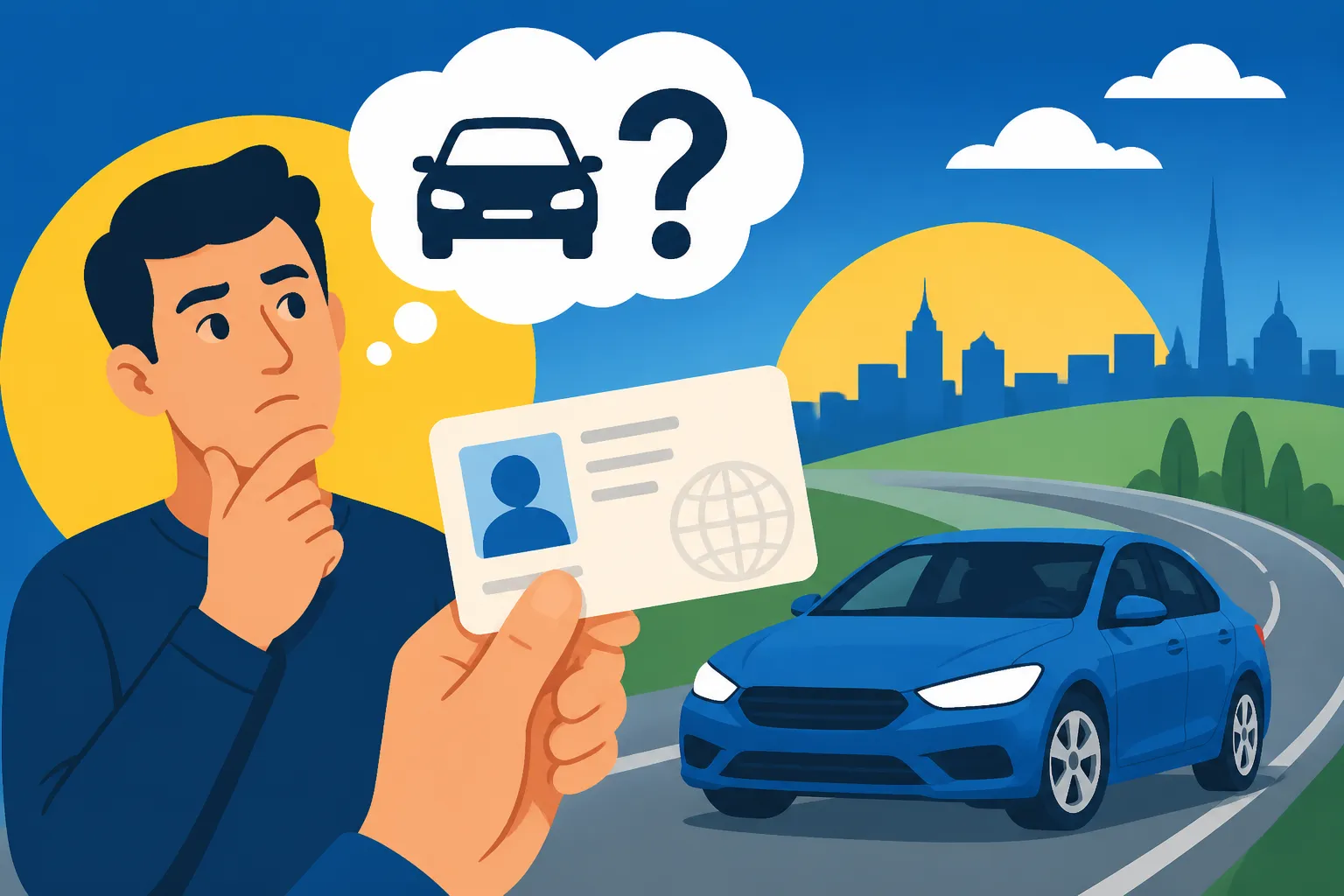
When you first touch down in Sweden, whether you’re here for a new job or to embrace the Nordic lifestyle, one of the first logistical hurdles that often pops up is, "Can I actually drive my car, or a rental, with my existing licence?" The good news is, for a certain period, yes, you absolutely can. The tricky part, as with many things in Sweden, lies in understanding the precise rules, the timelines, and when that initial grace period runs out and the bureaucratic wheels start turning for an exchange. This guide is here to walk you through exactly what you need to know about driving on your foreign licence, when you'll need to exchange it, and what to expect when you do.
The Initial Period: Driving on Your Home Country Licence
One of the first sighs of relief for many newcomers is learning that you don't immediately need to ditch your trusty foreign driving licence. Sweden understands that life doesn't stop just because you've moved countries. However, this initial period isn't a free-for-all, and the rules differ significantly based on where your licence was issued.
Who Can Drive Immediately and For How Long?
Let's break it down by where your licence comes from, because this is where the biggest differences lie.
If your driving licence was issued in an EU/EEA country, you're in luck. You can generally use your licence in Sweden for as long as it's valid, and even exchange it for a Swedish one whenever you feel like it, without needing to take a new driving test. This makes life considerably easier for those moving within Europe. You simply continue to drive as normal, provided your licence is still valid and not expired. The beauty of this system is the recognition of shared standards and regulations across the EU/EEA, which significantly streamlines the process for citizens moving between member states. This means that whether you're from Germany, France, or Ireland, your licence is largely treated as equivalent to a Swedish one for practical driving purposes.
For those whose driving licence was issued in a Non-EU/EEA country, the rules are a bit stricter, but still manageable for a start. You are typically allowed to drive in Sweden for one year from the date you registered in the Swedish Population Register (Folkbokföringen). This date is crucial because it marks the official start of your residency in Sweden, and thus, the countdown for your driving licence validity begins. During this initial year, your foreign licence is considered valid for driving, provided it meets certain criteria (which we'll get into next). It’s a vital period that allows you to settle in, find your feet, and understand the local driving conditions without the immediate pressure of an exchange. This one-year window is designed to give you enough time to manage all the other initial administrative tasks of moving to Sweden, like Getting Your Personnummer: The Gateway to Swedish Healthcare and sorting out your housing.
Conditions and Requirements During This Period
Even if you're covered by the grace period, there are some non-negotiable conditions your foreign licence must meet for it to be legally valid in Sweden.
Firstly, your licence must be valid. An expired licence from your home country is not valid in Sweden, regardless of your origin. This seems obvious, but it’s a detail often overlooked in the chaos of international moves. It's a good idea to check the expiry date of your current licence before you move or shortly after arriving to avoid any unpleasant surprises. If it's close to expiring, look into renewal options in your home country before the move, as renewing it from Sweden can be a logistical nightmare.
Secondly, if your licence is not written in English, German, French, Swedish, Norwegian, or Danish, it must be accompanied by an official translation. This translation needs to be done by an authorised translator, or you might also be able to use an International Driving Permit (IDP). An IDP is often the easiest route, as it’s recognised internationally and specifically designed for this purpose. However, remember that an IDP is only valid when presented alongside your original driving licence, not as a standalone document. This requirement ensures that Swedish law enforcement can easily understand the categories and conditions of your driving privileges.
Finally, you must be the holder of a valid residence permit in Sweden, or if you're an EU/EEA citizen, you must have a right of residence. Your driving privilege in Sweden is intrinsically linked to your legal status as a resident. If your residence permit expires or your right to reside in Sweden is no longer valid, then your driving privilege on a foreign licence will also cease. This intertwining of immigration and driving rules is typical of the meticulous Swedish administrative system, where everything needs to be in order.
Pitfalls to Avoid
Many newcomers run into issues, so here are some common pitfalls to watch out for.
One of the biggest traps is misunderstanding the one-year countdown for non-EU/EEA licences. Many people mistakenly think it starts from when they start driving or buy a car, but it absolutely starts from your registration date in the Swedish Population Register. If you get your personnummer on January 1st, 2024, your foreign licence is valid until January 1st, 2025. No exceptions. Mark that date in your calendar and set multiple reminders! Going beyond this date with an unexchanged non-EU/EEA licence means you're driving without a valid licence, which is a serious offence in Sweden, leading to heavy fines, potential criminal charges, and insurance complications.
Another common oversight is related to licence categories and restrictions. Your foreign licence might have specific conditions, like requiring corrective lenses or only allowing you to drive certain types of vehicles. These conditions transfer to your driving privileges in Sweden. Ensure you understand what your licence permits you to drive, and adhere to any restrictions. Swedish authorities expect you to know and follow these rules. For instance, if your licence is only for automatic cars, you cannot legally drive a manual transmission vehicle in Sweden.
Lastly, be mindful of changes in your residency status. If you move away from Sweden and then return, the one-year period might restart, but this can be complex and depends on how long you were away and your new registration details. It's always best to check directly with Transportstyrelsen (the Swedish Transport Agency) if your circumstances are unusual to avoid any legal ambiguities. Remember, the Swedish system values clarity and compliance above all else. During this initial phase, reliable internet access is your best friend for navigating maps, translating signs, or checking local rules. Having an eSIM from a provider like Airalo can be a real lifesaver for connectivity when you first arrive, making sure you can access essential information before you sort out a local SIM card.
Exchanging Your Foreign Licence for a Swedish One
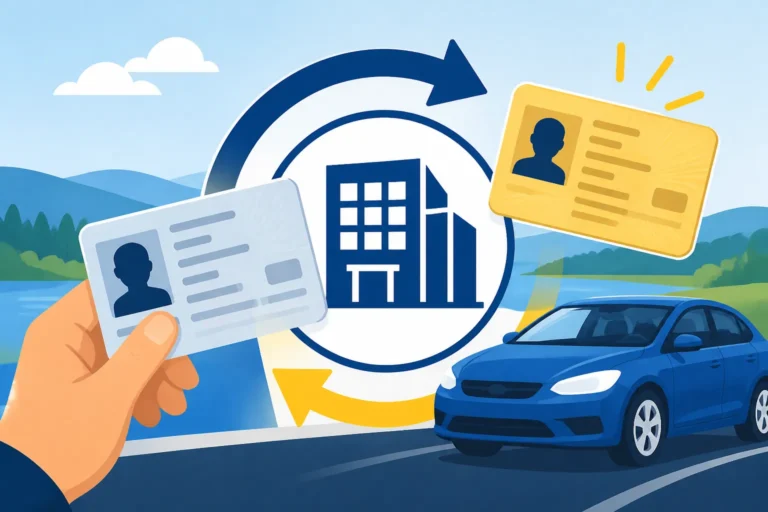
Eventually, for most, the time comes to swap that cherished foreign licence for a new Swedish one. This process can be straightforward or involve a complete re-do of your driving education, depending on your licence's origin.
When Exchange Is Mandatory
For Non-EU/EEA licence holders, exchanging your licence is absolutely mandatory after that one-year grace period from your folkbokföringsdatum. If you wish to continue driving legally in Sweden, you must apply for an exchange well before that year is up. Don't wait until the last minute, as processing times can vary, and you might find yourself unable to drive legally for a period. This deadline is strictly enforced, and there's no extension granted simply because you "forgot" or found the process complicated.
For EU/EEA licence holders, the situation is much more flexible. You are not required to exchange your licence for a Swedish one. You can continue driving on your EU/EEA licence as long as it's valid. However, many choose to exchange it for practical reasons, such as easier identification within Sweden (as a Swedish driving licence is an accepted form of ID) or simply to have all their official documents aligned with their country of residence. Some expats also find it simpler to have a Swedish licence for things like car rental or insurance purposes, as it can sometimes streamline administrative checks. You can find more specific details on this process in the guide Exchanging Your Driving Licence in Sweden.
The Exchange Process: Step-by-Step
Exchanging your licence involves dealing with Transportstyrelsen, the Swedish Transport Agency, and it's a multi-step process.
- Application Form: You'll need to fill out the "Application for exchange of foreign driving licence" (Ansökan om utbyte av utländskt körkort). This form is available on the Transportstyrelsen website or can be ordered.
- Medical Certificate (for certain licences): If your foreign licence is for heavy vehicles (like trucks or buses), or if you have specific medical conditions, you might need a medical certificate from a Swedish doctor. This is to ensure you meet Swedish health standards for driving.
- Eye Test: Everyone undergoing a licence exchange will need to undergo an eye test at an authorised optician in Sweden. The optician will send the results directly to Transportstyrelsen. This is a quick and simple procedure, usually costing a few hundred SEK.
- Licence Copy and Photo: You'll need to submit a copy of your foreign driving licence (both sides) and a recent passport-style photo. The photo should meet Swedish standards for official documents.
- Proof of Residency: Transportstyrelsen will verify your registration in the Swedish Population Register through your personnummer.
- Payment: There's an application fee for the exchange. Ensure you pay this, as your application won't be processed without it.
- Submission: Send all required documents to Transportstyrelsen. It's always a good idea to send important documents via registered mail (rekommenderat brev) for proof of delivery.
Once your application is approved, you will be issued a temporary driving permit while you await your physical Swedish driving licence card. This temporary permit allows you to drive immediately.
Countries with Reciprocal Agreements
This is a critical point that can save non-EU/EEA citizens a huge amount of hassle. Sweden has agreements with certain countries that allow for a straightforward exchange of your foreign driving licence without requiring you to take a new driving test. If your licence is from one of these countries, the process is much smoother.
Historically, this list has included countries like Japan, Switzerland, and some US states (though state-specific agreements can change). It is absolutely vital that you check the current list on the Transportstyrelsen website (www.transportstyrelsen.se) because it can and does change. Do not rely on outdated information from forums or older blogs. If your country is on this coveted list, you simply follow the exchange process outlined above, and upon approval, you'll get your Swedish licence. No theory test, no practical driving test. This is a significant advantage, as preparing for and passing the Swedish driving tests can be time-consuming and expensive. You can find the most up-to-date information by checking the specific criteria outlined in Which Foreign Licences Can Be Exchanged in Sweden?.
What Happens If Your Country Doesn't Have an Agreement
If your non-EU/EEA licence is not from one of the countries with a reciprocal agreement, prepare yourself for the full Swedish driving test experience. This means that after your one-year grace period, you will need to:
- Obtain a Learner's Permit (Körkortstillstånd): This requires an eye test and a health declaration.
- Study the Theory: The Swedish driving theory is extensive and covers everything from road signs and traffic laws to environmental considerations and safe driving practices. You'll need to pass a comprehensive written test (kunskapsprov). There are resources available in English, but the nuances can still be challenging.
- Take Driving Lessons: While not legally mandatory, it's highly recommended to take lessons with a certified Swedish driving instructor (körskola). They will teach you the specific techniques and expectations of the Swedish practical driving test (körprov). Swedish driving culture, particularly around roundabouts, yielding, and parking, can differ significantly from other countries.
- Pass the Practical Driving Test: This is a rigorous test conducted by a Trafikverket (Swedish Transport Administration) examiner, designed to assess your ability to drive safely and independently in various traffic situations.
This entire process can take many months, or even over a year, depending on your prior experience, dedication, and the availability of test slots. It's also an expensive undertaking, with costs for lessons, theory materials, and test fees quickly adding up. This is a situation where many expats regret not sorting out their licence earlier or wish their country had a reciprocal agreement!
Beyond the Licence: Important Driving Considerations in Sweden
Getting your licence sorted is just one piece of the puzzle. Driving in Sweden involves adapting to its unique climate, road rules, and vehicle ownership practicalities.
Winter Driving Essentials
Ah, Swedish winter driving. It's not just a season; it's a state of being. And it's probably the single biggest adjustment for anyone driving from a warmer climate.
The most critical aspect is tyres. From December 1st to March 31st (and potentially longer depending on conditions), you are legally required to use winter tyres if winter conditions prevail (ice, snow, slush, or frost on any part of the road). These can be studded (dubbdäck) or non-studded (friktionsdäck). Studded tyres offer superior grip on ice, but are restricted to specific periods and can cause more road wear. Non-studded tyres are generally fine for snow and cold, wet conditions. Many choose them for city driving. Failing to use appropriate winter tyres when required can lead to fines and, more importantly, put your safety and the safety of others at risk. Check the specific rules and dates in Winter Driving in Sweden: Studded Tyres and the Rules.
Beyond tyres, driving technique changes dramatically. Roads can be incredibly slippery. You'll need to adjust your speed, increase your following distance, and be much smoother with braking and acceleration. Black ice is a constant danger. Driving in the dark, often for many hours in winter, also requires extreme vigilance due to reduced visibility and the risk of encountering wildlife like moose or deer. Consider investing in a good set of high-beam headlights if your car doesn't have them. Prepare your car with essentials like a shovel, warm blankets, jump leads, and extra screen wash, as winter conditions can be unpredictable, especially outside major urban areas.
Road Rules and Regulations
Swedish road rules might seem familiar on the surface, but there are nuances.
- Speed Limits: These are strictly enforced and vary widely. Pay attention to signs. Speed cameras are common and generally well-marked, but fines are hefty.
- Headlights: It is mandatory to drive with headlights on, day or night, all year round. Even if your car has daytime running lights, ensure your actual dipped headlights are on.
- Alcohol Limits: Sweden has a very low blood alcohol content (BAC) limit (0.02%). Even a small drink can put you over the limit. The general advice is simple: if you're driving, don't drink. Period. Penalties are severe.
- Child Seats: Strict laws apply to child safety seats. Children shorter than 135 cm must use a child restraint system appropriate for their weight and height.
- Pedestrians and Cyclists: Sweden is very pedestrian and cyclist-friendly. Always be alert for them, especially in urban areas and at intersections. Yielding to them often takes precedence.
- Roundabouts: Swedes are masters of the roundabout. Understand the right-of-way rules thoroughly. Generally, those already in the roundabout have priority, but entry rules vary slightly based on signage.
- General Etiquette: Drivers are generally calm and courteous. Aggressive driving is rare and frowned upon. Patience is a virtue on Swedish roads, especially in winter or heavy traffic.
Car Ownership, Insurance, and Registration
If you plan to own a car, there's another layer of Swedish administration to navigate.
- Buying a Car: You can buy both new and used cars. Used cars are commonly found through online marketplaces or dealerships. Ensure you get proper paperwork (registreringsbevis) when you purchase.
- Registration: Once you buy a car, it needs to be registered in your name with Transportstyrelsen. This is often handled electronically by the seller, but you need to ensure it's done correctly. This requires your personnummer.
- Insurance (Bilförsäkring): Car insurance is mandatory in Sweden. At a minimum, you must have traffic insurance (trafikförsäkring), which covers damage to other vehicles, property, and personal injuries. You can opt for half-comprehensive (halvförsäkring) or full-comprehensive (helförsäkring) for broader coverage of your own vehicle. Premiums can vary based on your age, driving record, car model, and where you live. Many expats often overlook the nuances of home insurance as well; don't forget that you'll need Home Insurance Hemförsäkring Why It's Essential in Sweden for your apartment or house.
- Annual Vehicle Tax (Fordonsskatt): There's an annual road tax, the amount of which depends on your car's emissions and type. You'll receive a bill from Transportstyrelsen.
- Inspection (Besiktning): Cars need to undergo regular technical inspections (bilbesiktning) to ensure they meet safety and environmental standards. The interval depends on the age of the car. You'll receive a notification when your car is due for inspection.
Bringing your own car from abroad can be a bureaucratic odyssey, involving customs, VAT, and technical inspections to meet Swedish standards. Many expats find it easier to sell their old car and buy one in Sweden.
Practical Tips and Personal Anecdotes
Having lived through the expat experience here, I can tell you that a little foresight and patience go a long way.
Navigating the Bureaucracy
Sweden is a digital country, and many administrative tasks, including those related to Transportstyrelsen, can be handled online or through digital portals. However, this often requires a Getting BankID Sweden's Essential Digital Identity, which in turn requires a personnummer and a Swedish bank account. This creates a bit of a chicken-and-egg situation for newcomers.
My advice? Tackle your personnummer as soon as humanly possible after you arrive and register your address with Skatteverket (Registering Your Move (Flyttanmälan) with Skatteverket). This unlocks so much. Without it, you're stuck in a slower, paper-based world, which is simply not how Sweden operates efficiently. Be patient, gather all documents, and double-check requirements on official websites. When you call authorities, be prepared for long wait times, but also for generally helpful and English-speaking staff.
Driving as a Newcomer
Driving in a new country isn't just about road rules; it's about understanding the driving culture. Swedes are generally calm and predictable drivers, which is a blessing. Don't expect aggressive lane changes or honking. Give way generously, use your indicators, and maintain a safe distance.
Cities like Stockholm, Gothenburg, and Malmö have excellent public transport systems (Public Transport in Sweden: SL, Regional Cards, and Apps), making car ownership less of a necessity in central areas. In fact, parking can be expensive and difficult to find. However, if you live in a more rural area, plan weekend trips to the countryside, or have a family, a car becomes almost essential. Many expats initially find temporary housing through services like Spotahome, often in areas where public transport might not be as robust, making the question of driving, or at least understanding the rules, quite pertinent from day one.
Alternative Transport and When Driving Is Best
Before you commit to the full hassle and expense of car ownership or a licence exchange, consider whether you truly need a car.
Public Transport: Sweden boasts an extensive and efficient public transport network of trains, buses, trams, and ferries. Especially in major cities, you can get almost anywhere without a car. For intercity travel, SJ trains are excellent. Factor in the cost of tickets, but also the time saved not looking for parking or dealing with winter conditions.
Cycling: In many Swedish cities, cycling is a way of life, with dedicated lanes and a culture that respects cyclists. If you live close to work or amenities, a bicycle can be a fantastic, eco-friendly, and healthy alternative.
Car Sharing/Rental: For occasional needs, car-sharing services (like Sunfleet, although it's now operated by Hertz 24/7 in some areas, or smaller local initiatives) or traditional rental companies are available. This can be a good interim solution for those still deciding on car ownership or waiting for their licence exchange.
Ultimately, driving in Sweden on a foreign licence is feasible for a specific period, but it's crucial to understand the rules and plan for the eventual exchange. Be proactive, be patient, and embrace the local way of doing things. You'll get there!
Disclaimer
The information provided in this guide is intended for general informational purposes only and does not constitute legal advice. While we strive to keep the information accurate and up-to-date, rules and regulations regarding driving licences, immigration, and transport in Sweden are subject to change by relevant authorities such as Transportstyrelsen and Migrationsverket. It is imperative that you consult official government websites, such as those of Transportstyrelsen and Skatteverket, or seek professional legal advice tailored to your specific situation before making any decisions or taking any action. We cannot be held responsible for any errors or omissions, or for any actions taken based on the information presented herein.