Setting Up Electricity (El-avtal) in Your Swedish Home
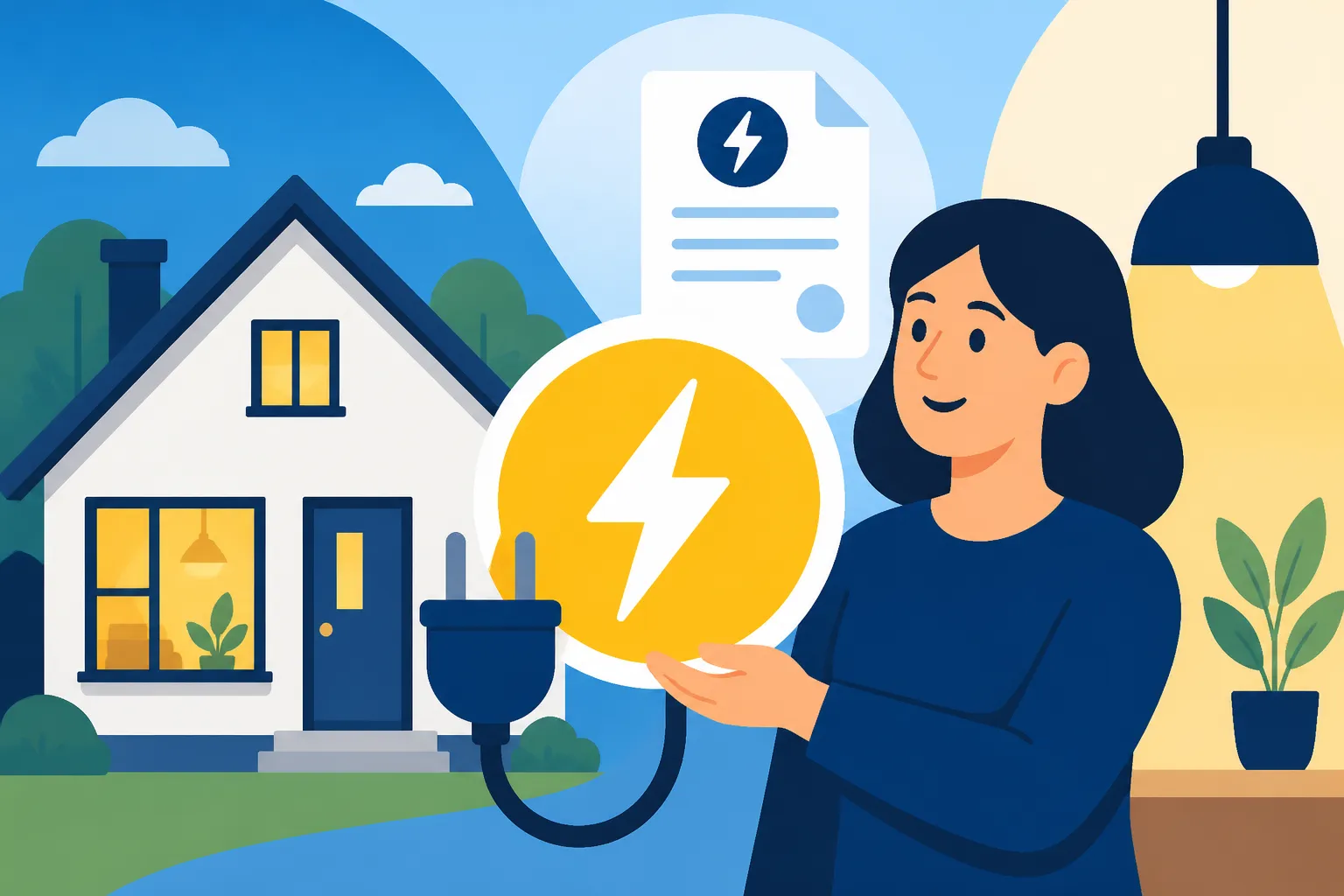
Moving to Sweden often feels like you've conquered half the world just by getting here, only to discover that setting up the basic comforts of home, like keeping the lights on, can feel like another bureaucratic beast entirely. Trust me, I’ve been there – standing in a dimly lit apartment, wondering why my newly signed lease didn't automatically include the magic of electricity. This guide is going to walk you through the surprisingly nuanced world of Swedish electricity contracts, known as el-avtal, so you can switch on your new life with confidence, avoiding those early expat "why isn't this working?!" moments.
The Swedish Electricity Maze for Newcomers
When you first arrive, getting settled is a whirlwind. You’re trying to figure out how to get your Personnummer, where to register your move, and then suddenly you're faced with what feels like a double-layered electricity system. It’s not just one contract you need to worry about, but often two, and understanding this distinction is absolutely key. Many expats, myself included, have stumbled through this in the early days, sometimes ending up on default contracts or simply left in the dark for a little while. The good news is, once you understand the system, it's actually quite logical and gives you more control than you might expect.
The initial confusion often stems from the fact that in many countries, electricity is a single, bundled service. You sign up with one company, and they handle everything. Sweden, however, separates the physical delivery of electricity to your home from the actual supply of the electricity itself. This means you’ll typically interact with two different entities, often leading to two separate bills. It's an important detail that can catch newcomers off guard, but we'll break it down so it makes perfect sense.
Understanding Sweden's Unique Electricity System
The Swedish electricity market operates on a principle of separation: the grid that physically delivers electricity to your home is managed by one company, while the actual electricity you consume is bought from a supplier of your choice. This two-part system is fundamental to how things work here, and once you grasp it, the rest becomes much clearer.
The Two-Part Billing Mystery: Elnätsavtal and Elhandelsavtal
Imagine electricity as water. There’s the network of pipes that brings the water to your house, and then there's the actual water itself that flows through those pipes. In Sweden, the 'pipes' are the elnätsavtal (grid contract), and the 'water' is the elhandelsavtal (electricity supply contract).
- Elnätsavtal (Grid Contract): This contract is with your local grid owner (the elnätsbolag). This company is responsible for maintaining the power lines, substations, and all the infrastructure that ensures electricity reaches your door. Think of it as the landlord of the electricity network in your specific area. You cannot choose your elnätsbolag; it's determined by your geographical location. They have a monopoly over the physical distribution in their region. The costs associated with this contract cover the operation and maintenance of the grid, as well as a portion of the electricity tax.
- Elhandelsavtal (Electricity Supply Contract): This is the contract for the actual electricity you consume. This is where you have a choice! You can pick from a wide array of electricity suppliers (elhandelsbolag) who compete to offer you the best rates and terms. These companies purchase electricity on the Nordic electricity market (Nord Pool) and then sell it to you. The costs here reflect the price of the electricity itself, plus the supplier's margin and any additional services they might offer.
The distinction is crucial because it means you'll typically receive two separate invoices: one from your local grid company for the network charges and one from your chosen supplier for the electricity consumed. This is why many foreigners scratch their heads and ask, "Why Did I Get Two Separate Electricity Bills in Sweden?"
The Elnätsavtal: Your Grid Connection (and why you can't choose it)
Your grid contract, or elnätsavtal, is a fixed deal based on where you live. When you move into an apartment or house, you automatically become connected to the local electricity grid. The grid company for your area is a monopoly, meaning you don't get to choose who provides this service. It's usually a large, established entity like Vattenfall, E.ON, Ellevio, or Göteborg Energi, depending on your municipality.
The moment you register your new address through your Registering Your Move (Flyttanmälan) with Skatteverket, the grid company is typically informed. However, don't just assume this happens seamlessly. It's always best practice to contact the grid company directly as soon as you know your move-in date to ensure they register you as the account holder. If you don't, the previous tenant might still be charged, or worse, you could end up on a default, usually more expensive, contract with their default supplier. Grid charges often vary a bit by region and the size of your main fuse (which dictates your maximum power draw), but these are fixed costs you'll pay regardless of which electricity supplier you choose.
The Elhandelsavtal: Choosing Your Electricity Supplier (and why it matters)
Now, this is where you can be proactive and save some money! The elhandelsavtal is your opportunity to shop around. There are dozens of electricity suppliers in Sweden, all competing for your business. This competition is great for consumers, as it allows you to find a deal that best suits your consumption habits and values (e.g., choosing green electricity).
When choosing an electricity supplier, you'll want to consider several factors:
- Price: Naturally, this is often the biggest deciding factor.
- Contract type: Fixed, variable, or hourly? We'll dive into these shortly.
- Environmental profile: Many suppliers offer 100% renewable electricity.
- Customer service: Especially important for expats who might prefer English support or clear communication.
- Extra services: Some offer smart home integration, apps for tracking usage, or loyalty programs.
The key takeaway here is: don't just accept the first elhandelsavtal you're offered or, worse, just let the previous tenant's supplier become your default. Take the time to compare and choose one that aligns with your needs.
Step-by-Step: How to Get Your Lights On
Getting your electricity sorted in Sweden involves a couple of key actions. It might feel like a lot to juggle, especially when you're also focused on Getting Your Personnummer: The Gateway to Swedish Healthcare and Opening a Bank Account in Sweden: A Step-by-Step Guide, but tackling it early will save you headaches.
When and How to Sign Up for a Grid Contract Elnätsavtal
As mentioned, your grid contract is location-dependent. You can't choose your elnätsbolag. The primary thing you need to do is ensure they know you are the new resident responsible for the connection from your move-in date.
- Identify your Grid Company: This information is usually provided in your rental contract, or you can find it by entering your address on websites like ellevio.se or eon.se, which often have tools to tell you your local grid owner.
- Contact Them Immediately: As soon as you have your move-in date, contact the grid company. Many have online forms, or you can call their customer service. You'll need:
- Your new address (the exact apartment number is crucial for multi-unit buildings).
- Your move-in date.
- Your Personnummer (if you have it). If not, some will accept a temporary samordningsnummer or even your birth date if you explain you're a new arrival. This is one of those instances where What Is a Samordningsnummer and Can I Get Care With One? becomes highly relevant, bridging the gap before your Personnummer arrives.
- Your contact details (phone, email).
- Confirm Activation: Ask for confirmation that your elnätsavtal is registered in your name from your move-in date. This ensures you're properly billed and takes the responsibility off the previous tenant.
If you are moving into a newly built property, the process might be handled directly by the developer or landlord for the initial connection, but you'll still need to register as the account holder.
Choosing Your Electricity Supplier Elhandelsavtal: Factors to Consider
This is the fun part – where you get to pick your power provider! Don't let the choice overwhelm you; it's generally straightforward.
- Start Early: Ideally, you should aim to sign an elhandelsavtal a couple of weeks before your move-in date. This gives the supplier time to process your application and ensure a smooth transition.
- Use Comparison Sites: Websites like Elskling.se and Compricer.se are invaluable tools. They allow you to enter your address, estimated annual consumption (if you have it, otherwise use a typical value for your apartment size), and preferred contract type, then compare offers from various suppliers like Vattenfall, E.ON, Fortum, GodEl, and Tibber.
- Consider Your Consumption Habits:
- Small apartment/low usage: A fixed-price contract might offer peace of mind.
- Larger home/variable usage: A variable price or hourly price (if you can shift usage) might be more cost-effective.
- Environmental focus: Many suppliers, like GodEl, specifically offer green electricity from renewable sources.
- Read the Fine Print: Pay attention to the contract duration, notice periods, and any hidden fees. Some introductory offers might look great but then jump significantly after a few months.
- Sign the Contract: Once you've chosen a supplier, you'll typically sign the contract online using your BankID and Digital Payments: How Money Moves in Cashless Sweden or sometimes via email/post. They will then coordinate with your grid company to switch your supply over.
It's a common rookie mistake to only sort out the elnätsavtal and forget the elhandelsavtal. If you don't choose an elhandelsbolag, your grid company will assign you a "deemed contract" (anvisningsavtal) with a default supplier, which is almost always more expensive than actively choosing one yourself.
The Information You'll Need: Personnummer, Address, and More
To streamline the process, have the following information ready:
- Your Full Address: Including apartment number (if applicable) and postal code.
- Move-in Date: The exact date your rental contract starts.
- Personnummer or Samordningsnummer: Most companies require a Swedish identification number. If you're fresh off the plane and still waiting for your Getting Your Personnummer: The Gateway to Swedish Healthcare, explain your situation. Some providers may accept your date of birth, passport number, or How Do I Get a Swedish ID Card? in the interim, but a Personnummer makes it much smoother.
- Contact Details: Swedish phone number and email address.
- Bank Details: For setting up payments, usually direct debit (autogiro). This ties into How Do I Set Up Autogiro for My Bills in Sweden?.
Navigating Electricity Providers and Contract Types
The Swedish electricity market is quite mature, offering a range of choices from large established players to smaller, more specialized providers. Understanding the different contract types is crucial for making an informed decision that suits your lifestyle and budget.
Major Players in the Swedish Electricity Market
You'll quickly become familiar with some of the big names that dominate the Swedish energy landscape. These companies often operate both as grid owners in certain regions and as electricity suppliers nationwide.
- Vattenfall: A state-owned energy company, one of Europe's largest electricity producers and suppliers, offering various contract types and often focusing on sustainable solutions.
- E.ON: A major German energy company with a significant presence in Sweden, providing electricity, gas, and energy solutions. They also manage a large grid network.
- Fortum: A Finnish state-owned energy company, also a prominent player in the Nordic market, known for its diverse energy production and competitive offers.
- Ellevio: Primarily a grid company, they focus on the distribution network in central Sweden, but their associated suppliers might offer electricity contracts.
- Göteborg Energi: The municipal energy company for Gothenburg, offering both grid services within its area and electricity supply nationally, often with a focus on local renewable energy.
- GodEl: A popular choice for those prioritizing ethical and sustainable electricity. GodEl donates all its profits to charity, and all its electricity comes from renewable sources. They are often highlighted for transparency and customer satisfaction.
- Tibber: A more modern, tech-focused electricity supplier that charges a low monthly fee and then buys electricity at the hourly spot price. They are great if you have smart home devices and can shift your electricity consumption to cheaper hours. They are often seen as innovators in the market.
While the big players offer reliability, smaller, niche suppliers might offer more competitive rates or specialized services, so it's always worth using those comparison sites to see who comes out on top for your specific needs.
Fixed Price (Fast pris) vs. Variable Price (Rörligt pris) vs. Hourly Price (Timpris)
This is perhaps the most important decision when signing your elhandelsavtal. Each contract type has its pros and cons, largely dependent on your risk tolerance and consumption patterns.
-
Fast pris (Fixed Price):
- How it works: You pay a set price per kilowatt-hour (kWh) for the duration of your contract, usually 12, 24, or 36 months.
- Pros: Predictability. You know exactly what your electricity price will be, making Budgeting for the Real Cost of Living in Sweden much easier. You're protected if market prices spike.
- Cons: You won't benefit if market prices drop significantly. The fixed price often includes a premium for this stability. You're locked in for the contract period.
- Who it's for: Those who value budget stability and want peace of mind, especially during periods of high price volatility. Newcomers often prefer this for the initial period.
-
Rörligt pris (Variable Price / Spot Price):
- How it works: Your price per kWh follows the average monthly spot price on the Nord Pool electricity market, plus a small margin from your supplier.
- Pros: You benefit directly when electricity prices are low. Historically, variable prices have often been cheaper in the long run than fixed prices, but this isn't guaranteed.
- Cons: Unpredictability. Your bill can fluctuate significantly from month to month, especially during cold winters or periods of high demand, making budgeting harder.
- Who it's for: Those comfortable with price fluctuations and willing to take a bit of a risk for potential savings.
-
Timpris (Hourly Price):
- How it works: This is an advanced version of the variable price where your price per kWh is set hourly based on the Nord Pool spot price.
- Pros: Offers the greatest potential for savings if you can actively shift your electricity consumption to off-peak hours (e.g., running your washing machine or charging an EV late at night when prices are lower).
- Cons: Requires active management of your electricity usage and careful monitoring of hourly prices. If you don't adjust your habits, it can be more expensive than a regular variable contract if you consume heavily during peak, expensive hours.
- Who it's for: Tech-savvy individuals with smart home devices (like smart thermostats or EV chargers) or those with the flexibility to schedule their high-consumption activities to specific, cheaper hours. Companies like Tibber specialize in this.
Many people start with a fixed-price contract for their first year to get a feel for their consumption and then re-evaluate. You can usually switch between contract types or suppliers with a certain notice period, usually 1-3 months for fixed contracts, or often monthly for variable ones.
Eco-Friendly Options: Green Electricity and Certifications
Sweden is very conscious of its environmental footprint, and this extends to electricity. Many suppliers offer "green electricity" sourced entirely from renewable resources such as hydro, wind, or solar power.
- Certification: Look for certifications like "Bra Miljöval" (Good Environmental Choice) from the Swedish Society for Nature Conservation. This label ensures that the electricity not only comes from renewable sources but also meets strict environmental criteria, such as promoting biodiversity and minimizing ecological impact.
- Supplier's Profile: Some suppliers, like GodEl, are built entirely around sustainable and ethical principles, making it easy to choose green energy by default.
Opting for green electricity often doesn't cost significantly more, and it's a great way to contribute to Sweden's sustainability goals while powering your home.
Common Pitfalls and How to Avoid Them
Even with a good understanding, moving in Sweden presents unique challenges. Being aware of potential pitfalls can save you money and stress.
Moving In Without a Contract: The Deemed Contract Trap
This is perhaps the most common and costly mistake newcomers make. If you move into an apartment or house and don't actively sign an elhandelsavtal with an electricity supplier, you won't be left in the dark for long. Your local grid company is obligated to ensure you have electricity, so they will automatically assign you to a default supplier for an "anvisningsavtal" (deemed contract).
- The Trap: While convenient in the short term, these deemed contracts are almost always significantly more expensive than contracts you can choose yourself. They are designed as a temporary solution, not a competitive offer.
- How to Avoid: As soon as you know your move-in date, even before you've unpacked your bags, start comparing and signing an elhandelsavtal. Aim to have it in place before you move in. If you find yourself on a deemed contract, don't panic, but switch to a chosen supplier as quickly as possible. Most suppliers will handle the termination of the old (deemed) contract for you.
Understanding Hidden Fees and Price Comparisons
When comparing electricity suppliers, it's easy to get caught up in the per-kWh price, but there are other factors that can influence your final bill.
- Fixed Monthly Fees (Månadsavgift): Many suppliers charge a small fixed monthly fee in addition to the variable cost per kWh. Factor this into your overall cost calculation, especially if your consumption is very low.
- Billing Fees (Fakturaavgift): Some suppliers charge a fee for paper invoices. Opting for e-invoices (e-faktura) or digital invoices directly to your BankID and Digital Payments: How Money Moves in Cashless Sweden app or bank can often waive this fee.
- Start-up Fees: Less common, but some might have a one-time fee for setting up a new account.
- Comparison Tools are Your Friend: Websites like Elskling.se and Compricer.se are excellent because they usually factor in all these components to give you a true estimated monthly or annual cost. Make sure you input your actual or estimated annual consumption for an accurate comparison. A common example I hear from people is that they forgot to include this and were surprised by the actual figures.
Switching Providers: Your Rights and the Process
The Swedish electricity market is designed to allow consumers to switch providers easily. This competition keeps suppliers on their toes.
- Right to Switch: You generally have the right to switch electricity suppliers. For variable contracts, the notice period is typically one month. For fixed-price contracts, you are usually bound for the contract duration (e.g., 12 or 24 months), but check your specific terms.
- Seamless Transition: When you switch to a new supplier, they handle almost all the paperwork. They will contact your old supplier and your grid company to ensure a smooth transition, so you won't experience any interruption in service.
- Exit Fees: Be aware that breaking a fixed-term contract early might incur an early termination fee, so always check your contract terms if you're considering switching before your fixed period is up.
Managing Your Electricity Usage and Bills
Once you’ve successfully set up your el-avtal, the next step is understanding your bills and, importantly, how to manage your consumption to keep costs down. Sweden can be expensive, and understanding Budgeting for the Real Cost of Living in Sweden includes keeping an eye on your utilities.
Decoding Your Electricity Bill Elräkning
As mentioned earlier, you'll likely receive two bills: one from your elnätsbolag (grid company) and one from your elhandelsbolag (electricity supplier).
Typical items on your Elnätsavtal bill (grid company):
- Fasta avgifter (Fixed fees): A base charge that covers the availability of the network, regardless of how much electricity you use.
- Överföringsavgifter (Transmission fees): Charges based on your consumption (öre/kWh) for the cost of physically transporting the electricity through the grid.
- Energiskatt (Electricity tax): A government tax on electricity consumption, collected by the grid company.
- Moms (VAT): Standard Swedish VAT (currently 25%) on all charges.
Typical items on your Elhandelsavtal bill (electricity supplier):
- Elpris (Electricity price): The main charge for the electricity you've consumed, calculated based on your contract type (fixed, variable, hourly) and your usage (öre/kWh).
- Påslag (Markup/Margin): The supplier's profit margin on top of the wholesale electricity price.
- Fast avgift (Fixed monthly fee): Some suppliers charge a small monthly fee, distinct from the grid company's fixed fee.
- Moms (VAT): 25% VAT on the electricity price and any supplier fees.
It's common for expats to be initially confused about these two separate bills, and if you're not careful, it's easy to overlook one or think you're being double-charged. Rest assured, this is just how the system works.
Tips for Energy Saving in a Swedish Home
Swedish winters are long and can make How Do I Heat My Swedish Apartment Efficiently? a costly affair if you're not mindful. Electricity bills can skyrocket, especially if you have electric heating. Here are some tips:
- Lower the Thermostat: Even reducing your indoor temperature by one degree Celsius can make a noticeable difference in heating costs. Aim for around 20-22°C during the day.
- Seal Drafts: Check windows and doors for drafts and consider using weather stripping.
- Use Timers and Smart Plugs: For appliances, lights, or even supplementary heating, timers can ensure they're only on when needed. This is where a
Timpriscontract can really shine if paired with smart home tech. - Optimize Laundry: Run full loads of laundry and use lower temperatures (e.g., 30°C or 40°C instead of 60°C). Air dry clothes when possible, as tumble dryers are energy hogs.
- Unplug "Vampire" Electronics: Devices in standby mode still draw power. Unplug chargers and appliances when not in use.
- LED Lighting: Switch to LED bulbs, which consume far less energy and last much longer than traditional incandescent or halogen bulbs.
- Monitor Your Usage: Many electricity suppliers offer apps or online portals where you can track your daily or hourly consumption. Using these tools to understand when you use the most electricity can help you identify areas for saving.
Digital Tools and Apps for Monitoring Consumption
The digital infrastructure in Sweden is fantastic, and this extends to electricity management. Most major electricity suppliers offer robust online platforms and mobile apps that integrate with your BankID and Digital Payments: How Money Moves in Cashless Sweden.
These tools allow you to:
- View real-time or near real-time consumption data.
- Access historical usage graphs.
- See current spot prices (if you have a variable or hourly contract).
- Manage your invoices and payment methods.
- Receive tips and insights on how to reduce your energy footprint.
Taking advantage of these digital offerings can turn energy management from a chore into an empowering way to control your costs and contribute to a more sustainable lifestyle. Embrace the tech; it's there to help you!
Disclaimer
Please note that while this guide provides comprehensive information based on current regulations and common practices in Sweden, electricity market conditions, pricing, and specific terms can change. Always refer to the official websites of electricity providers and regulatory bodies for the most up-to-date and personalized information. This content is for informational purposes only and does not constitute professional advice.