Settling In: Registration, ID Cards, and Everyday Admin in Sweden
Arriving in Sweden, you're not just stepping into a new country; you're often stepping into a labyrinth of bureaucracy and paperwork. It can feel like every single thing you try to do, from buying groceries with a card to opening a bank account, requires a mystical key. This comprehensive guide will illuminate the path through the initial administrative jungle, helping you demystify registration, acquire essential ID cards, and navigate the everyday tasks that make life in Sweden feel truly settled.
Understanding the Foundation: Personnummer and Folkbokföring
The very first hurdle, the one that can make or break your initial weeks or even months in Sweden, is understanding the concept of your personal identity number and your place in the population register. Without these, you're essentially a ghost in the system, and Sweden is not a country that likes ghosts.
The All-Important Personnummer: What It Is and Why You Need It
Oh, the fabled personnummer. If you’ve been in Sweden for even five minutes, you’ve probably heard this word whispered with reverence or exasperation. It's not just a number; it's your key to pretty much everything that makes life function here. Think of it as a unique ten-digit identification number – your date of birth (YYMMDD) followed by four additional digits. This number is issued by Skatteverket, the Swedish Tax Agency, and it's absolutely fundamental.
Without a personnummer, you can't officially exist in the Swedish system. You won't be able to easily open a bank account, get a BankID, sign up for most mobile phone contracts, access public healthcare at subsidized rates, receive social benefits, or even join loyalty programs at grocery stores. It’s not just a convenience; it’s a prerequisite for integrating into society. Many expats have tales of frustration, trying to explain why they don't have this number yet, only to be met with blank stares or polite refusals from various institutions. It feels like a Catch-22: you need the number to get services, but you need services (like a job or a long-term plan) to get the number.
The process of getting your personnummer starts with proving your identity and your intention to reside in Sweden for at least one year. This means showing a valid passport or national ID card, demonstrating your right to reside (e.g., a residence permit for non-EU citizens, or proof of employment/study for EU citizens), and providing proof of your address. For non-EU citizens, the crucial first step is typically securing a residence permit that is valid for at least 12 months. Without that, Skatteverket simply won't process your application for a personnummer. If you're wondering about the specifics, our guide on Getting Your Personnummer: The Gateway to Swedish Healthcare offers a deep dive into the requirements and application process.
Folkbokföring: Registering Your Move with Skatteverket
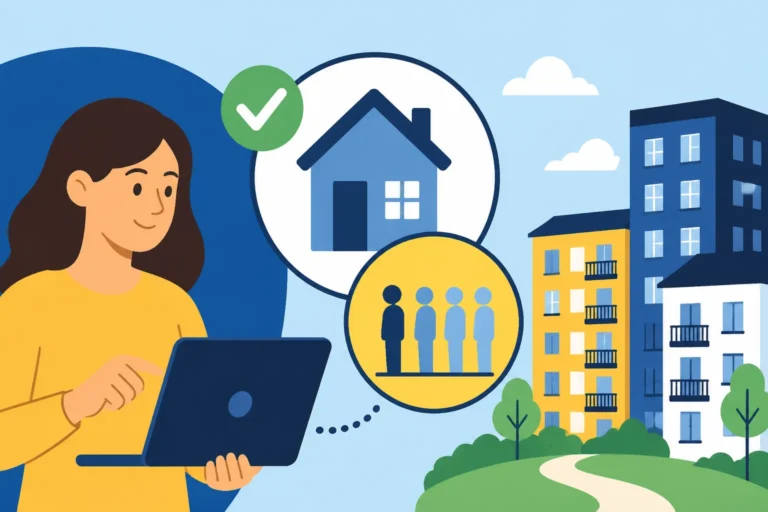
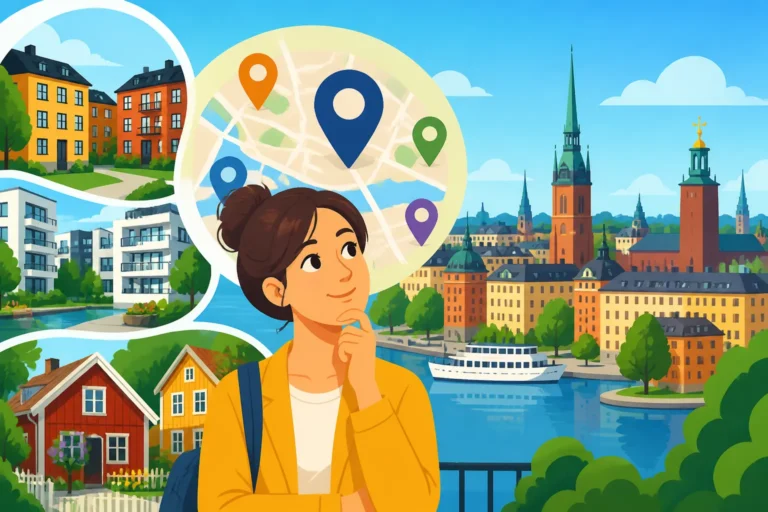
Once you've secured your personnummer, or in conjunction with applying for it, you'll be involved in what's known as "folkbokföring," which means being registered in the Swedish Population Register. This isn't just a mailing address change; it's the official record of your residency in Sweden. Your folkbokföringsadress is where you are officially deemed to be living, and it dictates which municipality (kommun) you belong to. This, in turn, affects things like your local taxes, where your children go to school, and which primary healthcare centre (vårdcentral) you're assigned to.
Skatteverket handles this registration, and it's a critical step that often goes hand-in-hand with your personnummer application. When you move to Sweden, you are legally required to report your move to Skatteverket. This is called a "flyttanmälan." Even if you move within Sweden, from one apartment to another, you must notify them. It's not something to put off, as delays can impact your access to various services. For example, if you're not correctly registered at your address, important mail might not reach you, or you might find yourself in a bureaucratic limbo when trying to apply for benefits or services tied to your local kommune.
Imagine you've just landed and found a second-hand rental apartment. You need to ensure your landlord can provide you with a written contract or a confirmation of your address that Skatteverket will accept. Sometimes, particularly with informal sublets, this can be a challenge. Skatteverket needs concrete proof that you genuinely live where you say you do, often requiring signed agreements or confirmation from the property owner. It's a system built on trust and verifiable information, which can sometimes feel rigid, but it's designed to ensure everyone is accounted for. For more details on this process, check out our guide on Registering Your Move (Flyttanmälan) with Skatteverket.
The Elusive Samordningsnummer: When It's Your Only Option
For those who don't meet the requirements for a personnummer – typically because they intend to stay for less than a year, or their residence permit is for a shorter duration, or perhaps they're seasonal workers – there's another identity number: the samordningsnummer, or coordination number. It functions as a temporary identifier, allowing you to interact with some public agencies and get paid for work, but it doesn't grant the same level of integration as a personnummer.
While a samordningsnummer allows you to pay taxes and receive a salary, it doesn't give you automatic access to the full public healthcare system (you might pay higher fees), nor does it allow you to get a Swedish ID card or BankID directly. This can be a significant source of frustration, as many private services – like opening a standard bank account – still demand a personnummer. You might find yourself in a situation where you have a job and are paying taxes, but still can't get a basic Swedish bank account without significant hurdles. For example, some banks might offer limited accounts to those with only a samordningsnummer, but these are often bare-bones and lack digital features like BankID.
The application for a samordningsnummer is also handled by Skatteverket, but it's often initiated by an agency or employer who needs to report information about you (like your salary) to the Swedish authorities. For instance, if you're working on a short-term contract, your employer might apply for one on your behalf so they can properly report your income and taxes. While it's a lifesaver for those who can't get a personnummer, it truly underscores the two-tiered system for newcomers. It's a stepping stone, but it's not the full integration ticket. If this sounds like your situation, our detailed post, The Coordination Number (Samordningsnummer) Explained, will be incredibly helpful.
Here's a quick comparison to help you understand the two:
| Feature | Personnummer | Samordningsnummer |
|---|---|---|
| Purpose | Full integration into Swedish society | Temporary identification for official interactions |
| Eligibility | Intent to reside > 1 year; valid residence basis | Intent to reside < 1 year or other specific reasons |
| Issued by | Skatteverket | Skatteverket |
| Key Benefits | Swedish ID card, BankID, public healthcare, social benefits, easy banking, school enrollment, driving license exchange | Tax reporting, receive salary, limited public services |
| Limitations | None (if eligible) | No direct Swedish ID card, no BankID, limited public healthcare access, harder to open full-feature bank accounts, no automatic social benefits |
| Duration | Permanent, tied to residency | Valid for 5 years, may be revoked if unused |
Navigating the ID Landscape: Getting Your Swedish ID Card
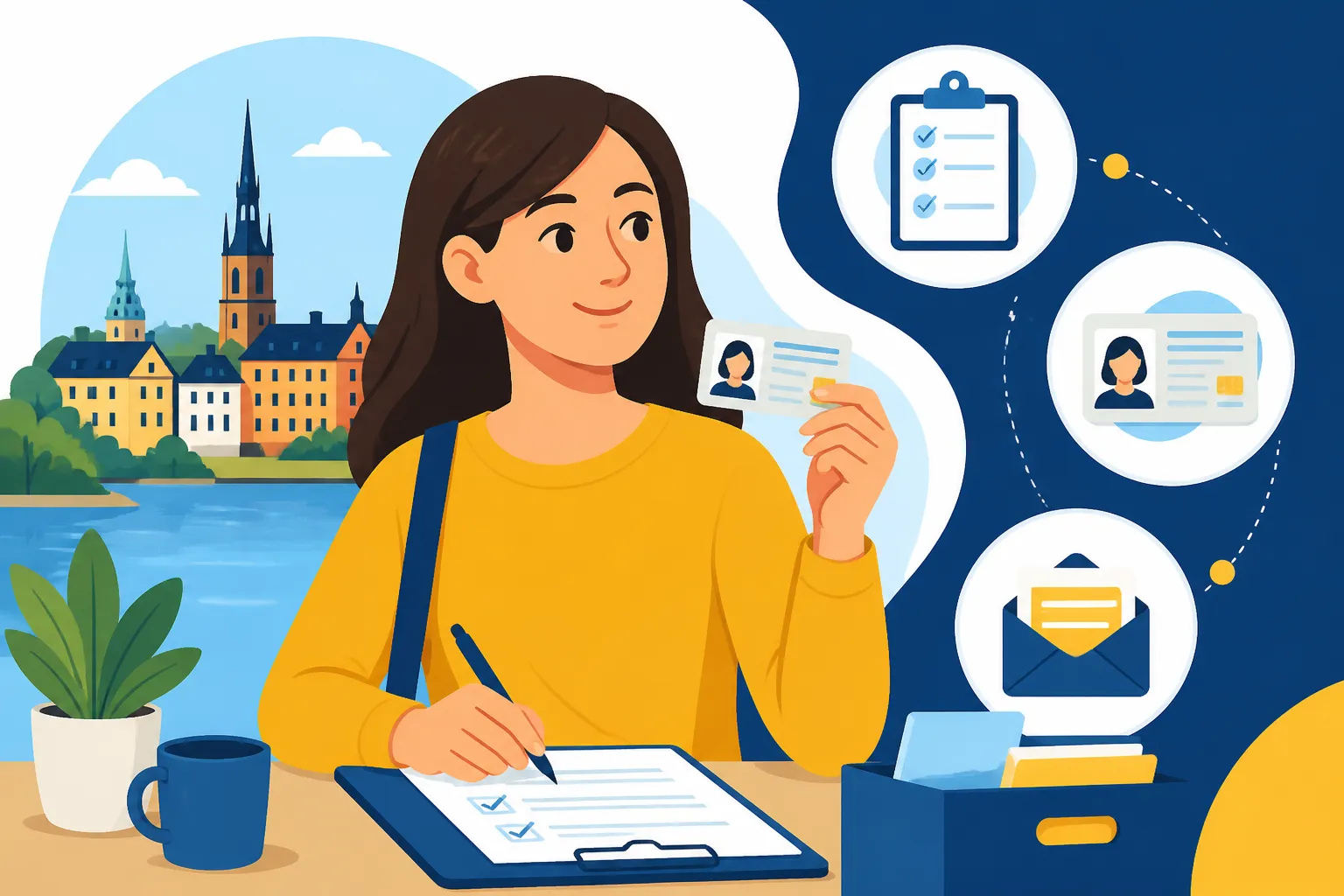
Once you have your personnummer, the next critical piece of plastic you need is a Swedish ID card. You might think your passport is enough, but in Sweden, a local ID card is practically a magic wand for daily life.
Why a Swedish ID Card Is Non-Negotiable
Seriously, your foreign passport, no matter how shiny and official, won't cut it for a surprising number of everyday situations in Sweden. Banks, post offices (for parcel pickups), pharmacies (for picking up certain prescriptions), Systembolaget (the state-run alcohol monopoly), and even some shops might ask for a Swedish ID. While technically your passport should be sufficient for identity verification, the reality on the ground is that local staff are often trained to look for a Swedish ID card or BankID. It’s their standard, and they often don't have the training or the mandate to verify foreign documents efficiently, leading to frustrating delays or outright refusals.
Imagine trying to pick up a package from your local PostNord service point. You present your foreign passport, and the staff member, perhaps a young student, looks at it quizzically. "Do you have a Swedish ID?" they might ask. You explain you're new, you don't have one yet. Cue a long, awkward silence while they try to figure out if they can accept it, often needing to consult a supervisor, or worse, refusing you because it "doesn't scan." This isn't out of malice, but simply adherence to often rigid procedures. Having a Swedish ID card streamlines these interactions immensely.
Beyond the daily grind, the Swedish ID card is crucial for activating your BankID, which we'll discuss in more detail shortly. BankID is Sweden's digital identification system, and you'll rely on it for everything from logging into government services to making online payments. Without a physical Swedish ID card, getting a BankID is significantly more challenging, if not impossible with most banks. So, while it may seem redundant after getting your personnummer, obtaining your Swedish ID card is an indispensable step towards true administrative independence here.
The Application Process: Skatteverket or Bank?
There are essentially two main ways to obtain a Swedish ID card, both with their own nuances. The most common and official route is through Skatteverket. You’ll need to book an appointment, bring original documents (passport, residence permit, proof of address, your personnummer), and be prepared for an identity interview. This interview is not to be taken lightly; they want to be absolutely sure you are who you say you are. They'll ask questions about your background, your move to Sweden, and your family ties – a process that can feel intrusive but is designed to prevent identity fraud. You’ll also need to pay a fee, typically around 400 SEK, and then have your photo taken and fingerprints scanned.
The alternative route, for those who are already customers of a Swedish bank, is to apply for an ID card through their bank. However, this option has become increasingly difficult for newcomers without existing strong ties to Sweden or a history with the bank. Banks are tightening their anti-money laundering and know-your-customer (KYC) regulations, making it harder for new residents to open accounts and get ID cards without first establishing a relationship or having a robust ID like the Skatteverket one. This means that for most new arrivals, Skatteverket is the primary, and often only, realistic option for getting their first Swedish ID card.
Once you’ve submitted your application at Skatteverket, it usually takes a few weeks for the card to be produced and mailed to your registered address. You'll typically receive a notification via post, and then you can pick it up at a designated postal service point. Patience is key here. Don’t expect it overnight, and plan your initial few weeks knowing that this vital piece of plastic will be on its way.
What to Do While You Wait for Your ID Card
The waiting period for your Swedish ID card can feel like an eternity, especially when you realize how many things require it. It’s a frustrating limbo, but you’re not entirely powerless. First, make sure you have other forms of ID readily available, like your passport and, if applicable, your residence permit card (UT-kort). Carry these with you, especially for situations where identity verification might be required.
For collecting parcels, sometimes the staff at the post office will accept a passport if they know you, or if you also bring the parcel notification (which has your name) and your foreign ID matches. However, this isn't guaranteed, and it's best to mentally prepare for potential hassle. If you have a friend who already has a Swedish BankID, they might be able to help you verify your identity for certain online services or assist with parcel pickups if you’ve authorized them to do so (though this is not always possible and relies heavily on the specific service point and staff).
During this waiting time, it’s also a good idea to start familiarizing yourself with the Swedish language and common phrases. While many Swedes speak excellent English, making an effort in Swedish, even just with "tack" (thank you) and "hej" (hello), can go a long way in making administrative interactions smoother and more pleasant. This period is a test of patience, but remember that once you have that ID card, a whole new level of convenience opens up in Sweden.
Digital Life Essentials: BankID and Swish
Sweden is famously one of the most cashless and digital societies in the world. To truly function here, you absolutely need to embrace digital tools, and at the heart of it all are BankID and Swish.
BankID: Your Digital Signature and Key to Everything
If the personnummer is your key to Swedish society, then BankID is your digital super-key, unlocking almost every online service you'll encounter. BankID is an electronic identification system, issued by several Swedish banks, that allows you to securely verify your identity and sign documents digitally. It’s used for everything from logging into your bank account, filing your taxes with Skatteverket, checking your medical records on 1177.se, signing rental contracts, and even authenticating purchases online. You simply cannot navigate modern Swedish life without it.
The beauty of BankID lies in its ubiquitous nature and its security. When you use it, you're not typing in passwords; you're confirming your identity through a secure app on your phone or computer, linked to your personnummer. This drastically reduces fraud and simplifies login processes. However, therein lies the challenge for newcomers: to get a BankID, you generally need a Swedish bank account, and to get a Swedish bank account, you typically need a personnummer and a Swedish ID card. It’s another layer of the infamous Catch-22, which can feel incredibly frustrating when you’re just trying to get established. Our guide on Getting BankID: Sweden's Essential Digital Identity explains this in more detail.
The application process usually involves visiting your bank in person once you have your personnummer and Swedish ID card. They will verify your identity, help you download the BankID app, and activate it. Once you have it, life immediately becomes simpler. Suddenly, you can log into all those essential government websites, apply for benefits, or manage your finances with ease. It's a game-changer, but the path to getting it requires patience and ticking off those earlier administrative boxes.
Swish: Embracing Cashless Transactions
Building on the foundation of BankID is Swish, Sweden's incredibly popular and efficient mobile payment system. Swish allows for instant person-to-person, person-to-business, and even business-to-business payments directly through your smartphone. Forget cash, forget bank transfers that take days; with Swish, money moves in seconds, verified by your BankID.
You'll use Swish for splitting bills with friends, paying for items at flea markets, donating to charity, or even paying tradespeople. Many smaller businesses, food trucks, and even individuals selling things online will only accept Swish. It's incredibly convenient: you simply open your Swish app, enter the recipient's phone number or scan a QR code, type in the amount, and confirm with your BankID. The money is instantly transferred. The lack of cash circulating in Sweden is truly striking, and Swish is a primary reason for it.
To use Swish, you need a Swedish bank account and an active BankID. So, again, it all circles back to those initial steps of getting your personnummer and then a Swedish ID card and a bank account. Once you have them, setting up Swish is typically a straightforward process through your bank’s online portal or app. Our article, Using Swish: How Sweden Pays Instantly, can walk you through the specifics. It will quickly become one of your most used apps, an essential part of your daily Swedish life.
Overcoming the BankID Hurdle Without a Swedish ID
This is probably one of the most common and persistent frustrations for new expats: needing BankID for everything, but not having the Swedish ID card required to get it. While it's true that most mainstream banks (like Nordea, SEB, Handelsbanken, Swedbank) strictly require a Swedish ID card issued by Skatteverket to issue BankID, there can be very limited, alternative pathways or services for those in exceptional circumstances. These are rare and depend heavily on individual bank policies and your specific situation, often requiring a face-to-face meeting with a bank manager who might exercise discretion.
Some smaller, newer fintech banks or online-only banks might have slightly different approaches, but even they typically rely on a robust identity verification process that eventually leads back to the personnummer and a high standard of identity proof. For example, some may allow you to start an account with your passport and residence permit, but obtaining a full-feature BankID without the Swedish ID card remains a significant hurdle. My advice, based on years of living here and hearing countless expat stories, is to prioritize getting your personnummer and Swedish ID card as quickly as possible. Don't waste too much energy chasing phantom solutions for BankID without the foundational IDs, as it's often a dead end that causes more stress than it's worth. Focus on the core administrative steps first, and BankID will follow naturally.
Setting Up Your Swedish Home: Utilities and Communication
Moving into your new home involves more than just unpacking boxes. You need to ensure you have electricity, internet, and a phone, and critically, that your home is protected. This requires navigating various contracts and providers.
Electricity Contracts: Navigating the Market
Unlike some countries where electricity is tied to the apartment and automatically transferred to a new tenant, in Sweden, you are generally responsible for signing your own electricity contract (el-avtal). This means choosing an electricity supplier from a competitive market. It can feel daunting because there are many providers, and prices can vary. You'll typically have two separate charges: one for the electricity itself (the energy you consume), and another for the grid network (nätavgift), which is tied to your physical address and managed by a local grid company.
When you move in, you'll need to know the address and the specific "anläggnings-ID" (installation ID) for your electricity meter, which your landlord or the previous tenant should provide. You then contact an electricity supplier and sign a contract. Many providers offer different types of contracts: fixed-price for a certain period, variable-rate tied to market prices, or a mix. It's worth comparing prices on comparison websites like Elskling.se to find the best deal. Don't forget to consider green energy options, as Sweden has a strong focus on sustainability.
If you don't sign a contract, you won't suddenly be without power; you'll be automatically assigned to the local grid company's default, often more expensive, contract. So, it's definitely something to sort out as soon as possible after moving in. Our guide on Setting Up Electricity (El-avtal) in Your Swedish Home provides a detailed walkthrough. Always remember to factor in the network fee too, as that's a fixed cost you can't escape, regardless of your chosen supplier.
Broadband and Mobile Services: Staying Connected
In Sweden, fast and reliable internet is considered a basic necessity, not a luxury. Most apartments are already connected to fiber optic networks, offering excellent broadband speeds. When moving into a new place, you'll typically have a choice of internet service providers (ISPs) that operate on the existing infrastructure. Your landlord or housing association (BRF) can tell you which network operator serves your building (e.g., Stokab in Stockholm, or other regional providers), and then you can choose an ISP from their list of partners.
Signing up for broadband usually requires a personnummer, and often a Swedish bank account for direct debit payments. If you’re still waiting for your personnummer, you might need to rely on mobile broadband solutions initially. For mobile phone services, the market is competitive with major players like Telia, Tele2, Telenor, and Tre, along with numerous virtual network operators (MVNOs) like Hallon, Comviq, and Vimla. Getting a contract-based mobile phone plan almost certainly requires a personnummer and a credit check, but you can always opt for pay-as-you-go (kontantkort) SIM cards if you're still waiting. For temporary solutions, brands like Airalo offer eSIMs for data in Sweden, which can be a lifesaver for initial connectivity without local registration.
When choosing a mobile plan, consider your data needs, international calls, and whether you want a bundled package with your home broadband. Some providers offer discounts if you bundle multiple services. Remember that Sweden operates on a largely cashless system, so paying your phone and internet bills will almost certainly be done digitally, either via direct debit (Autogiro) from your Swedish bank account or through e-invoices (e-faktura) in your online banking portal. If you need more information, refer to our comprehensive article on Getting Broadband and Mobile Service in Sweden.
Home Insurance: Protecting Your New Nest
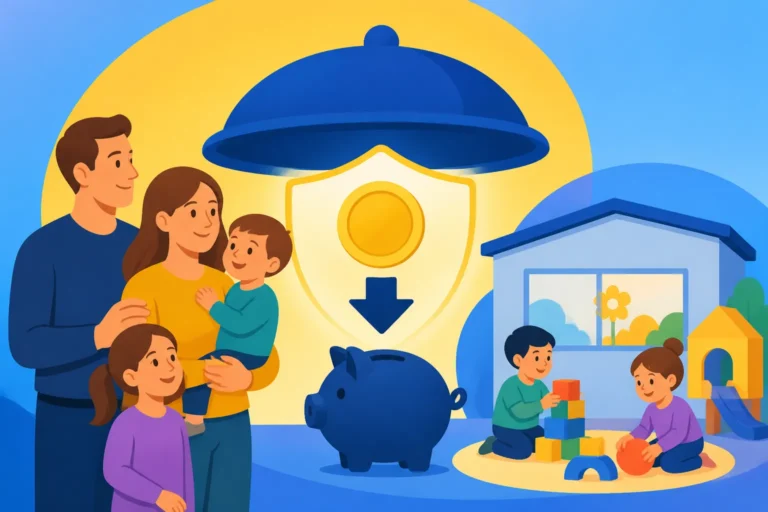
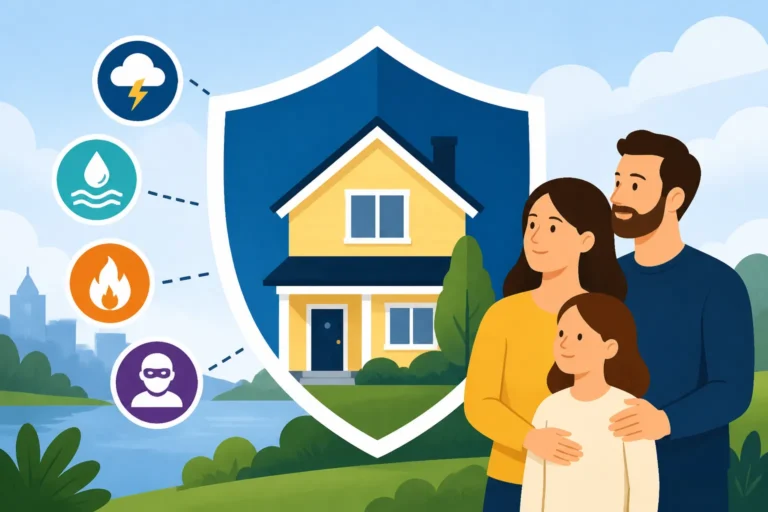
Many newcomers overlook home insurance (hemförsäkring) or assume it's optional. It's not. While it might not be a legal requirement in the same way as, say, car insurance, it is absolutely essential when renting or owning a home in Sweden, and many landlords actually require proof of it as part of your rental agreement. This isn't just about protecting your belongings; it's a comprehensive package that covers a lot more than you might expect.
Swedish home insurance typically includes liability insurance (ansvarsskydd), which is crucial. If you accidentally cause damage to the property you're renting – say, you leave the tap running and flood the apartment below – this liability coverage will protect you from potentially ruinous claims. It also often includes legal protection (rättsskydd) should you need to pursue a legal dispute, and travel insurance (reseskydd) for the first 45 days of any trip abroad. This multi-faceted protection makes it an indispensable part of living in Sweden.
Popular insurance providers include Folksam, Trygg-Hansa, If, and Länsförsäkringar. Comparing policies and finding one that suits your needs and budget is important. Just like with other services, you'll generally need a personnummer and a Swedish bank account to sign up for and pay for home insurance. For a thorough understanding of what's covered and why you need it, our article on Home Insurance (Hemförsäkring): Why It's Essential in Sweden is a must-read. Don't skip this step; the peace of mind it offers is invaluable.
Everyday Logistics: Mail, Banking, and Local Services
Once you've got your core IDs and essential services, it's time to smoothly integrate into the daily rhythm of Swedish life. This means understanding how mail works, navigating your finances, and accessing local amenities.
Understanding the Swedish Postal System and Parcel Pickups
The Swedish postal system, primarily handled by PostNord, operates a bit differently from what some expats might be used to. Home delivery of letters is standard, but for most parcels, especially those from online shopping, you won't get them delivered straight to your door. Instead, they’ll be sent to a designated "ombud" – a service point, often located within a local grocery store or convenience shop.
When a parcel arrives, you'll receive a notification, typically via the PostNord app (which uses BankID for login, naturally!), SMS, or sometimes a physical slip in your mailbox. This notification will tell you where to pick up your parcel and provide a tracking number. To collect it, you'll need to bring that notification (or show it in the app) and a valid Swedish ID. As discussed earlier, this is where the lack of a Swedish ID card can become a real headache for newcomers. Make sure to collect your parcels promptly, as they typically only hold them for about 7-14 days before returning them to the sender.
There are also parcel lockers, primarily provided by companies like Instabox and Budbee, which are increasingly popular. These offer convenient 24/7 self-service pickup. To use them, you download their app, register (often requiring BankID), and then receive a code to open the locker when your package arrives. These alternatives can be a great option, especially if you have an erratic schedule, but still often rely on a seamless digital identity.
Opening a Bank Account: The Personnummer Predicament
Opening a bank account in Sweden is one of those initial administrative steps that can either be surprisingly smooth or incredibly frustrating, largely depending on whether you have a personnummer. If you have your personnummer and a valid Swedish ID card, the process is generally straightforward. You walk into a branch (or apply online), provide your documents, and within a few days, you should have an account, a debit card, and access to online banking and BankID. Major banks like Swedbank, SEB, Handelsbanken, and Nordea are the most common choices, each offering slightly different services and fees.
However, if you don't have a personnummer yet, opening a full-feature bank account becomes significantly more challenging. While some banks might theoretically offer basic accounts with just a passport and residence permit, the reality is often much harder. You might be asked for proof of employment, a certificate of studies, or a clear reason for needing an account in Sweden, along with rigorous anti-money laundering checks. Even if successful, these accounts often come without access to BankID or Swish, severely limiting their utility in Sweden's digital-first economy.
It's a persistent problem for many newcomers, creating a chicken-and-egg situation. You need a bank account to receive a salary, but need a personnummer (often requiring employment) to get a bank account. My strong advice is to tackle the personnummer first. For those in the interim, some online financial services or international banks with a presence in Sweden might offer limited solutions, but they often come with their own set of restrictions. Our detailed guide, How to Open Your First Swedish Bank Account Without a Personnummer, offers some strategies for navigating this specific challenge.
Public Services and Community Resources
Once you're settled with your basic IDs and utilities, start exploring the invaluable public services and community resources Sweden offers. These can significantly enhance your quality of life and help you integrate. Your local municipality (kommun) website is your first port of call, usually offering information in English about local services, schools, childcare, elderly care, and recreational activities.
One particularly useful resource is the public library system. With your Swedish ID and personnummer, you can get a library card, which not only gives you access to a vast collection of books (including many in English and other languages) but also often provides free access to computers, Wi-Fi, and digital services like e-books and audiobooks. Libraries are also community hubs, often hosting language cafés, cultural events, and study groups, making them excellent places to meet people and practice Swedish.
Another essential service for health advice is 1177 Vårdguiden. This is Sweden's national healthcare advice line and website. Once you have BankID, you can log into 1177.se to access your medical records, book appointments with your vårdcentral (primary care clinic), and renew prescriptions. It's a fantastic resource for non-emergency medical information and for navigating the healthcare system. Even without BankID, you can call 1177 (though language support might vary depending on the time of day). Understanding these resources makes everyday living much smoother.
Beyond the Basics: Other Key Administrative Steps
With the essentials in place, you can turn your attention to other administrative tasks that will further cement your life in Sweden. These include driving licenses, vehicle registration, and exploring local learning opportunities.
Joining the Local Library and Accessing Public Resources
The Swedish public library system is truly excellent and a fantastic resource for new residents. Once you have your personnummer and a Swedish ID, getting a library card is simple, usually just requiring a quick visit to your local branch. This card isn't just for books; it's a gateway to so much more. Many libraries offer free access to computers, Wi-Fi, and even scanners or printers. You can often borrow films, music, and magazines, and access digital databases for research or language learning.
Crucially for expats, most libraries have extensive collections of books in various foreign languages, particularly English. This can be a real comfort when you're still grappling with Swedish. They also frequently host "språkcaféer" (language cafés) where you can practice speaking Swedish in a relaxed, informal setting with native speakers and other learners. These are invaluable for improving your language skills and often a great way to meet new people in your community. Libraries are quiet havens and vibrant community centers all at once, making them a pillar of Swedish public service that's well worth exploring early on.
Beyond books, your library card might also grant you access to online services like streaming films or accessing premium news articles. It's truly a cultural and educational hub that helps integrate you into the intellectual life of your new home. Don't underestimate the power of a local library as a community connector and a free resource for learning and entertainment.
Driver's License Exchange for Foreigners
If you plan on driving in Sweden, you'll eventually need to exchange your foreign driver's license for a Swedish one. The rules for this depend heavily on where your original license was issued. If you hold a driver's license from an EU/EEA country, you generally don't need to exchange it as long as it's valid, but you can if you want to. For licenses from most other countries, you usually have one year from the date you registered in the Swedish Population Register (folkbokföring) to exchange it. After that year, your foreign license is no longer valid for driving in Sweden, and you'll have to go through the full Swedish driving test process (theory and practical).
The process for exchanging a non-EU/EEA license is handled by Transportstyrelsen (the Swedish Transport Agency). It typically involves submitting an application, paying a fee, and often requires a medical certificate and an eye test. For some countries, no test is required for the exchange, while for others (like the US, Canada, Australia, Japan, etc.), you might need to take a driving test. The rules are quite specific and can be confusing, so it’s essential to check Transportstyrelsen’s website for the most up-to-date information regarding your specific country.
The key takeaway here is to act within that one-year window if you're from a non-EU/EEA country. Procrastination can lead to having to redo your entire driving education, which is costly, time-consuming, and an administrative nightmare you definitely want to avoid. Our post on Driving in Sweden: Exchanging Your Licence with Transportstyrelsen provides exhaustive details to help you through this often complex process.
Vehicle Registration and Road Tax
If you plan on bringing a car with you to Sweden, or purchasing one locally, you'll need to navigate vehicle registration and road tax. Any vehicle used in Sweden must be registered with Transportstyrelsen. If you import a vehicle from another country, you'll need to go through an inspection process to ensure it meets Swedish standards, pay import duties if applicable, and then register it. This can be a complicated and time-consuming process, so many expats opt to sell their car abroad and buy one locally.
When buying a car in Sweden, the transfer of ownership is usually handled electronically via Transportstyrelsen's services, often requiring BankID. The previous owner notifies them of the sale, and you register as the new owner. Once a vehicle is registered in your name, you become responsible for paying road tax (vägtrafikskatt) and having valid vehicle insurance (trafikförsäkring), which is mandatory. Road tax amounts vary based on the vehicle's type, age, and environmental impact.
Navigating the nuances of vehicle ownership, from understanding emissions standards to finding suitable insurance, can be challenging if you're not familiar with the local system. Buying from a reputable dealer often simplifies the process, as they can assist with the paperwork. However, if you're buying privately, make sure all documentation is correct before finalizing the purchase. Understanding your obligations here will save you from potential fines and administrative headaches down the road.
Common Hurdles and How to Overcome Them
Despite Sweden's reputation for efficiency, the administrative process for newcomers can be fraught with unexpected challenges. Knowing what to expect and how to tackle these common hurdles can make a big difference.
Language Barriers: Tips for Communicating in Swedish Admin
While it's true that a vast majority of Swedes speak excellent English, especially in larger cities and within professional environments, relying solely on English for all administrative matters can still be a barrier. Official documents, forms, and some automated phone systems might only be in Swedish. Furthermore, in smaller towns or with older public servants, English proficiency might not be as high. This can lead to misunderstandings, delays, and a general feeling of helplessness when you're trying to explain a complex personal situation in a foreign language.
My advice is to embrace every opportunity to learn Swedish, even if it's just a few phrases. Courses like SFI (Swedish for Immigrants) are free and excellent for getting started. Even knowing basic phrases like "Jag förstår inte svenska" (I don't understand Swedish) or "Kan vi prata engelska?" (Can we speak English?) can be helpful. When facing administrative tasks, try to bring a Swedish-speaking friend if possible, or use online translation tools for documents. Remember that the staff are usually trying to help, but they are bound by procedures, and a language barrier can complicate things immensely.
Many government websites, including Skatteverket, Migrationsverket, and Försäkringskassan, offer information in English. Always check their official websites first. If you need to make a phone call, try calling during business hours, as you're more likely to reach someone with strong English skills. Persistence and politeness, even when frustrated, go a long way. The effort you put into trying to understand and speak Swedish, no matter how small, will be appreciated and often result in more helpful assistance.
The Waiting Game: Patience is a Virtue (and a Necessity)
If there's one thing that consistently frustrates newcomers to Sweden, it's the waiting. Waiting for your personnummer, waiting for your ID card, waiting for a bank appointment, waiting for your residence permit extension – the administrative wheels of Sweden often grind slowly. This can be particularly jarring for those coming from countries with more rapid administrative processes. What seems like a simple task can sometimes take weeks or even months to process, and the lack of frequent updates can be unsettling.
It's crucial to adjust your expectations and cultivate a deep well of patience. Chasing up applications daily or weekly is often futile and can even be counterproductive. Most agencies have strict processing times, and constant inquiries won't speed things up. Instead, they might just add to the backlog. My experience, and that of many other expats, suggests that once you've submitted all required documents, the best approach is often to wait calmly for their response. They will contact you if they need more information.
Use this waiting time productively. Focus on learning Swedish, exploring your new surroundings, meeting people, or settling into your job or studies. Don't let the administrative delays paralyze your life. The systems are generally very reliable, even if they're slow. The documents will eventually arrive, the permits will be processed, and the accounts will be opened. Sweden runs on a schedule that prioritizes thoroughness over speed, and while it's frustrating, it's also a part of the cultural fabric you'll learn to navigate.
Where to Find Help When You're Stuck
Feeling overwhelmed and stuck in the Swedish administrative maze is a common experience, and thankfully, you don't have to go through it alone. There are several avenues where you can seek help. Online expat forums and social media groups (like "Expats in Stockholm," or similar groups for other cities) are invaluable. Fellow expats have often been through the exact same struggles and can offer practical advice, share their experiences, and sometimes even point you to specific individuals or departments that can help. Just be sure to cross-reference information with official sources, as rules and processes can change.
For official guidance, the websites of Skatteverket, Migrationsverket, Försäkringskassan, and other government agencies are generally very good and often have extensive sections in English. Their customer service lines are also available, though as mentioned, language support might vary. If your employer is sponsoring your move, their HR department often has experience helping international employees and can be a fantastic resource for initial setup.
For more complex legal or immigration issues, consider consulting an immigration lawyer. While it comes with a cost, their expertise can be crucial for navigating appeals or particularly tricky situations. Lastly, don't underestimate the power of your local community. Neighbors, colleagues, or even new Swedish friends might be willing to lend an ear or offer practical assistance, such as helping you translate a tricky letter or explaining a concept. Remember, asking for help is a strength, especially when settling into a new country with an entirely different administrative culture.
Disclaimer
Please note that while this guide aims to provide accurate and up-to-date information based on current regulations and common experiences in Sweden, laws and administrative procedures can change. It is always recommended to verify specific details with the relevant official authorities, such as Skatteverket, Migrationsverket, or your bank, as individual circumstances may vary. This content is for informational purposes only and does not constitute legal or professional advice.