Can I Apply for a Residence Permit While Visiting Sweden?
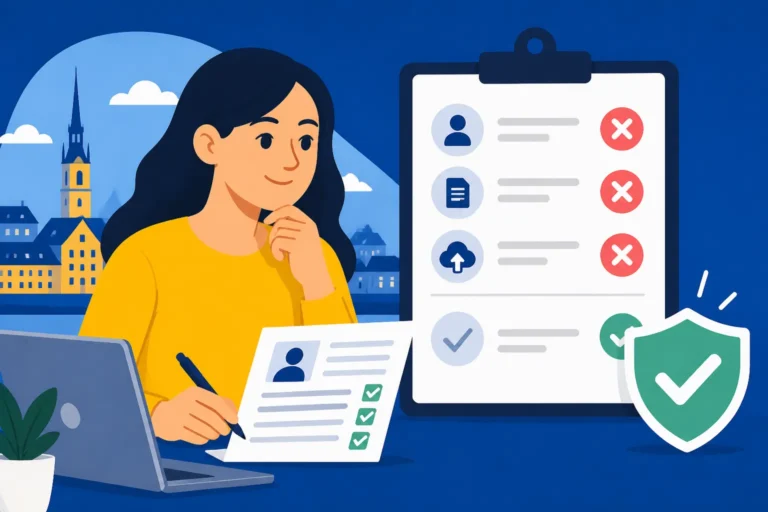
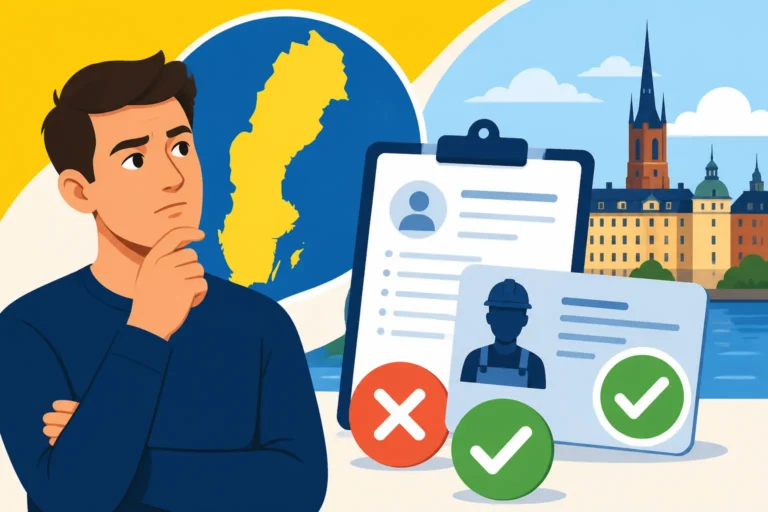
Oh, the Swedish dream! You've arrived, maybe for a holiday, a visit with friends, or a brief business trip, and you've fallen in love. The orderly queues, the fika, the clean air – it just feels right. Suddenly, the thought hits you: "Can't I just… stay? Can I apply for a residence permit while I'm still here, enjoying the Swedish summer or crisp winter?" It's a perfectly natural question, one that many of us expats have either asked ourselves or heard from eager visitors. The answer, as with many things in Swedish bureaucracy, isn't a simple yes or no, but rather a complex 'it depends' that can be incredibly frustrating to navigate. This guide will cut through the confusion and explain exactly when you can, and more often, when you absolutely cannot, apply for a residence permit from within Sweden.
The General Rule: Why Migrationsverket Prefers You Apply from Abroad
Let's start with the hard truth, the default position of the Swedish Migration Agency (Migrationsverket). Generally speaking, if you are a citizen of a country outside the EU/EEA and Switzerland, and you are in Sweden as a tourist, on a visitor's visa, or under a visa-free agreement (like many North Americans, Australians, etc.), you are expected to apply for any long-term residence permit from your home country or country of habitual residence. This "main rule" is a cornerstone of Swedish immigration policy and it's something Migrationsverket takes very seriously.
The 'Main Rule' of Migrationsverket and the Burden of Proof
Migrationsverket's main rule dictates that a person who is not an EU/EEA citizen and wishes to reside in Sweden for more than 90 days must have obtained a residence permit before entering the country. This isn't just a suggestion; it's a fundamental principle rooted in the idea of controlling who enters the country and for what purpose. They want to prevent people from using a short-stay visa or visa-free entry to "migrate" through the backdoor, effectively circumventing the proper application process which is designed to be completed from outside Swedish borders.
Imagine the scenario: You come in as a tourist for three months. Towards the end of your stay, you decide you want to work, study, or live with a partner here. If everyone could just apply from within, the system would be overwhelmed, and the clear distinction between visitor and resident would blur. Migrationsverket requires you to prove, from the outset, your intention to come to Sweden for a specific long-term purpose, which is best demonstrated by applying from abroad. This gives them time to process your application thoroughly, conduct interviews if necessary, and ensure you meet all the requirements without the pressure of an expiring visitor status.
Understanding Your Visitor Status in Sweden
When you enter Sweden as a visitor, whether with a Schengen visa or under a visa-free arrangement, you are granted a specific status: that of a short-term visitor. This status comes with clear limitations. For most non-EU/EEA citizens, this means you can stay in the Schengen area for a maximum of 90 days within any 180-day period. Crucially, a visitor's visa or visa-free entry does not grant you the right to work, study, or establish long-term residence.
The type of visa you might hold, or if you're from a visa-exempt country, doesn't change this fundamental restriction. Your stay is temporary, and your purpose is strictly for tourism, visiting, or short-term business. Overstaying this period, or trying to change your status from visitor to resident without meeting specific exceptions, can have serious consequences, potentially impacting future visa applications for Sweden or the wider Schengen area. It's a common misconception that because you can travel freely for a few months, you have some inherent right to apply for more. Sweden, like many countries, views these two statuses as distinct and generally requires you to honour the terms of your initial entry.
The Rationale Behind the Rule: Control and Preventing Abuse
Why is Migrationsverket so strict about this? It boils down to administrative control and preventing potential misuse of the system.
- Fairness and Order: By requiring applications from outside, they ensure a structured and orderly immigration process. Everyone goes through the same channels, reducing the chances of queue jumping or exploiting loopholes.
- Resource Management: Processing complex residence permit applications takes time and resources. Doing this from outside Sweden allows embassies and consulates in your home country to handle initial checks and interviews, distributing the workload and streamlining the process when you eventually arrive in Sweden.
- Preventing Visa Shopping: It discourages "visa shopping," where individuals might enter as tourists with no real intention of leaving, hoping to find a way to stay permanently. This is seen as a way to maintain the integrity of their immigration system.
- Clear Intent: The process of applying from your home country demonstrates a clear, pre-meditated intention to move to Sweden, rather than an impulsive decision made during a holiday.
It can feel impersonal and frustrating, especially if you've already made connections or found opportunities here. But from the government's perspective, these rules are in place for very pragmatic reasons.
Specific Exceptions: When In-Country Applications Are Possible
While the general rule is to apply from abroad, there are indeed specific, albeit narrow, exceptions where you can apply for a residence permit while already in Sweden. These exceptions are critical to understand, as they are not open to everyone and usually come with strict conditions.
Family Ties with Someone Already Living in Sweden
This is perhaps the most common exception. If you are in Sweden as a visitor and your intention is to live with a close family member who is already a resident or citizen of Sweden, you might be able to apply for a residence permit from within the country. However, the definition of "close family member" and the conditions attached are very specific:
- Spouse or Sambo (Cohabiting Partner): If you are married to or are the sambo (unmarried cohabiting partner) of someone who is a Swedish citizen or has a permanent residence permit in Sweden (or, in some cases, a valid temporary residence permit), you can often apply for a residence permit while in Sweden. The key here is that the relationship must be genuine and established. Migrationsverket will look for evidence of a lasting relationship, such as living together, shared finances, and a clear intention to continue the relationship. Casual dating, unfortunately, won't cut it. You will need to provide extensive documentation, and an interview is almost guaranteed, often with both you and your partner separately. It's worth remembering that this is for family reunification, not simply because you've met someone lovely. You can find more detailed information about this process in guides like Residence Permits for Family Members Joining You in Sweden or Moving to Sweden as a Sambo or Spouse: The Rules.
- Children: If you are a child under 18 and your parent lives in Sweden, you might be able to apply from within. Similarly, if you are a parent and your child lives in Sweden, there are specific, though very stringent, conditions under which you might apply, particularly if the child is a Swedish citizen or has been in Sweden for an extended period. These cases often involve unique circumstances and are assessed individually.
For these family ties, the Swedish resident (the anchor person) usually needs to meet specific requirements regarding maintenance (being able to support you financially) and housing (having suitable accommodation). This is often a significant hurdle for many.
Extending an Existing Permit or Changing Status
Another set of exceptions applies if you already hold a valid residence permit for Sweden and wish to extend it or change its nature. This is distinctly different from being on a visitor visa.
- Extending a Student Permit to a Work Permit: A common scenario is when an international student, after completing their studies in Sweden, finds a job offer. In many cases, they can apply for a work permit from within Sweden before their student permit expires. The rules for this transition are specific and require the job offer to meet certain salary and collective agreement standards. This is a crucial window for many who wish to stay and contribute to the Swedish workforce.
- Changing Employers on a Work Permit: If you already have a work permit and wish to change employers, you typically apply for a new permit from within Sweden. However, specific rules apply, especially if you change jobs within the first two years of your permit.
- Seeking Asylum: If you enter Sweden and subsequently fear persecution in your home country, you have the right to seek asylum. This process takes place entirely within Sweden, regardless of your initial entry status. However, it's a completely separate legal process from applying for a residence permit based on work, study, or family ties.
- Other Specific Permits: Some very specific permit types might allow in-country applications for extensions or changes, such as permits for researchers or certain highly skilled workers, but these are exceptions rather than the norm.
It's important to remember: These are not "loopholes" for visitors. These exceptions are designed for individuals who already have a legal long-term connection to Sweden (e.g., as a student or existing permit holder) or who are in a specific, protected legal situation (like asylum seekers).
Special Circumstances and Humanitarian Grounds
Finally, there are very rare circumstances where Migrationsverket might consider an application from within Sweden on humanitarian grounds or due to "exceptionally distressing circumstances" (synnerligen ömmande omständigheter). These cases are exceedingly difficult to prove and require very strong, compelling reasons, often involving severe illness, danger in the home country that doesn't meet asylum criteria, or exceptional personal ties that would be unreasonable to break.
This category is not a general fallback for anyone who simply likes Sweden and wants to stay. It's for situations where requiring you to leave the country would genuinely cause undue hardship or pose a serious threat. The bar for these applications is incredibly high, and they are typically only granted after extensive review and often legal representation.
To summarise the general rule versus exceptions:
| Scenario | General Rule (Non-EU/EEA Visitor) | Exception (In-Country Application Possible) | Implications |
|---|---|---|---|
| Tourist/Visitor Visa | Must apply from abroad. | Only for very specific family ties (spouse/sambo) or extreme humanitarian cases. | Cannot work or study during processing. High risk of refusal if criteria not met. |
| Expired Visitor Status | Must leave Sweden immediately. | Very rare, only for extreme, compelling humanitarian reasons. | Overstaying can lead to re-entry bans. Application likely invalid. |
| Existing Residence Permit Holder | Can apply for extension/change from within. | Valid for students seeking work permits, work permit holders changing jobs. | Can often remain in Sweden during processing, but conditions apply (e.g., no travel). |
| Asylum Seeker | Must apply from within Sweden. | Separate legal process based on protection needs. | Strict rules on remaining, often in specific housing. Cannot choose this path arbitrarily. |
The Practical Steps and What to Expect if You Can Apply
If you find yourself in one of those specific exception categories, the process still demands meticulous attention. It’s not simply a matter of checking a different box.
Document Preparation and Translation
Just like any residence permit application, the backbone of your case lies in your documentation. Migrationsverket needs to see clear, verifiable proof of everything you claim. This often includes:
- Your valid passport (ensure it's valid for well beyond the expected processing time).
- Marriage certificates, birth certificates, or evidence of your sambo relationship.
- Proof of the anchor person's status in Sweden (personnummer, residence permit card).
- Financial statements, employment contracts, payslips to prove maintenance capacity.
- Housing contracts to prove suitable accommodation.
- Any supporting medical documents for humanitarian cases.
Crucially, any documents not in Swedish or English must be officially translated by a certified translator. This is not a step to skimp on. Migrationsverket is very particular about certified translations, and a poorly translated document can lead to delays or even rejection. Services like RushTranslate or Translayte are often used by expats for reliable and certified translations, as they understand the official requirements for immigration purposes. Make sure the translator is authorised or recognised for official use in Sweden or by a Swedish embassy/consulate.
The Application Process: Online, Interviews, and Waiting
Most residence permit applications are submitted online through Migrationsverket's e-service portal. This is generally faster and more efficient than paper applications. You will create an account, fill out forms, and upload all your supporting documents.
- Online Submission: Follow the instructions carefully. Each section will guide you on what information and documents are required. Double-check everything before submitting.
- Biometrics: Even if you apply from within Sweden, you will eventually need to visit Migrationsverket to provide your biometrics (fingerprints and a photo) for your residence permit card, the Biometrics and the Residence Permit Card UT-kort in Sweden. You will typically be asked to book an appointment after your application has been submitted and reviewed.
- Interviews: For family reunification cases, interviews are very common. Both you and your partner will likely be interviewed separately, either in person at Migrationsverket or, sometimes, via video call. These interviews aim to verify the authenticity of your relationship. Don't be surprised if the questions feel intrusive; they are designed to ensure genuine intentions.
- Processing Times: Be prepared for a wait. Migrationsverket's processing times can be notoriously long and vary greatly depending on the type of permit and current workload. You can often find general estimates on their website, but manage your expectations. It's often longer than you anticipate. Information about Understanding Migrationsverket Processing Times and Delays can be very helpful here.
Life During the Waiting Period: No Travel, No Work (Usually)
This is a critical point that causes immense stress for many. If you apply for a residence permit from within Sweden while your visitor status is still valid, you may be allowed to remain in the country while your application is being processed. However, this does not automatically grant you new rights.
- No Right to Work or Study: Unless you are extending an existing work or student permit, you generally do not have the right to work or study during the processing period of a new type of residence permit application. This means if you applied for a family permit, you cannot take a job until that permit is granted.
- Travel Restrictions: This is a major one: if you leave Sweden while your application is pending, there is a very high risk that your application will be cancelled, or you will not be allowed to re-enter the Schengen area. The general advice from Migrationsverket is: do not travel outside Sweden while waiting for a decision on an in-country application. This is covered in detail in Travelling While Your Swedish Permit Application Is Pending. This can be a huge challenge for those with family or commitments back home.
It’s a tough limbo, and it underscores the importance of being fully aware of the implications before choosing the in-country application route.
Planning Your Next Steps: Applying from Abroad
For the vast majority of visitors who fall outside the strict exceptions, the answer remains: you must leave Sweden to apply for a residence permit. This might not be the news you wanted, but understanding the correct procedure is essential for a successful application.
Returning to Your Home Country
The most straightforward path, if you don't meet the in-country exceptions, is to return to your home country (or the country where you are a legal resident) and apply from there.
- Leave Legally: Ensure you leave Sweden and the Schengen area before your visitor visa or visa-free period expires. Overstaying can severely jeopardise future applications, leading to potential re-entry bans. Keep proof of your departure (e.g., flight tickets, passport stamps).
- Gather Documents from Home: Use this time to meticulously gather all required documents. This might include employment contracts, university acceptance letters, bank statements, and, if applicable, family documents. Remember, if any documents are not in Swedish or English, they will need to be officially translated. Again, professional services like RushTranslate or Translayte can assist with ensuring your foreign documents meet Migrationsverket's translation standards.
- The Power of the Personnummer: Understand that even if you apply from abroad, Getting Your Personnummer: The Gateway to Swedish Healthcare and registering with Skatteverket will be a key step once you successfully arrive with your residence permit. Without it, accessing essential services like healthcare and banking will be very difficult. For those without a Personnummer, a The Coordination Number Samordningsnummer Explained might be issued temporarily for certain administrative tasks, but it's not a substitute for a Personnummer for long-term residency.
The Embassy/Consulate Process
Once you've submitted your application online, if you're applying from abroad, the process often involves an appointment at a Swedish embassy or consulate in your country.
- Biometrics Abroad: This is typically where you provide your biometrics for your residence permit card. This ensures your card is ready or can be processed swiftly once your permit is granted.
- Interviews: Depending on the type of permit (especially family reunification permits), you may be called for an interview at the embassy or consulate.
- Decision and Collection: If your permit is granted, you will usually be notified by the embassy or Migrationsverket. You will often need to collect your residence permit card from the embassy or consulate before you travel to Sweden. This is crucial: do not travel to Sweden until you have received your physical residence permit card or a clear instruction from Migrationsverket that you can enter.
Crucial Considerations Before Leaving
Making the decision to leave Sweden to apply from abroad can be tough, especially if you've already started building a life or connections here.
- Financial Planning: Factor in the costs of returning home, the application fees (which are non-refundable), and the potential for a lengthy wait without income if you can't work in your home country during processing.
- Maintaining Ties: If you're applying for family reunification, discuss with your partner how you will maintain your relationship during the potentially long separation. Video calls, visits (if permissible from your end, avoiding travel to Sweden during processing), and shared planning become even more important.
- Legal Advice: If your situation is complex, or you've had previous immigration issues, consider seeking legal advice from an immigration lawyer specialising in Swedish law. They can provide tailored guidance and help you understand all the What Documents Do I Need for a Swedish Residence Permit? and nuances of Applying for a Swedish Residence Permit Online with Migrationsverket.
While it's disappointing to hear that you likely can't just apply to stay while visiting, knowing the rules empowers you to make an informed decision and follow the correct path. Sweden's system, though sometimes rigid, is built on a foundation of order and clear process, which ultimately aims for fairness. Your journey to long-term life in Sweden often begins with a planned, deliberate application from beyond its borders.
Disclaimer
The information provided in this guide is intended for general informational purposes only and does not constitute legal advice. Immigration laws and policies in Sweden are complex and can change. Always consult with the official Swedish Migration Agency (Migrationsverket) website or seek professional legal counsel for advice specific to your individual situation. This guide does not create a client-attorney relationship.