Can I Get a Mortgage in Sweden as a Foreigner?
Walking into a Swedish bank branch only to be told that your years of credit history back home mean absolutely nothing here is a rite of passage for most expats. This guide serves as your roadmap to navigating the Swedish mortgage market as a foreigner, ensuring you understand exactly what the banks are looking for before you set your sights on that perfect Stockholm apartment or countryside villa.
The Reality of Getting a Mortgage in Sweden as a Newcomer
When I first arrived in Sweden, I spent hours scrolling through Hemnet, daydreaming about a place of my own, only to be hit with the cold reality that the Swedish financial system is highly insular. The most common question I hear from fellow expats is whether it is even legal for a non-citizen to own property. The short answer is yes, there are no legal restrictions on foreigners buying property in Sweden. However, there is a massive gap between what is legally allowed and what a bank is willing to finance. The Swedish banking system relies heavily on internal data, which means if you haven't been in the system for a while, you are essentially invisible to their risk assessment algorithms.
Why the Personnummer is Your Golden Ticket
In Sweden, your life effectively begins the day you receive your personal identity number. Without this, getting a mortgage is almost impossible through traditional channels. The bank uses your personnummer to pull your Swedish credit history, check your reported income from previous years, and verify your residency status. If you are still waiting for your ID, you might find that even the most helpful bank clerk will hit a wall because their software literally cannot process a mortgage application without those ten digits. This is why Getting Your Personnummer: The Gateway to Swedish Healthcare is often the first step in more than just the medical sense; it is the foundation of your entire financial identity in the country.
Even once you have the number, the bank will want to see that you have a "stable" connection to Sweden. For some banks, this means having lived here for at least 12 months, while others might require two years of Swedish tax returns. They want to see that you aren't just passing through. If you are an EU citizen, the process is slightly smoother because of the freedom of movement, but for non-EU residents, the bank will scrutinize your residence permit. Most lenders are hesitant to offer a 25-year mortgage to someone on a permit that expires in six months. They typically look for permanent residence or at least a long-term work permit with a clear path to renewal.
Employment Stability and the Probationary Period Hurdle
One of the most frustrating hurdles for new arrivals is the "provanställning" or probationary period. In Sweden, it is standard for a new job to start with a six-month trial. During this time, your employer can let you go with very little notice. To a Swedish mortgage specialist, a probationary contract is a red flag. Almost every major bank—including SEB, Nordea, Swedbank, and Handelsbanken—will require you to have a "tillsvidareanställning," which is a permanent, open-ended contract.
Many expats try to apply for a mortgage three months into their new dream job in Gothenburg or Malmö, only to be told to come back once their probation is over. If you are in this position, don't lose hope, but do manage your expectations. You might need to wait out those first six months and ensure you have a few payslips that reflect your permanent status. When you do eventually apply, the bank will look at your "kvar att leva på" (left to live on) calculation. They use a standardized formula to ensure that after your mortgage, taxes, and estimated living costs, you still have enough to survive if interest rates were to spike to 6% or 7%. Understanding How the New 2026 Salary Threshold Affects Swedish Work Permits is also useful here, as your reported income is the primary metric for this calculation.
Understanding the Financial Requirements and Deposit Rules
Sweden’s mortgage market is regulated by the Swedish Financial Supervisory Authority (Finansinspektionen), which has implemented strict rules to prevent household debt from spiraling out of control. As a foreigner, you are subject to the same rules as locals, but your lack of a local financial "footprint" might lead banks to be more conservative with their offers. You need to be prepared with a significant amount of liquid cash before you even think about attending a viewing.
The 15% Minimum Deposit and Why You Might Need More
The "bolånetak" or mortgage cap in Sweden is set at 85%. This means you must provide at least 15% of the purchase price as a down payment (kontantinsats). For a 4,000,000 SEK apartment in a popular Stockholm suburb, that is 600,000 SEK. While some Swedes take out a separate, high-interest unsecured loan to cover part of the deposit, I strongly advise against this as an expat. Banks are already wary of the risks associated with newcomers, and asking for a 100% financed home is a quick way to get your application rejected.
In fact, if you have recently moved to Sweden, some banks might even ask for a 20% or 25% deposit to offset the perceived risk of your short credit history. This is where services like Wise become invaluable. If you are moving large sums of money from a bank account in your home country to Sweden, you need a transparent and cost-effective way to do it. Using Wise allows you to avoid the opaque exchange rates and high wire fees charged by traditional banks, ensuring that more of your hard-earned savings actually end up in your Swedish deposit account. Make sure to keep a clear "paper trail" of where the money came from, as Swedish anti-money laundering (AML) laws are incredibly strict. You will likely have to provide bank statements from your home country proving the source of the funds.
Mortgages and the Amortisation Requirement in Sweden
Once you secure the loan, you need to understand how you will be paying it back. Sweden has specific "amorteringskrav" (amortisation requirements) that dictate how much of the principal you must pay down each year. If your loan is more than 70% of the property's value, you must amortise at least 2% of the total loan per year. If it is between 50% and 70%, the requirement is 1%. On top of this, if you borrow more than 4.5 times your gross annual income, you have to pay an additional 1% per year.
| Loan-to-Value (LTV) | Debt-to-Income Ratio | Minimum Yearly Amortisation |
|---|---|---|
| Above 70% | Under 4.5x Income | 2% |
| 50% – 70% | Under 4.5x Income | 1% |
| Above 70% | Above 4.5x Income | 3% |
| 50% – 70% | Above 4.5x Income | 2% |
| Below 50% | Above 4.5x Income | 1% |
| Below 50% | Under 4.5x Income | 0% (Optional) |
This system can be a shock if you are coming from a country where interest-only mortgages are common. It is vital to factor these payments into your monthly budget. You should also consult with Taxes for Expats regarding how your Swedish mortgage interest might be deductible on your tax return. In Sweden, you can typically deduct 30% of your interest costs up to 100,000 SEK per year from your income tax, which provides a significant bit of relief. However, managing these deductions alongside your foreign tax obligations requires careful planning, which is where a specialized service like Taxes for Expats can provide much-needed clarity for those with dual-tax liabilities.
Navigating the Application Process and Bank Negotiations
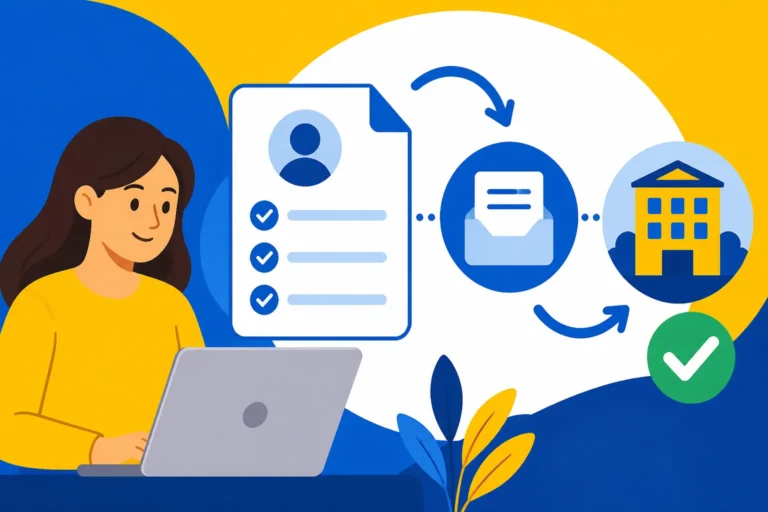
The process of buying a home in Sweden moves incredibly fast. From the moment a property is listed on Hemnet to the moment the contract is signed, it can sometimes be less than two weeks. To even be taken seriously by a real estate agent (mäklare), you need a "lånelöfte"—a written promise of a loan from a bank.
Comparing Swedish Banks: From Big Four to Niche Lenders
Don't just walk into the bank where you have your current account and accept their first offer. The "Big Four"—SEB, Swedbank, Nordea, and Handelsbanken—have the most experience with foreigners, but they can also be the most bureaucratic. Some newcomers find better success with niche lenders or digital banks like SBAB, which is state-owned and has a very transparent, math-based application process. SBAB doesn't really "negotiate" rates; you get what their calculator says you get based on your risk profile.
When negotiating with the bigger banks, emphasize your "helhetskund" status—tell them you are willing to move your savings, your insurance, and your salary to them. This often gives you a "rabatt" (discount) on the base interest rate. If you are unsure about how to present your financial history, reading up on Opening a Bank Account in Sweden: A Step-by-Step Guide can help you understand the initial relationship-building phase with Swedish lenders. Be prepared to show your Swedish payslip and explain any entries. If you have questions about what you are seeing on your slip, Understanding Your Swedish Payslip and Preliminärskatt is a great resource to ensure you are explaining your net income accurately to the loan officer.
The Bidding War and Getting Your Lånelöfte
In Sweden, the price you see on Hemnet is usually just the starting point. Most properties are sold via a fast-paced SMS bidding war. The real estate agent will verify with your bank that your lånelöfte is valid and that you have the funds ready. If you haven't moved your deposit into a Swedish account yet, this is the time to do it. Again, using Wise to transfer your funds early ensures that the money is sitting in a Swedish account, ready for the 10% "handpenning" (deposit) that is usually due within a few days of winning the bid.
It is important to note that a lånelöfte is not a guarantee of a loan for a specific property. Once you win a bid, the bank must approve the "Bostadsrättsförening" (BRF) or the specific house you are buying. They will look at the association's debt and financial health. If the BRF is in poor financial shape, the bank might refuse to lend on that specific apartment, even if you have a general promise of a loan. This is why Buying Property in Sweden as a Foreigner: A Complete Guide is essential reading for understanding the nuances of the Swedish co-op system.
Practical Tips for Foreigners Transferring Funds and Managing Taxes
Buying property is likely the largest financial transaction you will make in Sweden. For foreigners, this transaction is complicated by cross-border logistics and the looming shadow of international tax law.
Moving Your Deposit with Wise and Avoiding Fees
The sheer volume of money required for a Swedish property deposit means that even a 1% difference in exchange rates can cost you thousands of dollars or euros. When I moved my savings for my first apartment in Södermalm, I initially looked at a traditional bank wire. The "hidden" fee in the exchange rate was eye-watering. By using Wise, I was able to see the mid-market rate and exactly what the fee was upfront.
Beyond the cost, there is the issue of speed. Swedish bidding wars don't wait for slow international transfers. Having your funds staged in a multi-currency account or moved well in advance to your Swedish account is a tactical necessity. The bank will ask for a "kontoutdrag" (bank statement) to see where the money came from. If they see a transfer from Wise, they might ask for the original statement from your home country bank to satisfy their AML checks. Have these documents translated into English or Swedish if they aren't already.
Cross-Border Tax Implications and Taxes for Expats
Owning property in Sweden while potentially having tax residency elsewhere or owning assets in another country creates a complex web of obligations. Sweden has a "fastighetsavgift" (property fee) for houses and a different set of rules for apartments. Furthermore, if you eventually sell the property, you will be subject to capital gains tax in Sweden, which is currently 22% of the profit.
However, how does this sale affect your taxes back home? This is where Taxes for Expats comes in. They specialize in helping people navigate the specific reporting requirements for Americans and other expats living abroad. For example, if you are a US citizen, you still have to report the sale of a foreign principal residence to the IRS, even if it's exempt or taxed in Sweden. Failure to do this correctly can lead to massive penalties. Engaging with Taxes for Expats early in your home-ownership journey ensures that you are structuring your finances in a way that minimizes your global tax burden. You should also familiarize yourself with Double Taxation: How Sweden's Tax Treaties Protect You to understand how Sweden and your home country share taxing rights on your property and income.
Disclaimer
This guide is for informational purposes only and does not constitute financial, legal, or tax advice. Mortgage regulations, interest rates, and bank policies in Sweden change frequently. Always consult with a qualified financial advisor, a licensed real estate agent, and a tax professional—such as the experts at Taxes for Expats—before making significant financial decisions or entering into a binding property contract. All internal links provided are for further context and may be subject to updates.