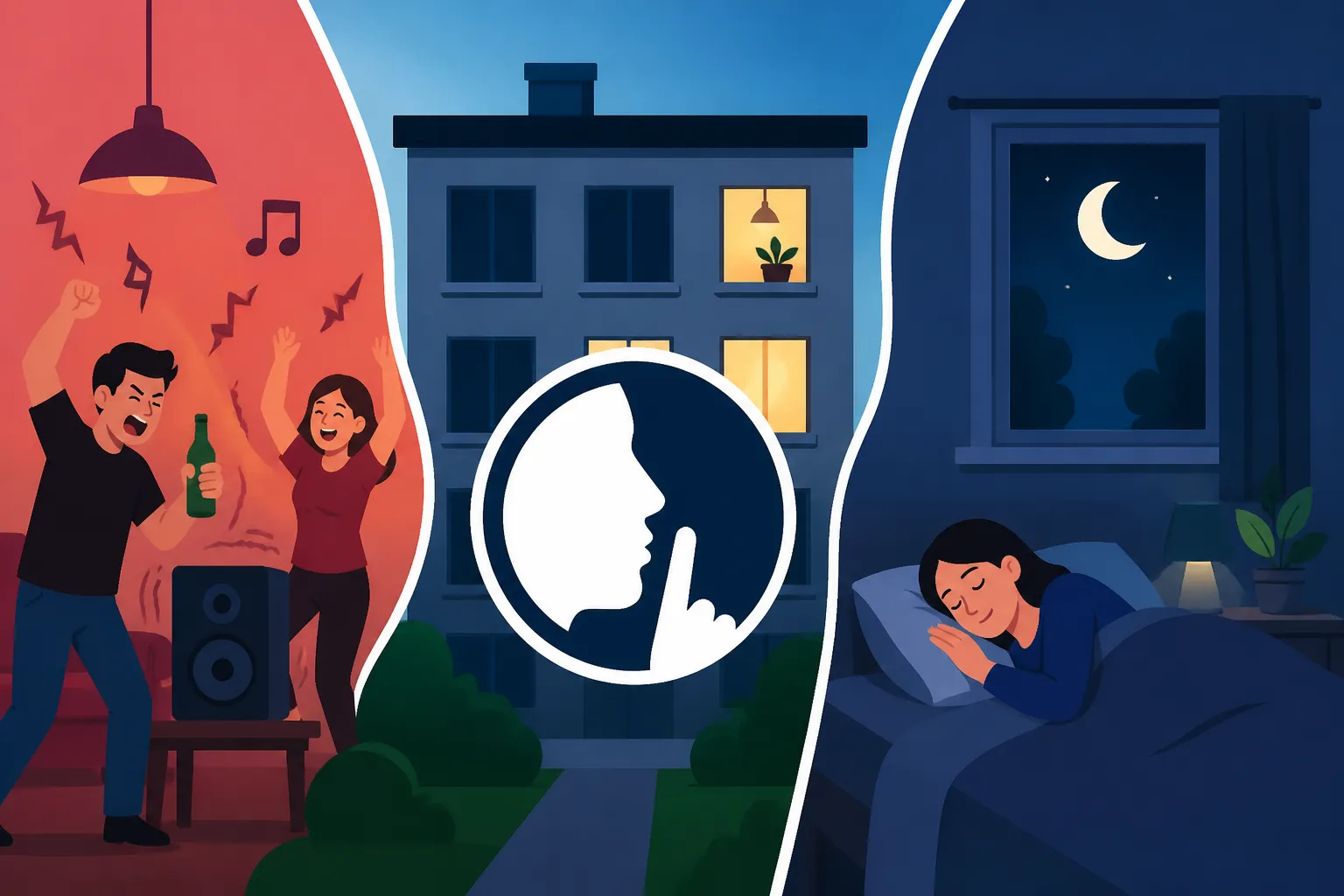
What Are the Quiet Hours in a Swedish Apartment Building?
Ah, the infamous "quiet hours" in a Swedish apartment building! This is one of those wonderfully subtle cultural nuances that can drive us expats absolutely bonkers when we first arrive. You pore over your rental contract, looking for a clear, concise rule, and often, you find nothing explicitly stating "No loud noises between 10 PM and 7 AM." Yet, there's this pervasive, unwritten understanding, isn't there? This guide is going to peel back the layers of that quiet expectation, helping you navigate the silent – and sometimes not-so-silent – world of apartment living in Sweden.
The Unspoken Code: What Exactly Are "Quiet Hours"?
When you move into an apartment building in Sweden, you're not just renting a space; you're entering a small, self-regulating community, often with an unwritten social contract about noise. While many countries have explicit clauses in rental agreements or homeowner association rules, Sweden often operates on a more implicit understanding, deeply rooted in the cultural value of not disturbing others. This concept of grannsämja (good neighbourliness) is paramount.
Generally, when Swedes talk about "quiet hours" (often referred to simply as kvällstid, nattetid, or störningsjour hours), they are typically referring to the period between 10 PM (22:00) and 7 AM (07:00) on weekdays, and often extending to 8 AM or 9 AM on weekends and public holidays. During these hours, any noise that is clearly audible outside your own apartment is generally considered a disturbance. This isn't just about blasting music; it can encompass anything from running a washing machine, taking a shower too late, moving furniture, or even particularly loud conversations.
Now, this isn't a hard-and-fast legal statute that will land you in jail for daring to sneeze after 10 PM. Instead, it's a strongly held societal expectation. The core principle isn't just about silence, but about consideration. Your neighbours aren't expecting absolute silence, but they do expect you to be mindful of the fact that thin walls and shared spaces mean sounds travel. Think about it from their perspective: they might have an early start for work, or young children trying to sleep. This cultural emphasis on lagom – not too much, not too little, just enough – extends to noise levels. You want to avoid any situation that could potentially lead to conflict, because direct confrontation is often avoided in Sweden, leading to passive-aggressive notes or, worse, direct complaints to your landlord or housing association.
The distinction between weekdays and weekends is important, though often still subtle. While a Saturday morning might allow for slightly later starts for activities like vacuuming or light DIY compared to a Tuesday morning, the general expectation of quiet evenings (after 10 PM) remains consistent. Loud parties are almost universally frowned upon after this time, especially without prior notice to neighbours. It’s all part of the unwritten Swedish rulebook that can feel like a secret code to newcomers.
Navigating Noise: Common Scenarios and What to Do
Living in an apartment naturally means you'll hear some sounds from your neighbours, and they'll hear some from you. The trick in Sweden is knowing what's generally acceptable and what crosses the line into a "disturbance."
Everyday Sounds vs. Disturbances
Normal living sounds are, of course, expected. The occasional baby crying, children playing during the day, footsteps, a dropped item, or a bit of conversation are all part of apartment life. No one expects you to live in a bubble. Even the sound of a shower or a toilet flush late at night is typically understood as unavoidable.
However, it's the sounds that go beyond these normal, everyday occurrences, especially during those quiet hours, that can become problematic.
- Parties and Social Gatherings: This is probably the most common source of friction. Having friends over is fine, but if the laughter, music, or conversation starts to escalate and spill into the hallway or through the walls past 10 PM, you're on thin ice.
- Pro Tip: If you plan on having a gathering that might get a bit lively, the Swedish way is to pre-warn your neighbours. A friendly note on the notice board or slipped under their doors a day or two in advance, stating the date, approximate time, and perhaps even offering a phone number for direct contact if they experience issues, can go a long way. It shows consideration and often preempts complaints.
- DIY and Renovations (Störande Arbete): Loud drilling, hammering, or using power tools are almost universally restricted to specific daytime hours, usually weekdays between roughly 8 AM and 5 PM, and sometimes Saturday mornings until noon or 1 PM. Sundays are typically a no-go for anything that creates significant noise. Your building's specific rules will often detail these times for "disruptive work" (störande arbete). Always check these rules before you embark on a major renovation project.
- Musical Instruments, Hobbies, and Exercise: If you play an instrument, have a noisy hobby, or enjoy exercising with loud music, be mindful of the time. Practicing a trumpet at 9 PM is likely to cause more issues than doing so at 3 PM. Again, the rule of thumb is: if it's clearly audible to your neighbours, especially after 10 PM, it's probably too loud. Consider soundproofing solutions if this is a regular part of your life.
- Children and Pets: This is a trickier one, as children will be children, and pets will bark. While occasional noise from kids or pets is generally tolerated, prolonged excessive noise (e.g., a dog barking non-stop for hours, or children running riot late into the evening) can lead to complaints. For pets, ensuring they are not left alone for long periods if they tend to bark or whine is key. For children, it's about supervision and teaching them apartment etiquette, especially after the typical quiet hours begin. Empathy plays a big role here, as parents often do their best, but consistent, loud disturbances can still be an issue.
The "When in Doubt, Ask" Rule
Seriously, this is gold in Sweden. If you're unsure if something you're planning might be too noisy, or if you're worried about a specific sound you make regularly, ask your neighbours. A friendly chat or a polite note can open lines of communication and prevent misunderstandings. Swedes appreciate directness in these practical matters, as long as it's polite and not confrontational. It's far better to proactively manage expectations than to have a complaint land on your landlord's desk.
Where to Find the Official Rules (and What If They're Broken)?
While the "unspoken code" is strong, your apartment building often does have official, written rules. The crucial thing to understand is that these rules can differ significantly depending on whether you're in a hyresrätt (rental apartment) or a bostadsrätt (housing cooperative).
Rental Apartments (Hyresrätt)
If you're renting, your primary source of official rules will be your rental contract (hyresavtal) and any supplementary house rules (ordningsregler) provided by your hyresvärd (landlord). Large public landlords, like Stockholm's Bostadsförmedlingen, or private companies will have these readily available. These documents should outline expectations regarding noise, especially during specific hours, and any restrictions on things like renovations or laundry room usage.
The Hyresgästföreningen (Swedish Union of Tenants) is an excellent resource for hyresrätt tenants. While they don't set the rules for your specific building, they offer general advice and can mediate disputes. Membership can be incredibly helpful for understanding your tenant rights in Sweden.
Housing Cooperatives (Bostadsrätt)
If you've bought into a bostadsrättsförening (BRF), the rules are set by the cooperative itself. These will be found in the BRF's statutes (stadgar) and specific house rules (ordningsregler) which every member receives. These rules are legally binding for all residents, whether they own their apartment or are renting it second-hand (in which case they should be provided by the owner).
BRF rules tend to be more detailed, covering everything from balcony usage to, yes, specific quiet hours and times for störande arbete. It's vital to read these thoroughly as they can vary wildly from one building to the next – some are very strict, others more lenient. This is particularly important if you're looking for a second-hand rental through platforms like Spotahome, as the specific BRF rules will apply to you as a sub-tenant.
What If Rules Are Broken: Addressing Noise Complaints
Dealing with noise can be uncomfortable, especially in a culture that often avoids direct confrontation. Here’s a typical Swedish approach:
-
First Step: The Gentle Approach (Preferable)
- Polite Note: For a one-off disturbance, like a loud party, many Swedes opt for a polite, unsigned note left on the neighbour's door the morning after. Something along the lines of, "Hi, we heard some noise last night that made it hard to sleep. Could you please keep it down after 10 PM in the future? Thanks, your neighbours." This is indirect but gets the message across.
- Direct but Friendly: If you feel brave enough, a direct but very friendly knock on the door can sometimes resolve issues quickly. "Hi, so sorry to bother you, but the music is quite loud and it's getting late. Would you mind turning it down a little?" The key is tone and approach.
- Keep a Log: If the disturbances are frequent, start a detailed log: date, time, type of noise, duration. This will be crucial if you need to escalate.
-
Escalation: Contacting the Responsible Party
- For Hyresrätt: If the polite note doesn't work or the noise is persistent, contact your hyresvärd (landlord). Provide them with your log of incidents. Most landlords have a störningsjour (disturbance hotline) you can call, especially after hours. They will investigate (often by sending someone out to listen) and contact the noisy tenant.
- For Bostadsrätt: Contact the BRF board (styrelse). They are responsible for enforcing the cooperative's rules. Again, provide your log. They will usually send a formal letter to the offending party.
-
Last Resort: Legal or Police Intervention
- Hyresnämnden (Rent Tribunal): For severe, ongoing issues in a hyresrätt that the landlord isn't resolving, the Hyresnämnden can mediate disputes and even issue orders if a tenant is seriously breaching their contract.
- Police (112 for emergencies, 114 14 for non-emergencies): The police are generally not for minor noise complaints. You should only call 112 if there's an immediate danger or a serious crime being committed. For ongoing, extreme disturbances that are impacting your health or safety, you might call 114 14, but they will often redirect you to your landlord or BRF first. Swedish police are very reluctant to get involved in what they consider civil neighbour disputes unless there's actual criminal activity or a breach of public peace (e.g., extremely loud, persistent parties that are causing widespread distress).
Living Harmoniously: Tips for Expats
Embracing the Swedish approach to apartment living means understanding and respecting the collective. Here are some tips to help you blend in and avoid becoming "that noisy neighbour":
- Be Proactive and Communicate: This cannot be stressed enough. When you first move in, consider introducing yourself to immediate neighbours. If you plan a party, a note is essential. If you're doing renovations, inform them of the expected duration and times. It shows respect and consideration.
- Soundproofing Solutions: Swedish apartments, especially older ones, can have surprisingly thin walls. Investing in some simple soundproofing can make a huge difference. Think heavy rugs, thick curtains, wall hangings, and strategically placed furniture. Don't place your TV or stereo directly against a shared wall.
- If you're using temporary accommodation or renting through platforms, like a short-term stay found on Airalo, remember that building types and noise insulation can vary greatly. What's acceptable in one might not be in another.
- Embrace Swedish Living: The focus on collective well-being and avoiding disruption is a cornerstone of Swedish society. This extends to communal spaces, shared laundry rooms, and, of course, your living situation. Adopt this mindset, and you'll find navigating these unwritten rules much easier.
- Know Your Building's Specific Rules: I mentioned this before, but it bears repeating. Get your hands on those ordningsregler from your landlord or BRF. Read them carefully. They are your bible for harmonious living in that specific building. Don't assume.
- Be a Patient Neighbour: Just as you expect consideration, extend it. Not all noise is malicious. Babies cry, accidents happen, and sometimes people genuinely forget. A little patience and understanding can go a long way. If it's a persistent problem, then you follow the steps outlined above.
Here's a quick comparison of general expectations for Hyresrätt vs. Bostadsrätt:
| Feature | Hyresrätt (Rental Apartment) | Bostadsrätt (Housing Cooperative) |
|---|---|---|
| Quiet Hours | Typically 22:00-07:00 (weekdays), 22:00-08/09:00 (weekends). General landlord policy. | Set by BRF's ordningsregler, can be stricter or slightly different. |
| Source of Rules | Rental contract (hyresavtal) and landlord's house rules (ordningsregler). | BRF statutes (stadgar) and specific house rules (ordningsregler). |
| Common Noise Issues | Parties, loud music, late laundry, children/pets, renovations. | Same as Hyresrätt, but often with more detailed rules on renovations. |
| Where to Complain | Landlord / Störningsjour (disturbance hotline). | BRF Board (Styrelse). |
| Enforcement | Landlord issues warnings, potentially eviction for persistent breaches. | BRF Board issues warnings, can fine members, or potentially force sale of apartment for severe, persistent breaches. |
| DIY/Renovations | Often allowed during specific weekday hours, check contract/rules. | Often requires BRF permission and adherence to strict, specific hours. |
| Tenant Advocacy | Tenant Rights in Sweden: Contracts, Rent, and the Hyresnämnden | Understanding Bostadsrätt: Buying into a Swedish Housing Co-op |
Understanding these nuances is part of the grand adventure of settling into Sweden. It might seem overly cautious at first, but once you get the hang of it, you’ll appreciate the peace and quiet that this collective consideration fosters. Remember, a peaceful home life means you can truly relax after a long day, perhaps unwinding with some streaming services after checking your mobile data options with providers like Airalo, without worrying about disturbing the neighbours or being disturbed yourself. Just another piece of the puzzle to master when creating your new life here!
Disclaimer
The information provided in this guide is for general informational purposes only and does not constitute legal advice. While we strive to provide accurate and up-to-date information, rules and regulations regarding housing, noise, and tenant rights in Sweden can change and may vary significantly between municipalities, landlords, and housing cooperatives (BRFs). Always consult your specific rental contract, BRF statutes, and current local regulations, or seek professional legal advice, for any specific situation or concern.