Where Do I Take Packaging and Glass for Recycling in Sweden?
So, you’ve finally settled into your new life in Sweden – perhaps you’ve navigated the initial paperwork, managed to get your internet set up, and you’re starting to feel a little more at home. But then comes the mundane, yet surprisingly complex, task of throwing out the rubbish. Suddenly, that simple act becomes a multi-bin puzzle, and the question looms large: "Where on earth do I take all this packaging and glass for recycling in Sweden?" You’re not alone in this; it’s a common moment of bewildered expat head-scratching, and this guide is here to unravel the mystery for you.
Understanding Sweden's Recycling Philosophy: A Deeper Look
Before we dive into the specifics of where to put your empty juice cartons and pickle jars, let's take a moment to understand the underlying philosophy behind Sweden's comprehensive recycling system. It’s not just about being green; it's deeply ingrained in Swedish society and legislation, focusing on what's called "producer responsibility" ( producentansvar ). This principle means that the companies who produce and sell products in Sweden are legally responsible for ensuring that the packaging their products come in can be collected and recycled. This crucial distinction is why recycling packaging is often handled separately from your general household waste.
This system might feel like overkill if you're coming from a country with less stringent rules, but it’s designed to maximize resource recovery and minimize landfill waste. Sweden has an incredibly high recycling rate, and it’s largely thanks to this diligent sorting at the source – meaning, you – the consumer. The idea is to turn waste into valuable resources, creating a circular economy. It’s a collective effort, and as a resident, you become an integral part of this impressive machinery. It's a bit of a learning curve, but once you get the hang of it, it becomes second nature, like knowing when to take off your shoes indoors.
The Landscape of Swedish Recycling: Different Stations for Different Needs
When it comes to recycling in Sweden, you'll encounter a few different types of facilities, and it's important to know the difference. The primary place for packaging and glass is the återvinningsstation (recycling station). These are distinct from other waste management points and are the answer to your specific query about packaging and glass.
Återvinningsstationer: Your Go-To for Packaging
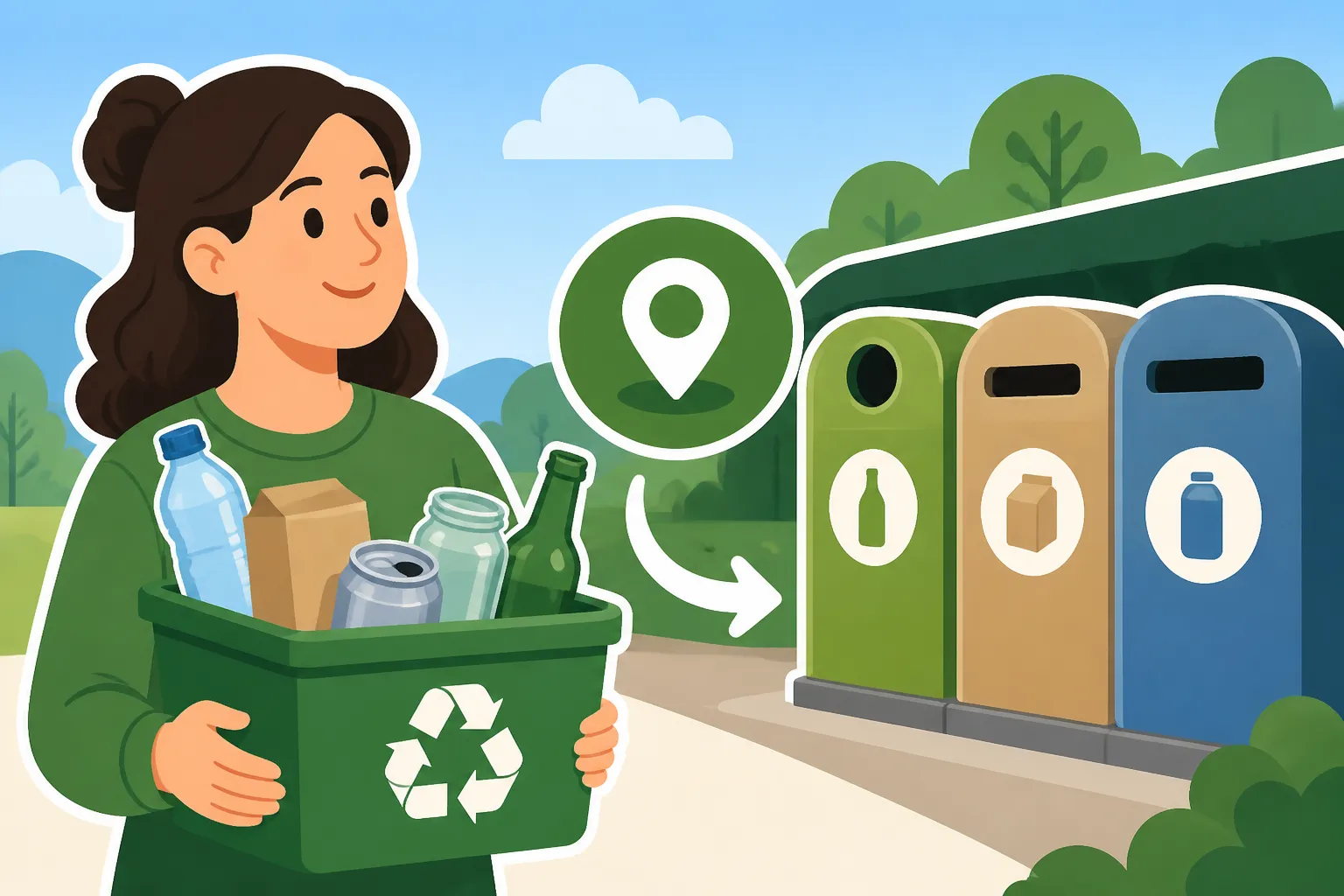
Återvinningsstationer are collection points specifically for packaging materials. These are usually open-air sites, often found in supermarket car parks, residential areas, or other easily accessible public spaces. They are operated by companies like FTI (Förpacknings- och Tidningsinsamlingen), which is now often branded as "Nära Återvinning" in many areas, fulfilling the producer responsibility mandate. These stations are equipped with large, distinct bins for various types of packaging.
You might also have access to a miljöstation (environmental station) in your apartment building or housing complex. These are usually smaller, dedicated rooms or outdoor sheds that collect a more limited range of waste, often including packaging, small electronics, and sometimes hazardous waste like batteries or light bulbs. However, the comprehensive range of packaging types will always be found at the larger återvinningsstationer.
Then there are the återvinningscentraler (recycling centres or civic amenity sites), which are much larger facilities typically found on the outskirts of towns or cities. These are for bulkier items, hazardous waste, electronics, furniture, garden waste, and anything that doesn't fit into the smaller bins at an återvinningsstation. While they do accept packaging and glass, they are generally for larger quantities or when you're disposing of a wider range of items, like when you're moving house. For your day-to-day packaging and glass, the återvinningsstation is your most convenient option.
Knowing where these stations are is crucial. You can usually find the nearest återvinningsstation by checking the website of your municipality or the "Nära Återvinning" (formerly FTI) website, which has a handy map function. Having a reliable data plan, perhaps from a provider like Airalo, can be a lifesaver when you’re out and about trying to locate one of these spots for the first time.
The Nitty-Gritty: Sorting Packaging and Glass
Now, let’s get down to the specifics of what goes where at these återvinningsstationer. Swedish recycling is quite granular, so pay close attention to the details.
Glass Packaging
This is one of the simpler categories. You’ll find two main bins for glass:
- Coloured glass (färgat glas): This includes green, brown, blue, or any other coloured glass bottles and jars. Think wine bottles, jam jars, or condiment containers.
- Clear glass (ofärgat glas): This is for transparent glass bottles and jars. Your transparent olive oil bottles, baby food jars, or certain drinks bottles belong here.
Important considerations for glass:
- Lids and caps: Always remove metal or plastic lids and caps. These should be sorted with their respective materials (metal packaging or plastic packaging). If it's a cork, it goes into general waste or, if you're really dedicated, can sometimes be composted at home.
- Rinse: Give glass a quick rinse to remove most food residue. It doesn't need to be sparkling clean, but free of large chunks.
- Labels: You don't need to remove paper labels from glass jars and bottles; they will be separated during the recycling process.
- What not to put in glass recycling: Drinking glasses, porcelain, ceramics, light bulbs, window panes, or mirrors. These items have different melting points and chemical compositions and will contaminate the glass recycling. They typically go to an återvinningscentral or, for small amounts, sometimes the general waste (though check local rules).
Plastic Packaging
Plastic is perhaps the most challenging category due to its vast variety. At an återvinningsstation, you'll typically find one or two bins for plastic packaging, usually marked "Plastförpackningar."
- Hard plastic packaging: This includes things like shampoo bottles, detergent bottles, plastic food containers, and larger plastic tubs.
- Soft plastic packaging: This category is often combined with hard plastic, but sometimes there's a separate bin or a preference to flatten these. This covers plastic bags, cling film, crisp packets, pasta bags, and other flexible plastic films.
Important considerations for plastic:
- Cleanliness: Like glass, plastic should be reasonably clean. A quick rinse is usually sufficient.
- Separation: Empty containers completely. If you have, for example, a plastic tub that contained meat, try to wipe it clean.
- "Packaging" is key: Only plastic that was packaging for a product goes here. Your old plastic toys, garden furniture, or kitchen utensils are not packaging and should go to an återvinningscentral or general waste, depending on size and type.
- Flatten and stack: To save space, always flatten plastic bottles and containers, and nestle similar items if possible. This helps reduce the volume in the bins.
Metal Packaging
Metal packaging is straightforward. There’s usually one bin marked "Metallförpackningar."
- Includes: Aluminium foil and trays (clean them!), metal cans for food (e.g., tuna, beans), drink cans (soda, beer – but remember the pant system for these!), metal tubes (like for toothpaste or mustard, ensure they're empty), and small metal lids from jars.
Important considerations for metal:
- Rinse: Give cans and foil a quick rinse.
- Empty: Make sure tubes are completely empty.
- Pant vs. Recycling: Remember that most beverage cans and plastic bottles with a Pant label are part of Sweden's deposit-return scheme, which is separate and more lucrative! You return these to specific machines in supermarkets for a small refund. Check out our guide on Recycling and the Deposit System (Pant) in Sweden for more details. Only non-deposit metal packaging goes into the metal packaging bins.
Paper Packaging and Cardboard
This category includes various forms of paper and cardboard that served as packaging. You'll find bins usually marked "Pappersförpackningar."
- Includes: Cereal boxes, pasta boxes, shoe boxes, egg cartons, toilet roll tubes, juice and milk cartons (tetra paks), paper bags, and corrugated cardboard.
Important considerations for paper/cardboard:
- Flatten: Always flatten boxes and cartons to save space.
- Remove plastic: Ensure any plastic windows (like on envelope or toy packaging) are removed and placed in plastic recycling.
- Clean and dry: Paper and cardboard should be clean and dry. Oily pizza boxes or heavily soiled paper should ideally go into general waste, as grease can contaminate the recycling process.
- Not newspapers/magazines: Old newspapers, magazines, and advertising leaflets have their own separate bins, usually marked "Tidningar" (newspapers). These are considered graphic paper, not packaging.
Here's a quick summary table to help you keep things straight:
| Waste Type | Where to Recycle (Primary Location) | Specifics & Tips | What Not to Include |
|---|---|---|---|
| Clear Glass | Återvinningsstation | Jars, bottles (rinse, remove lids); no labels removal needed. | Drinking glasses, porcelain, light bulbs, mirrors |
| Coloured Glass | Återvinningsstation | Jars, bottles (rinse, remove lids); no labels removal needed. | Drinking glasses, porcelain, light bulbs, mirrors |
| Hard Plastic Packaging | Återvinningsstation | Bottles, tubs, containers (rinse, flatten); "packaging" only. | Plastic toys, garden items, kitchen utensils |
| Soft Plastic Packaging | Återvinningsstation | Plastic bags, film, crisp packets (clean, flatten); "packaging" only. | Plastic toys, garden items, kitchen utensils |
| Metal Packaging | Återvinningsstation | Cans, foil, metal lids, empty tubes (rinse). Not Pant-marked drinks. | Tools, electrical items, Pant-marked drink cans |
| Paper Packaging | Återvinningsstation | Cereal boxes, cardboard, egg cartons, juice cartons (flatten, remove plastic). | Heavily soiled paper, newspapers, magazines, books |
| Newspapers/Magazines | Återvinningsstation (separate bin) | Newspapers, magazines, advertising leaflets, catalogues, office paper. | Books (hardcover), heavily printed paper, packaging |
| Batteries | Återvinningsstation / Miljöstation | All types of batteries, small electronics. | Large electronics (go to Återvinningscentral) |
| General Waste | Household waste bin | Food scraps, dirty items, non-recyclable items, broken porcelain/ceramics (if not Återvinningscentral). | Anything listed above, hazardous waste |
Finding Your Nearest Station and Making It a Habit
Locating your first återvinningsstation is key. As mentioned, the "Nära Återvinning" (formerly FTI) website (often www.fti.se or a similar domain that redirects to the new brand) is your best friend. Their interactive map allows you to input your address and find the closest drop-off points, along with details on what types of materials they accept. Many municipalities also provide this information on their websites.
Once you’ve found a convenient spot, it’s about making it a routine. Many expats find it helpful to set up a dedicated sorting system at home. This might mean having separate bags or small bins for different categories (plastic, paper, glass, metal) under your sink, in a cupboard, or on your balcony. It might seem like a hassle initially, but once you incorporate it into your household chores, it becomes incredibly efficient. Trust me, after you've learned How Do I Sort My Recycling in Sweden?, it actually feels pretty good to be so organized.
In some areas, especially in larger cities and newer housing developments, you might even have "källsortering" (source sorting) right in your building's waste room, which is a massive convenience. If you're still looking for an apartment, platforms like Spotahome often list amenities, and knowing if a building has good recycling facilities might be a factor in your decision when you’re considering your next home in Sweden. Having good recycling infrastructure close by can truly simplify your daily life.
Remember, the Swedish system is designed for meticulousness. Don't throw something in a bin just because you think it might belong there. If in doubt, it’s often better to check online or err on the side of general waste rather than contaminating an entire batch of recycling. The Swedes take their recycling seriously, and you’ll often see people meticulously sorting their waste at the stations. It's a small cultural immersion in itself!
Beyond Packaging: Broader Recycling for a Sustainable Life
While this guide focuses on packaging and glass, understanding the full scope of Swedish recycling is beneficial. Many items you might consider "waste" elsewhere have specific recycling streams here. For instance, batteries, light bulbs, and small electronics can often be dropped off at återvinningsstationer or dedicated miljöstationer in grocery stores. Larger items and hazardous waste go to the återvinningscentral. You can learn more about managing your entire household's environmental footprint in our general guide on Everyday Living in Sweden: Groceries, Recycling, and Local Customs.
Furthermore, remember the importance of your Personnummer, Folkbokföring, and Your Legal Status in Sweden as these are foundational to accessing many services, including understanding local municipal guidelines that might vary slightly. Although recycling stations are generally publicly accessible, being registered helps you stay informed about your local area's specific rules and changes.
The Swedish approach can seem overwhelming at first, with all its different bins and rules. But think of it as a commitment to sustainability that you’re now a part of. Each correctly sorted bottle, carton, and can contributes to a cleaner environment and more efficient use of resources. It’s a way of living that many grow to appreciate, and it’s one of those uniquely Swedish experiences that, once mastered, will make you feel truly settled.
Disclaimer
The information provided in this guide is for general informational purposes only and does not constitute legal, financial, or professional advice. While we strive to keep the information up-to-date and accurate, recycling regulations and facilities in Sweden can vary by municipality and may change over time. Always consult official sources such as your local municipality's website or "Nära Återvinning" for the most current and specific guidelines applicable to your area.