How Does the Bottle and Can Deposit (Pant) Work in Sweden?
Moving to Sweden often brings a delightful mix of discovery and head-scratching moments. You're trying to figure out how to pay bills, set up your internet, and then you're hit with the country's meticulous recycling systems. One of the most unique, and initially confusing, aspects for many newcomers is the Pant system – the deposit scheme for bottles and cans. Don't worry, you’re not alone if you've stood bewildered at a humming machine in ICA. This guide will demystify Pant, explaining exactly how it works, why it's so important here, and how you can seamlessly integrate it into your new Swedish life.
Understanding Sweden's Pant System: More Than Just a Deposit
The Pant system in Sweden isn't just about getting a few kronor back; it's a deeply ingrained part of Swedish culture and a cornerstone of the country's commitment to sustainability and a circular economy. From the moment you arrive, you'll see people diligently collecting their empties, sometimes even carrying large Pant bags on public transport. It's a collective effort, and understanding it is key to feeling truly at home here.
What Exactly is Pant? The Philosophy Behind It
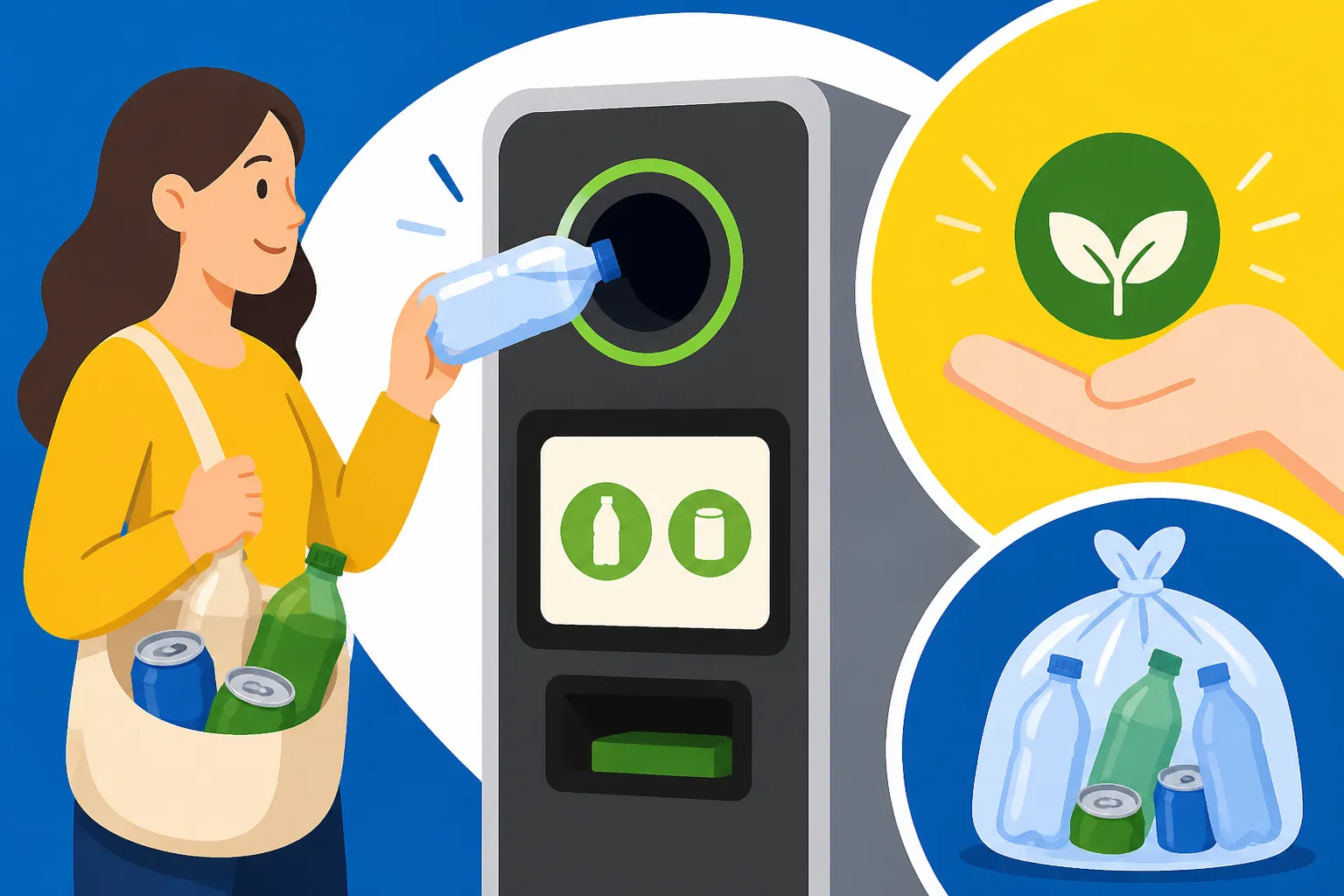
At its heart, Pant is a national deposit-return system for beverage packaging. The word "pant" itself means "deposit" in Swedish. When you buy a drink in a Pant-marked bottle or can, a small deposit is added to the price. This deposit is then refunded to you when you return the empty container to a designated Pant machine. It's a brilliant, simple mechanism designed to encourage consumers to recycle and ensure that valuable materials like aluminum and PET plastic are collected and reused, rather than ending up in landfills or polluting nature.
Sweden's commitment to recycling is legendary, and the Pant system is a prime example of this proactive approach. It significantly reduces waste, conserves natural resources, and lowers energy consumption needed to produce new packaging. For many Swedes, it's second nature – a small act that contributes to a larger, environmentally conscious society. This system, overseen by Returpack, which operates under the brand Pantamera, has achieved impressive return rates, often over 80-90% for eligible packaging. It's truly a testament to how effective such a scheme can be when adopted widely.
Identifying Pant Eligible Items: Look for the Mark
The first hurdle for many newcomers is figuring out which bottles and cans actually qualify for a deposit. It's not every bottle or can you buy; typically, it applies to ready-to-drink beverages like sodas, beers, ciders, and bottled waters. Crucially, these items must have been sold in Sweden. You won't be able to Pant that soda bottle you brought over from Denmark or Germany, even if it looks identical.
To make things easy (once you know what to look for!), every eligible item carries a distinct Pant symbol. This is usually a white or green circular arrow logo with "Pant" written on it, often accompanied by the value of the deposit. Keep an eye out for this symbol on the label.
Here’s a quick breakdown of what you’ll typically find:
- 1 SEK (Swedish Krona) deposit: Usually for smaller plastic bottles (under 0.5 litres) and aluminum cans.
- 2 SEK deposit: Typically for larger plastic bottles (0.5 litres and above).
These values are clearly marked on the Pant symbol. You'll primarily find plastic PET bottles and aluminum cans in the Pant system. Glass bottles, while certainly recyclable, usually fall under a separate recycling stream for glass packaging and are not part of the Pant deposit system. This distinction is one of the nuances of How Do I Sort My Recycling in Sweden? that can initially trip up new arrivals.
Your Step-by-Step Guide to Returning Pant Items
The act of returning Pant items, or "panta" as the verb goes, is a simple process once you get the hang of it. Most large grocery stores, like ICA, Coop, and Willys (where you'll likely do your Grocery Shopping in Sweden: ICA, Coop, Willys, and Saving Money), have dedicated machines for this.
Where to Find a Pant Machine (Panta Utomater)
Pant machines, also known as "panta utomater," are almost exclusively located inside or just outside supermarkets. They're usually hard to miss, often large, industrial-looking contraptions that make a distinct whirring and clanking sound as they process bottles and cans.
When you walk into a grocery store, look for signs that say "Pant" or "Pantamera." Sometimes they are right by the entrance, other times tucked away near the checkout or in a separate recycling room. In smaller stores, you might find a less automated system where you hand your items to a cashier, but this is increasingly rare.
The process itself is straightforward:
- Insert one item at a time: The machine has a slot where you feed in your empty bottle or can. Make sure it's not too crushed, or the barcode might not be readable.
- Wait for recognition: The machine scans the barcode and registers the deposit value.
- Repeat: Continue inserting all your Pant items.
- Print receipt: Once you're done, press a button (usually marked "Kvitto" or "Receipt") to get a printed voucher.
Knowing where these machines are and how they operate is just part of integrating into Everyday Living in Sweden: Groceries, Recycling, and Local Customs.
The Return Process: From Bottle to Refund
Once you've fed all your empties into the machine and printed your receipt, you're just one step away from getting your refund. This receipt isn't cash itself; it's a voucher for the total amount of your deposits.
You then take this voucher to the checkout counter in the same store. The cashier will scan it, and you'll have a few options:
- Cash refund: You can receive the amount in cash. This is a common choice, especially for smaller amounts. Remember that Sweden is moving towards a cashless society, but Pant refunds are one of the few instances where cash is still readily given out. If you're managing your finances in Sweden, understanding these small cash transactions is part of the larger picture of Money and Finance in Sweden: A Complete Guide for Foreigners (2027).
- Store credit: You can deduct the amount from your current grocery bill. Many people opt for this, as it's convenient and reduces their shopping total.
- Donation: Many machines also offer an option to donate your Pant value to a chosen charity. This is a popular option for those who want to contribute to a good cause, and the charities displayed often rotate.
It’s generally a smooth process, but sometimes you might encounter a machine that’s full, or temporarily out of order. If you're ever unsure about a store's specific Pant setup or need to quickly look up machine locations or check opening hours, having reliable mobile data, perhaps with an eSIM from Airalo, can be a real lifesaver. This little bit of digital assistance can save you a lot of hassle when you’re out and about.
Common Challenges and Insider Tips for Expats
While the Pant system is efficient, it can present a few quirks for those not used to it. Learning the ropes is part of the charm of Housing and Living in Sweden: The Complete Newcomer's Guide (2027).
Overcoming Initial Confusion: What Newcomers Often Miss
One of the most common frustrations for newcomers is when the Pant machine refuses to accept their item. There are usually a few key reasons for this:
- Foreign items: As mentioned, only bottles and cans sold in Sweden with the Swedish Pant mark are accepted. Your German beer cans or French water bottles, no matter how eco-friendly, won't be recognized.
- Damaged packaging: The machine relies on reading the barcode and sensing the shape and material. If a can is heavily crushed, or a bottle is severely dented or has a torn label, the machine might not be able to identify it. Try to keep your Pant items in as good condition as possible.
- Barcode issues: Sometimes the barcode is dirty, wet, or simply worn off. Give it a quick wipe, but if it’s truly unreadable, the machine won't accept it.
- Wrong material: Accidentally trying to insert a glass bottle or a non-Pant plastic container is another common mistake. Remember, Pant is primarily for PET plastic and aluminum.
Don't be shy if you're struggling. Most machines have clear instructions, often in multiple languages including English. If you’re really stuck, a quick glance at how a local Swede is using the machine can provide all the visual cues you need. If language is a persistent barrier, remember that resources like Learning Swedish: SFI, Courses, and Language Paths for Newcomers can significantly boost your confidence in everyday interactions, even with a recycling machine!
Maximising Your Returns and Impact
To make your Pant experience as smooth as possible and ensure you're getting all your deposits back, here are a few insider tips:
- Store smartly: Designate a specific bag or bin at home for your Pant items. This keeps them separate from other recycling and prevents them from getting squashed. You'll often see special Pant bags sold in stores, designed for this purpose.
- Cleanliness matters: While you don't need to wash them rigorously, give bottles and cans a quick rinse, especially if they contained sugary drinks. This prevents stickiness and makes the process more pleasant.
- Integrate into your routine: Make returning Pant a regular part of your grocery shopping trip. Accumulating too many empties can be cumbersome, especially if you live in a smaller apartment.
- The bigger picture: Remember that by participating, you're contributing to Sweden's remarkable recycling rates and circular economy. It's a small act that collectively makes a huge difference. For those settling into their new homes, perhaps after finding their ideal place through a platform like Spotahome, you'll quickly find that embracing these local customs, including Pant, is a rewarding part of establishing your new life.
Here's a handy overview of the common Pant values and examples:
| Deposit Value | Typical Items | Identification Mark |
|---|---|---|
| 1 SEK | Aluminum cans, small plastic bottles (<0.5L) | Circular "Pant" logo, often green or white with 1 |
| 2 SEK | Large plastic bottles (0.5L and above) | Circular "Pant" logo, often green or white with 2 |
Beyond Pant: The Broader Swedish Recycling Landscape
While Pant handles a specific type of beverage packaging, it's just one piece of Sweden's comprehensive recycling puzzle. As you get comfortable with the Pant system, you'll naturally start to notice and participate in other recycling initiatives.
Other Household Recycling
Sweden has an extensive system for separating and recycling various types of household waste. Beyond your Pant items, you'll typically find separate collection points, either in your building's communal recycling room or at public "återvinningsstationer" (recycling stations), for:
- Glass packaging: Separate bins for clear, colored, and sometimes brown glass.
- Paper packaging: Cardboard, milk cartons, cereal boxes, etc.
- Plastic packaging: Other plastic containers not covered by Pant.
- Metal packaging: Food cans, aluminum foil, etc.
- Newspapers and magazines: Dedicated bins for paper products.
This detailed separation ensures that resources are effectively managed. For a deeper dive into how to manage all your waste, check out our guide on Where Do I Take Packaging and Glass for Recycling in Sweden?.
The Environmental and Economic Benefits
The success of the Pant system, alongside Sweden's broader recycling efforts, is something truly commendable. It fosters a strong sense of environmental responsibility among residents and demonstrates a practical way to achieve ambitious sustainability goals. By returning your bottles and cans, you are directly supporting a system that lessens the need for new raw materials, reduces energy consumption in manufacturing, and minimizes pollution. It’s a powerful example of how public participation can drive positive environmental change, and it’s a vital component of Sweden's impressive overall waste management strategy.
Disclaimer
The information provided in this guide is intended for general informational purposes only and does not constitute legal, financial, or immigration advice. While we strive to keep the information accurate and up-to-date, rules and regulations in Sweden can change. Always consult official sources like Migrationsverket, Skatteverket, or other relevant authorities for the most current and specific guidance pertaining to your individual situation.