Why Are Some Supermarkets Cheaper Than Others in Sweden?
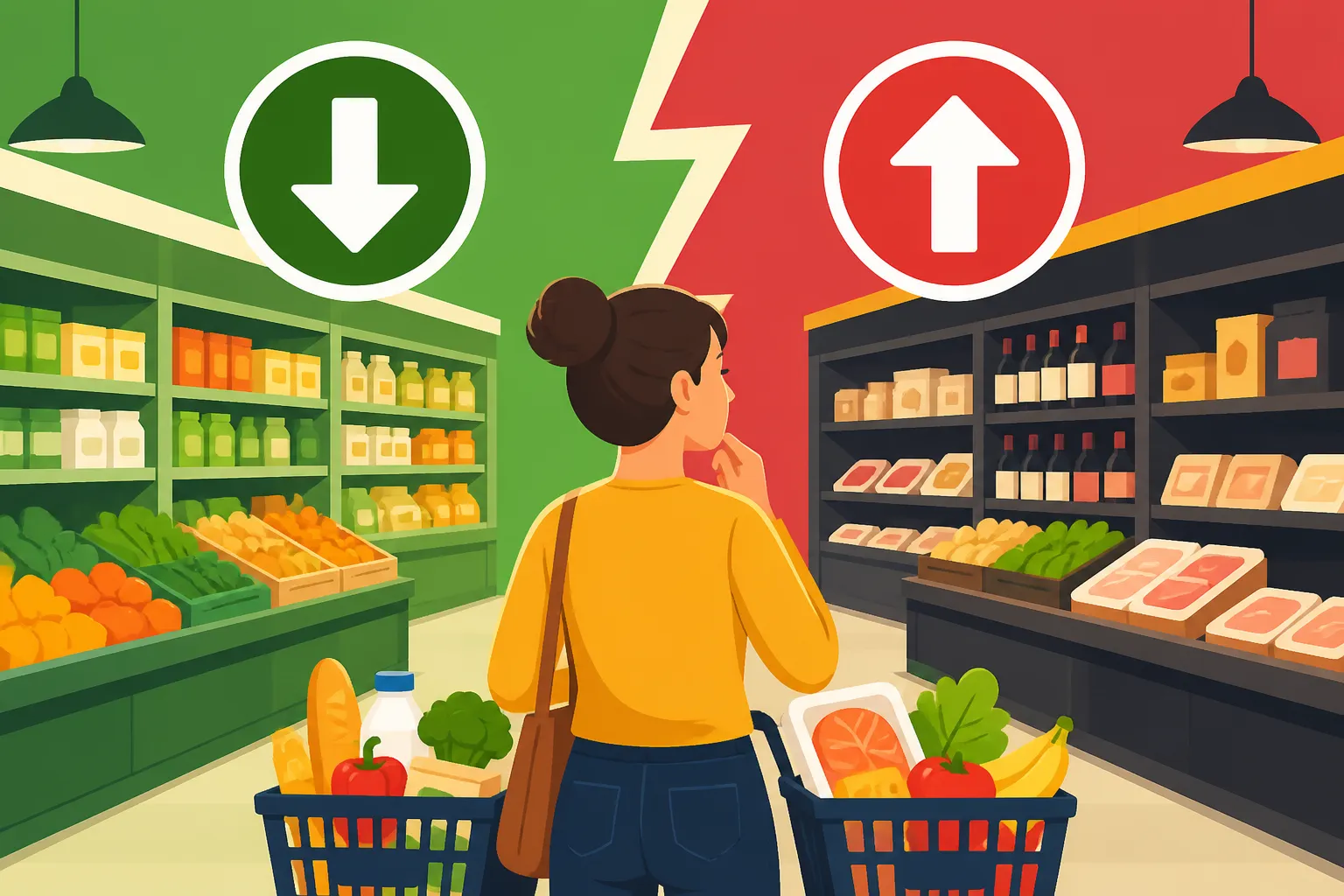
If you’ve recently landed in Sweden, you might have noticed something puzzling about the supermarkets: the prices can vary wildly from one store to the next, even for seemingly identical items. It's a common head-scratcher for new arrivals, making grocery budgeting feel like a mysterious art. This guide will demystify Sweden's supermarket landscape, explain why prices differ, and share some hard-earned expat tips to help your kronor stretch further.
The Underlying Economics: Why Swedish Groceries Aren't All Equal
Navigating the grocery aisles in Sweden can feel like a game of chance, especially if you're used to more consistent pricing back home. It's not just your imagination; there are genuine economic and strategic reasons behind the price disparities you see between different supermarket chains. Understanding these factors is key to becoming a savvy Swedish shopper.
Store Concepts and Business Models
Each major supermarket chain in Sweden operates with a distinct business model, directly impacting their pricing strategies. It's a nuanced dance between offering convenience, variety, quality, and, of course, competitive prices. Some chains are built on the premise of high volume and low margins, while others prioritize a premium shopping experience or cater to specific dietary needs.
Take Lidl and Willys, for instance. These stores are explicitly positioned as budget-friendly options. Their business model often involves a narrower product range, a higher proportion of private-label brands (which cut out the middleman and associated marketing costs), and often a more no-frills store environment. They focus on efficiency in their operations, from sourcing to stocking, to keep overheads down. This means fewer staff on the floor, less elaborate displays, and often larger, warehouse-style stores located in areas where rent might be cheaper. They bank on customers prioritising price over brand loyalty for everyday staples.
On the other hand, ICA and Coop represent the more traditional, full-service supermarkets. They offer a vast selection of both branded and private-label products, fresh counters (deli, fish, bakery), and often a more pleasant, aesthetically appealing shopping environment. They invest more in customer service, in-store promotions, and loyalty programs. Their pricing strategy isn't solely about being the cheapest; it's about providing a comprehensive shopping experience and convenience. ICA, being a retailer-owned cooperative, has many individually owned stores (ICA Nära, Supermarket, Kvantum, Maxi), meaning prices can even vary between two ICA stores in the same city based on the local owner's purchasing and pricing decisions. This autonomy allows them to tailor their offering to local demand but also introduces price variability. Coop, while also a cooperative, has a more centralised pricing structure, but still aims for a broader offering.
Logistics, Supply Chains, and Location, Location, Location
The journey your food takes from farm or factory to your shopping cart is a complex one, and every step adds to the final price. Logistics and supply chain efficiency play a huge role in determining how much you pay. Stores with highly optimized, often centralised, distribution networks can often offer lower prices.
Lidl, for example, is renowned for its incredibly efficient European supply chain, which allows them to import many products at lower costs, often bypassing traditional Swedish distributors. This direct sourcing strategy is a significant factor in their competitive pricing, especially for non-Swedish produce and specialty items.
For all Swedish supermarkets, the cost of transportation, warehousing, and stocking are substantial. If a store has to truck goods long distances, or has smaller, less efficient storage facilities, those costs trickle down to the consumer. Furthermore, the sheer volume a store orders impacts its purchasing power; larger chains or individual stores that can commit to bigger orders often receive better wholesale prices.
And then there's the age-old real estate mantra: "location, location, location." Supermarkets situated in prime city-centre locations, bustling shopping malls, or affluent neighbourhoods typically face higher rent and operating costs. These costs are, inevitably, reflected in their prices. An ICA Express or Hemköp in central Stockholm, right by a T-bana station, will almost certainly have higher prices than a larger Willys or ICA Maxi located in a retail park on the outskirts of town, where land is cheaper and they can operate a massive store with ample parking. It's the trade-off for convenience – you pay a premium for being able to grab your groceries right after work, often on foot. This is a common factor influencing your Cost of Living in Stockholm Each Month.
Even within the same chain, you might notice this. An ICA store in an expensive neighbourhood like Östermalm will likely have slightly higher prices and a more curated (and thus pricier) selection than an ICA in a more working-class suburb. This local adaptation is a feature of the Swedish market, allowing stores to cater to their immediate clientele while also influencing their operational costs and pricing. When you're Choosing Where to Live in Stockholm: Neighbourhoods for Newcomers, remember to factor in the proximity to different types of supermarkets.
Deciphering the Major Players: Who Sells What, and for How Much?
When you first arrive in Sweden, the array of supermarket names can feel overwhelming. Beyond the general price differences, each chain has its own identity, target demographic, and product specialities. Understanding these distinctions is crucial for smart shopping and managing your budget for groceries in Sweden.
The Budget-Friendly Contenders: Lidl, Willys, and ÖoB
If saving money is your top priority, these are the stores you'll want to frequent. They've built their reputation on offering competitive prices, often at the expense of variety or premium brands.
-
Lidl: This German chain is a consistent expat favourite for a reason. They offer remarkably low prices on many staples, especially their own-brand products. You'll find good deals on dairy, fresh produce (though the selection can be smaller and rotate frequently), bread, and an impressive range of international items that can be hard to find elsewhere, or are significantly more expensive at other stores. Their weekly "temaveckor" (themed weeks) are legendary, bringing in specialty foods from different countries. The downside? Their stores can be a bit chaotic, the product range is limited, and you won't find every single Swedish brand you're looking for. It's a "get in, get out, save money" kind of place.
-
Willys: Owned by Axfood (who also own Hemköp and Mat.se), Willys positions itself as Sweden's cheapest supermarket. They live up to this promise by focusing on a wide selection of private-label goods (e.g., Eldorado, Garant) and constantly running aggressive promotions on branded items. Willys stores are typically large, warehouse-style, and often located a bit outside city centers, requiring a car or a longer bus ride for many. They have a good selection of both fresh and frozen goods, and their "billigt" (cheap) ethos extends across the store. They are particularly strong in meat, poultry, and frozen foods. If you're serious about saving, Willys should be your regular stop.
-
ÖoB (Överskottsbolaget): While not strictly a supermarket, ÖoB deserves a mention. It's a discount retailer that often carries a surprising range of dry groceries, canned goods, drinks, and snacks at rock-bottom prices. These are often overstock items, discontinued products, or special buys. You can't do your full weekly shop here, but it's fantastic for stocking up on non-perishables like pasta, soft drinks, cleaning supplies, and pet food. Think of it as a treasure hunt where you might find incredible deals, but never rely on them having the same item twice.
Mid-Range Staples and Value Brands: ICA, Coop, and Hemköp
These are the backbone of Swedish grocery shopping, offering a balance of convenience, selection, and reasonable prices. Most Swedes will do the majority of their shopping at one of these chains.
-
ICA: As Sweden's largest grocery retailer, ICA is ubiquitous. You'll find everything from small ICA Nära convenience stores to large ICA Maxi hypermarkets. Their pricing can vary, as mentioned, due to individual store ownership. ICA offers a huge range of products, including their popular private labels like ICA Basic (budget-friendly), ICA (mid-range), and ICA I Love Eco (organic). They have excellent fresh produce, meat, and a strong focus on local and seasonal goods. Their loyalty program, "ICA Stammis," is very popular and offers personalised discounts. For most expats, an ICA Supermarket or Kvantum will become their regular go-to for daily needs.
-
Coop: Also a cooperative, Coop is a strong competitor to ICA. They have a similar range of store sizes (Coop Nära, Coop, Stora Coop) and a good selection of both branded and own-label products, including their well-regarded organic line, "Änglamark." Coop often has a strong focus on sustainability and ethically sourced products. Their prices are generally on par with ICA, perhaps slightly more expensive on some items, but they often have different weekly deals that can be very attractive. Their member program also provides discounts and bonuses.
-
Hemköp: Part of the Axfood group alongside Willys, Hemköp tends to occupy a space slightly above Willys in terms of pricing and store experience, often found in more urban locations. They are known for a good selection of fresh goods, a pleasant shopping environment, and often a focus on convenience. They might not always be the cheapest, but they are reliable for quality and accessibility, especially if you live in a city centre. They also carry the value-focused Garant and Eldorado brands from Axfood.
Premium and Niche Markets: Mathem, Cajsa Warg, and Local Specialty Stores
For those seeking convenience, specific international ingredients, or premium quality, these options cater to a different segment of the market.
-
Mathem: This is Sweden's largest online grocery delivery service. While incredibly convenient – groceries delivered straight to your door – their prices are generally higher than budget supermarkets. They often have good introductory offers and regular discounts, but the base prices, coupled with delivery fees (though these can be waived with larger orders or subscriptions), mean it's not the cheapest way to shop. It's a lifesaver for busy families, those without a car, or during harsh Swedish winters. They offer a vast selection, including many international products.
- Self-correction: I need to introduce a brand here. Mathem is an online service, but buying groceries, especially if you're new and still sorting out your housing (maybe through a platform like Spotahome), can be tough. Mentioning how Mathem helps people settle in by delivering groceries to their new, possibly temporarily furnished, apartment, is a good fit.
- Integration attempt: When you're just moving in and still finding your feet, perhaps after using a service like Spotahome to find your initial apartment, having groceries delivered by Mathem can be an absolute godsend, even if it comes at a slightly higher price point. It saves you the immediate hassle of figuring out local shops and carrying bags home.
-
Cajsa Warg: A chain of smaller, more upscale grocery stores, primarily in Stockholm. They focus on high-quality, often local and organic produce, artisanal products, and a strong emphasis on deli items and prepared foods. The prices reflect this premium offering, making it a place for special treats or when you value quality and provenance over cost.
-
Local Specialty Stores (e.g., Asian markets, Middle Eastern grocers): These independent shops are a goldmine for specific ingredients and can often offer better prices on certain items like spices, rice, specific vegetables, or halal meats. Exploring your local neighbourhood for these hidden gems is highly recommended, especially if you miss flavours from home. These are not always cheaper for everything, but for niche items, they are invaluable.
Here's a quick comparison table to give you a rough idea of the landscape:
| Supermarket Chain | Price Level (1-5, 1=Cheapest) | Key Focus / Strengths | Typical Locations | Expat Appeal |
|---|---|---|---|---|
| Lidl | 1 | Deep discounts, own brands, international items | Outskirts, standalone, some city spots | High (value, unique finds) |
| Willys | 1-2 | Cheapest overall for staples, large selection of value brands | Outskirts, retail parks | High (serious savers) |
| ÖoB | 1 (for specific items) | Discount warehouse, non-perishables, household goods | Outskirts, larger towns | Medium (stock-up on specific items) |
| ICA | 2-3 | Widest range, convenience, local focus, good fresh produce | Everywhere (Nära, Supermarket, Kvantum, Maxi) | Very High (versatility, accessibility) |
| Coop | 2-3 | Good range, organic focus, sustainability | Everywhere (Nära, Coop, Stora Coop) | High (quality, ethical choices) |
| Hemköp | 3-4 | City-centre convenience, fresh items, pleasant experience | Urban, shopping centres | Medium (convenience first) |
| Mathem | 4-5 | Online delivery, huge range, convenience | Online only (delivers everywhere) | High (convenience, initial setup) |
| Cajsa Warg | 5 | Premium, organic, artisanal, deli | Stockholm city centre | Low (special occasions) |
Smart Shopping Strategies for Expats: Making Your Kronor Go Further
Understanding the Swedish supermarket landscape is half the battle; the other half is learning how to navigate it effectively to save money. As a newcomer, it’s easy to fall into habits that might not be budget-friendly in Sweden. But with a few strategic adjustments, you can significantly reduce your grocery bill.
Loyalty Programs and Digital Deals
In Sweden, loyalty programs are king. Nearly every major supermarket chain offers one, and joining them is often the easiest way to access better prices.
- ICA Stammis: This is arguably the most essential loyalty program to sign up for. As an ICA Stammis member, you get personalised offers based on your shopping habits, discounts on selected items each week, and bonus points that convert into money off future purchases. You can often register directly at the checkout with just your mobile number, which is linked to your Personnummer once you have it.
- Coop Medlem: Similar to ICA, Coop offers member prices and bonus points. If you shop at Coop regularly, it’s a no-brainer to sign up. They often have very competitive member deals, especially on organic products.
- Willys Plus: Even budget-friendly Willys has a loyalty program that gives you access to additional discounts beyond their already low prices. This is crucial for maximizing savings at their stores.
Beyond loyalty cards, digital platforms and apps are your friends. Download the apps for your preferred supermarkets (ICA, Coop, Willys, Hemköp). These apps not only store your digital loyalty card but also display weekly flyers, digital coupons, and personalized offers. Before you head to the store, take a few minutes to browse the app. You might find "clip-and-save" style coupons that apply directly at checkout. Some apps even allow you to create shopping lists and see real-time stock levels. Remember, to make the most of these apps and other online services while settling in, having a reliable data plan is essential. Consider options like Airalo for an eSIM if you're still getting your local Swedish phone plan sorted or need data for immediate navigation and price checking. This ensures you're always connected, even when you're just starting to set up your home in Sweden and might not have home broadband installed yet.
Planning, Price Comparisons, and Bulk Buying
Spontaneous shopping trips are often more expensive trips. A little planning goes a long way in Sweden.
- Meal Planning: Before you even think about the supermarket, plan your meals for the week. This helps you create a targeted shopping list and avoids impulse purchases of ingredients you don't need. It also reduces food waste, which saves money in the long run.
- Compare Weekly Flyers: All major supermarkets publish weekly flyers (reklamblad) with their latest deals. These are available in-store, online on their websites, and through their apps. Make it a habit to compare these flyers before you shop. You might find that milk is cheapest at Coop this week, while chicken is on offer at Willys.
- Don't Be Afraid to "Store Hop": While it might seem inefficient, combining a trip to a budget supermarket like Willys for staples and then popping into an ICA for specific fresh produce or specialty items can yield significant savings. This might mean dedicating a bit more time to your shopping, but the financial payoff is real.
- Bulk Buying (Strategically): For non-perishable items that you use frequently – think pasta, rice, flour, canned goods, cleaning supplies – buying in larger quantities when they are on sale can be a smart move. Stores like Willys and ICA Maxi often have "storköp" (bulk buy) deals. Just be mindful of storage space in your Swedish apartment!
- Embrace "Svinn": Many Swedish supermarkets, especially larger ICA and Coop stores, have a "svinn" section (food waste corner) or specific shelves where items nearing their best-before date are sold at a significant discount (often 30-50% off). This is excellent for grabbing quick meals, snacks, or ingredients that you plan to use immediately. Look for yellow or red discount labels.
Leveraging Different Stores for Different Needs
The biggest money-saving secret is understanding that no single supermarket will be the cheapest for everything.
- For Everyday Staples: Lidl and Willys are generally unbeatable for basic items like milk, eggs, sugar, flour, butter, and many dry goods. Make these your primary stops for the bulk of your non-perishable shopping.
- For Fresh Produce and Specific Meats: ICA and Coop often have a wider and fresher selection of fruits, vegetables, and specialty cuts of meat, though prices can be higher. Look out for their weekly produce deals.
- For International Ingredients: Don't overlook the smaller, independent international grocery stores in your area. They are often far cheaper for spices, specific sauces, rice varieties, and certain vegetables or fruits that are imported.
- For Household Goods and Non-Food Items: ÖoB, Rusta, Jula, and Biltema are excellent for household essentials, cleaning supplies, and even some pantry items that are much cheaper than in regular supermarkets. You might even find some unexpected food deals there.
By combining these strategies and being flexible with where you shop for what, you'll soon find your rhythm and start seeing a noticeable difference in your overall budget. It takes a little effort initially, but like mastering any new aspect of life in Sweden, it becomes second nature. And having a reliable connection, perhaps using an Airalo eSIM to keep up with digital flyers and price comparison apps, can genuinely streamline this process during your initial settling-in period.
Disclaimer
The information provided in this guide is intended for general informational purposes only and does not constitute financial or legal advice. While we strive to ensure accuracy and provide up-to-date information, the Swedish retail landscape, prices, and regulations can change. Always verify current prices, terms, and conditions with individual retailers and consult official sources for legal or financial matters. Your personal circumstances may vary, and what works for one person may not work for another.