Do I Need Permission from the BRF to Sublet My Bostadsrätt?
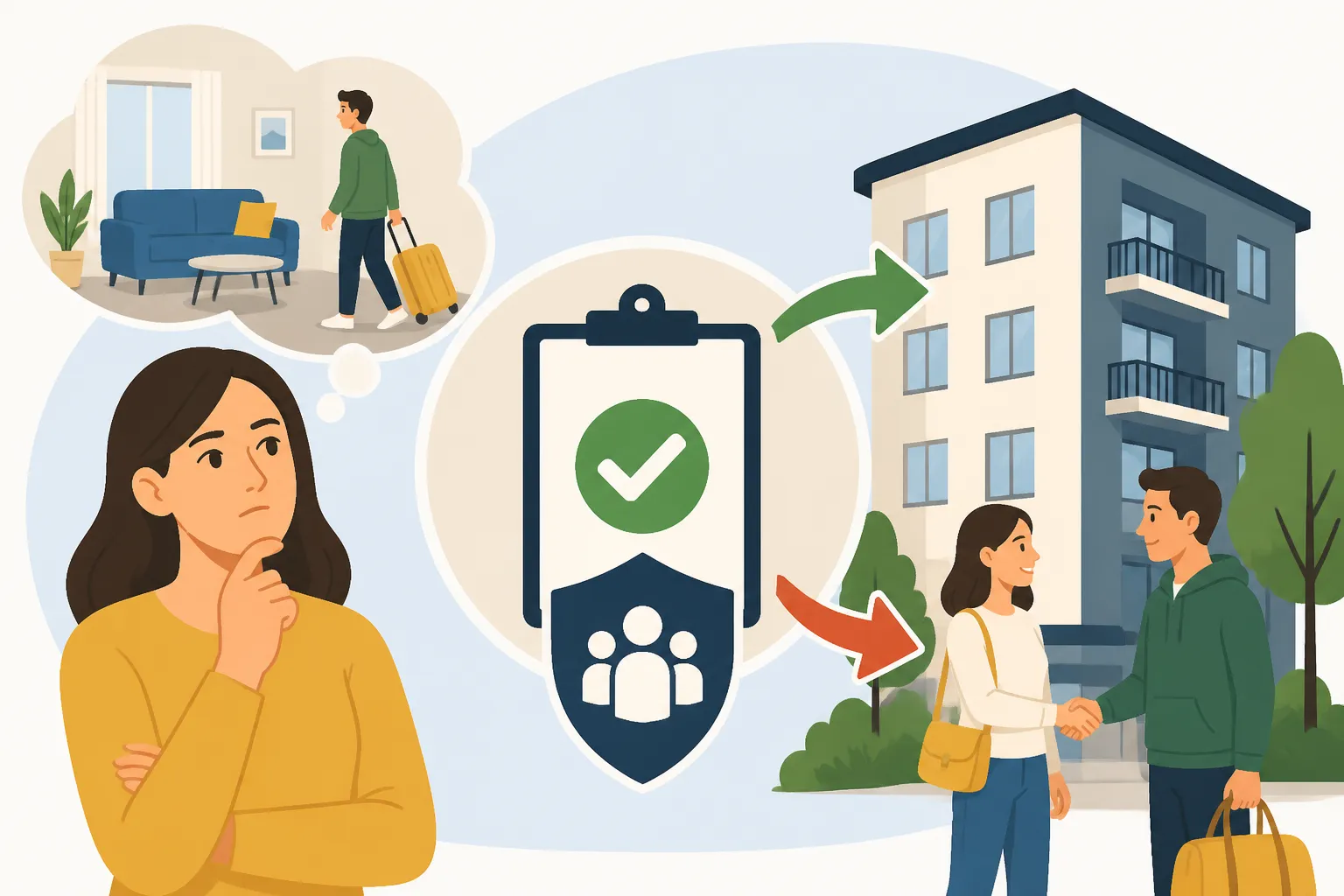
Moving to Sweden and navigating its unique housing market can feel like trying to solve a Rubik's Cube blindfolded. Many expats dream of buying a home, and for good reason – the bostadsrätt system offers stability and a sense of belonging. But what happens if life throws a curveball and you need to leave your bostadsrätt temporarily? Can you just rent it out to someone else? This guide will cut through the confusion and explain exactly why you absolutely need permission from your bostadsrättsförening (BRF) to sublet your apartment, and how to go about getting it.
Understanding the Bostadsrätt Concept and Why It Matters for Subletting
Before we dive into the nitty-gritty of subletting, it's vital to grasp what a bostadsrätt truly entails in Sweden. It's not the same as owning a freehold property in many other countries, and this fundamental difference is precisely why subletting isn't a simple, unilateral decision. Many foreigners arrive with preconceived notions of homeownership, and the bostadsrätt system can be a bit of a head-scratcher.
What Exactly Is a Bostadsrätt?
When you "buy" a bostadsrätt, you're not actually buying the physical apartment itself in the same way you might buy a detached house. Instead, you're purchasing a share in a housing cooperative, known as a bostadsrättsförening (BRF). This BRF then grants you the right to use a specific apartment for an unlimited period. Think of it like being a shareholder in a company that owns the entire building, and your shares give you the exclusive right to live in one of its units.
This cooperative structure is central to why the BRF has a significant say in what happens with your apartment, especially when it comes to subletting. You become a member of a community, and the collective interests of that community are managed by the BRF's board. This board is elected by the members, and it’s responsible for the building's finances, maintenance, and adherence to the association's statutes. Part of your commitment as a bostadsrätt holder is to pay a monthly fee, called an avgift, which covers the building's operating costs, maintenance, and loan interest. Unlike rent, this avgift is paid regardless of whether you're living in the apartment or not. Understanding this communal aspect is the first step to understanding why you can't just rent out your unit without asking.
Why Subletting a Bostadsrätt Is Different from Renting Out a Privately Owned House
The distinction between a bostadsrätt and a privately owned house (a villa or fritidshus) for subletting purposes is stark. If you own a villa, you generally have full discretion to rent it out, set terms, and manage tenants as you see fit, within the bounds of standard landlord-tenant law. There's no board to answer to, no communal rules to uphold, beyond what the municipality dictates in terms of planning or zoning.
With a bostadsrätt, however, your apartment is part of a larger, shared asset and community. Subletting directly impacts your neighbours and the BRF as a whole. A new, unknown tenant might not be as invested in maintaining the property, adhering to noise regulations, or participating in the community spirit. The BRF's concern isn't just about who lives in your unit, but how that individual might affect the overall living environment and the value of the collective property. They want to ensure stability, minimize potential disturbances, and uphold the association's rules, which is why they have the legal right to approve or deny subletting requests. This control prevents a building from becoming a free-for-all rental block, which could diminish the quality of life for long-term residents and potentially the property values for all members.
The Unavoidable Need for BRF Permission to Sublet in Sweden
The idea that someone else can dictate who lives in your home can feel invasive, especially for those accustomed to different property laws. However, in Sweden, seeking and obtaining permission from your bostadsrättsförening is not just a polite courtesy; it's a legal requirement. Ignoring this could lead to serious consequences, including losing your right to the bostadsrätt altogether.
The Legal Framework: What Swedish Law Says (Bostadsrättslagen)
The core of this requirement stems from the Bostadsrättslag (The Tenancy Rights Act), specifically Chapter 7, Section 10-11. This law states unequivocally that a bostadsrätt holder must obtain the consent of the BRF board before subletting their apartment. If the board denies permission, you have the right to appeal to the Hyresnämnden, the Rent Tribunal, which is a specialized court that mediates rental disputes. However, even the Hyresnämnden won't simply rubber-stamp your request. They will only grant permission if you can demonstrate "worthy grounds" (sometimes referred to as beaktansvärda skäl) for the sublet and if the BRF has no "justifiable reason" to refuse.
This concept of "worthy grounds" is crucial and often where expats get tripped up. It's not enough to simply state you want to earn extra income or that you're going on an extended holiday. The law is designed to protect the communal aspect of the bostadsrätt and prevent apartments from being treated purely as investment properties for short-term rental gains. The application process requires you to articulate a legitimate and temporary need for the sublet.
Common "Worthy Grounds" for Subletting Approval
So, what exactly constitutes "worthy grounds" in the eyes of the law and the BRF? Generally, these are temporary life changes that necessitate your absence from the apartment, making it unreasonable for you to sell it or leave it empty. Here are some of the most common reasons accepted:
- Temporary Work or Study Abroad/in Another City: This is perhaps the most straightforward and common reason. If your job or education requires you to relocate to another city or country for a defined period, the BRF is usually understanding. They expect you to provide documentation like an employment contract or university admission letter.
- Living with a Partner on a Trial Basis: Swedish law acknowledges that people often want to try cohabiting before making a permanent commitment. If you're moving in with a partner (sambo) and want to test the waters before selling your bostadsrätt, this is often considered a valid reason. However, this usually has a time limit, as it's not meant to be a permanent arrangement.
- Illness or Extended Care: If you or a close family member requires long-term care or treatment that necessitates you living elsewhere, this is a compassionate and legally recognized reason.
- Military Service or Other National Service: Being called for national service that requires you to live away from home is also a valid ground.
- Seeking a New Home: If you've purchased a new property but haven't yet sold your bostadsrätt, or if you're awaiting a First-Hand vs Second-Hand Rental Contracts in Sweden: Key Differences and need a temporary solution, this can be an acceptable reason for a limited period.
It's important to remember that these reasons must be genuine and temporary. The BRF isn't looking to punish you, but to ensure that the spirit of the bostadsrätt agreement, which is about residing in your primary home, is maintained. The duration of the sublet is also a critical factor; typically, permissions are granted for one year at a time, with possibilities for extension if the worthy grounds persist.
Reasons for BRF Rejection and What Happens Then
While there are worthy grounds, there are also common reasons for a BRF to reject a subletting application. The most frequent reason for refusal is simply a lack of "worthy grounds." If you can't demonstrate a legitimate and temporary need for your absence, the board is within its rights to say no.
Other common reasons for rejection include:
- Purely Financial Reasons: If your primary motivation is to make a profit or avoid selling an apartment you no longer wish to live in, the BRF is likely to reject it. They don't want the building to become primarily a rental investment property.
- Long-Term Subletting Without Clear End: If you propose an indefinite sublet or request extensions without new, compelling worthy grounds, the BRF might refuse. They want to ensure the apartment will eventually revert to being your primary residence.
- Concerns About the Proposed Tenant: While less common if you select a reputable tenant, if there are specific, justifiable concerns about the proposed subtenant's suitability (e.g., prior negative references, a history of disturbances), the BRF might object.
- Breach of Association Rules: If you've previously violated BRF rules or have outstanding issues, they might be less inclined to grant permission.
If your BRF rejects your application, it can feel incredibly frustrating. Many expats experience this bureaucratic hurdle and wonder if it's even worth fighting. However, you are not without recourse. You have the right to appeal the decision to the Hyresnämnden. When appealing, you'll need to present your case, explaining your "worthy grounds" and why you believe the BRF's refusal is unreasonable. The Hyresnämnden will then weigh your reasons against the BRF's objections, making a decision that aims to be fair to both parties. While this process can be time-consuming and add to the stress of moving, it's an important legal safety net. You can learn more about this process in guides like The Hyresnämnden: Resolving Rental Disputes in Sweden.
The Application Process: How to Get Your BRF's Approval
Securing permission to sublet your bostadsrätt involves more than just a casual chat with a board member. It's a formal process that requires a well-prepared application and an understanding of your obligations. Approaching it systematically will save you a lot of headache.
Preparing Your Application: What the BRF Needs to See
When you submit your request to the BRF board, think of it as a formal proposal. You need to be clear, concise, and provide all necessary information. Most BRFs will have a specific form or at least a preferred format for these requests, so it's a good idea to check their website or contact the board directly. If they don't, a well-structured letter will suffice. Here’s what your application should typically include:
- Written Request for Subletting: Clearly state that you are applying for permission to sublet your bostadsrätt (specify apartment number/address).
- Your "Worthy Grounds": This is the most critical part. Explain in detail why you need to sublet. Provide supporting documentation where possible – for example, an employment contract for a job abroad, a university acceptance letter, or a doctor's note (with appropriate privacy considerations).
- Proposed Subletting Period: Specify the exact start and end dates. Most initial approvals are for one year.
- Information About the Proposed Tenant: This usually includes their full name, Personnummer (if they have one; if not, their date of birth and passport number), current address, and contact information. Some BRFs may ask for references or proof of income to ensure the tenant's reliability. Keep in mind that for new arrivals, Getting Your Personnummer: The Gateway to Swedish Healthcare can take time, so be prepared with alternative ID info.
- Proposed Rent: State the monthly rent you intend to charge.
- Your Contact Information: Ensure the board can easily reach you, especially if you'll be abroad.
Remember, honesty and transparency are key. Trying to conceal the real reason for subletting or misrepresenting facts can lead to your application being denied, or worse, permission being revoked later.
The Importance of a Clear Subletting Agreement (Andrahandskontrakt)
Once your BRF gives the green light, the next critical step is to draw up a solid subletting agreement, known as an andrahandskontrakt. This document protects both you and your tenant and should be comprehensive. You wouldn't want to leave anything to chance, especially when managing a property from a distance.
Here are the essential clauses you should include in your andrahandskontrakt:
- Parties Involved: Full names and contact details of both the main tenant (you, the bostadsrätt holder) and the subtenant.
- Property Details: The address and apartment number.
- Rental Period: Clearly state the start and end dates of the sublet. This should align with the period approved by the BRF.
- Monthly Rent: The agreed-upon rent.
- Included in Rent: Specify what the rent covers (e.g., electricity, heating, internet, avgift). Be explicit if certain utilities are extra.
- Security Deposit: The amount of the deposit and the conditions for its return.
- Notice Period: Clearly define the notice period for both parties. In Sweden, typically it's three months for the landlord and one month for the tenant, unless otherwise agreed (though limits apply for tenants).
- Responsibilities: Outline the subtenant's responsibilities regarding maintenance, noise levels, common areas, and adherence to the BRF's rules.
- Inventory List: It's highly advisable to create a detailed inventory of all furniture and appliances if you're renting furnished, along with their condition. Take photos!
Always ensure your andrahandskontrakt is in writing and signed by both parties. You can find template contracts online or seek legal advice to draft one. For more comprehensive advice on what to include, check out our guide on What to Check Before Signing a Rental Contract in Sweden.
Duration Limits and Renewal Considerations
Most BRFs will initially grant permission for subletting for a period of one year. This is standard practice and allows them to review the situation periodically. If your "worthy grounds" for subletting extend beyond that first year, you will need to apply for a renewal of permission.
The renewal process is similar to the initial application: you must demonstrate that your reasons for absence from the apartment still exist. For example, if you're working abroad, your renewed employment contract might be sufficient. However, BRFs are often more stringent with extensions. They want to ensure that the apartment isn't turning into a permanent rental unit, which goes against the bostadsrätt concept.
A crucial point to be aware of is the concept of besittningsskydd, or security of tenure. This protects tenants from being evicted without just cause. If a tenant has a first-hand contract for an unlimited period, they have very strong besittningsskydd. For andrahandskontrakt, especially for bostadsrätter, the owner has the right to reclaim the apartment for their own use, usually after a specified notice period. However, if you sublet for too long without breaks, or without clear end dates, there's a risk that your subtenant could potentially gain stronger rights to the apartment. While this is less common for bostadsrätter where the intent is for the owner to return, it's a complex legal area that highlights why adhering to BRF rules and fixed-term contracts is essential. Be sure to consider your Tenant Rights in Sweden: Contracts, Rent, and the Hyresnämnden if you are on the other side of this.
Navigating the Sublet Market and Avoiding Pitfalls
Even with BRF permission in hand, the journey isn't over. You still need to find a reliable tenant and manage the practicalities of a sublet. This is where many expats, particularly those moving abroad, can encounter new challenges.
Finding a Tenant for Your Approved Sublet
Finding the right tenant is crucial for a smooth subletting experience. You want someone trustworthy who will respect your property and the BRF's rules. Luckily, Sweden has several popular platforms for finding tenants for second-hand rentals.
Online platforms like Blocket Bostad and Qasa are widely used for finding andrahand tenants. They offer features for filtering applicants and sometimes even help with contract management. For those specifically targeting an international audience, or looking for a more managed service, platforms like Spotahome can be a good option, as they often cater to expats and students looking for furnished apartments for specific periods. These sites can help streamline the process of reaching potential renters who might be coming to Sweden for work or study.
When vetting potential tenants, always:
- Request References: Previous landlords or employers can provide valuable insights.
- Check Income: Ask for proof of stable income to ensure they can pay the rent.
- Meet in Person (if possible): A face-to-face meeting (or video call if you're already abroad) can give you a better feel for the person.
- Be Clear About Expectations: Lay out the BRF rules, quiet hours, and any specific expectations you have regarding the care of your home.
It's tempting to rush when you're under pressure to move, but taking your time to find a good tenant will pay dividends. You can find more advice in our guide on Finding a Second-Hand Rental (Andrahand) in Sweden Safely.
Setting a Fair Rent: The Bruksvärde Principle
While you have permission to sublet, you don't have free rein to charge whatever you want. Sweden has strict regulations about rent levels, even for second-hand rentals. The principle of bruksvärde (utility value) is applied, meaning the rent should not significantly exceed what a similar first-hand apartment with the same standard, size, and location would cost.
For a furnished apartment, you are generally allowed to add a surcharge of 10-15% to cover the cost of furniture and other amenities. However, if you charge an "excessive" rent, your subtenant has the right to appeal to the Hyresnämnden to have the rent reduced, and you might even be ordered to repay the difference for up to one year retroactively. This is a common pitfall for new landlords, so ensure you understand How the Utility Value Rent System (Bruksvärde) Sets Your Rent affects your pricing. It's better to charge a fair, legally compliant rent than risk disputes and financial penalties down the line.
| Reason for Subletting | BRF Approval Likely | BRF Approval Unlikely |
|---|---|---|
| Work/Study Abroad/Other City (Temporary) | Yes, with documentation | No, if no documentation or purely for financial gain |
| Trial Cohabitation (Sambo) | Yes, for a limited period | No, if indefinite or perceived as a permanent rental |
| Illness/Long-term Care (Temporary) | Yes, with medical proof | No, if not temporary or no proof provided |
| Military/National Service | Yes | No, if not applicable |
| Purely Financial Gain | No | Yes |
| Long-term (e.g., 5 years+) | No, without very strong, ongoing justification | Yes |
Crucial Considerations for Expats Subletting
Subletting your bostadsrätt as an expat can add layers of complexity. You're not just a landlord; you're also an absent owner with ongoing responsibilities.
- Communication with the BRF while abroad: Ensure you establish clear communication channels with your BRF. Provide an email address, an international phone number, or ideally, a trusted local contact person (like a family member or friend) who can act on your behalf if immediate issues arise. You might be able to manage some aspects digitally, and having reliable connectivity, perhaps through an eSIM service like Airalo, can be invaluable for staying in touch and managing urgent matters while traveling or living abroad.
- Ensuring Utilities and Payments are Handled: Clearly define who is responsible for paying electricity, internet, and other utilities in your andrahandskontrakt. It’s often easiest if these remain in your name and you factor them into the rent, or have the tenant pay you directly. However, if the tenant is to set up their own utility contracts, guide them through the process. Remember, the BRF avgift remains your responsibility, regardless of who lives in the apartment.
- Home Insurance: Your regular home insurance (hemförsäkring) typically covers your belongings and liability. However, when subletting, you need to ensure your insurance policy still covers the apartment and your belongings while someone else is living there. Contact your insurance provider (e.g., Folksam, If, Länsförsäkringar) to confirm your coverage and potentially adjust your policy. For more details, refer to Home Insurance (Hemförsäkring): Why It's Essential in Sweden.
- Mail Forwarding: Don't forget to redirect your mail. Even if your tenant is reliable, you don't want your personal correspondence going to your old address. You can arrange for mail forwarding through PostNord or ensure your local contact regularly checks your mailbox. If you are moving within Sweden, you should also inform Registering Your Move (Flyttanmälan) with Skatteverket so that your registered address is correct.
Subletting a bostadsrätt can be a fantastic way to maintain your home in Sweden while you're away, but it requires diligent planning and adherence to Swedish law and your BRF's specific rules. Take the time to understand the process, and you'll navigate it successfully.
Disclaimer
The information provided in this guide is intended for general informational purposes only and does not constitute legal, financial, or real estate advice. While we strive to provide accurate and up-to-date information, laws and regulations in Sweden can change, and individual circumstances vary. It is always recommended to consult with relevant authorities, a legal professional, or your specific bostadsrättsförening for advice tailored to your situation.