What Does the Monthly Avgift Cover in a Swedish Co-op?
Trying to navigate the Swedish housing market can feel like deciphering ancient runes, especially when you encounter terms like "Bostadsrätt" and "Avgift." For many of us expats, the concept of buying into a housing co-op rather than outright owning a standalone house or renting can be a real head-scratcher. The monthly "avgift" in particular is a frequent source of confusion, often mistaken for simple rent, but it’s so much more. This guide is here to unravel precisely what that monthly fee covers, helping you understand your financial obligations and what to expect when you become part of a Swedish housing cooperative.
The Essence of the Avgift: More Than Just a Monthly Bill
When you purchase a bostadsrätt in Sweden, you're not actually buying the physical apartment unit itself in the traditional sense. Instead, you're buying a share in a housing cooperative association, known as a bostadsrättsförening (BRF), which owns the entire building and the land it sits on. Your avgift is your regular contribution to this association, essentially covering your share of the common costs involved in running and maintaining the entire property. It's a fundamental aspect of the Swedish housing model and crucial for the co-op's financial health.
The Core Purpose of Your Avgift
Think of your avgift as the lifeblood of the BRF. It's the pooled money that allows the cooperative to function as a collective entity, managing the property for the benefit of all its members. This fee ensures that the building's infrastructure remains sound, that communal services run smoothly, and that the association can meet its financial commitments. Without these regular contributions, the BRF simply couldn't operate, leading to potential issues for all residents.
It’s important to understand that the BRF is a legal entity with its own economy, managing everything from major renovations to daily cleaning schedules. Your avgift directly funds these operations, making you a stakeholder in the collective responsibility. This shared ownership model is a cornerstone of how Swedes live, promoting a sense of community and joint stewardship over the property. For a deeper dive into the structure, you might want to read our guide on The Bostadsrättsförening (BRF) and Your Monthly Avgift Explained.
How the Avgift Differs from Rent
This is where many newcomers stumble. While a traditional rental payment goes directly to a landlord for the use of their property, the avgift is paid to your own cooperative. It's not profit-driven for a private individual, but rather a collective contribution to cover the shared expenses of a property that you, along with other members, collectively own. When you pay avgift, you are contributing to maintaining and improving your collective asset, rather than merely paying for temporary occupancy.
The distinction also lies in your rights and responsibilities. As a bostadsrätt holder, you have a say in how the BRF is run, often through annual general meetings. You vote on the board, approve budgets, and influence decisions that directly affect your avgift and living environment. This democratic aspect is entirely absent in a typical rental agreement. It’s an investment, not just an expense, and its value can fluctuate with the health of the BRF and the wider property market.
Common Inclusions in Your Monthly Avgift
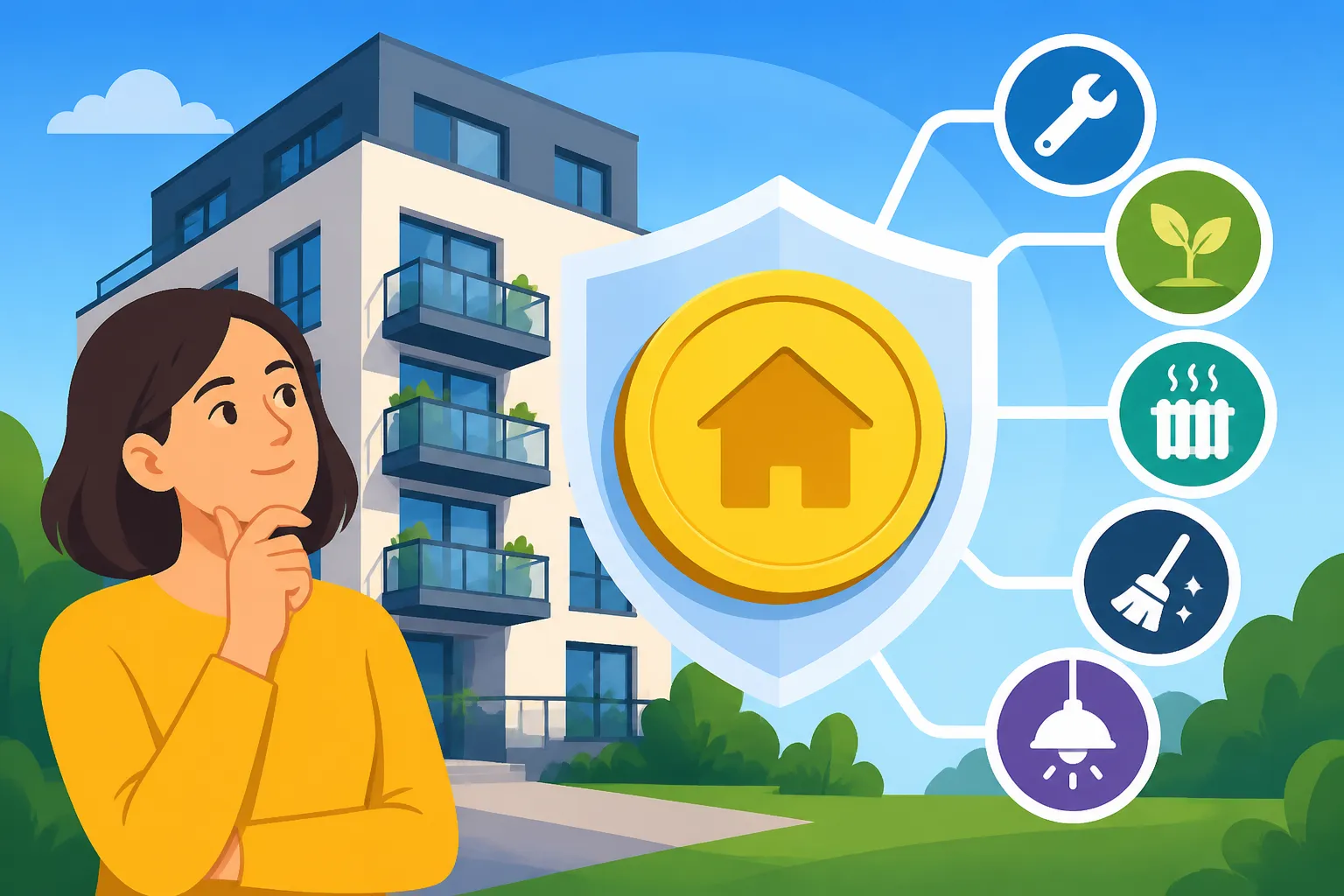
The specific services and utilities covered by your avgift can vary quite a bit from one BRF to another, but there are several common items that are almost universally included. Understanding these will give you a clearer picture of your actual housing costs and prevent any nasty surprises down the line.
Heating and Water: The Basics
Most BRFs include heating and water in the monthly avgift. This is often handled centrally for the entire building, meaning you won't typically receive separate bills from an energy company for these services. This can be a huge relief, especially during the long, chilly Swedish winters, as you don't have to worry about the variable cost of heating your home fluctuating wildly from month to month.
However, it's not always a completely flat rate. Some modern BRFs, particularly newer constructions, might have individual metering for hot water or even heating. In these cases, you might pay a base rate through your avgift, and then be charged extra for your actual consumption (known as faktisk förbrukning) on a separate bill. Always check the BRF's statutes (stadgar) or the seller's information to confirm exactly how these are managed. It's a key detail, as fluctuating energy prices can have a noticeable impact if you're paying for usage.
Building Maintenance and Repairs
This is a massive component of the avgift. Your contributions go towards the ongoing maintenance, repair, and renovation of the building's common areas and external structures. We're talking about things like:
- Roof repairs: Keeping the elements out is pretty critical in Sweden!
- Facade upkeep: Painting, cleaning, and structural checks.
- Common hallways and stairwells: Cleaning, lighting, and general wear-and-tear.
- Elevator maintenance: Regular safety checks and repairs.
- Laundry rooms: Equipment servicing and upkeep.
- Plumbing and electrical systems: Maintenance of shared infrastructure, not necessarily inside your apartment walls.
BRFs are required to have a long-term maintenance plan (underhållsplan) outlining necessary repairs and renovations for the next 10-20 years. A well-managed BRF will factor these future costs into the avgift to avoid sudden, massive increases or special assessments. This proactive approach ensures the building retains its value and remains a comfortable, safe place to live for everyone.
Property Management and Administration
Running a BRF is a complex task, and often the association hires professional property managers or administrators to handle the day-to-day operations. The avgift covers the costs associated with these services, which can include:
- Bookkeeping and financial management: Keeping track of income, expenses, and member contributions.
- Legal advice: Ensuring the BRF complies with housing laws and regulations.
- Administrative tasks: Handling member communication, contract management, and general inquiries.
- Board compensation (sometimes): In smaller BRFs, board members might work voluntarily, but larger or more complex associations might offer some remuneration.
These administrative costs ensure that the BRF is run efficiently and legally, protecting the collective investment of all members. It’s part of the invisible work that keeps a large residential building functioning smoothly.
Shared Amenities and Services
Many Swedish BRFs offer fantastic common amenities that significantly enhance the quality of life for residents. The maintenance and operational costs of these are typically covered by your avgift. These can include:
- Communal laundry rooms (tvättstugor): Often equipped with industrial-grade washing machines and dryers.
- Bike storage rooms (cykelrum): Secure places to keep your bicycle.
- Storage units (förråd): A small, often cage-like, storage space in the basement or attic for each apartment.
- Guest apartments (gästlägenheter): Some larger BRFs have small apartments available for members to rent for guests at a nominal fee.
- Exercise rooms or saunas: More luxurious amenities in some developments.
- Inner courtyards or gardens: Landscaping, lighting, and general upkeep.
- Waste management: Costs for trash collection and often sophisticated recycling facilities.
These shared resources are a huge perk of living in a BRF, fostering a sense of community and convenience. Imagine not needing your own washing machine or having a dedicated space for your visiting family without booking a hotel!
Loan Repayment for the BRF
This is perhaps the most significant, and often least understood, component of your avgift. The BRF itself typically has substantial loans (föreningslån) which were taken out to purchase the property initially, fund major renovations, or address other large capital expenditures. A considerable portion of your monthly avgift goes towards servicing these loans – paying both interest and amortization.
The size of the BRF's debt greatly influences the avgift. A BRF with high debt relative to its value will generally have a higher avgift than one with low debt. Rising interest rates, for example, can directly impact the BRF's loan costs, and consequently, your avgift. This is a critical factor to research when considering buying a bostadsrätt, as the financial health of the cooperative is intrinsically linked to your own financial outlay.
Insurance for the Building
The avgift also covers the BRF's collective property insurance (fastighetsförsäkring), which protects the physical structure of the building and its common areas against damages from fire, water, storms, and other perils. This is not your personal home contents insurance (hemförsäkring), which you will need to arrange separately to protect your belongings inside your apartment. However, the BRF's insurance sometimes includes a collective addition called bostadsrättstillägg, which covers permanent fixtures inside your apartment (like kitchen cabinets, flooring) that are not typically covered by your standard hemförsäkring. Always check if this is included by the BRF or if you need to add it to your personal policy. Our guide on Home Insurance (Hemförsäkring): Why It's Essential in Sweden goes into more detail.
Here’s a quick overview of what's commonly included and what typically isn't:
| What's Usually Included in Avgift | What's Usually Not Included in Avgift |
|---|---|
| Heating (often) | Your Personal Electricity Bill |
| Hot & Cold Water (often) | Your Home Contents Insurance |
| Building Maintenance & Repairs | Your Internet & TV Subscription |
| Property Management Fees | Your Own Mortgage Payments |
| BRF Loan Interest & Amortization | Special Assessments (Engångsavgifter) |
| Common Area Cleaning | Personal Renovation Costs |
| Building Insurance (Fastighetsförsäkring) | Parking Spot Rental (often separate) |
| Shared Laundry Facilities | Individual Apartment Repairs |
| Storage Units | |
| Landscaping & Outdoor Area Upkeep |
What's Usually Not Included and Other Considerations
While the avgift covers a significant portion of your housing expenses, it's vital to understand what falls outside its scope. This clarity prevents financial surprises and ensures you budget realistically for your life in Sweden.
Your Own Home Insurance and Utilities
This is a big one. As mentioned, the BRF's insurance covers the building, but your personal belongings and liability within your apartment require a separate hemförsäkring. This is non-negotiable in Sweden, and most BRFs require you to have one as a condition of membership. Don't skip it!
Furthermore, your personal electricity consumption for your actual apartment is almost never included in the avgift. You'll need to set up your own electricity contract (el-avtal) with an energy provider. Similarly, while basic broadband might sometimes be included in the avgift (especially in newer buildings), you'll typically pay separately for your internet service and any additional TV packages. For newcomers, setting up this initial connectivity can be a hurdle. Providers like Airalo offer quick eSIM solutions for mobile data to get you online quickly while you sort out long-term contracts. Don't forget that these bills can add up, particularly if you're not mindful of your usage, as our post on What Is the Cost of Electricity in Sweden in Winter? reveals.
Special Assessments Engångsavgifter
Sometimes, even a well-managed BRF can face unexpected large expenses or undertake significant renovations that weren't fully accounted for in the regular budget. In such cases, the BRF board might decide to levy a "special assessment" or engångsavgift. This is a one-time payment that each member contributes on top of their regular avgift.
Examples could include:
- A sudden, severe water damage event requiring extensive repair beyond what insurance covers.
- An unexpected need for major pipe replacement (stambyte) or roof reconstruction.
- A decision by the general meeting to implement a large-scale energy efficiency upgrade or add a new amenity that wasn't budgeted for.
While less common in financially sound BRFs with good long-term planning, it's a possibility you should be aware of. It's another reason why understanding the BRF's financial health before buying is so crucial.
How the Avgift is Determined and Can Change
The BRF board, elected by its members, is responsible for setting the avgift. This decision is usually made once a year, often in conjunction with the annual general meeting where the budget is approved. Several factors influence the avgift:
- Operating costs: The collective expenses for electricity, water, waste management, cleaning, and administration for the entire building.
- Maintenance needs: The costs associated with the long-term maintenance plan and any unexpected repairs.
- Loan situation: The BRF's debt level and the current interest rates on those loans are enormous factors. If interest rates rise, the BRF's borrowing costs increase, often necessitating an avgift hike. For example, in times of high inflation or rising central bank rates, the board might have to adjust the avgift upwards to cover increased borrowing costs or higher material/service costs for maintenance.
- Economic health of the BRF: A financially robust BRF with healthy reserves might be able to absorb some cost increases without immediately passing them on to members. Conversely, a BRF with strained finances might need more frequent or larger avgift adjustments.
It's not uncommon for avgifts to increase periodically. It's a natural part of living in a collective property where external economic factors (like interest rates, inflation) and internal property needs (aging infrastructure) require adjustments. Before you buy, always ask for the history of avgift increases for that specific BRF.
Financial Health of Your BRF and Its Impact on Avgift
This is arguably the most critical aspect to understand before committing to buying a bostadsrätt. The financial well-being of the BRF directly dictates the stability and reasonableness of your avgift, and ultimately, the value of your investment. Think of it like a mini-company; you wouldn't invest without looking at its balance sheet, would you?
Reading the Årsredovisning Annual Report
Every BRF in Sweden is legally required to produce an annual report (årsredovisning). This document is your financial window into the cooperative and is absolutely essential reading for any prospective buyer. Don't just glance at it; take the time to really understand what it's telling you. Key sections to scrutinize include:
- Resultaträkning (Income Statement): Shows the BRF's revenues (primarily avgifts from members) and expenses over the past year. Look for a surplus or deficit. A consistent deficit is a red flag.
- Balansräkning (Balance Sheet): Provides a snapshot of the BRF's assets (the building, cash) and liabilities (loans, member equity).
- Kassaflödesanalys (Cash Flow Analysis): Shows how cash is generated and used.
- Noter (Notes): Crucial details and explanations about the figures.
- Förvaltningsberättelse (Administration Report): This narrative section often contains important information about the BRF's plans, major events, and future outlook, including the underhållsplan (maintenance plan) and any upcoming large projects.
Don't be afraid to ask for help from your mäklare (real estate agent) or a financial advisor to interpret this document. Understanding its contents is key to making an informed decision about your potential purchase, as discussed in our Buying Property in Sweden as a Foreigner: A Complete Guide.
The Importance of a Low Debt Ratio
One of the most significant metrics to look for in the årsredovisning is the BRF's debt per square meter (skuld per kvadratmeter). This figure indicates how heavily leveraged the cooperative is. A lower debt per square meter generally means a more financially stable BRF.
Why does this matter so much? Because the BRF's loans are paid by all members through the avgift. If the BRF has a high debt ratio, it means a larger portion of the avgift is likely going towards servicing that debt, leaving less for other necessities or creating vulnerability to interest rate hikes. For example, a BRF with a debt of 5,000 SEK/sqm is in a much better position than one with 15,000 SEK/sqm. While there's no official "good" or "bad" number, generally, anything above 10,000-15,000 SEK/sqm can be a cause for closer inspection, especially for older properties. Newer constructions tend to have higher debt ratios initially but often boast modern infrastructure, so context is important.
Renovation Plans and Future Avgift Increases
The underhållsplan (maintenance plan) within the årsredovisning is another critical document. It details the BRF's anticipated major renovation projects over the next 10-20 years (e.g., roof replacements, pipe upgrades, window changes). A robust and well-funded underhållsplan means the BRF has a clear strategy for maintaining the property and has ideally budgeted for these future costs within the current avgift or through accumulated reserves.
However, if the årsredovisning shows significant upcoming renovations without adequate reserves or a clear financing plan, it might signal potential future avgift increases or engångsavgifter. Imagine buying into a BRF only to find out six months later that they need to replace all the pipes and the avgift is going up by 20% – that's a financial hit you want to anticipate. A transparent BRF will provide a clear picture of its long-term financial strategy and how it plans to fund these essential projects.
Understanding the avgift isn't just about knowing what's included; it's about comprehending the financial engine of your housing cooperative. By doing your homework and scrutinizing the årsredovisning, you can make a well-informed decision and budget accurately for your life in your new Swedish home.
Disclaimer
Please note that this guide provides general information based on current regulations and common practices in Sweden. Housing laws, BRF statutes, and economic conditions can change. We always recommend consulting with a legal professional, a financial advisor, or a certified real estate agent (mäklare) for advice tailored to your specific situation before making any significant housing decisions in Sweden.