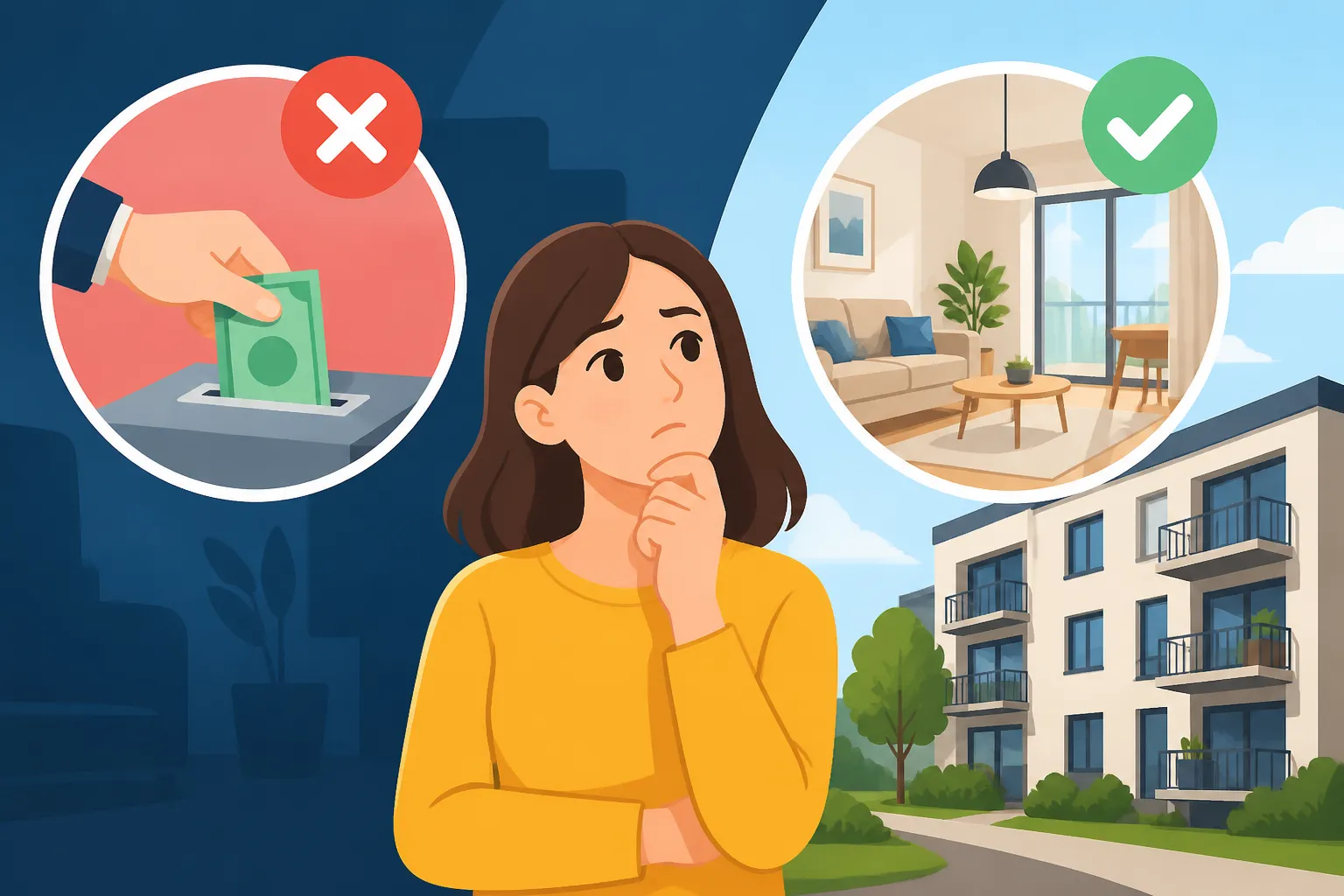
Should I Ever Pay a Deposit Before Seeing an Apartment in Sweden?
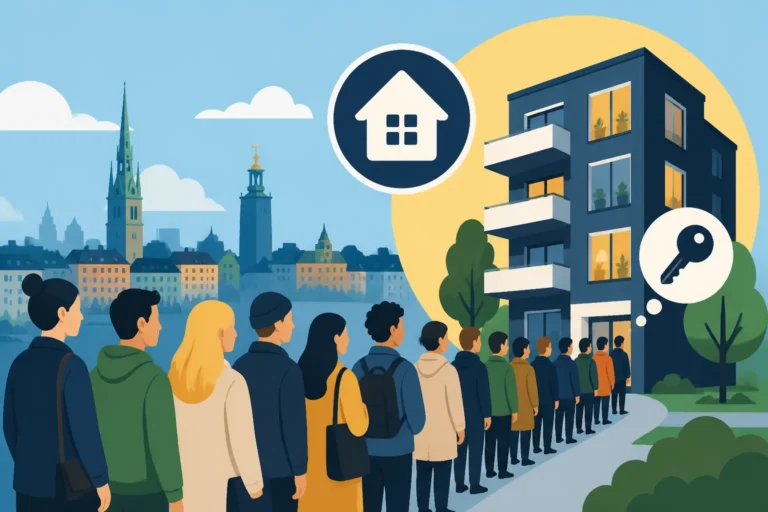
Oh, the Swedish housing market, especially when you're fresh off the boat, can feel like navigating a minefield blindfolded. The desperation to secure a place, any place, is palpable, and that desperation, unfortunately, makes newcomers vulnerable to all sorts of tricky situations. This guide is here to shed some much-needed light on the thorny question of paying a deposit before you've even laid eyes on your potential new Swedish home, aiming to arm you with the knowledge to protect yourself.
The Golden Rule of Swedish Apartment Hunting: See Before You Pay
Let me be brutally honest from the get-go: as a general, almost universal rule, you should never pay a deposit for an apartment in Sweden before you have physically seen it or had a trusted representative view it on your behalf. This isn't just a friendly piece of advice; it's a critical safeguard against scams and significant financial loss in a market where demand far outstrips supply, and scammers prey on the vulnerable.
Why Seeing an Apartment is Non-Negotiable
You might think, "Well, the photos look great, and I'm desperate!" I totally get that feeling. I've been there, staring at perfectly staged photos online, imagining my life in that cosy lägenhet. But photos, my friend, can be deceiving. They can hide a multitude of sins: a kitchen that smells faintly of old smoke, a window overlooking a perpetually noisy street, a bathroom with questionable plumbing, or perhaps a severe lack of natural light that will hit you hard during the dark Swedish winters. What about the immediate neighbourhood? Is it bustling and vibrant, or eerily quiet after dark? Is it well-connected to public transport, or are you facing a long trek to the nearest bus stop? These are crucial details that impact your daily life and cannot be fully assessed from a screen.
Moreover, the Swedish system often operates on a high degree of trust, which is beautiful in theory but can be exploited by unscrupulous individuals. Locals might be more accustomed to a certain level of straightforwardness, but as an expat, you’re often dealing with a different set of risks, especially when you're not yet familiar with the local nuances or the language. A scammer will bank on your unfamiliarity and eagerness. Imagine arriving in Sweden, tired and full of hope, only to find the address you paid a deposit for either doesn't exist, is already occupied, or is a complete dump that looks nothing like the pictures. This isn't just a financial blow; it's a crushing emotional one.
The High Risk of Advance Payments Without Verification
The landscape of online apartment listings is unfortunately ripe with opportunities for scammers. When you pay a deposit for a property you haven't seen, you're essentially handing over money to someone based purely on their word and a few digital images. This opens the door to several terrifying scenarios.
The most common and devastating is the outright scam: the apartment doesn't exist, or the person you're communicating with isn't the actual owner or legitimate landlord. They might be impersonating someone, using fake documents, or simply advertising a place they have no right to rent out. Your money disappears into the ether, and you're left with no apartment and no recourse. These fraudsters are skilled at creating urgency, using compelling stories, and making the deal seem "too good to be true" to bypass your caution. They might pressure you by saying others are interested and you need to pay now to secure it. This pressure is a massive red flag.
Then there's the issue of misrepresentation. Even if the apartment technically exists, it might be vastly different from what was advertised. Maybe the photos are years old, or they only show the best angles, omitting crucial flaws like damp, mould, or severe wear and tear. You could end up with a place that requires immediate repairs or is simply uninhabitable, having already paid a substantial deposit. As a foreigner, pursuing legal action from abroad, or even within Sweden without local legal knowledge, can be an incredibly daunting, costly, and often fruitless endeavour. You might struggle to understand the legal system, face language barriers, and find yourself without the funds to hire legal representation. It's simply not a position you want to be in when trying to settle into a new country.
Navigating the Rental Landscape: When Deposits Come into Play
Understanding how deposits typically work in Sweden is crucial to distinguishing legitimate requests from potential scams. This knowledge empowers you to protect your finances and secure a genuine home.
Typical Deposit Practices in Sweden
In Sweden, it is quite normal for landlords to request a security deposit (deposition or säkerhetsavgift) once a rental agreement has been signed. This is standard practice and usually amounts to one to three months' rent. The purpose of this deposit is to cover any potential damages to the property beyond normal wear and tear, or for unpaid rent when you move out. What’s important to note is when this deposit is paid and how it is handled.
A legitimate landlord will only ask for the deposit after you have viewed the apartment (either in person or through a trusted representative), after you have read and understood the rental contract, and after both parties have signed the agreement. The contract should clearly state the amount of the deposit, what it covers, and the conditions for its return. Often, the deposit is transferred to a separate account, sometimes jointly held, to ensure it's not immediately used by the landlord and is available for return upon your departure, assuming the apartment is left in good condition. When moving out, a thorough inspection is usually carried out, and provided everything is in order, the deposit should be returned within a reasonable timeframe, typically a month. For more details on what to expect, check out our guide on How Much Is a Normal Deposit for a Rental in Sweden?.
The key takeaway here is the sequence: viewing, contract, then payment. Any deviation from this, especially a demand for payment before you've even seen the place or signed a formal agreement, should immediately raise a red flag.
Reputable Platforms vs. Shady Deals
In your search for a second-hand rental in Sweden, you'll encounter various platforms. Some, like Spotahome, try to offer a layer of verification by sending agents to inspect properties and take photos/videos, which can be useful if you're truly moving from abroad and cannot view in person. However, even with such platforms, an independent verification process is still highly recommended. Remember, even a good platform can't guarantee every listing's authenticity without your own due diligence. They facilitate connections, but the ultimate responsibility for verifying the deal rests with you.
Contrast this with the outright shady deals often found on less regulated classifieds or social media groups. Here's how to spot the red flags that scream "scam":
- "Too Good to Be True" Rent: If an apartment in central Stockholm or Gothenburg is listed for significantly less than market value, be highly suspicious. It's a classic lure. Our article on Budgeting for the Real Cost of Living in Sweden can give you a realistic picture.
- Urgency and Pressure: The landlord insists you pay a deposit immediately to "secure" the apartment because "many others are interested." This creates panic and bypasses critical thinking.
- No Viewing Possible: Any excuse for why you can't view the apartment – the landlord is "abroad," "sick," or "the keys are with a friend" – is a massive red flag.
- Unusual Payment Methods: Requests for payment via untraceable methods like Western Union, cryptocurrency, or gift cards are always scams. Legitimate landlords will use Swedish bank transfers.
- Vague or Poorly Written Contract: A contract that is unclear, full of grammatical errors, or doesn't include specific details like notice periods, the precise deposit amount, and conditions for return, is suspicious. Look for a comprehensive agreement as outlined in What to Check Before Signing a Rental Contract in Sweden.
- Lack of Digital Verification: If the "landlord" refuses a video call showing them inside the actual apartment, or can't provide BankID verification for themselves if they claim to be Swedish, be very wary.
Always cross-reference addresses using tools like Google Street View to ensure the building exists and matches any provided photos. You can also try to verify the property owner through official channels like Lantmäteriet or the bostadsrättsförening (BRF) if it's a co-op apartment. Be extremely cautious when dealing with these types of situations, and remember that our guide on Avoiding Rental Scams in Sweden's Tight Housing Market has even more detailed advice.
Essential Steps to Protect Yourself as a New Tenant
Moving to Sweden is an exciting adventure, and you don't want it marred by housing woes. Taking proactive steps can significantly reduce your risk and ensure a smooth transition into your new home.
Verifying the Landlord and Property
This is where your detective hat comes on! Before you even think about signing a contract or transferring any money, you need to verify that the person you're dealing with is legitimately allowed to rent out the property.
- Identity Verification: Ask for proof of identity. A Swedish person should be able to verify themselves via BankID. While you can't demand this, a refusal to offer any form of robust identification, especially when combined with other red flags, is concerning.
- Ownership Check:
- For hyresrätt (first-hand rental): This is rare for newcomers, but if you get lucky, the landlord will be a large housing company. They will have a clear application process.
- For andrahand (second-hand rental/sublet): This is the most common route for new arrivals. The person subletting to you needs permission from their own landlord (the housing company) or their bostadsrättsförening (BRF). Ask for proof of this permission! Without it, the sublet is illegal, and you could be evicted with short notice. You can often contact the BRF directly to confirm permission. Our guide Finding a Second-Hand Rental Andrahand in Sweden Safely delves deeper into this.
- Video Calls with a Difference: Don't just accept a quick video call. Insist on a live video tour with the landlord showing you around the apartment. Ask them to pan slowly, show specific features you're curious about, and even show the view from the window. This helps confirm they are physically in the apartment they claim to be renting.
- The Contract: A proper Swedish rental contract (hyresavtal) is a detailed legal document. It should include:
- Full names and contact details of both parties.
- The exact address of the property.
- The rental period (start and end dates).
- The monthly rent amount and due date.
- The deposit amount and conditions for return.
- Details of what's included (e.g., electricity, internet, heating).
- Notice periods for termination.
Always read it thoroughly. If possible, have a Swedish-speaking friend or even a lawyer review it. Knowledge is power, and understanding your Tenant Rights in Sweden Contracts, Rent, and the Hyresnämnden is paramount.
Securing Your Payment and Communication
Once you've done your due diligence and are reasonably confident the deal is legitimate, how you handle payments is the next critical step.
- Payment Method Matters: Never pay in cash. This leaves no trace and offers zero protection. Always use a traceable bank transfer. The payment should go to a Swedish bank account in the name of the person or company you are signing the contract with. Be suspicious if they ask you to pay into a foreign account, an account in a different name, or use money transfer services like Western Union. While getting a Swedish bank account without a Personnummer can be tricky, it's not impossible, as our article How to Open Your First Swedish Bank Account Without a Personnummer explains. For international transfers, use reputable services with clear tracking, but always as a last resort and with extreme caution.
- Document Everything: Keep a clear record of all communication – emails, messages, even notes from phone calls. Save copies of the advertisement, photos, the signed contract, and all payment confirmations. This documentation is your best friend if anything goes wrong.
- Temporary Solutions: If you're moving from afar and feel pressured, consider booking a short-term, verifiable accommodation like an Airbnb, a hostel, or a hotel for your first week or two. This gives you time to arrive in Sweden, get over your jet lag, and conduct in-person viewings safely. It's an investment in peace of mind. While on the ground, having a local phone number is vital for arranging viewings and communication. Services like Airalo offering eSIMs can get you connected quickly upon arrival, so you're not relying on patchy public Wi-Fi. This ensures you can respond to landlords promptly and verify details on the spot.
Red Flags vs. Green Flags: A Quick Overview
To help you remember what to look out for, here's a quick table summarising key indicators:
| Feature | Red Flag (Beware!) | Green Flag (Good Signs!) |
|---|---|---|
| Viewing | Cannot be viewed in person, landlord offers endless excuses for not showing it. | Landlord is happy to arrange a physical viewing or a live video tour from inside the apartment. |
| Payment Timing | Demands deposit/rent before contract signing or viewing. | Requests deposit after contract is signed and apartment has been viewed. |
| Payment Method | Asks for cash, Western Union, crypto, gift cards, or foreign bank accounts. | Requests bank transfer to a Swedish bank account in the landlord's verified name. |
| Rent Price | Significantly below market average for the area. | Rent is in line with or slightly below market rates, reflecting location and amenities. |
| Communication | Urgent pressure tactics, poor grammar, refusal to video call. | Clear, professional communication, willing to answer questions thoroughly. |
| Contract | Vague, short, poorly written, missing key details, no proper signatures. | Detailed, comprehensive, clearly outlines terms, deposit, notice periods, and landlord/tenant rights. |
| Landlord Info | Reluctant to share ID, proof of ownership, or BRF permission for subletting. | Provides ID, proof of ownership (e.g., Lagfart), or valid BRF permission if subletting. |
Ultimately, if a deal feels off in any way, trust your gut. There are many legitimate second-hand rentals out there, but you have to be vigilant. Don't let the pressure of the housing market push you into a decision you'll regret. Take your time, verify, and secure your apartment safely. You'll be glad you did when you finally get the keys to your real Swedish home.
Disclaimer
The information provided in this guide is intended for general informational purposes only and does not constitute legal, financial, or professional advice. While we strive to offer accurate and up-to-date content, the Swedish legal and administrative landscape can change, and individual situations vary greatly. We recommend consulting with relevant professionals, such as a lawyer specializing in rental law, for advice tailored to your specific circumstances.