Enrolling Your Child in Förskola (Preschool) in Sweden
The thought of moving to Sweden with children is often filled with visions of well-adjusted, happy kids in a world-renowned childcare system. And while Swedish preschools, known as förskola, are indeed fantastic, actually navigating the enrollment process as an expat can feel like trying to solve a Rubik's Cube blindfolded, especially when you're still grappling with the language and a new administrative landscape. This guide is here to untangle the complexities, walk you through every step, and help you get your child settled into a förskola that's right for them.
Understanding the Förskola System in Sweden
When you hear "preschool" in Sweden, it’s crucial to understand that it’s far more than just childcare. Förskola is an integral part of the Swedish education system, designed not just to look after children while parents work but to actively contribute to their development and learning from a very young age. It’s a pedagogical activity with its own curriculum, framework, and highly trained staff.
What Förskola Really Is: More Than Just Daycare
Unlike some other countries where preschools might be seen as optional playgroups or simply a place to drop off your kids, förskola in Sweden has a clear educational mandate. It's often children's first encounter with a structured learning environment outside the home, preparing them for grundskola (compulsory school) later on. The focus is on play-based learning, social development, language acquisition (both Swedish and, for many, their native language), and exploring various themes through creative activities.
Many expat parents initially confuse förskola with traditional daycare. While supervision is certainly part of the package, the emphasis on learning and development distinguishes it significantly. It’s about fostering curiosity, independence, and social competence in a safe, stimulating setting, which can be a huge relief for parents new to the country, knowing their children are getting a robust foundation.
Educational Goals and Pedagogical Approaches
The Swedish förskola curriculum (Lpfö 18) outlines clear goals for children's development in areas such as language, mathematics, technology, creativity, and social skills. Educators work actively to promote democratic values, gender equality, and respect for diversity, which are core tenets of Swedish society. This means your child won't just be sitting in a classroom; they'll be engaging in activities that encourage critical thinking, problem-solving, and collaboration.
Different förskolor might lean into specific pedagogical approaches, such as Reggio Emilia, Montessori, or outdoor pedagogy (Ur och Skur). Reggio Emilia-inspired förskolor, for instance, emphasize the child's hundred languages – their many ways of expressing themselves – and often have dedicated ateliers for creative work. Outdoor förskolor spend most of their time outside, regardless of weather, fostering a deep connection with nature. It's worth researching these approaches when you're looking for a place for your child, as they can significantly impact the daily experience and learning style.
Eligibility and When to Apply for Förskola
So, you're ready to dive in and get your little one into förskola. The first hurdle is figuring out if you're even eligible and, if so, when you should start the application process. As with many things in Sweden, a personnummer is often the golden key, but there are pathways even without it initially.
Who Is Eligible: Personnummer, Samordningsnummer, and Residency
For most foreign families, having a Swedish personnummer is the most straightforward path to förskola enrollment. This ten-digit personal identity number essentially confirms your family's residency and registration in Sweden's population register. With it, your child is usually entitled to a spot in förskola from the age of one, provided the parents are working, studying, or actively seeking employment. If you're still waiting for your personnummer, you might have to navigate a slightly more complex route. Make sure to understand the process of getting your Personnummer: The Gateway to Swedish Healthcare.
Some municipalities (kommuner) might accept applications if your child has a samordningsnummer (coordination number), which is a temporary ID for those who don't yet qualify for a personnummer. However, securing a förskola spot with a samordningsnummer can be more challenging and might depend on the specific kommun's policies and availability. It's essential to check with your local kommun's family office (familjekontor) or preschool administration (förskoleadministration) directly about their specific requirements. They're often quite helpful, even if the information isn't always readily available in English.
Age Requirements and Ideal Application Timelines
Children are generally eligible for förskola from the age of one until they start förskoleklass (preschool class, which is part of the compulsory school system) the year they turn six. While it's tempting to think you can wait, the reality of the Swedish system means you should apply as early as possible. Many parents put their child in the förskola queue even before they are born, or certainly within their first few months of life. This might seem extreme, but it's a common strategy to secure a spot, especially in popular areas or cities like Stockholm, Gothenburg, or Malmö, where competition can be fierce.
The official rule is that your child is guaranteed a spot within four months of your application date, provided you meet the eligibility criteria. However, "a spot" doesn't necessarily mean "the spot at your preferred förskola." To increase your chances of getting into your top choices, I recommend applying at least six months to a year in advance, particularly if you're aiming for a specific förskola or need care starting in August, which is the busiest enrollment period as older children move on to school.
The Application Process: Step-by-Step
Alright, deep breath. The application process itself isn't inherently difficult, but it requires attention to detail and a bit of forward planning. Most of it will happen online, which is convenient once you know where to go.
Navigating Your Local Kommun's Website
The application for förskola is handled by your local municipality (kommun). This means the exact process and online portal will vary depending on where you live. For example, if you live in Stockholm, you'll apply through Stockholm Stad's website. If you're in Gothenburg, it's Göteborgs Stad, and so on. Your first step is always to find the "Barnomsorg" or "Förskola" section on your kommun's official website. Many kommun websites have an English section, but be prepared to use Google Translate for finer details.
Once on the relevant page, you'll typically find an online application form. This form will ask for your child's personnummer (or samordningsnummer if accepted), your contact details, and your preferred förskolor. You'll usually be asked to list a few choices in order of preference. Don't just list one; cast a wider net to improve your chances. Remember, getting Registered in the Population Register (Folkbokföring) is key to this process, as your official address determines which kommun is responsible for your child's care.
Required Documents and Information
While the online form is the primary method, you'll also need to be ready with supporting documents. Common requirements include:
- Proof of your child's personnummer (or samordningsnummer).
- Proof of your address (which ties into your folkbokföring).
- Income certificates for both parents. This is crucial for calculating your förskola fee, as fees are income-dependent. You might need recent payslips, employer certificates, or documentation if you're self-employed.
- Work or study certificates for both parents, showing the extent of your employment or studies. This determines your child's allotted hours at förskola.
It's a good idea to gather these documents in advance. Some kommuner allow you to upload them directly to the online portal, while others might ask you to send them by post or present them at a physical office. Be meticulous with these; missing or incorrect information is a common cause of delays.
Understanding Waiting Lists and Queue Times
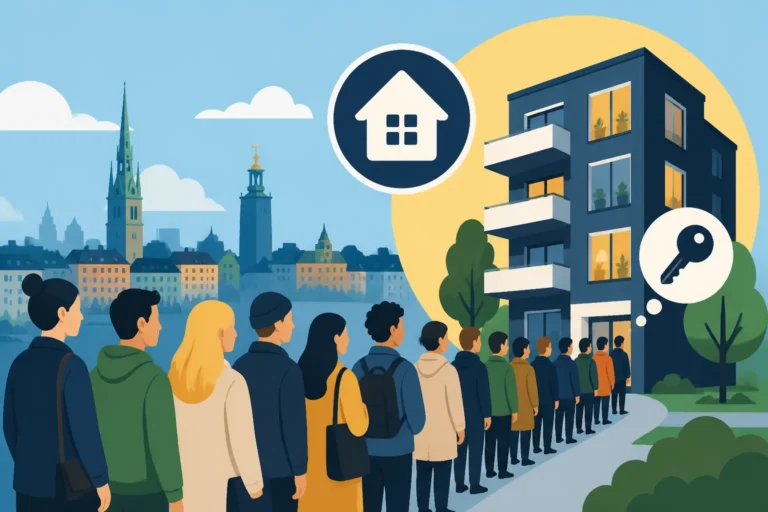
This is where the patience of many expat parents is truly tested. Sweden operates a queue system for förskola, and depending on your location, these queues can be lengthy. In major cities, it’s not uncommon to wait for months, sometimes even over a year, for a spot at a highly sought-after förskola. Each kommun has its own allocation principles, but generally, factors like the child's age, the date of application, and whether they have siblings already at the förskola can play a role.
Some kommuner assign "queue days" from the moment you apply, and these days accumulate, giving you priority over those who applied later. Others might prioritize based on sibling status or geographical proximity. It’s important to remember that even if you apply early, the förskola might not have an opening exactly when you need it. Flexibility with your start date or preferred förskola can significantly reduce waiting times.
Helpful Tip: If you're struggling with the wait, consider applying to förskolor in slightly less central areas or looking into independent (friskola) options, which sometimes have shorter queues or different allocation systems.
Choosing the Right Förskola for Your Child
With your application submitted and the waiting game underway, it’s time to think about what kind of förskola would be the best fit for your child and family. There’s a wonderful variety out there, and what suits one child might not suit another.
Communal (Kommunal) vs. Independent (Friskola) Förskolor
In Sweden, you primarily have two types of förskolor: communal (kommunal) and independent (friskola).
- Communal Förskolor: These are run by the municipality. They all adhere to the national curriculum and follow the same fee structure (the maxtaxa system). They often have a strong emphasis on integration and offer a solid, standardized educational experience. Most children in Sweden attend communal förskolor.
- Independent Förskolor (Friskola): These are privately run but publicly funded. This means they also follow the national curriculum and the maxtaxa fee system, so they don't necessarily cost more than communal ones. However, friskolor often have a distinct profile or pedagogical focus – for example, a specific language profile (like a German or French förskola), an environmental focus, or a particular teaching method like Montessori or Reggio Emilia. They can also be run by parent cooperatives.
Choosing between them often comes down to your priorities. If you want a specific pedagogical approach or a multilingual environment, a friskola might be a better fit. If you value consistency and the broad offerings of the municipality, a communal förskola is a safe bet. Sometimes, the choice is simply dictated by where a spot becomes available!
Key Factors to Consider: Pedagogy, Language, Location
When narrowing down your choices, think about these factors:
- Pedagogy: As mentioned, different förskolor have different approaches. Do you prefer a free-play environment, structured learning, or a lot of outdoor time? Some förskolor might focus heavily on music or art. Visiting a few (if possible) can give you a real feel for their atmosphere.
- Language: While Swedish is the primary language, many förskolor embrace multilingualism, especially in diverse areas. Some friskolor even offer education in other languages, which can be a huge bonus for expat families wanting to maintain their native tongue or expose their child to another language early. Don't be shy about asking how they support children who don't speak Swedish yet; often, they have excellent strategies for language integration.
- Location and Logistics: Proximity to your home or work is often a huge factor. Consider the commute, especially during Sweden's long winters. Also, think about their opening hours and flexibility. If both parents work full-time, you'll need a förskola with hours that align with your schedule. When looking for a place to live, especially if you're using platforms like Spotahome to find an apartment, keeping potential förskola locations in mind can be very helpful for families. The local kommun's family services can also sometimes offer advice on different neighborhood options.
Visiting Förskolor and Making Your Decision
The best way to get a true sense of a förskola is to visit it. Many förskolor have open house days, or you can often call and schedule a tour. During your visit, pay attention to:
- The atmosphere: Does it feel warm, welcoming, and safe? Are the children engaged and happy?
- Staff interaction: How do the educators interact with the children? Do they seem patient, enthusiastic, and attentive? Don't hesitate to ask about their experience with children who are new to Sweden or don't speak Swedish.
- Facilities: Is the indoor and outdoor space well-maintained and stimulating? Are there good resources for different activities?
- Parent involvement: How do they communicate with parents? What opportunities are there for parents to be involved?
Asking questions is key. Don't worry about your Swedish skills; many staff speak excellent English and are used to communicating with international families. This is your chance to really understand what "Life in Förskola: What to Expect" will be like for your child.
Costs, Fees, and the Maxtaxa System
One of the most appealing aspects of Swedish förskola for many expat families is the highly subsidized fee system. Unlike many countries where childcare can be astronomically expensive, Sweden has a progressive fee model capped by the "Maxtaxa" system.
The Maxtaxa Explained: Sweden's Price Cap
The Maxtaxa (maximum fee) is a national regulation that sets a maximum monthly fee for förskola. This means that no family, regardless of income, will pay more than a certain amount for their child's spot. The fees are calculated based on your household's total gross income and the number of children you have in förskola.
The current Maxtaxa fees for 2024 are as follows:
| Child Order | Income Limit (SEK/month) | Maximum Monthly Fee (SEK) |
|---|---|---|
| First Child | 56,250 | 1,699 |
| Second Child | 56,250 | 1,133 |
| Third Child | 56,250 | 566 |
| Fourth Child + | No fee | 0 |
Note: These figures are for 2024 and are subject to change annually. Always check your specific kommun's website for the most up-to-date information.
This system is designed to ensure that quality childcare is affordable and accessible to all families, regardless of their financial situation. It's a cornerstone of the Swedish welfare state and a massive benefit for working parents. You can learn more about this system in our dedicated article, How Does the Maxtaxa Cap Childcare Costs in Sweden?.
Calculating Your Förskola Fee
Your kommun will require income statements from both parents or guardians to calculate your fee. This includes salaries, income from self-employment, parental leave benefits (föräldrapenning), sickness benefits (sjukpenning), and certain other taxable incomes. It's crucial to report your income accurately and keep it updated, as your fee can change if your income changes.
The calculation typically works by charging a percentage of your income up to the Maxtaxa limit. For instance, the first child might be charged 3% of your gross monthly income, the second 2%, and the third 1%, up to the Maxtaxa ceiling. Any income above the Maxtaxa limit (currently 56,250 SEK per month for the household) is not included in the calculation. This progressive system makes a huge difference in household budgets, especially for families with multiple young children.
Payment and Invoices
Once your child is enrolled and your income details are registered, you'll start receiving monthly invoices from your kommun. These are typically sent digitally via e-faktura to your online bank or sometimes by regular post. Many Swedish families use autogiro (direct debit) to automatically pay these bills.
It's vital to pay your förskola fees on time. Delays can lead to reminder fees and, in rare cases, even issues with your child's placement. If you anticipate any difficulties with payment, contact your kommun's förskola administration immediately; they can often offer advice or arrange a payment plan. Keep in mind that for many financial services, including setting up autogiro or receiving e-faktura, you'll need a Swedish bank account and often BankID, which can be linked to your mobile phone. For seamless digital life and connectivity, especially when you're managing applications and payments on the go, a reliable eSIM from providers like Airalo can be a lifesaver when you first arrive.
Life in Förskola: What to Expect
Now that you understand the what, when, and how of enrolling, let's talk about the actual experience. What can you expect once your child starts förskola? It’s often a period of big adjustments, not just for your child but for you as well.
Daily Routine and Activities
A typical day in a Swedish förskola is a balanced mix of structured activities and free play, indoors and outdoors. While the exact schedule varies by förskola and age group, you can generally expect:
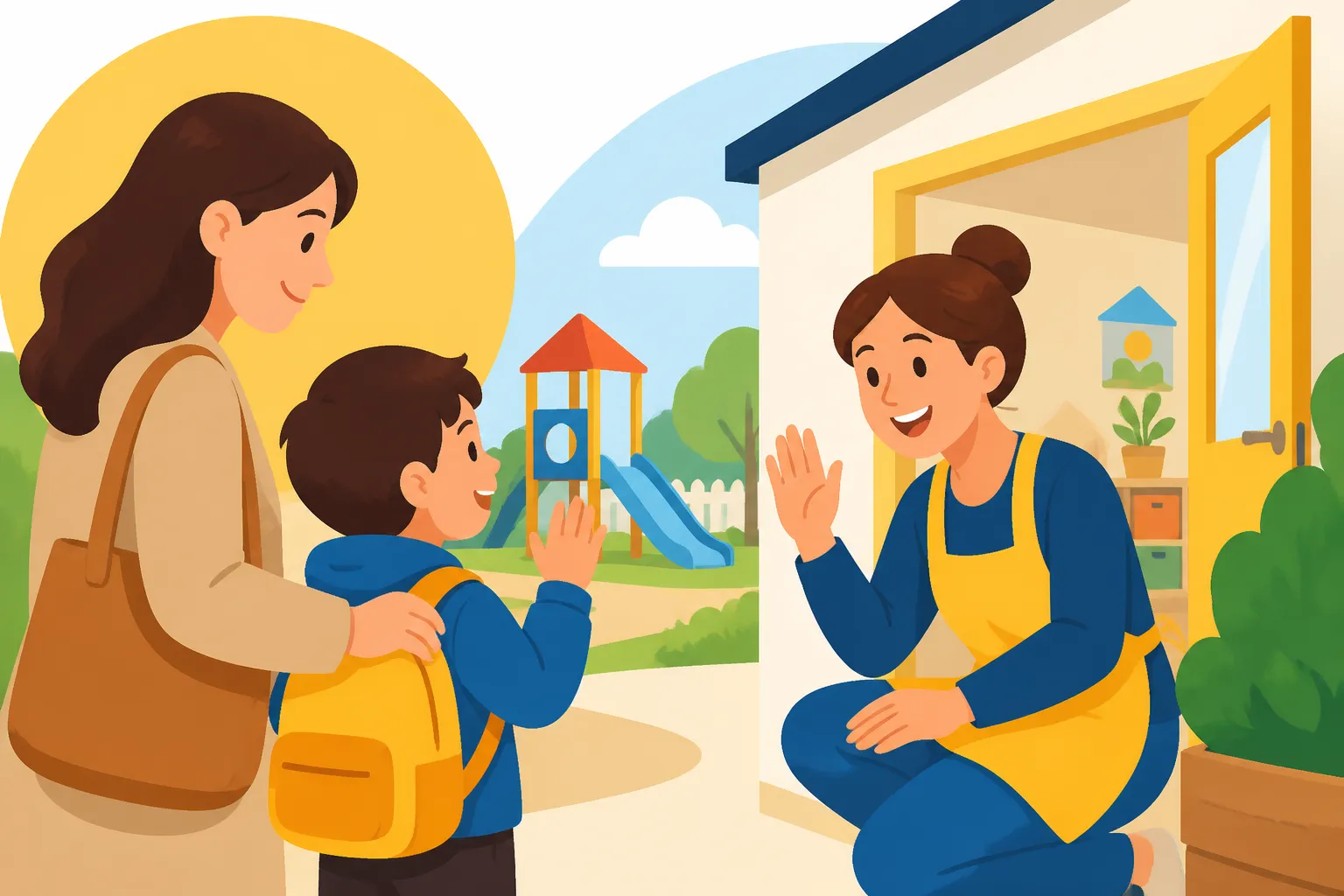
- Morning Drop-off and Free Play: Children arrive, greet staff, and often engage in free play or quiet activities as others arrive.
- Samling (Gathering Time): A group activity involving singing, storytelling, discussions, or planning the day's theme. This is great for language development and social bonding.
- Outdoor Play: A significant portion of the day, often regardless of weather, is spent outside. Children dress in appropriate outerwear and explore the playground, forest, or local park.
- Lunch: Healthy, often organic, meals are provided, usually with options for dietary restrictions. Mealtimes are educational, focusing on social interaction and healthy eating.
- Rest/Quiet Time: Younger children often have a nap time, while older children might have quiet activities, reading, or drawing.
- Afternoon Activities/Snack: More structured or free-play activities, often related to a project or theme, followed by an afternoon snack (mellanmål).
- Pick-up: Parents arrive, receive updates from staff, and children prepare to go home.
The emphasis is always on learning through play, exploration, and cooperation, rather than rote memorization or formal lessons.
Language Integration and Social Development
For expat children, the förskola is often their first immersion into the Swedish language and culture. It’s incredibly common for children to start with no Swedish at all, and the staff are highly experienced in supporting this transition. They use visual aids, gestures, repetition, and a patient, inclusive approach. It's truly amazing how quickly young children pick up a new language in such an environment. Within months, you might find your child chattering away in Swedish!
Beyond language, förskola is crucial for social development. Children learn to share, negotiate, resolve conflicts, and respect others' differences. They develop independence by dressing themselves, tidying up, and making choices. The focus on democratic values means children are often involved in decisions about their daily activities, fostering a sense of agency and belonging.
Communication with Parents and Parental Leave
Communication between förskola staff and parents is typically open and informal. Most förskolor use a digital platform or app for daily updates, photos, and messages. You'll also have regular opportunities for formal parent-teacher meetings (utvecklingssamtal) to discuss your child's progress and well-being. Don't hesitate to ask questions or raise concerns, even if it's about something that seems small.
For parents, understanding the connection between förskola and parental leave is important. In Sweden, parents are entitled to extensive parental leave (föräldraledighet). This flexibility allows many parents to ease their child into förskola gradually, starting with shorter days and increasing hours as both child and parent adjust. You can read more about how parental leave works in Sweden in articles like How Parental Leave and Healthcare Connect During Pregnancy in Sweden or How Many Days of Paid Parental Leave Do Parents Get in Sweden?. This flexibility is a huge advantage for families during those crucial first months of förskola.
Table: Förskola Application Checklist
To help you keep track, here's a handy checklist of things you'll likely need and need to do when applying for förskola in Sweden.
| Step / Document | Description | Status |
|---|---|---|
| Child's Personnummer | Essential for most applications. (If not, samordningsnummer may be accepted by some kommuner.) | [ ] Obtained / Applied For |
| Parent's Personnummer | Required for parents/guardians. | [ ] Obtained / Applied For |
| Folkbokföring | Ensure your family is registered at your current address with Skatteverket. | [ ] Registered / Flyttanmälan Submitted |
| Proof of Income | Recent payslips, employment certificates, or proof of study/job-seeking for both parents. | [ ] Gathered |
| Work/Study Certificates | Documentation confirming your employment status or study enrollment. | [ ] Gathered |
| Research Förskolor | Explore different types (communal/independent), pedagogies, and locations. | [ ] Researched |
| Visit Förskolor | If possible, visit preferred förskolor to get a feel for the environment. | [ ] Visited |
| Online Application | Complete the application form on your kommun's website, listing multiple choices. | [ ] Submitted |
| Monitor Queue | Keep track of your child's position on the waiting list (if your kommun provides this). | [ ] Monitoring |
| Accept Offer | Respond promptly to any förskola offer you receive. | [ ] Accepted |
| Enrollment Meeting | Attend an introductory meeting with the förskola staff before your child starts. | [ ] Attended |
| Update Income | Notify the kommun of any changes to your household income to adjust fees. | [ ] Updated as needed |
Ultimately, enrolling your child in förskola is one of the most significant steps you'll take in settling into life in Sweden as a family. While the bureaucracy might seem daunting at first, the system is designed to provide high-quality, affordable care and education, giving your child a fantastic start in their new Swedish life. Don't be afraid to ask for help from your kommun, other expat parents, or local parent groups – we've all been through it!
Disclaimer
Please remember that this guide provides general information based on current regulations and common practices in Sweden. Rules and procedures, especially those regarding eligibility and fees, can vary slightly between municipalities (kommuner) and may change over time. Always verify specific requirements with your local kommun's official website or administration.