Housing and Living in Sweden: The Complete Newcomer’s Guide (2027)
So, you're making the leap to Sweden! Fantastic! But let's be honest, beneath the pristine images of fika and minimalist design, there's a tangled web of bureaucracy and cultural quirks waiting for every newcomer. One of the biggest hurdles, perhaps the biggest, is finding a place to live and simply figuring out how everyday life works here. Forget what you think you know about easy rentals or quick administrative tasks. Sweden has its own unique rhythm, and if you don't know the dance steps, it can feel incredibly frustrating. This guide is here to walk you through the real talk about housing and living in Sweden, from securing a roof over your head to navigating public transport and even the seemingly simple act of recycling.
Finding Your First Home in Sweden: Navigating the Rental Market
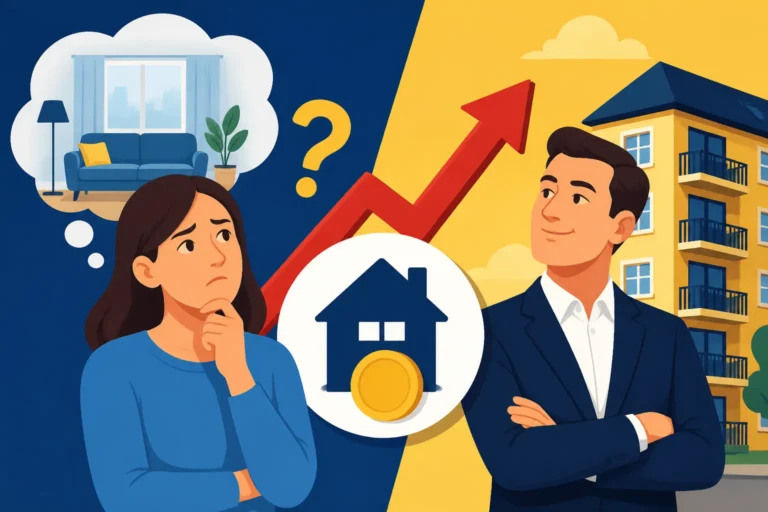
Let's cut right to it: finding a place to live in Sweden, especially in the major cities like Stockholm, Gothenburg, or Malmö, is notoriously difficult. It's not just "competitive"; it's a full-blown Hunger Games situation at times. You'll hear about "first-hand" and "second-hand" contracts, and trust me, understanding the difference is crucial to your sanity. This isn't like renting in many other countries where you just call an agent and sign a lease; here, it's a long game, a network game, and sometimes, frankly, a pure luck game.
The Elusive First-Hand Contract (Hyresrätt)
A first-hand contract, or hyresrätt, is the golden ticket in Sweden. It means you're renting directly from the property owner – usually a municipal housing company (kommunala bostadsbolag) or a private landlord with a large portfolio. These contracts offer the most security, regulated rent, and long-term tenure, which is why everyone wants one. The catch? The queue. Oh, the glorious, endless queue.
To even have a chance at a first-hand contract, you need to register with a municipal housing queue (like Bostadsförmedlingen in Stockholm) and accumulate "queue days." The longer you've been in the queue, the higher your chances. Many people register when they're still teenagers, meaning newcomers often face decades-long waits in major cities. Seriously, read our guide on The Swedish Housing Queue Explained: Bostadskö and Queue Days to grasp the full scale of this challenge. For some, waiting 10-15 years for a central Stockholm apartment isn't uncommon. It's a system that truly tests your patience and forward-planning skills.
While some smaller towns or less popular areas might have shorter queues, don't expect to waltz into a first-hand contract in, say, central Stockholm anytime soon. It’s a harsh reality, but an important one to understand from day one. For most expats, a first-hand contract isn't an immediate solution; it's a long-term goal, a light at the end of a very long tunnel.
Decoding the Second-Hand Market (Andrahand)
For most new arrivals, the second-hand market (andrahand) is where you'll start. This means you're subletting from someone who holds a first-hand contract or owns a bostadsrätt (which we'll get into later). The pros: it's generally much quicker to find something. The cons: higher rents (often unregulated), less security, and shorter contract periods. You might find yourself moving every 6-12 months, which can be exhausting.
When you're searching, look at sites like Blocket Bostad, Qasa, or even expat Facebook groups. Agencies like Spotahome also facilitate second-hand rentals, often with a slightly more streamlined process and added vetting. While they might charge a fee, the peace of mind can be worth it, especially when navigating the market for the first time from abroad. Always, always make sure the landlord has permission from their property owner or housing association to sublet. This is absolutely critical. Without it, you could find yourself without a home and no legal recourse.
Finding a second-hand rental safely is paramount. Our detailed guide on Finding a Second-Hand Rental Andrahand in Sweden Safely offers crucial advice. Expect to pay a deposit, usually one month's rent, and be prepared for landlords to ask for references, proof of income, and sometimes even your Personnummer (once you have it). Always try to view the apartment in person before signing anything and thoroughly inspect the contract. The market is tough, but vigilance can save you a lot of heartache.
Warning Signs of Rental Scams and How to Avoid Them
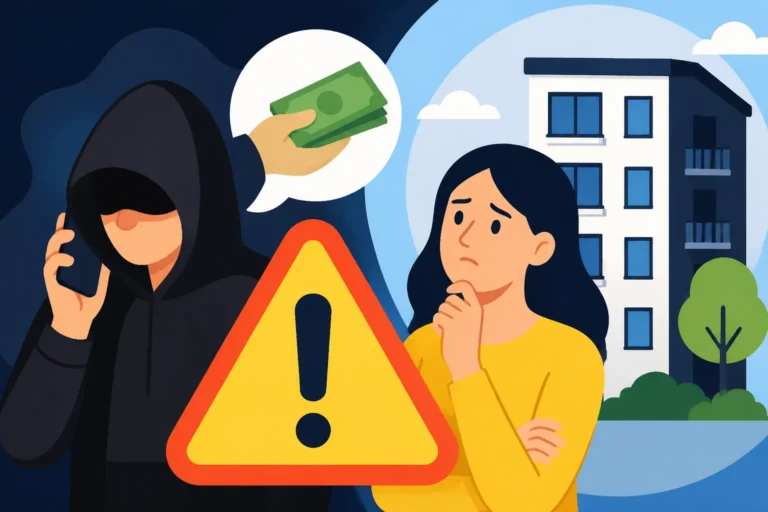
The desperation for housing in Sweden, particularly in big cities, has unfortunately created a fertile ground for scammers. They prey on newcomers who aren't familiar with the local system and might be more willing to overlook red flags out of urgency. This isn't just about losing a deposit; it can mean arriving in a new country with nowhere to live.
Common scams include landlords asking for a deposit or full rent upfront before you've even seen the apartment or signed a contract. Another red flag is if the landlord claims to be abroad and can only send keys by post after payment. They might also pressure you into a quick decision, offer a deal that seems too good to be true, or refuse to provide a proper contract. Always be suspicious if they can't meet in person or provide documentation of their ownership or right to sublet.
The best defense is thorough due diligence. Insist on viewing the property, ask for the landlord's personnummer or company registration, and verify their right to sublet with the building's housing association (bostadsrättsförening) or the primary landlord. Never transfer money without a signed, clear contract and proof of access to the property. Use trusted platforms and, if possible, have a Swedish-speaking friend or colleague review communications. Your gut feeling is often your best tool here – if it feels off, it probably is.
| Feature | First-Hand (Hyresrätt) | Second-Hand (Andrahand) |
|---|---|---|
| Source | Directly from property owner (municipal or private) | Sublet from a primary tenant or Bostadsrätt owner |
| Availability | Extremely low in major cities (long queues) | Moderate, often quicker to find |
| Rent | Regulated (Bruksvärde), generally lower | Unregulated, often higher (landlord can add a premium) |
| Security of Tenure | High, strong tenant protection | Lower, shorter contracts, less legal protection |
| Contract Length | Indefinite, with strong termination protection | Typically fixed-term (6-12 months), renewal uncertain |
| Legal Protection | Strong, governed by Hyreslagen | Weaker, highly dependent on primary tenant's contract |
| Common Start for Expats | No, unless lucky or in small towns | Yes, most common starting point for newcomers |
Beyond Renting: Understanding Bostadsrätt and Home Ownership
Once you've navigated the tricky rental market, or if you're planning a longer stay in Sweden, you'll inevitably encounter the concept of bostadsrätt. This isn't quite like owning a condo or apartment in other countries; it's a unique Swedish model that's important to grasp if you're thinking about putting down roots. It might seem complex at first, but it offers a different kind of stability.
What is a Bostadsrätt and How Does it Work?
A bostadsrätt literally translates to "right to reside" and represents a share in a housing cooperative (bostadsrättsförening or BRF) that owns the entire building. When you buy a bostadsrätt, you're not actually buying the apartment itself, but rather the right to perpetually live in that specific unit and a share of the BRF's assets. You become a member of the cooperative, and collectively, the members own and manage the building.
This means you pay an initial purchase price for the "right to reside" (which can be substantial, especially in popular areas) and then a monthly fee (avgift) to the BRF. This avgift covers your share of the building's operational costs, maintenance, collective loans, and sometimes utilities. Decisions about the building, from major renovations to changes in rules, are made at annual general meetings where you, as a member, have a say. It’s a powerful sense of community and shared responsibility, but also means you're tied to the financial health and management of the entire cooperative.
While you have significant rights to alter the interior of your apartment, there are still rules set by the BRF. For example, you generally need the BRF's permission for major renovations that affect the building's structure or common services (like plumbing or electricity). Understanding these nuances is key. For more on this, you might find our article on What Is the Difference Between Hyresrätt and Bostadsrätt? illuminating.
The Process of Buying Property as a Foreigner
Buying a bostadsrätt as a foreigner in Sweden is generally straightforward, assuming you have the financial means and a Personnummer. Unlike some countries, there aren't significant restrictions on non-citizens owning property. The main hurdles are financial and practical. First, you'll need a significant down payment, typically 15% of the purchase price, as Swedish banks rarely lend more than 85% for mortgages (bolån). Then, you need a bank loan approval.
The process usually involves finding a property through real estate websites like Hemnet, attending viewings, and then participating in a bidding war. Yes, bidding wars are common here, especially in desirable locations, and they can be incredibly fast-paced. Once your bid is accepted, you sign a purchase agreement, usually with a 10% deposit, and then finalize the mortgage and legal transfer. You'll work with a real estate agent (mäklare) who represents the seller but facilitates the entire transaction.
Getting a mortgage without a solid employment history in Sweden or a Personnummer can be challenging, though not impossible, as banks prefer to see a stable income and a credit history. However, with the right documentation and a healthy deposit, foreign buyers are common. The key is to get pre-approved for a mortgage before you start seriously looking, so you know your budget.
The Financial Realities of Home Ownership in Sweden
While owning a bostadsrätt offers stability, it comes with a distinct set of financial realities beyond just the purchase price and monthly avgift. Property taxes are relatively low compared to many countries, but you'll still have them. More significantly, you need to factor in the interest on your mortgage, which can fluctuate, and the amortisation requirement (mandatory repayment of the loan principal).
Swedish mortgage rules dictate that you must amortise a certain percentage of your loan each year, depending on the loan-to-value ratio. For instance, if your mortgage is more than 70% of the property's value, you'll amortise 2% annually. This adds a substantial fixed cost to your monthly outgoings. Furthermore, you're responsible for the interior maintenance and repairs of your apartment, from painting to replacing appliances.
Beyond the visible costs, remember that your avgift to the BRF can increase if the cooperative needs to undertake major repairs, like roof replacements or pipe renovations, or if their collective loans have higher interest rates. It's crucial to review the BRF's financial statements and long-term plans before buying. This holistic view of costs is vital for truly understanding the commitment of owning property in Sweden.
Setting Up Your Swedish Home: Utilities, Internet, and Insurance
Once you’ve secured a place, the next step is transforming it into a home. This involves sorting out the practicalities: electricity, internet, and insurance. While these might seem like minor details, the Swedish system can have its own quirks, and getting them right from the start will save you headaches down the line.
Electricity Contracts and Heating Your Home
Setting up electricity (el-avtal) in Sweden is a two-part process that often confuses newcomers. Firstly, you'll have a grid owner (elnätsägare) responsible for the physical electricity lines to your home. You cannot choose your grid owner; it's determined by your geographical location. Secondly, you choose an electricity supplier (elleverantör). This is where competition comes in, and you can compare prices and contract types (fixed vs. variable rates, green energy options).
In many rental apartments, especially newer ones or those in cooperative buildings, heating and hot water might be included in your rent or avgift. However, for older apartments or houses, you might need to manage your own heating, which could be electric, district heating (fjärrvärme), or even geothermal. Heating costs, especially during the long, dark Swedish winters, can be significant, so understanding how your new home is heated is essential. Always check your contract to see what's included and what you need to arrange. Our guide to Setting Up Electricity El-avtal in Your Swedish Home is a useful resource here.
The Swedish electricity market can feel complex with its two-part system and various suppliers. Websites like Elskling or Compricer allow you to compare different providers and find the best deals. Be mindful of signing up for long fixed-term contracts without understanding the current market. Variable rates can be cheaper in the long run but expose you to price fluctuations, which can be significant, particularly during peak winter demand or energy crises.
Staying Connected: Broadband and Mobile Services
In today's Sweden, being connected isn't a luxury, it's a necessity. From banking with BankID to using public transport apps, a reliable internet connection is fundamental. Most rental apartments or bostadsrätt buildings will have fiber optic broadband available, often through a communal agreement or via several competing providers. You'll typically choose a provider like Telia, Tele2, Telenor, or Bredband2.
For mobile services, Sweden has excellent coverage, and plans are generally affordable. You can choose between contract plans or pay-as-you-go options. If you've just arrived and don't yet have a Personnummer, getting a contract plan can be tricky. Pay-as-you-go SIM cards are usually available at supermarkets or electronics stores. For immediate connectivity upon arrival, especially if you want to avoid roaming charges, considering an eSIM from a provider like Airalo can be a lifesaver. It allows you to get online instantly and figure out your local options at your leisure.
Many apartments come with pre-installed fiber connections, and setting up broadband is often just a matter of choosing a provider and plugging in a router. However, if your building requires a new installation or you're moving into an older property, it can take a few weeks. Plan ahead, especially if you're reliant on a stable connection for work. Mobile phones are widely used for almost everything, and a good data plan is indispensable for navigating your new life.
Essential Home Insurance (Hemförsäkring)
While not legally mandatory for tenants in the same way car insurance is, hemförsäkring (home insurance) is absolutely essential in Sweden. Seriously, don't skip this. It's a comprehensive package that covers not just your belongings against theft or damage (like fire or water leaks) but also provides critical liability insurance, travel insurance, and legal aid.
Imagine a pipe bursts in your apartment, causing damage to your neighbour's unit below. Without liability coverage, you'd be personally responsible for potentially massive repair costs. Hemförsäkring protects you from these catastrophic scenarios. It also covers you for things like personal injury from accidents or even provides crisis therapy after a traumatic event.
Even if you're only renting, many landlords and housing associations implicitly expect you to have hemförsäkring. It's a small monthly cost (often a couple of hundred SEK) for significant peace of mind. Companies like Folksam, Trygg-Hansa, If, and Länsförsäkringar are common providers. Make sure to get a quote and sign up as soon as you have your address sorted. It's one of those "better safe than sorry" expenses that you'll be incredibly grateful for if you ever need it.
Registering and Adapting: Essential Admin and Daily Life
Once you have a roof over your head and your essentials are sorted, the next layer of becoming Swedish is tackling the administrative hurdles and integrating into daily life. This is where your patience will truly be tested, but also where you'll start to feel more grounded in your new home.
Your Journey to the Personnummer and ID Card
Ah, the personnummer – the eleven-digit personal identity number that is your gateway to virtually everything in Sweden. Without it, you’re an unregistered ghost in the system, unable to open a full bank account, get a phone contract, register with a healthcare center, or access many public services. Obtaining it is often the first, most crucial, and sometimes most frustrating administrative step for new arrivals. Our guide on Getting Your Personnummer: The Gateway to Swedish Healthcare delves into this in detail, but its importance extends far beyond healthcare.
To get a personnummer, you need to apply to Skatteverket (the Swedish Tax Agency) and prove your identity, your right to reside in Sweden (your residence permit or EU right of residence), and your intention to live here for at least one year. Processing times can vary wildly, from a few weeks to several months, depending on the time of year and the complexity of your case. It's a waiting game that can hold up everything else.
Once you have your personnummer, the next step is often applying for a Swedish ID card (id-kort) from Skatteverket. This physical card is vital for proving your identity, collecting packages, getting BankID (Sweden's digital identification system), and generally functioning in a highly digital society. Our article on Getting a Swedish ID Card After Your Personnummer provides the step-by-step process, but be aware that getting an appointment and then waiting for the card to be issued can add several more weeks to the process.
Understanding Folkbokföring and Its Importance
Hand-in-hand with your personnummer is the concept of folkbokföring, or population registration. This means being officially registered at a specific address in Sweden. Skatteverket is the authority responsible for this. When you apply for your personnummer, you're simultaneously applying to be folkbokförd. Once you are, your official address is recorded, and this is what dictates which municipality you belong to for services, where your mail goes, and your tax base.
Your folkbokföring status affects everything from your access to public healthcare, your right to vote in local elections, to your eligibility for various benefits. It's the official confirmation that you are a resident of Sweden. If you move, you must inform Skatteverket by submitting a flyttanmälan (change of address notification). Our article on Registering Your Move Flyttanmälan with Skatteverket explains why this seemingly simple act is so fundamental.
Being folkbokförd is not just about bureaucracy; it's about being officially visible in Swedish society. Until you are, you'll constantly encounter roadblocks, from receiving your salary without a Swedish bank account to accessing routine medical care. It's a foundational step that unlocks your full rights and responsibilities as a resident.
The Quirks of Swedish Everyday Life: Groceries, Recycling, and Social Norms
Living in Sweden means adapting to its unique rhythm and customs. Grocery shopping, for example, is often done at large supermarkets like ICA, Coop, or Willys. You'll quickly learn about the pant system for recycling bottles and cans, where you get a small refund for returning them to designated machines in stores. Recycling in general is taken very seriously, with multiple bins for different types of waste (paper, plastic, glass, metal, food waste) that you'll need to sort diligently.
Socially, Swedes value personal space, punctuality, and a certain level of quietude in public. Small talk with strangers isn't common, but once you build a connection, friendships can be very deep and loyal. The concept of lagom – "just right" – permeates much of Swedish life, encouraging balance and moderation. Learning Swedish, even a little, goes a long way in showing respect and helping you integrate, though most Swedes have excellent English.
One common cultural quirk for apartment dwellers is the shared laundry room (tvättstuga), which often requires booking a time slot. It’s a collective resource that demands respect for shared rules and cleanliness. This communal aspect, along with the strict recycling, reflects a societal emphasis on order, efficiency, and collective responsibility. Embracing these differences, rather than resisting them, will make your daily life much smoother and more enjoyable.
Getting Around Sweden: Public Transport, Driving, and Travel
Sweden is a country that generally prioritizes efficiency and infrastructure, and this is certainly true for its transportation systems. Whether you're navigating bustling city centers, commuting between towns, or embarking on longer journeys, understanding how to get around is key to enjoying your new life.
Mastering Public Transport in the Cities
Public transport in Sweden, especially in the larger cities, is efficient, extensive, and generally reliable. Stockholm has SL (Storstockholms Lokaltrafik), Gothenburg has Västtrafik, and Malmö (and the wider Skåne region) has Skånetrafiken. These regional systems operate buses, trams, commuter trains, and in Stockholm’s case, the iconic metro (tunnelbana).
Fares are typically paid via travel cards that you top up (e.g., SL card), through mobile apps, or contactless bank cards. Cash is rarely accepted on buses or trams. You'll learn to love apps like ResRobot or the specific regional apps for real-time updates and ticket purchases. During peak hours, public transport can get crowded, but it's generally a pleasant way to travel, with many buses and trains offering free Wi-Fi.
One thing to quickly adapt to is the expectation of silence on public transport. Swedes typically use their commute for quiet reflection, reading, or listening to podcasts, rather than engaging in loud conversations. Be mindful of this cultural norm. While a single trip might seem expensive, monthly or annual passes often provide good value for regular commuters, especially if your employer offers a benefits package that includes public transport.
Driving in Sweden: Licences, Winter Tyres, and Road Rules
If you plan on driving in Sweden, there are specific rules you need to understand, especially regarding your foreign driving license and the unique challenges of winter driving. If you're from an EU/EEA country, your license is valid in Sweden and you can typically exchange it for a Swedish one. For those from non-EU/EEA countries, your foreign license might be valid for a year from your date of folkbokföring, after which you'll need to obtain a Swedish license, which often means passing both a theory and practical driving test. Our guide on Driving in Sweden: Exchanging Your Licence with Transportstyrelsen details the process.
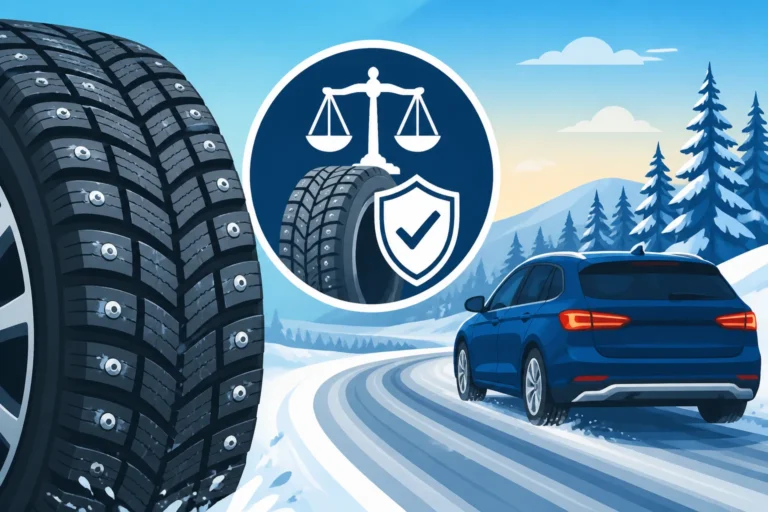
Winter driving is a whole different ball game. From December 1 to March 31, it's mandatory to use winter tyres (vinterdäck) on your car if winter road conditions prevail. These can be studded (dubbdäck) for maximum grip on ice, or non-studded friction tyres (friktionsdäck). Choosing the right tyres is crucial for safety on snowy and icy roads. Road conditions can change rapidly, so stay updated on weather forecasts and adjust your driving accordingly.
Swedish roads are generally well-maintained, but speed limits are strictly enforced, and fines can be hefty. Look out for moose and deer warnings, particularly in rural areas – collisions with wildlife are a real danger. Fuel is expensive, and parking can be challenging and costly in cities. While driving offers freedom, it comes with responsibilities and costs that need to be factored into your living budget.
Intercity Travel: Trains, Buses, and Regional Connections
For travel between Sweden’s cities and regions, you have several excellent options. SJ (Statens Järnvägar) is the national railway company and offers a comfortable and environmentally friendly way to travel across the country. Booking in advance, especially for popular routes or during holidays, can secure you better prices. The X2000 high-speed trains connect major cities like Stockholm, Gothenburg, and Malmö quickly.
Long-distance buses, operated by companies like FlixBus or Vy bus4you, offer a more budget-friendly alternative for intercity travel, though they naturally take longer. For more remote areas, regional buses fill the gaps where trains don't go. Flights are also an option for very long distances, particularly to the far north, but environmental consciousness often sways Swedes towards rail travel.
Remember that Sweden is a long country, and traveling from south to north can take a considerable amount of time. The efficiency of the transport network makes exploration easy, but careful planning and booking in advance are often rewarded with lower fares. Whether it's a weekend trip to a new city or visiting family across the country, Sweden's public transport system makes it relatively easy to stay connected.
Family Life and Education: Raising Children in Sweden
For those moving to Sweden with children, or planning to start a family here, you'll find a robust and supportive system designed to promote well-being and gender equality. From world-class childcare to comprehensive schooling, Sweden aims to provide a secure environment for its youngest residents.
Navigating Förskola (Preschool) for Young Ones
One of the cornerstones of Swedish family policy is förskola, or preschool. This isn't just daycare; it's a pedagogical activity for children aged 1-5, focusing on play-based learning, social development, and preparation for school. Most children start förskola around 1.5-2 years old, and it's heavily subsidized, with costs capped by the maxtaxa system, meaning no family pays more than a certain amount regardless of income.
To secure a place, you apply through your municipality, often online. Be aware that in popular areas, there can be queues, so it's wise to apply as early as possible – sometimes even before your child is born, if you know which municipality you'll be in. Our guide on Enrolling Your Child in Förskola Preschool in Sweden can help you navigate this. While many förskolor embrace diversity and have staff from various backgrounds, the primary language of instruction will be Swedish. However, many children pick up Swedish remarkably quickly in this immersive environment.
The quality of förskola is generally high, with trained educators and a strong emphasis on outdoor play, creativity, and democratic values. It's a fantastic way for children to integrate, learn the language, and make friends. For parents, it provides crucial support, enabling them to work or study while their children are in a stimulating environment.
The Grundskola (Compulsory School) System
Children in Sweden start grundskola (compulsory school) at age six, with a pre-school year (förskoleklass), and then continue through nine years of schooling until they are 16. The public school system is free of charge, including textbooks, meals, and excursions. Education aims to be inclusive and offers support for children with special needs or those learning Swedish as a second language.
Parents generally have the right to choose which school their child attends, though proximity to home and school capacity are often deciding factors. While most children attend municipal schools, there are also independent schools (friskolor), which are publicly funded but run by private organizations. These schools must adhere to the national curriculum but may have a specific pedagogical profile (e.g., Montessori, Waldorf) or language profile (e.g., international schools).
The Swedish school system emphasizes critical thinking, group work, and a relatively informal relationship between students and teachers. Homework loads are often lighter than in some other countries, with a focus on comprehensive learning rather than rote memorization. As a parent, you'll be actively involved in your child's education, with regular parent-teacher conferences and opportunities to participate in school events.
Beyond School: Family Activities and Support Networks
Life in Sweden with children extends far beyond the school gates. Swedish society is incredibly child-friendly, with playgrounds seemingly on every corner, family-focused museums, and vast natural areas for outdoor adventures. During parental leave, it’s common to see föräldralediga (parents on leave) out and about with their babies and toddlers, often meeting up at öppna förskolan (open preschools), which are free, drop-in centers for parents and young children to socialize.
Försäkringskassan (the Swedish Social Insurance Agency) provides a range of family benefits, including barnbidrag (child allowance), a monthly payment for all children under 16, and extensive parental leave benefits (föräldrapenning). These benefits are designed to support families financially and ensure that parents can spend time with their young children without severe financial strain.
Connecting with other expat families can also be a lifeline, providing a space to share experiences and navigate challenges together. Local expat groups, often found on social media, organize playdates and events. Additionally, Swedish parents are generally welcoming, and school events or local community centers can be great places to meet people and build your family's social network.
Tenant Rights and Protections: Knowing Your Place
Sweden has robust tenant protection laws, primarily through the Hyreslagen (Tenancy Act). This is a stark contrast to the often landlord-favouring laws in many other countries. However, knowing your rights and obligations is crucial, especially when navigating the complexities of the first-hand and second-hand rental markets.
Understanding Your Rental Contract and Security of Tenure
When you sign a rental contract in Sweden, it’s not just a piece of paper; it’s a legally binding agreement that outlines your rights and the landlord's obligations. For first-hand contracts, you have what's called besittningsskydd, or security of tenure. This is a powerful right that means your landlord generally cannot terminate your contract without a valid, legally recognized reason, and you have the right to have your contract renewed. This is why first-hand contracts are so prized.
For second-hand contracts, the besittningsskydd is weaker or, in many cases, non-existent for the first two years. After two years of continuous second-hand renting from the same landlord, besittningsskydd can kick in, but there are nuances. It's vital that your second-hand contract clearly states the rental period and any conditions for termination. Always check if the primary tenant has obtained permission to sublet; if not, your contract could be invalidated, leaving you vulnerable.
Your contract should also clearly state the rent, what's included (e.g., utilities, internet), the notice period, and the terms for the deposit. Never sign a contract you don't fully understand. If it's in Swedish, get it translated or reviewed by a Swedish-speaking friend or expert. Understanding these documents is your first line of defense against potential issues.
Dealing with Disputes: The Hyresnämnden and Hyresgästföreningen
Should a dispute arise with your landlord – perhaps over rent increases, maintenance issues, or termination of your tenancy – Sweden has specialized bodies to help. The Hyresnämnden (Rent Tribunal) is an impartial government agency that mediates and makes decisions in rental disputes. It's a free service, and its role is to ensure fair practice between tenants and landlords. You can turn to them for issues like excessive rent in a second-hand contract, disputes over deposits, or unfair evictions.
Another powerful resource is the Hyresgästföreningen (Tenants' Association). This is a membership organization that actively works to strengthen tenants' rights. By becoming a member (there's a small annual fee), you gain access to legal advice, support in disputes, and representation in negotiations with landlords. Many Swedes consider joining them an essential step for any renter. They can help you challenge unreasonable rent, understand complex legal clauses, or simply offer peace of mind. Our article on Tenant Rights in Sweden: Contracts, Rent, and the Hyresnämnden provides more details on these vital institutions.
The existence of these bodies means that you, as a tenant, are not powerless. While navigating disputes can be stressful, knowing that you have legal avenues and support networks can make a significant difference. It reinforces the Swedish value of fairness and protection for the individual.
Moving Out: Notice Periods, Inspections, and Deposits
When it's time to move out of your rental, understanding the proper procedures is key to a smooth transition and, crucially, getting your deposit back. In Sweden, standard notice periods usually apply. For first-hand contracts, the notice period for a tenant is typically three calendar months. For second-hand contracts, if the lease is for an indefinite period, the notice period for the tenant is usually one calendar month. If it's a fixed-term contract, it generally ends without notice on the specified date, but often contains clauses for early termination by mutual agreement or with specific notice. Our guide on Your Notice Period and How to End a Tenancy in Sweden goes into more detail.
Before you leave, the apartment should be returned in good condition, meaning it should be thoroughly cleaned. Many tenants opt for professional cleaning services (flyttstädning) to meet the high Swedish standards, as landlords can charge for cleaning if it's not up to scratch. It's wise to document the apartment's condition with photos and videos when you move in and again when you move out, to avoid disputes over wear and tear.
Regarding your deposit, it’s common for landlords to hold it for a few weeks after you've moved out to ensure no damage or unpaid bills. If a landlord refuses to return your deposit without valid reason, or claims excessive damages, the Hyresnämnden is the place to turn. Clear communication, proper documentation, and adherence to your contract's terms are your best friends when moving out.
Coping with Swedish Seasons: Darkness, Cold, and Light
One of the most profound aspects of living in Sweden, which directly impacts your daily life and well-being, is the dramatic shift in seasons. The difference between the intense darkness of winter and the almost endless daylight of summer is more than just a weather phenomenon; it’s a lifestyle adjustment.
Embracing the Swedish Winter: Practical Tips
Let's not sugarcoat it: Swedish winters can be tough. The days are incredibly short, especially in the north, with just a few hours of weak daylight, or even none above the Arctic Circle. The cold can be biting, and snow and ice are common. This can take a toll on mental and physical health, leading to feelings of fatigue, sadness, or a lack of motivation – often referred to as seasonal affective disorder (SAD).
But Swedes don't hibernate; they embrace it. Layering clothes is essential: thermal underwear, warm sweaters, waterproof and windproof outer layers, a good hat, gloves, and waterproof boots are non-negotiable. Investing in quality winter gear is probably one of the most important purchases you'll make. Indoors, homes are generally very well insulated and heated, offering a cozy retreat from the cold.
To combat the darkness, many Swedes use light therapy lamps or take vitamin D supplements. Fika (a coffee break, often with pastries) becomes an even more important ritual for warmth and social connection. Embracing outdoor activities like ice skating, skiing, or simply walking in the crisp winter air can also help. It's about finding the beauty in the quiet, snowy landscapes and adapting to a slower, cozier pace of life.
The Joy of Endless Summer Days
After the long winter, the Swedish summer arrives with an almost explosive joy. The days become incredibly long, with twilight lasting for hours and the sun barely dipping below the horizon in many parts of the country. This abundance of light and warmth transforms the landscape and the mood. People flock outdoors, enjoying parks, lakes, archipelago islands, and outdoor cafes.
Summer in Sweden is a time for relaxation, travel, and making the most of every sun-drenched moment. Many businesses slow down, and it's common for Swedes to take several weeks of vacation in July, often heading to their summer cottages (sommarstuga) or exploring the country's vast nature. This is when Sweden truly shines, offering endless opportunities for hiking, swimming, cycling, and enjoying the vibrant city life that spills onto the streets.
The feeling of collective relief and exuberance after winter is palpable. The long evenings allow for late dinners outdoors, leisurely walks, and a general sense of invigoration. It's a season of celebration, a well-deserved reward for enduring the cold and dark, and it perfectly balances the intense seasonal shifts.
Impact on Well-being and Seeking Support
The extreme seasonal variations can have a significant impact on well-being for newcomers. The lack of light in winter can disrupt circadian rhythms, affecting sleep, mood, and energy levels. It's not just a minor inconvenience; it's a real challenge that many expats struggle with. Don't be afraid to acknowledge it and take proactive steps to mitigate its effects.
Beyond the practical tips of light therapy and vitamin D, focusing on mental health is crucial. Maintaining a social life, even when it feels difficult, staying active, and ensuring a healthy diet can all help. If you find yourself struggling with persistent low mood, lack of energy, or other symptoms of SAD, don't hesitate to reach out to the healthcare system. Your local vårdcentral (primary care clinic) is the first point of contact for all health concerns, including mental health. Our guide on Mental Health Support in Sweden: Psychologists, Therapy, and Referrals can provide more information on how to access help.
Swedes themselves are very aware of the impact of their climate, and it's not uncommon to discuss how the seasons affect mood. Lean into the local wisdom, be kind to yourself, and remember that adapting to these extreme light conditions is a process. You'll find your own rhythm, and eventually, the joy of the Swedish summer will feel even more profound after experiencing the quiet beauty of its winter.
Disclaimer
Please note that while this guide provides comprehensive information based on current regulations and common experiences in Sweden (as of 2026), laws and procedures can change. It is always recommended to consult official sources such as Migrationsverket (Swedish Migration Agency), Skatteverket (Swedish Tax Agency), Försäkringskassan (Swedish Social Insurance Agency), and local municipal websites for the most up-to-date and personalized information relevant to your specific situation. This guide is for informational purposes only and does not constitute legal or financial advice.